We can't find the internet
Attempting to reconnect
Something went wrong
Hang in there while we get back on track
£85.28
It has never been this cheap. We have no record of a lower price.
£85 today · cheaper than every other day in the last 3 months
Wiley Provoking Democracy: Why We Need the Arts: 31 (Wiley-Blackwell Manifestos)
We'll watch every seller, every day. One email when your price arrives.
Price History & Forecast
Grey patches = out of stock. Cheaper = lower on the chart. Hover for exact prices.
Last 46 days · 46 data points (no recent data)
NEW HERE?
Amazon shows you one price. We show you all of them.
Tosheroon watches Amazon prices so you don't have to. Every product on Amazon has a price history — we make it visible. Set the price you'd actually pay, and we'll email you the second it gets there. No app, no account, one email.
WHAT'S ON THIS PAGE
when this has been cheap or pricey
where the price is heading next
all-time high & low, recent range
name your number, we'll email you
Price Distribution
Price distribution over 46 days • 1 price levels
Price Analysis
Most common price: £85 (46 days, 100.0%)
Price range: £85 - £85
Price levels: 1 different prices over 46 days
Description
Product Specifications
- Brand
- Wiley
- Format
- hardcover
- ASIN
- 140515926X
- Domain
- Amazon UK
- Release Date
- 27 July 2007
- Listed Since
- 19 February 2007
Barcode
No barcode data available
Similar Products You Might Like
Media and Social Inequality - Community Structure Research
Routledge

Political Sociology for a Globalizing World
Polity
Charlotte Salomon and the Theatre of Memory
Yale University Press

Democracy and American Foreign Policy - Tocqueville Legacy
Routledge
Dimensions of Constitutional Democracy: India and Germany
Springer
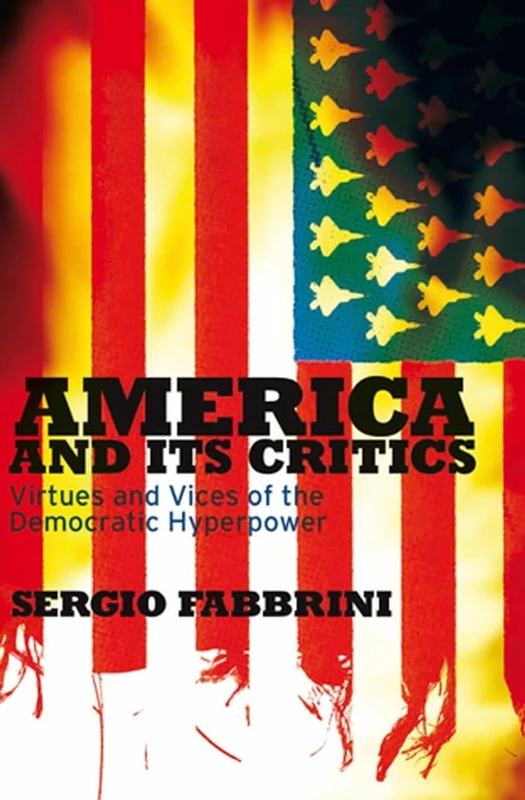
America and Its Critics: Virtues and Vices of the Democratic Hyperpower
Polity
India, Pakistan, and Democracy: Solving the Puzzle of Divergent Paths
Routledge
The Enduring Democracy (Book Only)
Cengage Learning

American Government: Institutions & Policies
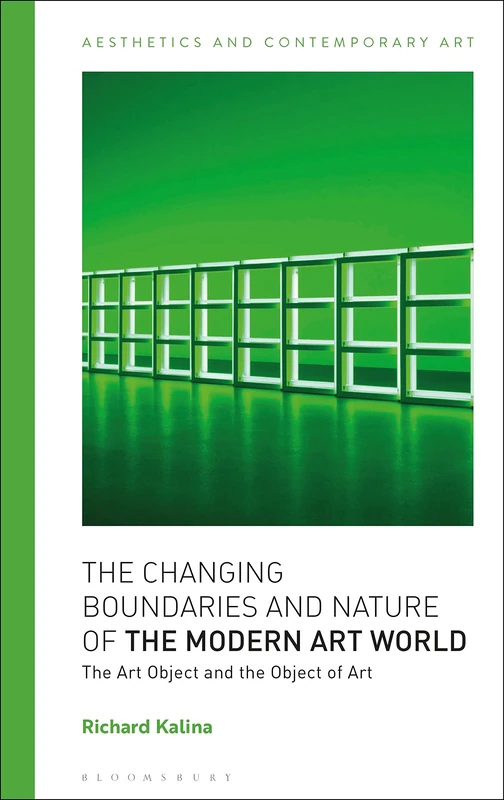
Changing Boundaries and Nature of the Modern Art World, The: The Art Object and the Object of Art (Aesthetics and Contemporary Art)
Bloomsbury

Democracy as the Political Empowerment of the People: The Betrayal of an Ideal
Bloomsbury
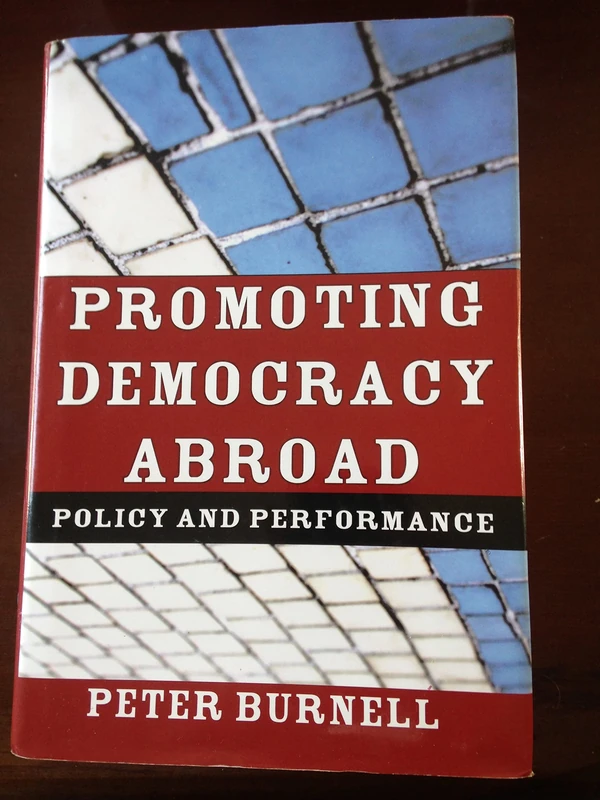
Routledge Promoting Democracy Abroad: Policy and Performance
Routledge

Karen Gunderson: The Dark World of Light
Abbeville Press
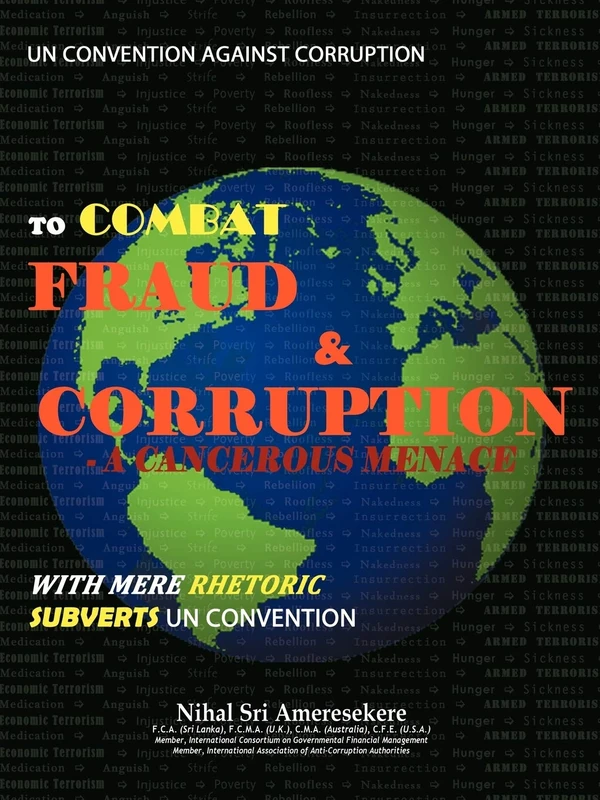
Un Convention Against Corruption To Combat Fraud & Corruption: A Cancerous Menace With Mere Rhetoric Subverts Un Convention
Authorhouse

The Dual State: Parapolitics, Carl Schmitt and the National Security Complex (International and Comparative Criminal Justice)
Routledge

Europe Simple, Europe Strong: The Future of European Governance
Polity
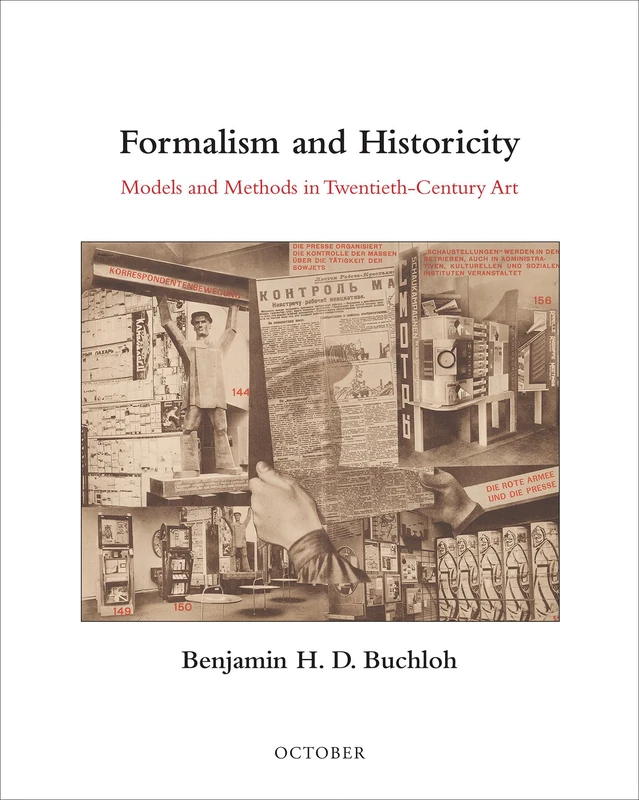
Formalism and Historicity - Twentieth-Century Art Essays
MIT Press
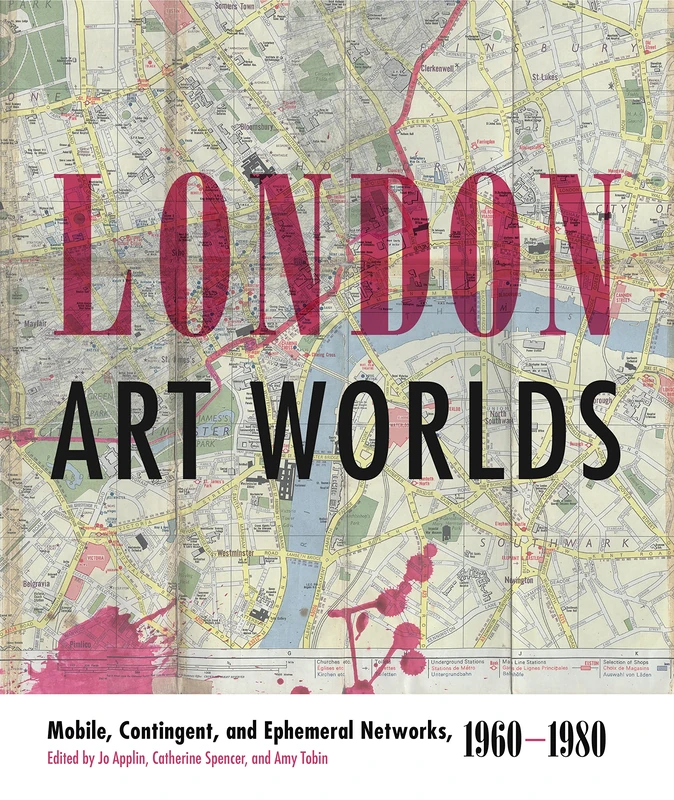
London Art Worlds: Mobile, Contingent, and Ephemeral Networks, 1960-1980 (Refiguring Modernism): 24
Penn State University Press
Chinese Cinema during the Era of Reform: The Ingenuity of the System
Praeger

Politics, Public Opinion, and Policy
Cambridge University Press
Ethno-Techno: Writings on Performance, Activism and Pedagogy
Routledge

The Future of Digital Democracy: An Interdisciplinary Approach: 11300 (Lecture Notes in Computer Science, 11300)
Springer
Democratic Failures and the Ethics of Democracy (Democracy, Citizenship, and Constitutionalism)
University of Pennsylvania Museum Publications
Politics in India: Structure, Process and Policy
Routledge
Price unavailable