We can't find the internet
Attempting to reconnect
Something went wrong
Hang in there while we get back on track
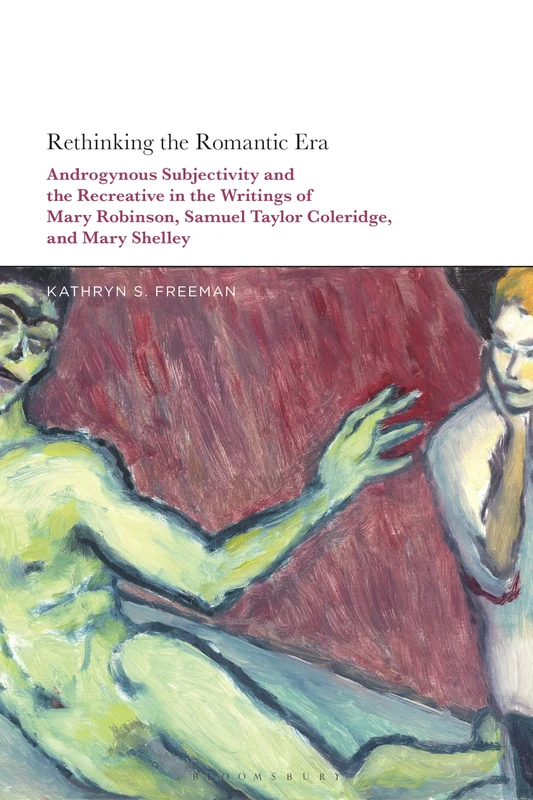
£84.33
This is the most expensive it has ever been. Walk away.
£84 today · previous high £84 · all-time low £84
Bloomsbury Rethinking the Romantic Era: Androgynous Subjectivity and the Recreative in the Writings of Mary Robinson, Samuel Taylor Coleridge, and Mary Shelley
Price data last checked 30 day(s) ago - will refresh soon
We'll watch every seller, every day. One email when your price arrives.
Price History & Forecast
Grey patches = out of stock. Cheaper = lower on the chart. Hover for exact prices.
Last 61 days · 61 data points (no recent data)
Price data last checked 30 day(s) ago - will refresh soon
NEW HERE?
Amazon shows you one price. We show you all of them.
Tosheroon watches Amazon prices so you don't have to. Every product on Amazon has a price history — we make it visible. Set the price you'd actually pay, and we'll email you the second it gets there. No app, no account, one email.
WHAT'S ON THIS PAGE
when this has been cheap or pricey
where the price is heading next
all-time high & low, recent range
name your number, we'll email you
Price Distribution
Price distribution over 61 days • 1 price levels
Price Analysis
Most common price: £84 (61 days, 100.0%)
Price range: £84 - £84
Price levels: 1 different prices over 61 days
Description
Product Specifications
- Brand
- Bloomsbury
- Format
- hardcover
- ASIN
- 1350167401
- Category
- Books > Subjects > Poetry, Drama & Criticism > History & Criticism > Literary Theory & Movements
- Domain
- Amazon UK
- Release Date
- 28 January 2021
- Listed Since
- 09 July 2020
Barcode
No barcode data available
Similar Products You Might Like
Enlightening Romanticism, Romancing the Enlightenment: British Novels from 1750 to 1832
Routledge
Enlightening Romanticism, Romancing the Enlightenment: British Novels from 1750 to 1832
Routledge

The Blind and Blindness in Literature of the Romantic Period
Edinburgh University Press
Romantic Women Writers, Revolution, and Prophecy: Rebellious Daughters, 1786–1826: 98 (Cambridge Studies in Romanticism, Series Number 98)
Cambridge University Press
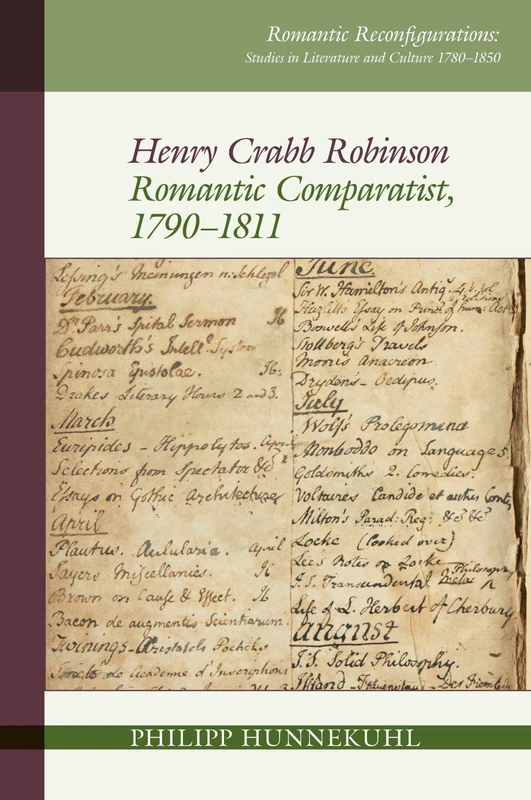
Henry Crabb Robinson: Romantic Comparatist, 1790-1811 (Romantic Reconfigurations: Studies in Literature and Culture 1780-1850): 13
Liverpool University Press
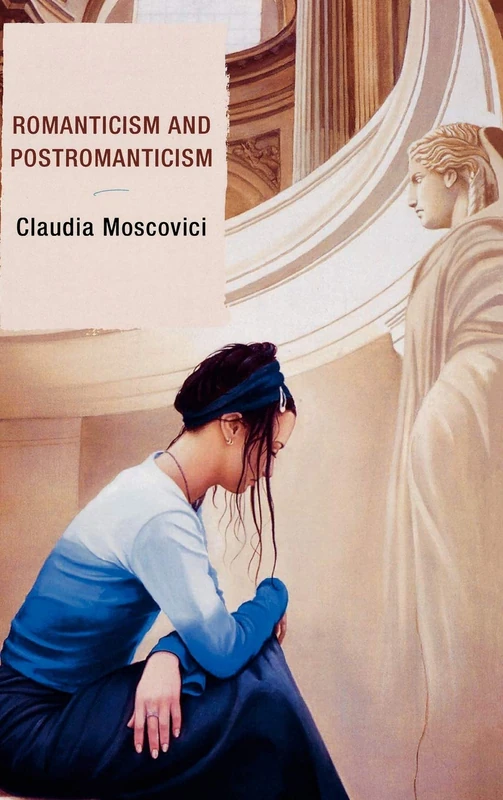
Romanticism and Postromanticism
Lexington Books
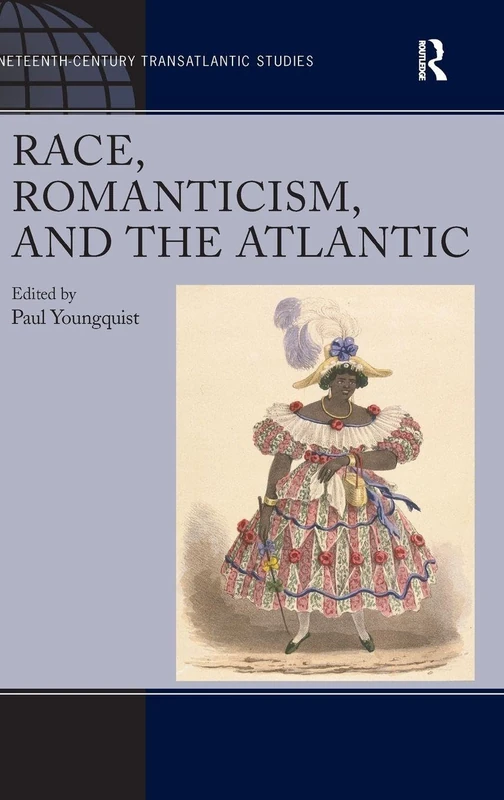
Race, Romanticism, and the Atlantic - Nineteenth-Century Studies
Routledge
Routledge Romanticism: A Literary and Cultural History Book
Routledge
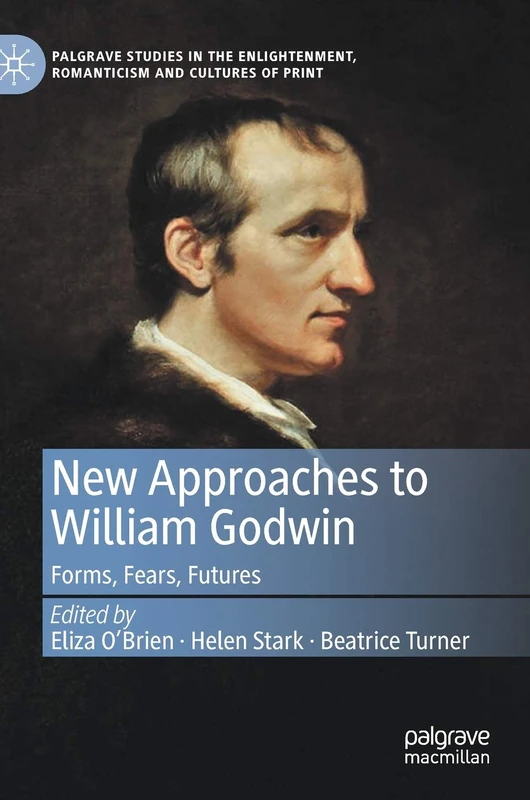
New Approaches to William Godwin: Forms, Fears, Futures (Palgrave Studies in the Enlightenment, Romanticism and Cultures of Print)
MACMILLAN
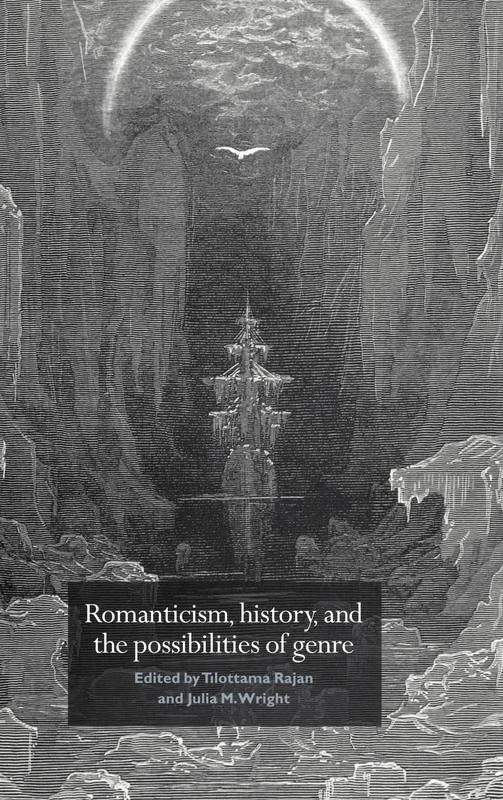
Romanticism, History, and the Possibilities of Genre: Re-forming Literature 1789–1837
Cambridge University Press
The Cambridge History of English Romantic Literature (The New Cambridge History of English Literature)
Cambridge University Press
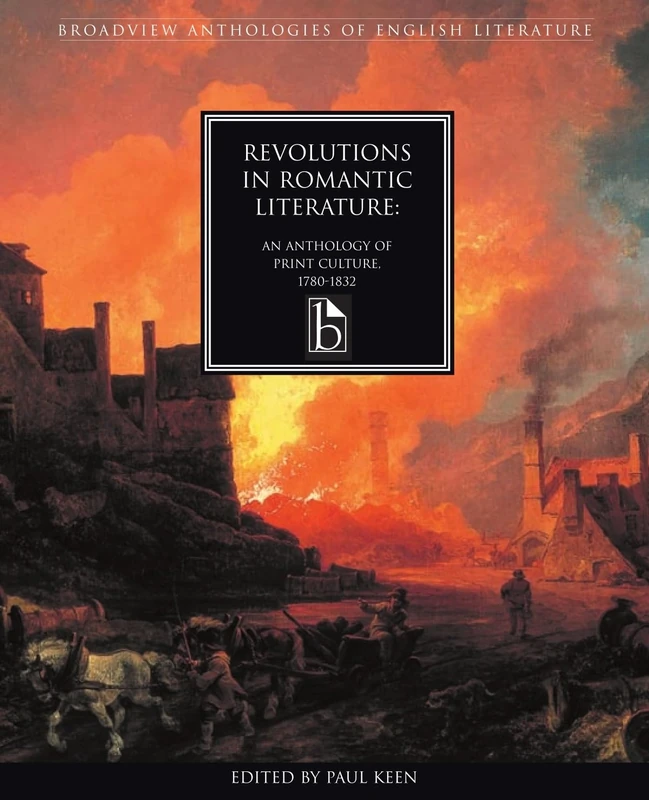
Revolutions in Romantic Literature: An Anthology of Print Culture, 1780-1832
Broadview Press Inc
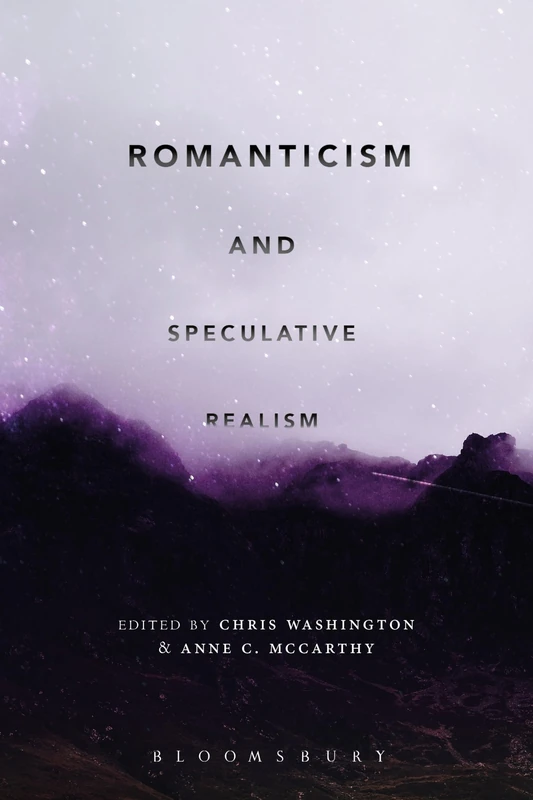
Romanticism and Speculative Realism - Bloomsbury Academic
Bloomsbury
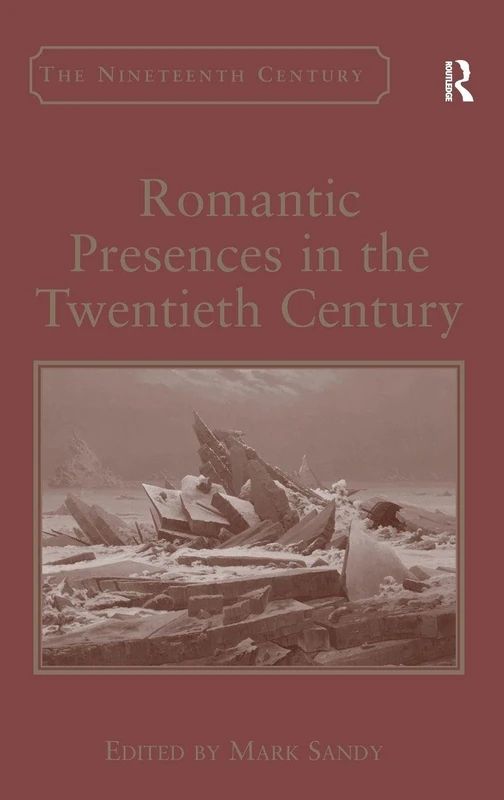
Romantic Presences in the Twentieth Century (Nineteenth Century)
Routledge
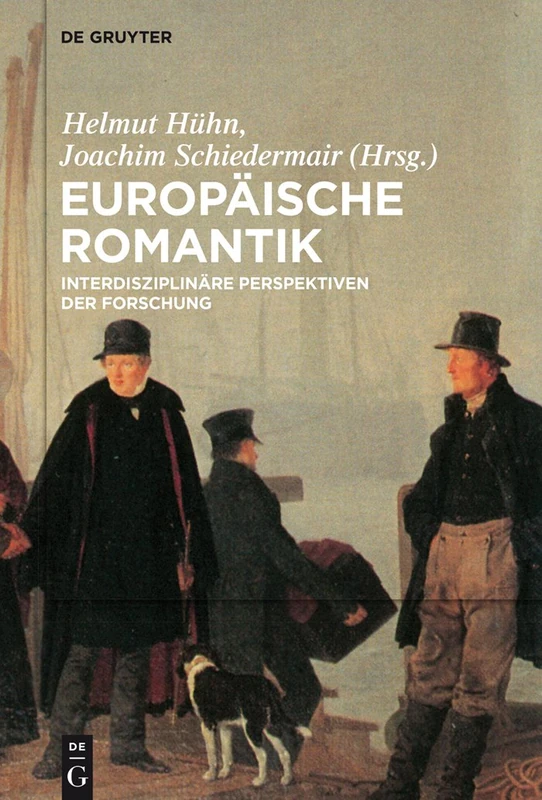
Europäische Romantik: Interdisziplinäre Perspektiven Der Forschung / Interdisciplinary Research Perspectives
De Gruyter
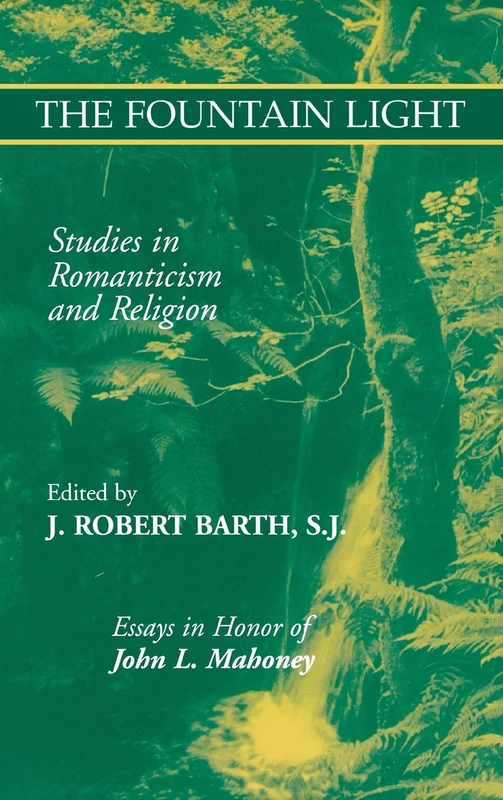
The Fountain Light: Studies in Romanticism and Religion Essays in Honor of John L. Mahoney (Studies in Religion and Literature)
Fordham University Press
Romantic Biography (The Nineteenth Century Series)
Routledge
Poetic Exhibitions: Romantic Aesthetics and the Pleasures of the British Museum
Bucknell University Press
Coleridge, Romanticism and the Orient: Cultural Negotiations (Continuum Literary Studies)
Bloomsbury
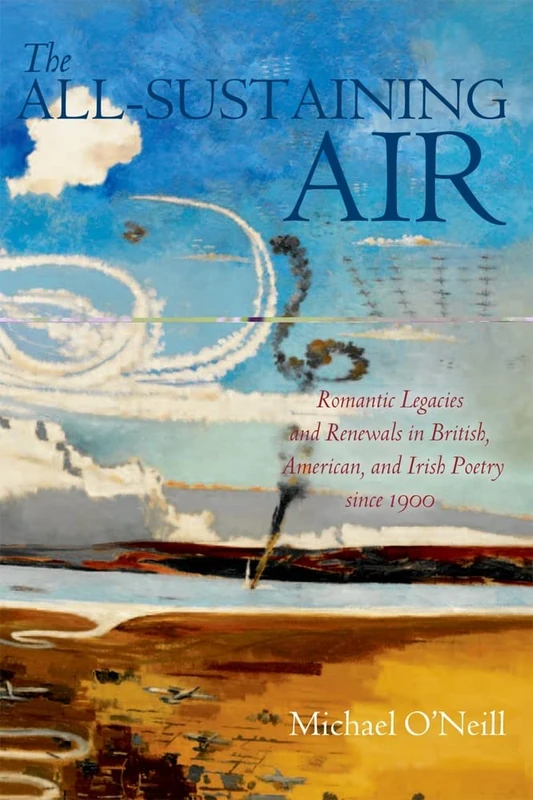
The All-Sustaining Air: Romantic Legacies and Renewals in British, American, and Irish Poetry since 1900
Oxford University Press
Romanticism (The New Critical Idiom)
Routledge
The Cambridge Companion to Coleridge (Cambridge Companions to Literature)
Cambridge University Press
Infectious Liberty: Biopolitics between Romanticism and Liberalism (Lit Z)
Fordham University Press
Romanticism and Theatrical Experience: Kean, Hazlitt and Keats in the Age of Theatrical News: 124 (Cambridge Studies in Romanticism, Series Number 124)
Cambridge University Press