We can't find the internet
Attempting to reconnect
Something went wrong!
Hang in there while we get back on track
£75.63
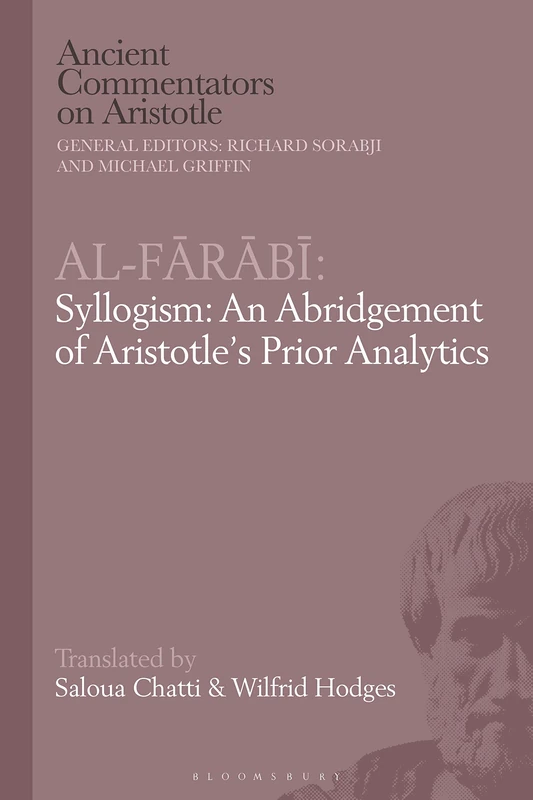
Bloomsbury Academic Al-Farabi, Syllogism: An Abridgement of Aristotles Prior Analytics (Ancient Commentators on Aristotle)
Price data last checked 49 day(s) ago - refreshing...
We'll watch every seller, every day. One email when your price arrives.
About as cheap as it gets. The only time it was cheaper was 1 month ago.
£76 today · all-time low £75 (Apr 2026) · usually the usual
NEW HERE?
Amazon shows you one price. We show you all of them.
Tosheroon watches Amazon prices so you don't have to. Every product on Amazon has a price history — we make it visible. Set the price you'd actually pay, and we'll email you the second it gets there. No app, no account, one email.
WHAT'S ON THIS PAGE
when this has been cheap or pricey
where the price is heading next
all-time high & low, recent range
name your number, we'll email you
Price History & Forecast
Grey patches = out of stock. Cheaper = lower on the chart. Hover for exact prices.
Last 42 days • 42 data points (No recent data available)
Price Distribution
Price distribution over 42 days • 2 price levels
Price Analysis
Most common price: £77 (36 days, 85.7%)
Price range: £76 - £77
Price levels: 2 different prices over 42 days
Description
Product Specifications
- Brand
- Bloomsbury Academic
- Format
- hardcover
- ASIN
- 1350126993
- Domain
- Amazon UK
- Release Date
- 03 September 2020
- Listed Since
- 13 December 2019
Barcode
No barcode data available
Similar Products You Might Like
Aristotle's Syllogism and the Creation of Modern Logic: Between Tradition and Innovation, 1820s-1930s (Bloomsbury Studies in the Aristotelian Tradition)
Bloomsbury Academic
The Logic of Essentialism: An Interpretation of Aristotle’s Modal Syllogistic: 43 (The New Synthese Historical Library, 43)
Springer

Arabic Logic from al-Fārābī to Averroes: A Study of the Early Arabic Categorical, Modal, and Hypothetical Syllogistics (Studies in Universal Logic)
Birkhauser

Simple Formal Logic: With Common-Sense Symbolic Techniques
Routledge

On Logic: An Arabic critical edition and English translation of Epistles 10-14 (Epistles of the Brethren of Purity)
Oxford University Press
Historical Dictionary of Logic (Historical Dictionaries of Religions, Philosophies, and Movements): Volume 65
Scarecrow Press
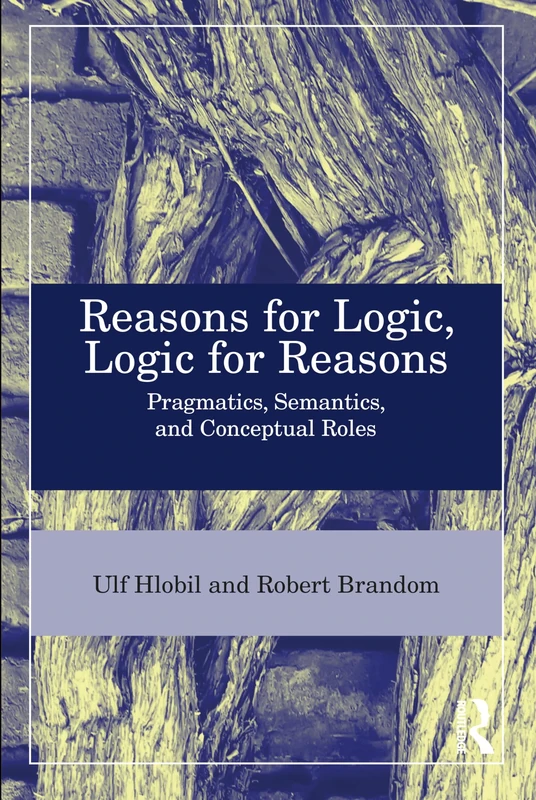
Reasons for Logic, Logic for Reasons: Pragmatics, Semantics, and Conceptual Roles
Routledge

Robert Kilwardby, Notule libri Priorum, Part 1: Vol. 23 (Auctores Britannici Medii Aevi)
Oxford University Press

Oxford University Press - Robert Kilwardby, Notule libri Priorum
Oxford University Press
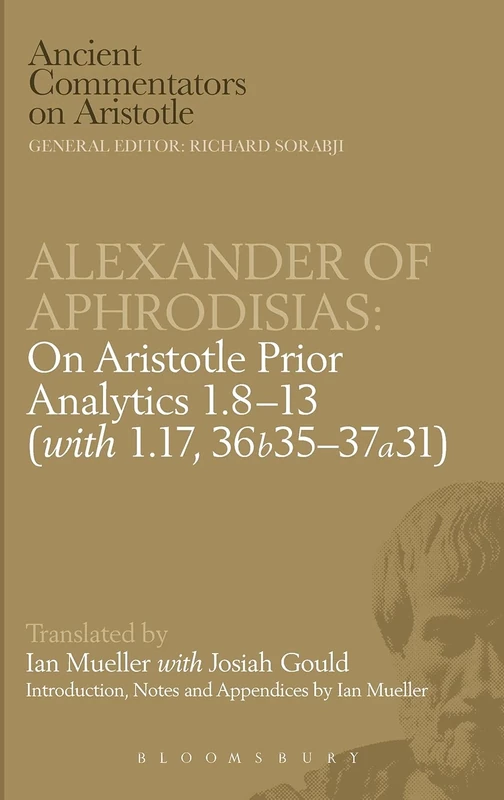
Alexander of Aphrodisias: On Aristotle Prior Analytics: 1.8-13 (with 1.17, 36b35-37a31): v. 1, 8-13 (Ancient Commentators on Aristotle)
By

The History of Philosophical and Formal Logic: From Aristotle to Tarski
Bloomsbury
Directions in Relevant Logic: 1 (Reason and Argument, 1)
Springer
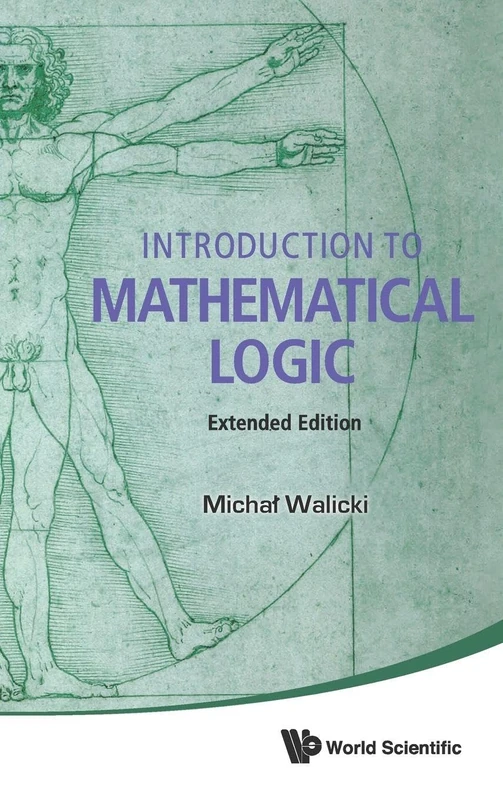
Introduction to Mathematical Logic: Extended Edition
World Scientific Publishing Company
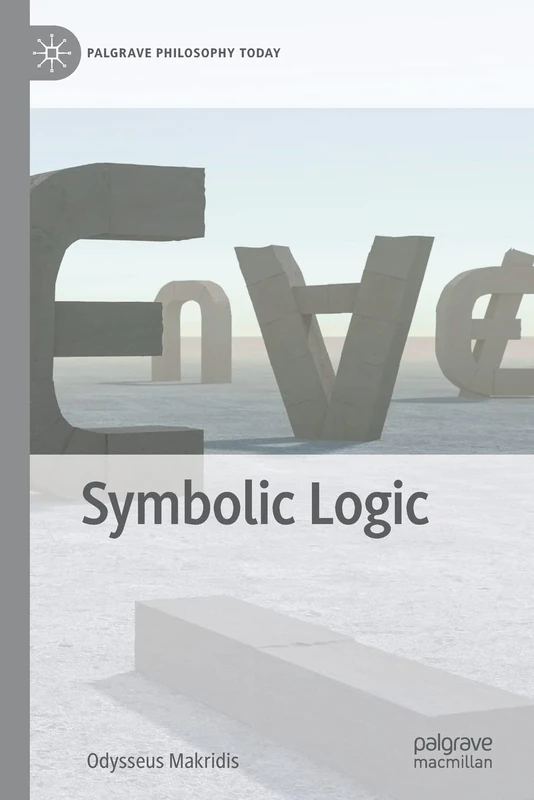
Symbolic Logic (Palgrave Philosophy Today)
MACMILLAN
Figuring It Out: Logic Diagrams: 78 (Philosophical Analysis, 78)
De Gruyter
60 Years of Connexive Logic: 65 (Trends in Logic, 65)
Springer

The Logical Legacy of Nikolai Vasiliev and Modern Logic: 387 (Synthese Library, 387)
Springer
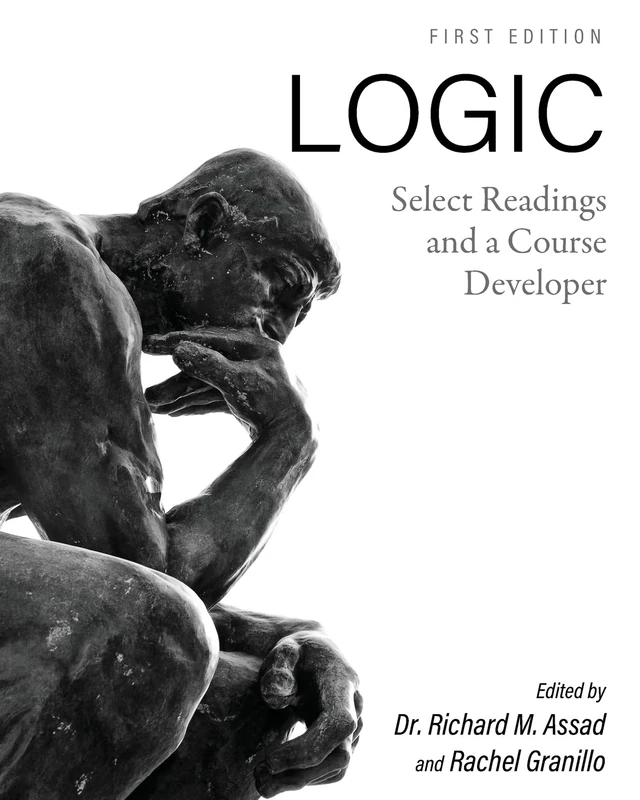
Logic: Select Readings and a Course Developer
Cognella Academic Publishing

Knowledge, Proof and Dynamics: The Fourth Asian Workshop on Philosophical Logic (Logic in Asia: Studia Logica Library)
Springer
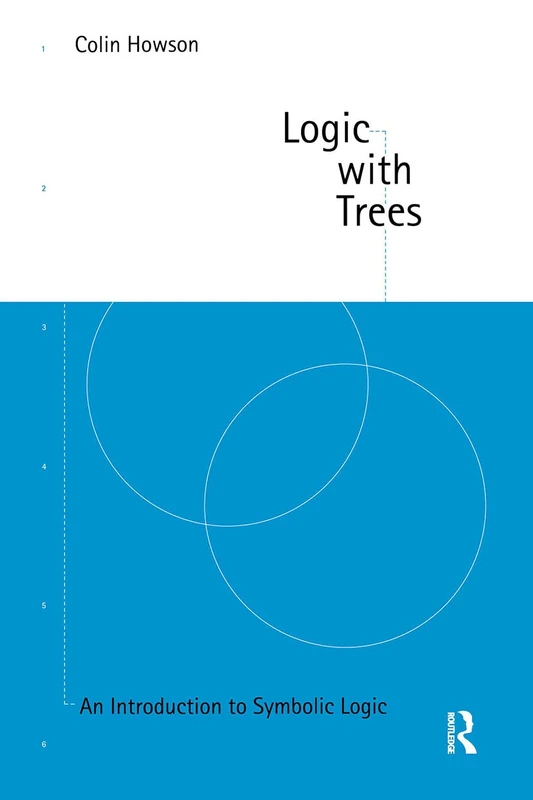
Logic with Trees: An Introduction to Symbolic Logic
Routledge

Oxford University Press - Fragments of First-Order Logic
Oxford University Press
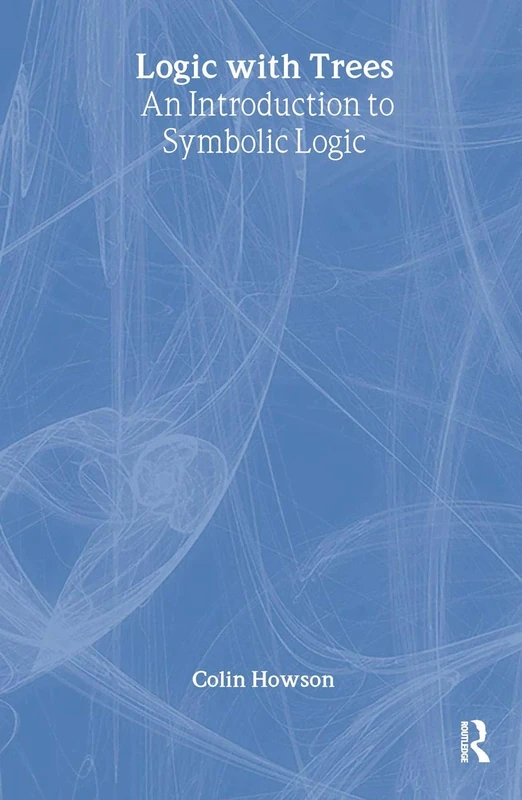
Logic with Trees: An Introduction to Symbolic Logic
Routledge

An Invitation to Mathematical Logic: 301 (Graduate Texts in Mathematics, 301)
Springer
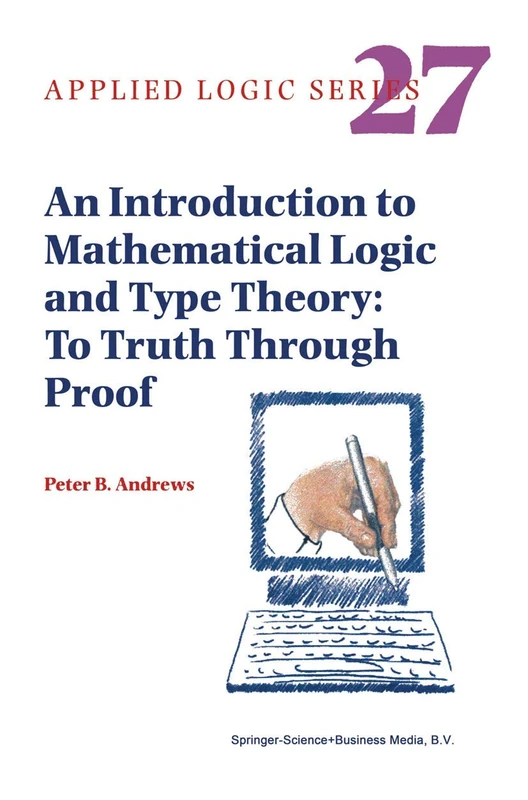
An Introduction to Mathematical Logic and Type Theory: To Truth Through Proof: 27 (Applied Logic Series, 27)
Springer