We can't find the internet
Attempting to reconnect
Something went wrong
Hang in there while we get back on track

£85.00
It has never been this cheap. We have no record of a lower price.
£85 today · cheaper than every other day in the last 3 months
Bloomsbury Shaping a Modern Ethics: The Humanist Legacy from Nietzsche to Feminism
We'll watch every seller, every day. One email when your price arrives.
Price History & Forecast
Grey patches = out of stock. Cheaper = lower on the chart. Hover for exact prices.
Last 45 days · 45 data points (no recent data)
NEW HERE?
Amazon shows you one price. We show you all of them.
Tosheroon watches Amazon prices so you don't have to. Every product on Amazon has a price history — we make it visible. Set the price you'd actually pay, and we'll email you the second it gets there. No app, no account, one email.
WHAT'S ON THIS PAGE
when this has been cheap or pricey
where the price is heading next
all-time high & low, recent range
name your number, we'll email you
Price Distribution
Price distribution over 45 days • 1 price levels
Price Analysis
Most common price: £85 (45 days, 100.0%)
Price range: £85 - £85
Price levels: 1 different prices over 45 days
Description
Product Specifications
- Brand
- Bloomsbury
- Format
- hardcover
- ASIN
- 1350122858
- Domain
- Amazon UK
- Release Date
- 06 February 2020
- Listed Since
- 20 February 2019
Barcode
No barcode data available
Similar Products You Might Like

Cultural Diplomacy and International Cultural Relations: Volume I: 1
Routledge
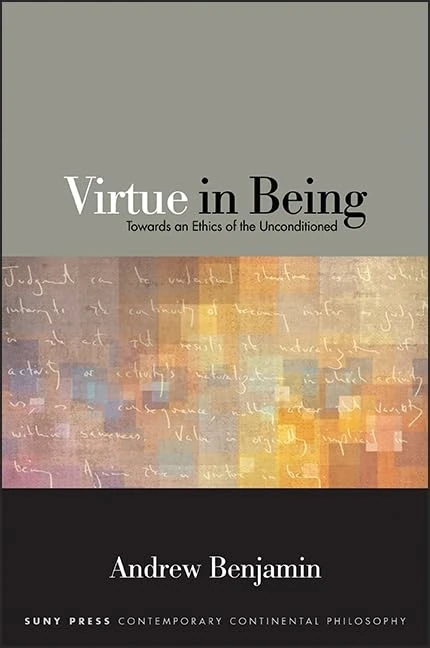
Virtue in Being: Towards an Ethics of the Unconditioned (SUNY series in Contemporary Continental Philosophy)
State University of New York Press

Utilitarianism in the Early American Republic (Routledge Innovations in Political Theory)
Routledge

Explaining Right and Wrong: A New Moral Pluralism and Its Implications (Routledge Studies in Ethics and Moral Theory)
Routledge
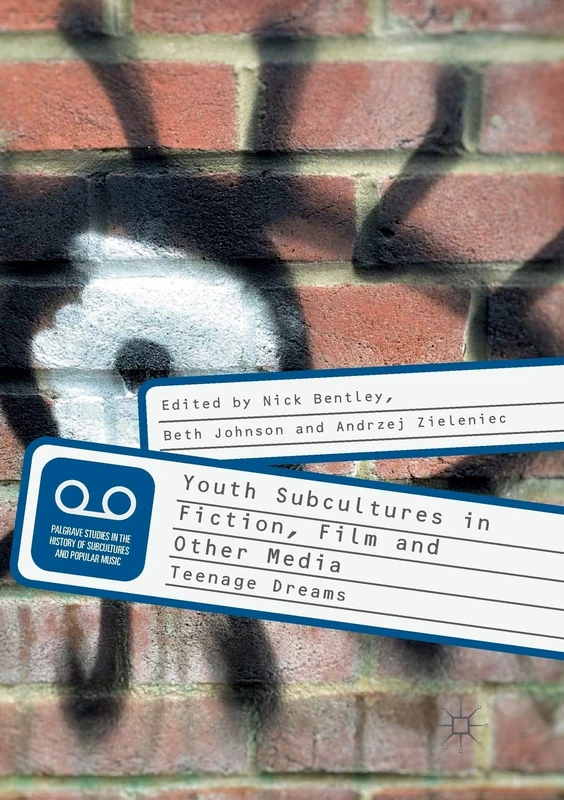
Youth Subcultures in Fiction, Film and Other Media: Teenage Dreams (Palgrave Studies in the History of Subcultures and Popular Music)
MACMILLAN

From a Rational Point of View: How We Represent Subjective Perspectives in Practical Discourse
Oxford University Press

Pragmatic Encounters (Routledge Studies in American Philosophy)
Routledge

After the Media: Culture and Identity in the 21st Century
Routledge

Bentham's An Introduction to the Principles of Morals and Legislation: A Guide (OXFORD GUIDES TO PHILOSOPHY SERIES)
Oxford University Press

Muslim Women of Power: Gender, Politics and Culture in Islam
Bloomsbury

Kantian Commitments: Essays on Moral Theory and Practice
Oxford University Press

Catastrophe and Survival: Walter Benjamin and Psychoanalysis
Bloomsbury

Moral Knowledge (Routledge Library Editions: Ethics)
Routledge

British Progressive Pop 1970-1980
Bloomsbury

Acts, Intentions, and Moral Evaluation - Routledge Ethics
Routledge

Nietzsche and Kantian Ethics: Nietzsche’s Engagements with Kant and the Kantian Legacy: Volume II
Bloomsbury Academic

Emmanuel Levinas and the Limits to Ethics: A Critique and a Re-Appropriation (Routledge Jewish Studies Series)
Routledge

Affektivität und Ethik bei Kant und in der Phänomenologie
De Gruyter
Morality: What's In It For Me? - Ethics Introduction
Routledge

Movement as Meaning in Experimental Film: 13 (Consciousness, Literature and the Arts, 13)
Brill
Ricoeur and the Negation of Happiness
Bloomsbury

Art and Objects
Polity
Mediated Youth Cultures: The Internet, Belonging and New Cultural Configurations
MACMILLAN

Habermas (The Routledge Philosophers)
Routledge