We can't find the internet
Attempting to reconnect
Something went wrong!
Hang in there while we get back on track
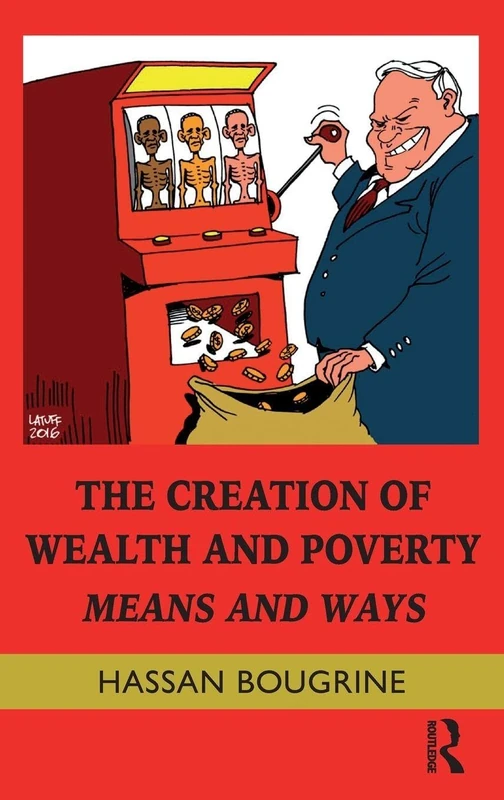
£111.80
Routledge The Creation of Wealth and Poverty: Means and Ways (Routledge Frontiers of Political Economy)
Price data last checked 76 day(s) ago - refreshing...
We'll watch every seller, every day. One email when your price arrives.
It has never been this cheap. We have no record of a lower price.
£112 today · cheaper than every other day in the last 3 months
NEW HERE?
Amazon shows you one price. We show you all of them.
Tosheroon watches Amazon prices so you don't have to. Every product on Amazon has a price history — we make it visible. Set the price you'd actually pay, and we'll email you the second it gets there. No app, no account, one email.
WHAT'S ON THIS PAGE
when this has been cheap or pricey
where the price is heading next
all-time high & low, recent range
name your number, we'll email you
Price History & Forecast
Grey patches = out of stock. Cheaper = lower on the chart. Hover for exact prices.
Last 15 days • 15 data points (No recent data available)
Price Distribution
Price distribution over 15 days • 2 price levels
Price Analysis
Most common price: £112 (8 days, 53.3%)
Price range: £112 - £147
Price levels: 2 different prices over 15 days
Description
Product Specifications
- Brand
- Routledge
- Format
- hardcover
- ASIN
- 1138816752
- Domain
- Amazon UK
- Release Date
- 01 September 2016
- Listed Since
- 15 April 2015
Barcode
No barcode data available
Similar Products You Might Like
Poverty in Contemporary Economic Thought (Routledge Studies in the History of Economics)
Routledge
Chronic Poverty In Asia: Causes, Consequences And Policies
World Scientific Publishing Company
Understanding Poverty
Oxford University Press
Poverty: Global Challenges, Role of Inequality & Reduction Strategies (Hunger and Poverty: Causes, Impacts and Eradication)
Nova Science Publishers Inc
Growth, Inequality, and Poverty: Prospects for Pro-poor Economic Development (WIDER Studies in Development Economics)
Oxford University Press

Other Side of the Coin: The Psychological Implications of Microcredit
Nova Science Publishers Inc
Financial Inclusion for Poverty Alleviation: Issues and Case Studies for Sustainable Development
Routledge
Why Poverty Persists: Poverty Dynamics in Asia and Africa
Edward Elgar Publishing
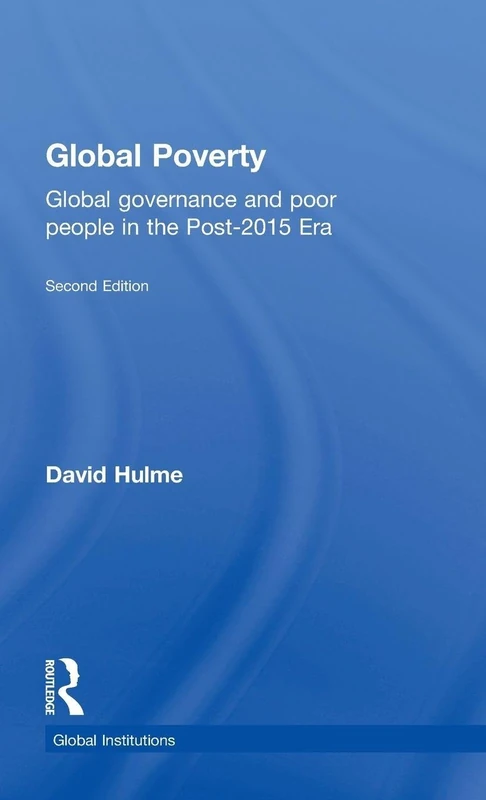
Global Poverty: Global governance and poor people in the Post-2015 Era (Global Institutions)
Routledge
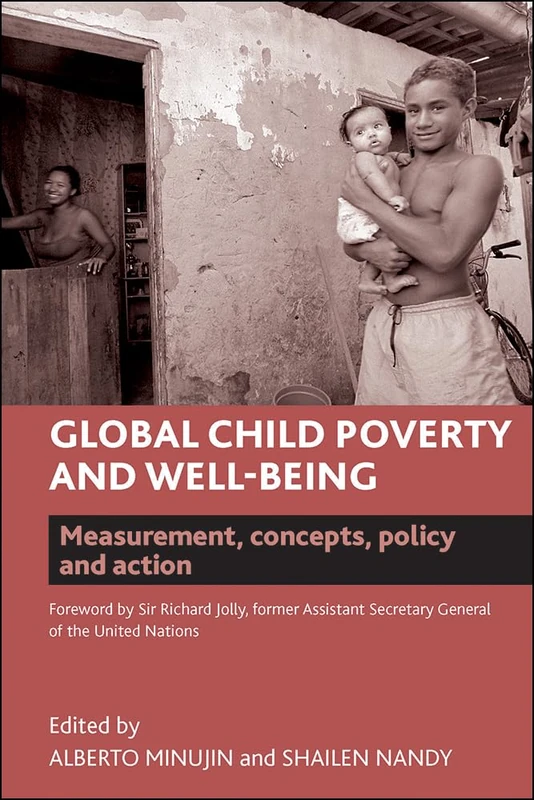
Global child poverty and well-being: Measurement, Concepts, Policy and Action (Studies in Poverty, Inequality and Social Exclusion)
Policy Press

Poverty, Inequality and Development: Essays in Honor of Erik Thorbecke: 1 (Economic Studies in Inequality, Social Exclusion and Well-Being, 1)
Springer

Social, Methods, and Microeconomics: Contributions to Doing Economics Better: 19 (AJES - Studies in Economic Reform and Social Justice)
Wiley-Blackwell
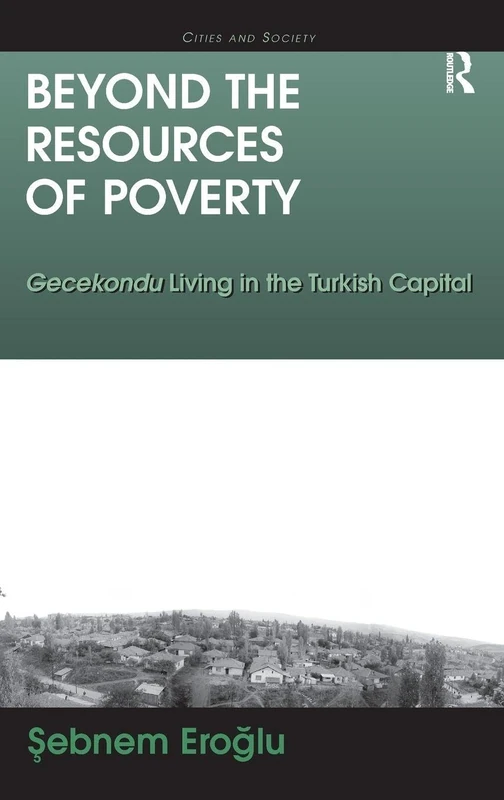
Beyond the Resources of Poverty: Gecekondu Living in the Turkish Capital (Cities and Society)
Routledge
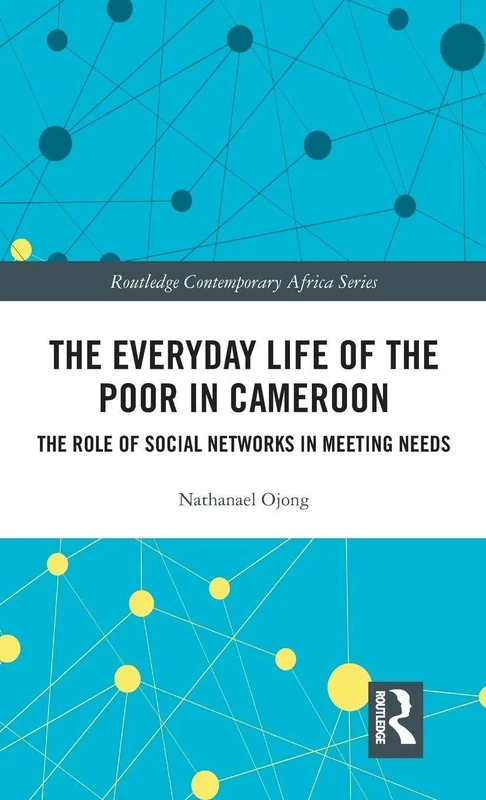
The Everyday Life of the Poor in Cameroon: The Role of Social Networks in Meeting Needs (Routledge Contemporary Africa)
Routledge
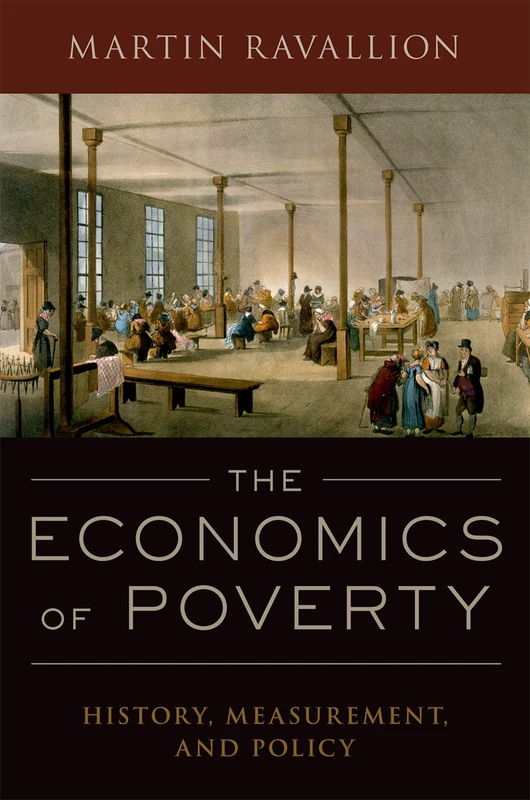
The Economics of Poverty: History, Measurement, and Policy
Oxford University Press
Understanding Global Poverty: Causes, Solutions, and Capabilities
Routledge
Poverty and Well-Being in East Africa: A Multi-faceted Economic Approach (Economic Studies in Inequality, Social Exclusion and Well-Being)
Springer
A Modern Guide to Uneven Economic Development (Elgar Modern Guides)
Edward Elgar Publishing
Moralising Poverty: The ‘Undeserving’ Poor in the Public Gaze (Routledge Advances in Health and Social Policy)
Routledge
The Social Fund 20 Years On: Historical and Policy Aspects of Loaning Social Security
Routledge
POVERTY IN THE US THE SUPPLE (Economic Issues, Problems and Perspectives)
Nova Science Publishers Inc
THE IMPACT OF MACROECONOMIC POLICIES ON POVERTY AND INCOME DISTIBUTION: Macro-micro Evaluation Techniques and Tools (Equity and Development Series)
MACMILLAN
Political Power and Economic Inequality: A Comparative Policy Approach (Who Did It First?)
Rowman & Littlefield Publishers
Marginalisation in China: Perspectives on Transition and Globalisation (Igu Marginal Regions)
Routledge