We can't find the internet
Attempting to reconnect
Something went wrong
Hang in there while we get back on track

£52.50
This is the most expensive it has ever been. Walk away.
£53 today · previous high £53 · all-time low £50
Routledge Seeing Mahler: Music and the Language of Antisemitism in Fin-de-Siècle Vienna
We'll watch every seller, every day. One email when your price arrives.
Price History & Forecast
Grey patches = out of stock. Cheaper = lower on the chart. Hover for exact prices.
Last 60 days · 60 data points (no recent data)
NEW HERE?
Amazon shows you one price. We show you all of them.
Tosheroon watches Amazon prices so you don't have to. Every product on Amazon has a price history — we make it visible. Set the price you'd actually pay, and we'll email you the second it gets there. No app, no account, one email.
WHAT'S ON THIS PAGE
when this has been cheap or pricey
where the price is heading next
all-time high & low, recent range
name your number, we'll email you
Price Distribution
Price distribution over 60 days • 3 price levels
Price Analysis
Most common price: £52 (38 days, 63.3%)
Price range: £50 - £53
Price levels: 3 different prices over 60 days
Description
Product Specifications
- Brand
- Routledge
- Format
- paperback
- ASIN
- 1138253618
- Domain
- Amazon UK
- Release Date
- 30 November 2016
- Listed Since
- 07 October 2016
Barcode
No barcode data available
Similar Products You Might Like

Seeing Mahler: Music and the Language of Antisemitism in Fin-de-Siècle Vienna
Routledge

The Mahler Family Letters
Oxford University Press
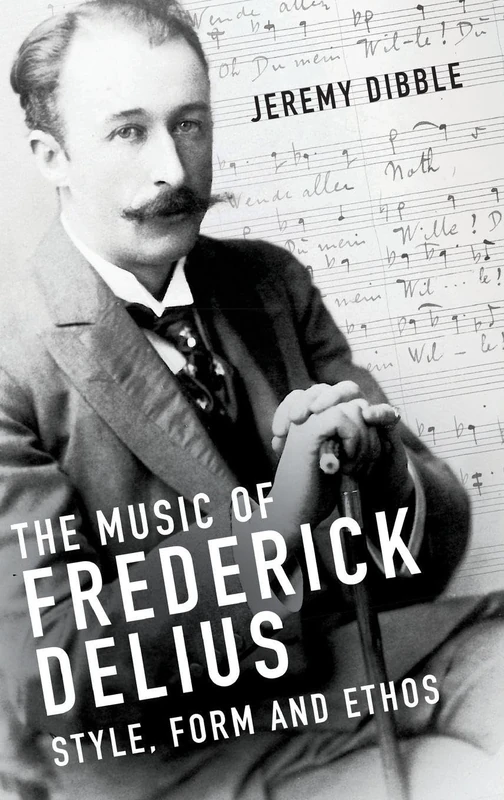
The Music of Frederick Delius: Style, Form and Ethos
Boydell Press

History in Mighty Sounds: Musical Constructions of German National Identity, 1848 -1914 (Music in Society and Culture)
Boydell Press

Bruckner's Fourth: The Biography of a Symphony (Studies in Musical Genesis, Structure, and Interpretation)
Oxford University Press

Ruth Gipps: Anti-Modernism, Nationalism and Difference in English Music
Routledge

Ruth Gipps: Anti-Modernism, Nationalism and Difference in English Music
Routledge

Bach in Berlin: Nation and Culture in Mendelssohn's Revival of the "St. Matthew Passion"
Cornell University Press

After Mahler: Britten, Weill, Henze and Romantic Redemption
Cambridge University Press

Wissende des Unbewussten: Romantische Anthropologie Und Ästhetik Im Werk Richard Wagners: 199 (Studien Zur Deutschen Literatur)
De Gruyter
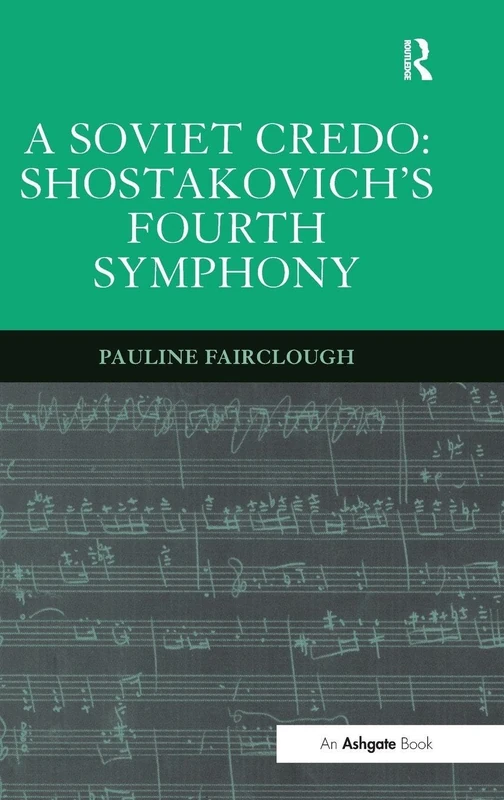
A Soviet Credo: Shostakovich's Fourth Symphony
Routledge

Music, Masculinity and the Austro-German Tradition - Routledge
Routledge
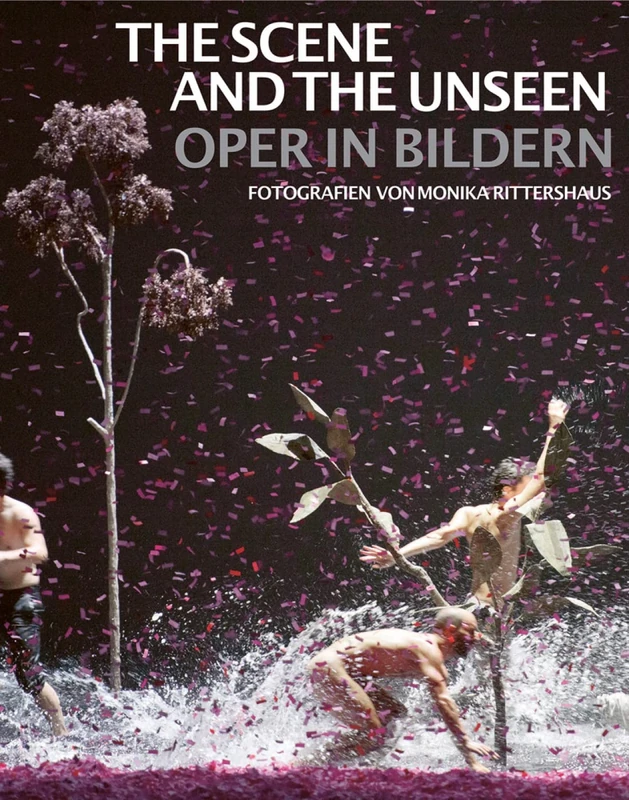
The Scene and the Unseen: Opera in Pictures. Photographs by Monika Rittershaus: Oper in Bildern. Fotografien von Monika Rittershaus
Acc Art Books

One Hundred Years of Music: After Beethoven and Wagner
Routledge

A New Dictionary of Music
Routledge

Wagner: The Complete Experience - Paul Dawson-Bowling Book

Rethinking Mahler
Oxford University Press