We can't find the internet
Attempting to reconnect
Something went wrong
Hang in there while we get back on track
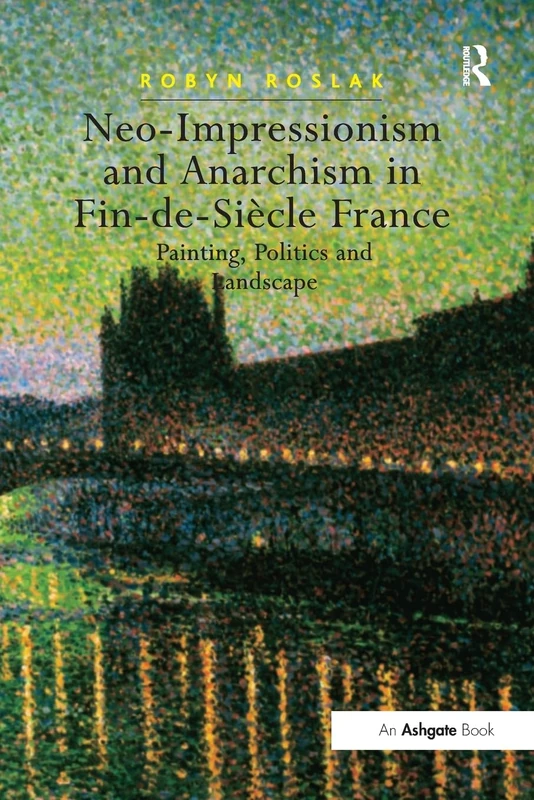
£53.19
Routledge Neo-Impressionism and Anarchism in Fin-de-Siècle France: Painting, Politics and Landscape
Price data last checked 54 day(s) ago - refreshing...
We'll watch every seller, every day. One email when your price arrives.
It has never been this cheap. We have no record of a lower price.
£53 today · cheaper than every other day in the last 3 months
NEW HERE?
Amazon shows you one price. We show you all of them.
Tosheroon watches Amazon prices so you don't have to. Every product on Amazon has a price history — we make it visible. Set the price you'd actually pay, and we'll email you the second it gets there. No app, no account, one email.
WHAT'S ON THIS PAGE
when this has been cheap or pricey
where the price is heading next
all-time high & low, recent range
name your number, we'll email you
Price History & Forecast
Grey patches = out of stock. Cheaper = lower on the chart. Hover for exact prices.
Last 37 days · 37 data points (no recent data)
Price Distribution
Price distribution over 37 days • 1 price levels
Price Analysis
Most common price: £53 (37 days, 100.0%)
Price range: £53 - £53
Price levels: 1 different prices over 37 days
Description
Product Specifications
- Brand
- Routledge
- Format
- paperback
- ASIN
- 1138248398
- Domain
- Amazon UK
- Release Date
- 26 September 2016
- Listed Since
- 24 August 2016
Barcode
No barcode data available
Similar Products You Might Like
Neo-Impressionism and Anarchism in Fin-de-Siècle France: Painting, Politics and Landscape
Routledge
Routledge - A Cultural History of the Modern Age, Vol 3
Routledge
Art and Street Politics in the Global 1960s: Yoshio Nakajima and the Global Avant-Garde (Routledge Studies in the Modern History of Japan)
Routledge
Poses of the World: Void Universalism (Interventions)
Routledge
A Cultural History of the Modern Age: The Crisis of the European Soul: 3
Routledge
Reassembling Activism, Activating Assemblages - Routledge
Routledge
Agonistic Articulations in the 'Creative' City: On New Actors and Activism in Berlin’s Cultural Politics (Routledge Studies in Political Sociology)
Routledge
Badiou, Balibar, Ranciere: Re-thinking Emancipation - Book
By
Timeless Mucha: The Magic of Line

Freedom, Fame, Lying and Betrayal: Essays on Everyday Life
Routledge

Jacques Ellul and the Technological Society in the 21st Century: 13 (Philosophy of Engineering and Technology, 13)
Springer
The Physics of Capitalism: How a New Political Ecology Can Change the World
Monthly Review Press
Revising Green Infrastructure: Concepts Between Nature and Design
CRC Press

Marcuse in the Twenty-First Century: Radical Politics, Critical Theory, and Revolutionary Praxis
Routledge
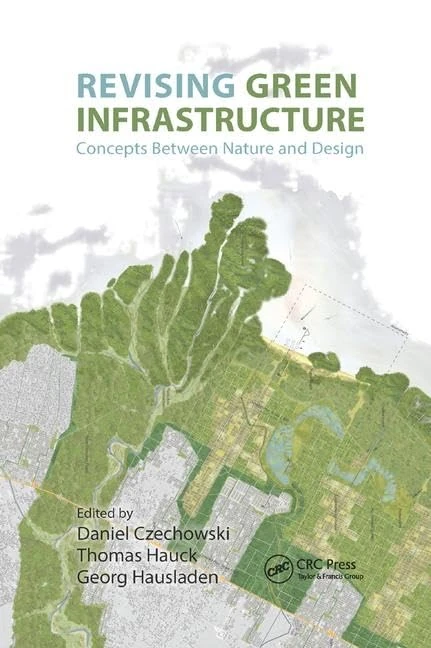
Revising Green Infrastructure: Concepts Between Nature and Design
CRC Press

Constructive Strands in Russian Art 1914-1937 - Pindar Press
Pindar Press
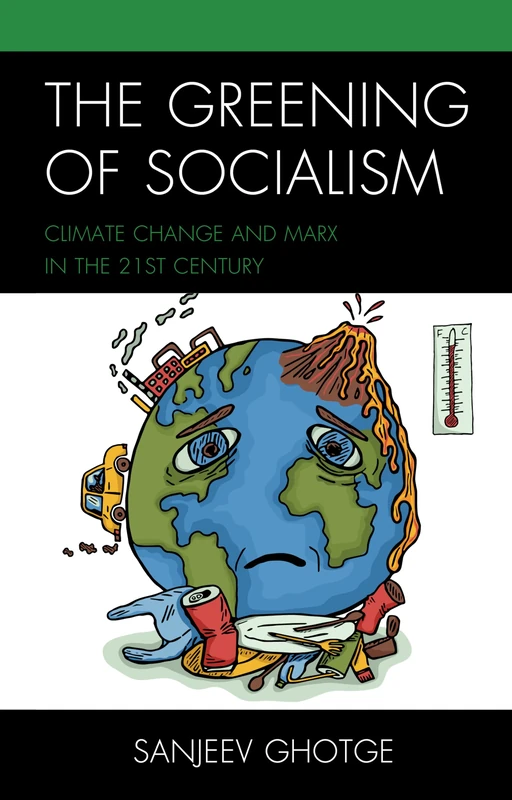
The Greening of Socialism: Climate Change and Marx in the 21st Century
Bloomsbury

Martin Kippenberger: Everything Is Everywhere
MIT Press
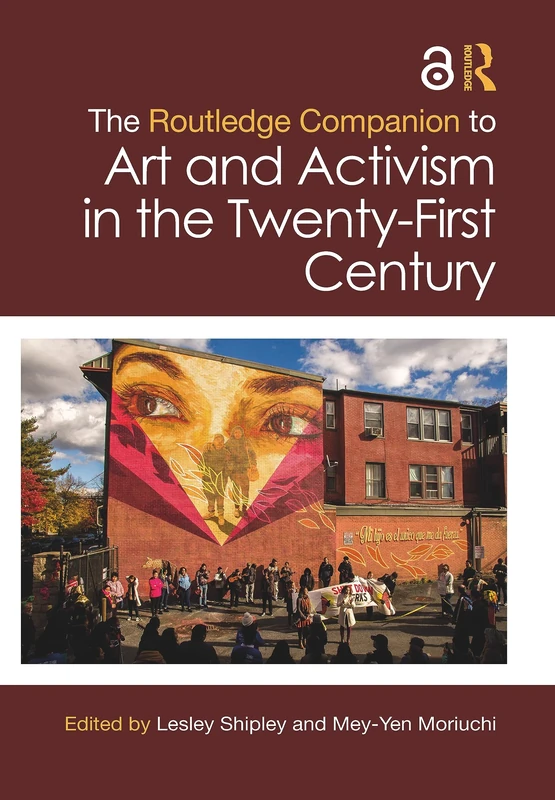
The Routledge Companion to Art and Activism in the Twenty-First Century (Routledge Art History and Visual Studies Companions)
Routledge
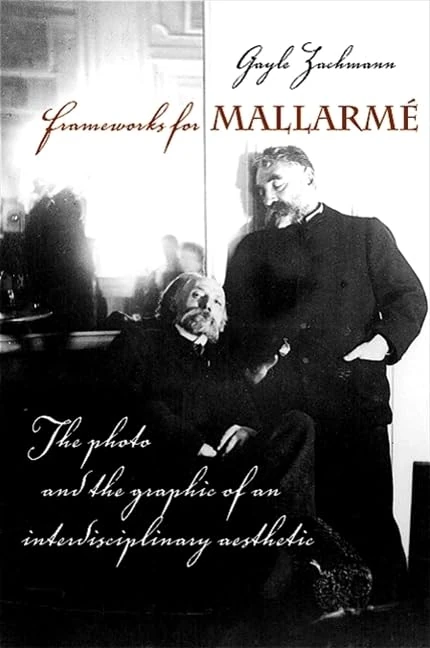
Frameworks for Mallarmé: The Photo and the Graphic of an Interdisciplinary Aesthetic
State University of New York Press

May Alcott Nieriker, Author and Advocate: Travel Writing and Transformation in the Late Nineteenth Century (Anthem Studies in Travel)
Anthem Press
Creative Economies in Post-Industrial Cities: Manufacturing a (Different) Scene (Re-Materialising Cultural Geography)
Routledge
Creative Economies in Post-Industrial Cities: Manufacturing a (Different) Scene (Re-Materialising Cultural Geography)
Routledge
The Beginnings of Critical Realism in America: Main Currents in American Thought
Routledge