We can't find the internet
Attempting to reconnect
Something went wrong
Hang in there while we get back on track
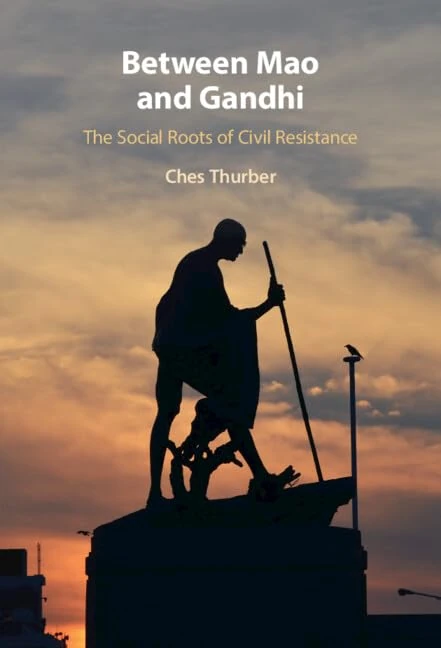
£71.31
About as cheap as it gets — within 5% of the all-time low it hit 2 months ago.
£71 today · all-time low £71 (Jul 2026) · usually £71
Cambridge University Press Between Mao and Gandhi: The Social Roots of Civil Resistance (Cambridge Studies in Contentious Politics)
Price data last checked 30 day(s) ago - will refresh soon
We'll watch every seller, every day. One email when your price arrives.
Price History & Forecast
Grey patches = out of stock. Cheaper = lower on the chart. Hover for exact prices.
Last 61 days · 61 data points (no recent data)
Price data last checked 30 day(s) ago - will refresh soon
NEW HERE?
Amazon shows you one price. We show you all of them.
Tosheroon watches Amazon prices so you don't have to. Every product on Amazon has a price history — we make it visible. Set the price you'd actually pay, and we'll email you the second it gets there. No app, no account, one email.
WHAT'S ON THIS PAGE
when this has been cheap or pricey
where the price is heading next
all-time high & low, recent range
name your number, we'll email you
Price Distribution
Price distribution over 61 days • 2 price levels
Price Analysis
Most common price: £71 (58 days, 95.1%)
Price range: £71 - £72
Price levels: 2 different prices over 61 days
Description
Product Specifications
- Format
- hardcover
- ASIN
- 1108844065
- Domain
- Amazon UK
- Release Date
- 30 September 2021
- Listed Since
- 14 March 2021
Barcode
No barcode data available
Similar Products You Might Like
Why Civil Resistance Works: The Strategic Logic of Nonviolent Conflict (Columbia Studies in Terrorism and Irregular Warfare)
Columbia University Press
Civil Resistance and Conflict Transformation: Transitions from armed to nonviolent struggle (Routledge Studies in Peace and Conflict Resolution)
Routledge
Civil Resistance and Conflict Transformation - Routledge Studies
Routledge
Right to Resist, The: Philosophies of Dissent
Bloomsbury
People's War: Variants and Responses - Routledge Military History
Routledge
India and Counterinsurgency: Lessons Learned (Asian Security Studies)
Routledge

Strangers at the Gates: Movements and States in Contentious Politics
Cambridge University Press
People’s War: Variants and Responses
Routledge
Social Movements and Civil War: When Protests for Democratization Fail (Routledge Studies in Civil Wars and Intra-State Conflict)
Routledge
Social Movements and Civil War: When Protests for Democratization Fail (Routledge Studies in Civil Wars and Intra-State Conflict)
Routledge
Why Men Rebel
Routledge
Contention and Regime Change in Asia: Contrasting Dynamics in Indonesia, South Korea, and Thailand (Challenges to Democracy in the 21st Century)
MACMILLAN
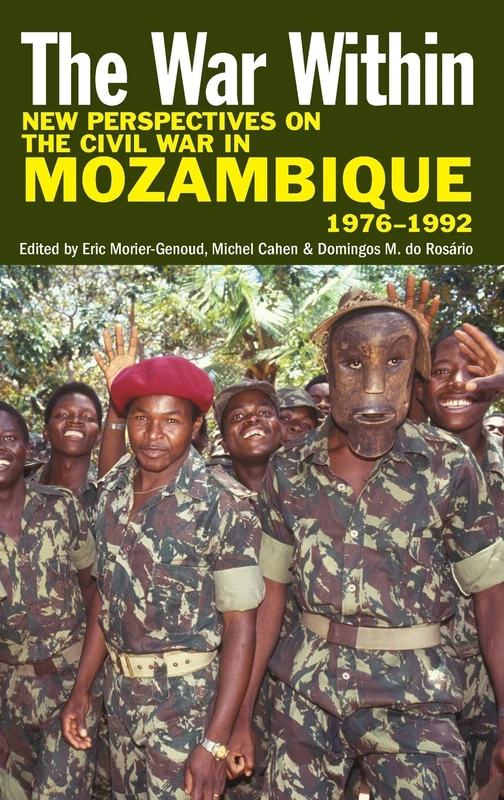
The War Within: New Perspectives on the Civil War in Mozambique, 1976-1992
James Currey
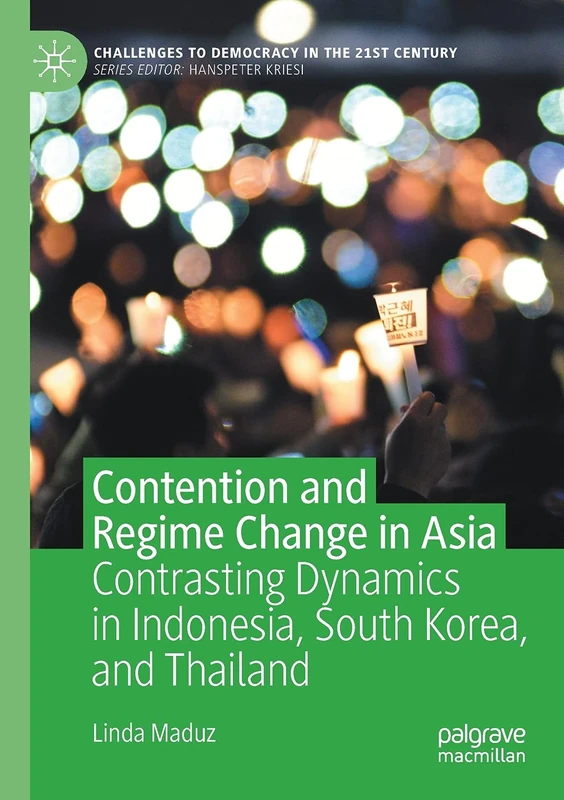
Contention and Regime Change in Asia: Contrasting Dynamics in Indonesia, South Korea, and Thailand (Challenges to Democracy in the 21st Century)
MACMILLAN
The Economics of Political Violence: The Effect of Political Instability on Economic Growth
Bloomsbury
Understanding Civil Wars: Continuity and change in intrastate conflict (Routledge Studies in Civil Wars and Intra-State Conflict)
Routledge
Understanding Civil Wars: Continuity and change in intrastate conflict (Routledge Studies in Civil Wars and Intra-State Conflict)
Routledge
The Art of Insurgency: American Military Policy and the Failure of Strategy in Southeast Asia
Bloomsbury
Violence in Post-Conflict Societies: Remarginalization, Remobilizers and Relationships (Routledge Studies in Intervention and Statebuilding)
Routledge
Why Women Rebel: Understanding Women's Participation in Armed Rebel Groups (Routledge Studies in Gender and Global Politics)
Routledge
Bygone Utopias and Farm Protest in the Rural Midwest: Returning Home
MACMILLAN
Conflict: Violence and Nonviolence - Routledge Reference
Routledge
Armed Organizations and Political Elites in Civil Wars: Pathways to Power in Syria and Iraq (Routledge Studies in Civil Wars and Intra-State Conflict)
Routledge

Roving Revolutionaries: Armenians and the Connected Revolutions in the Russian, Iranian, and Ottoman Worlds
University of California Press