We can't find the internet
Attempting to reconnect
Something went wrong
Hang in there while we get back on track
£86.82
This is the usual price. Wait for it to drop, or tell us your number.
£87 today · usual range £77–£96 · best ever £77
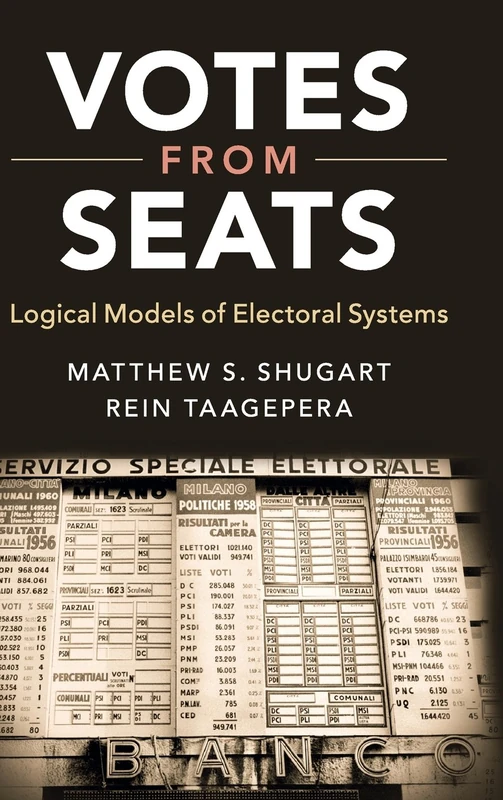
Cambridge University Press Votes from Seats: Logical Models of Electoral Systems
Price data last checked 29 day(s) ago - will refresh soon
We'll watch every seller, every day. One email when your price arrives.
Price History & Forecast
Grey patches = out of stock. Cheaper = lower on the chart. Hover for exact prices.
Last 62 days · 62 data points (no recent data)
Price data last checked 29 day(s) ago - will refresh soon
NEW HERE?
Amazon shows you one price. We show you all of them.
Tosheroon watches Amazon prices so you don't have to. Every product on Amazon has a price history — we make it visible. Set the price you'd actually pay, and we'll email you the second it gets there. No app, no account, one email.
WHAT'S ON THIS PAGE
when this has been cheap or pricey
where the price is heading next
all-time high & low, recent range
name your number, we'll email you
Price Distribution
Price distribution over 62 days • 8 price levels
Price Analysis
Most common price: £88 (20 days, 32.3%)
Price range: £77 - £96
Price levels: 8 different prices over 62 days
Description
Product Specifications
- Format
- hardcover
- ASIN
- 1108417027
- Domain
- Amazon UK
- Release Date
- 19 October 2017
- Listed Since
- 11 April 2017
Barcode
No barcode data available
Similar Products You Might Like
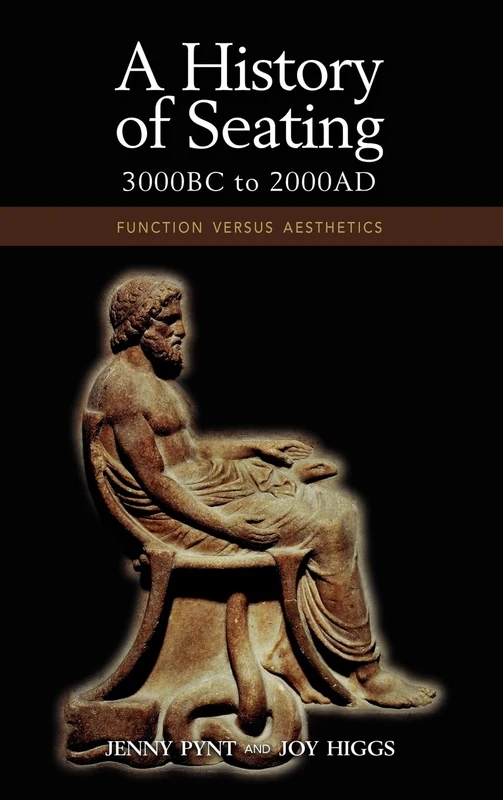
A History of Seating, 3000 BC to 2000 AD: Function Versus Aesthetics
Cambria Press
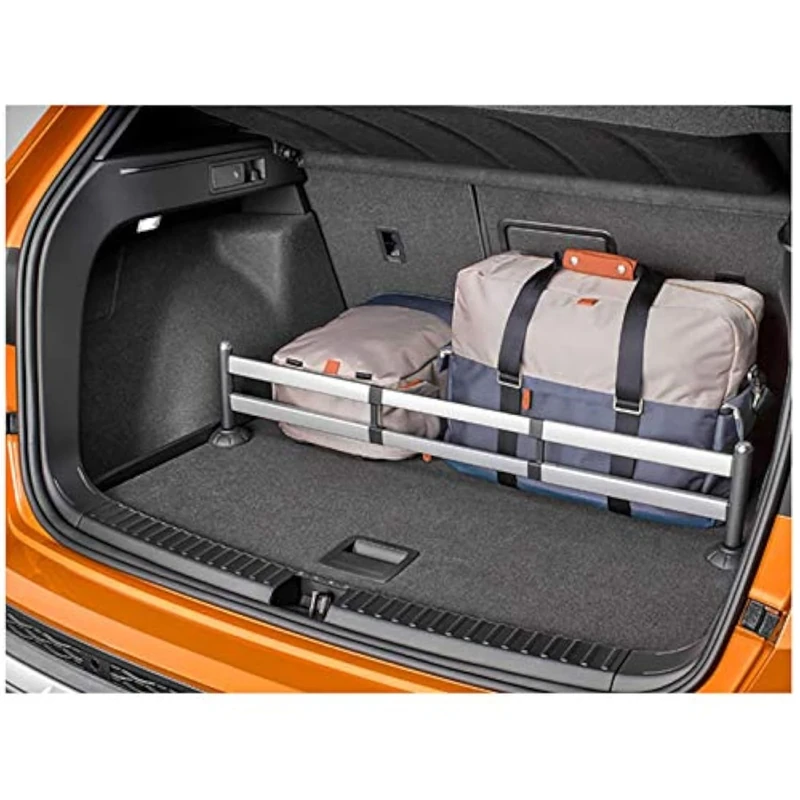
Seat 575061205A Divider Cargo Compartment Divider Element Boot Organiser (Only Double Loading Floor)
Seat
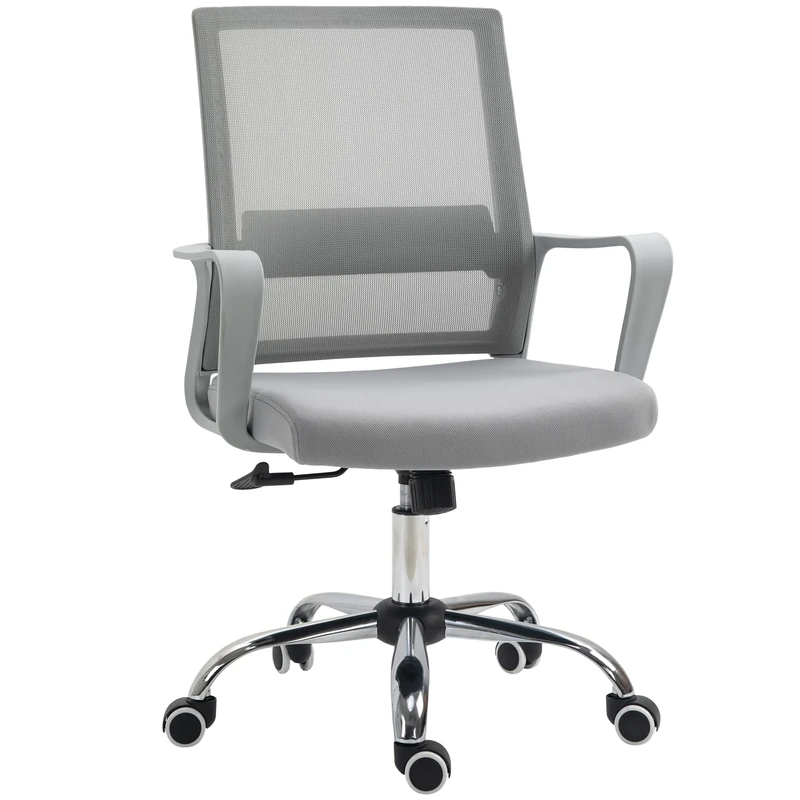
Vinsetto Office Chair Adjustable Height Mesh Desk Chair Armrest Grey
Vinsetto
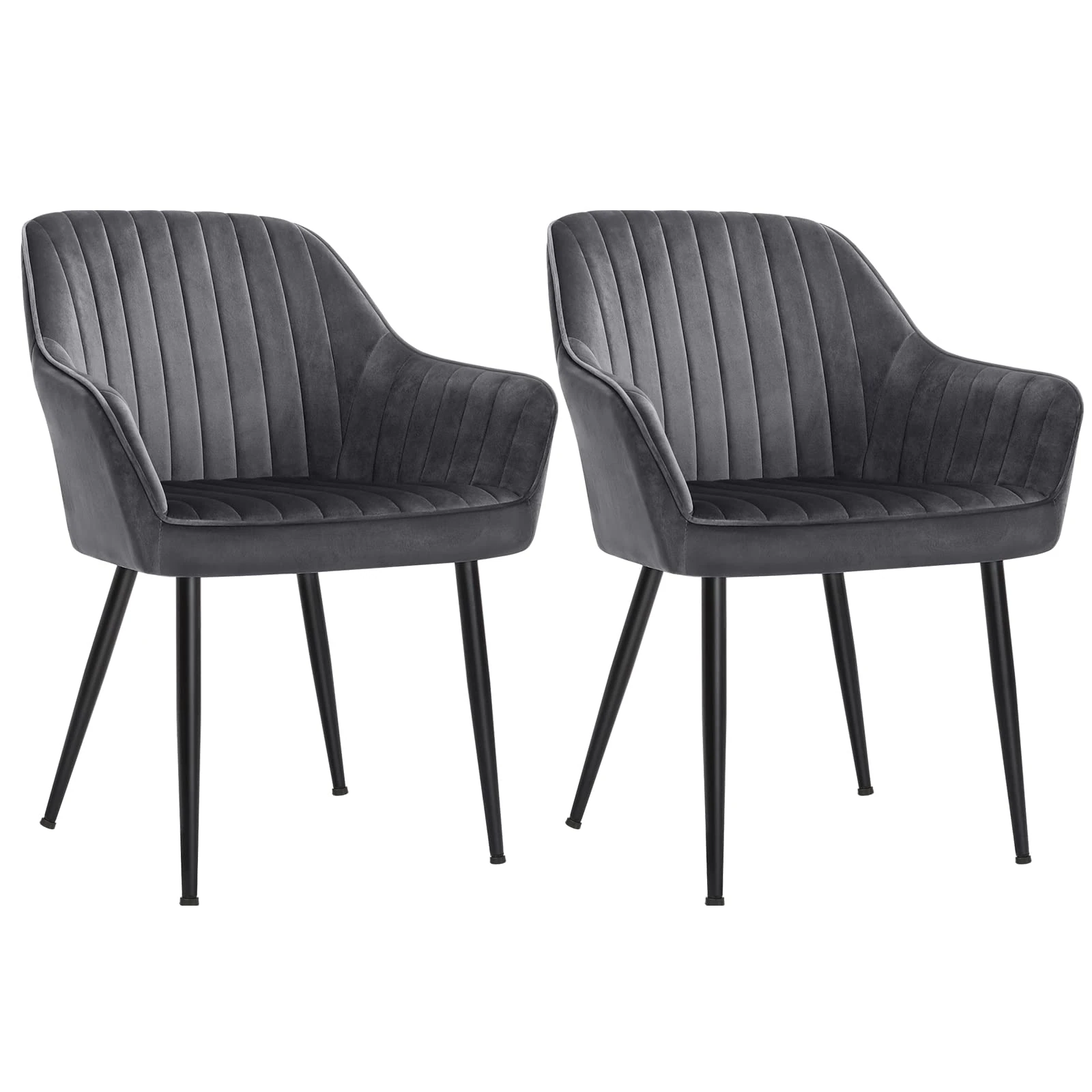
SONGMICS Dining Chairs Set of 2 - Velvet Armchairs, 120kg Load
SONGMICS
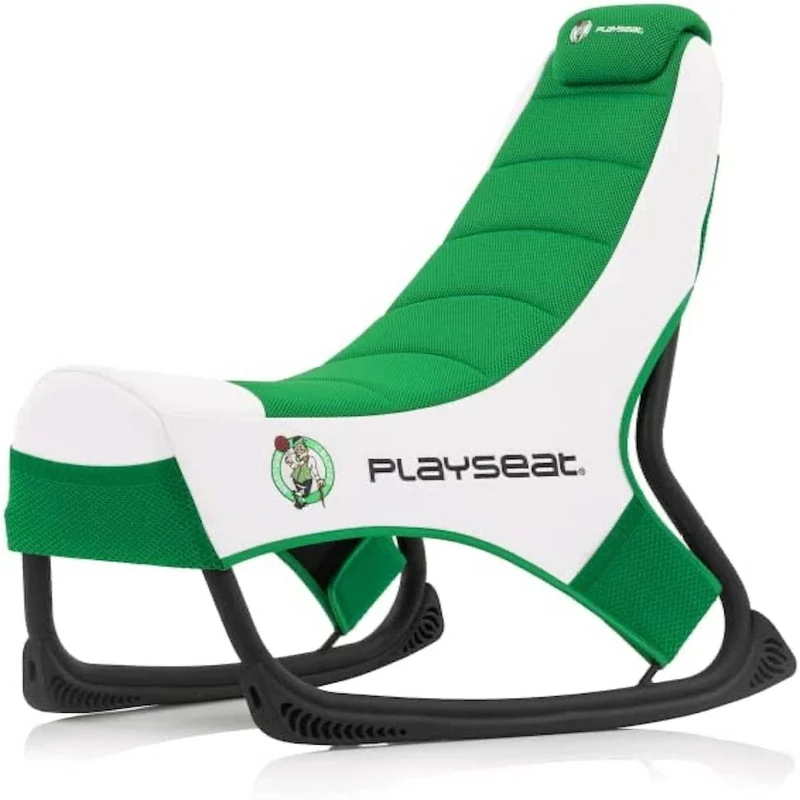
Playseat NBA Boston Celtics Gaming Chair - Multi-Platform
Playseat
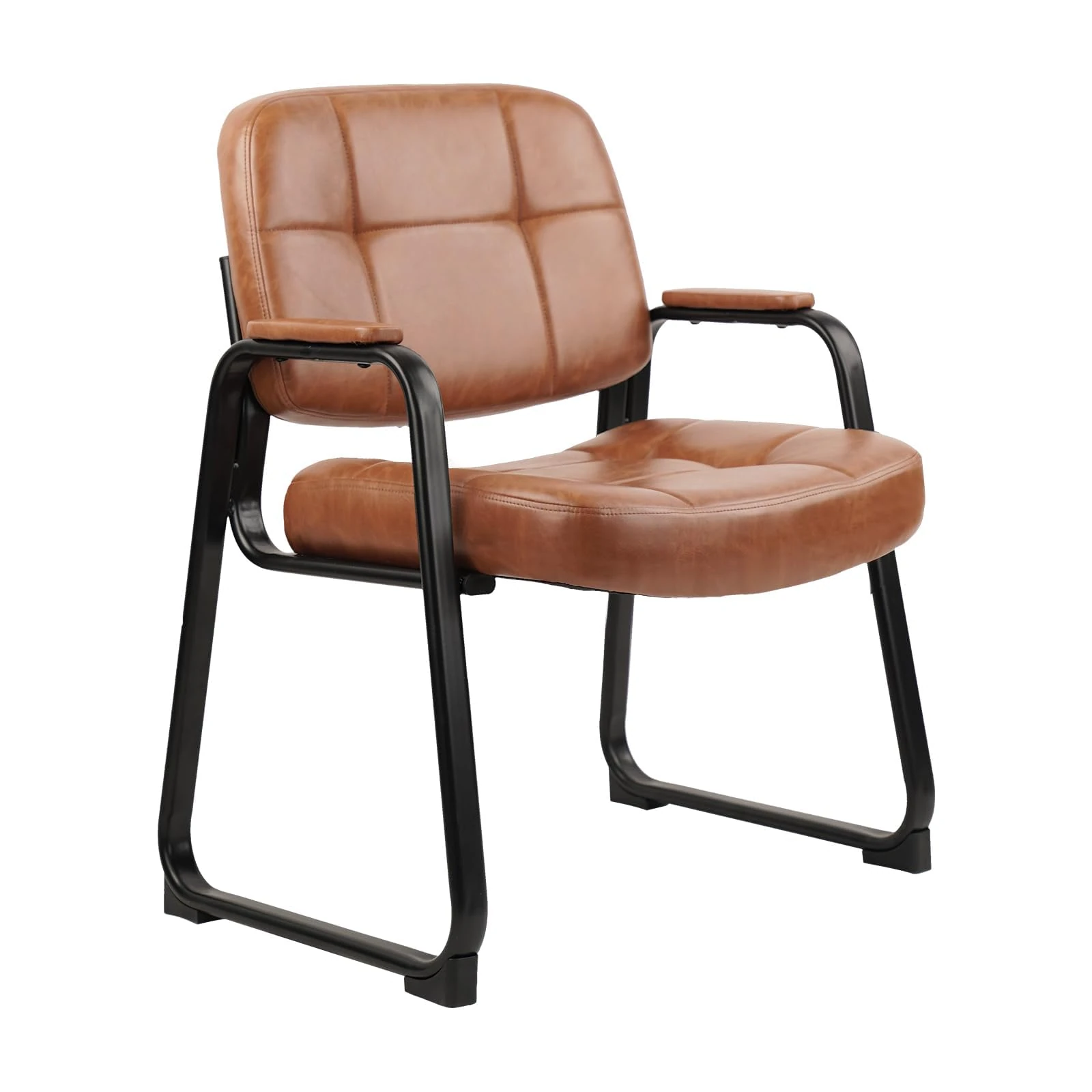
CLATINA Big & Tall 500 lbs Guest Chair - 8 Pack Reception Seating
CLATINA
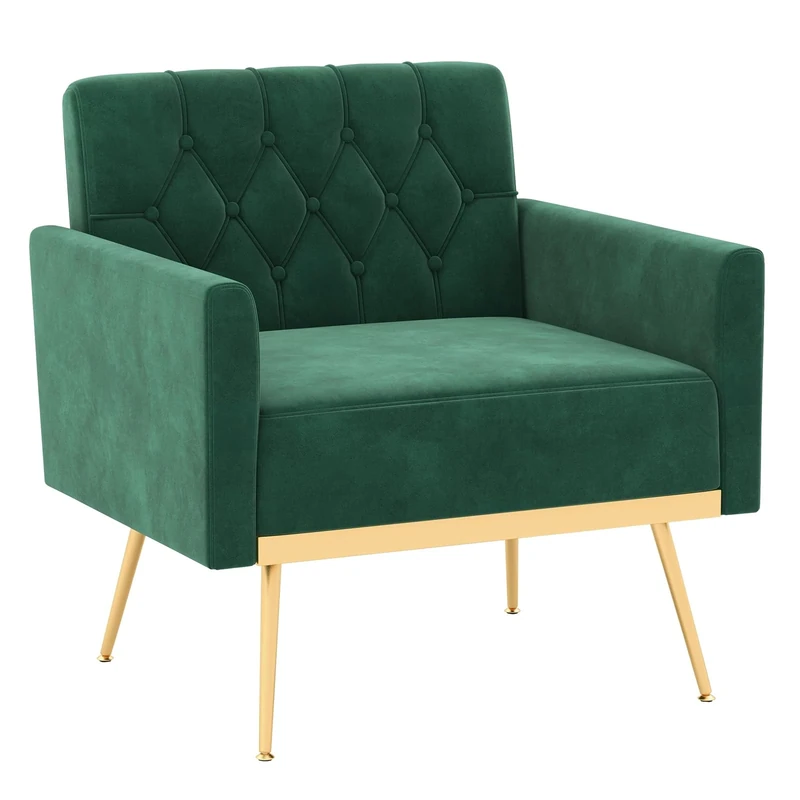
COSTWAY Velvet Accent Chair - Button-Tufted Green Armchair
COSTWAY
Price unavailable
HomeTouch Set of 6 Grey Velvet Dining Chairs with Oak Legs
HomeTouch
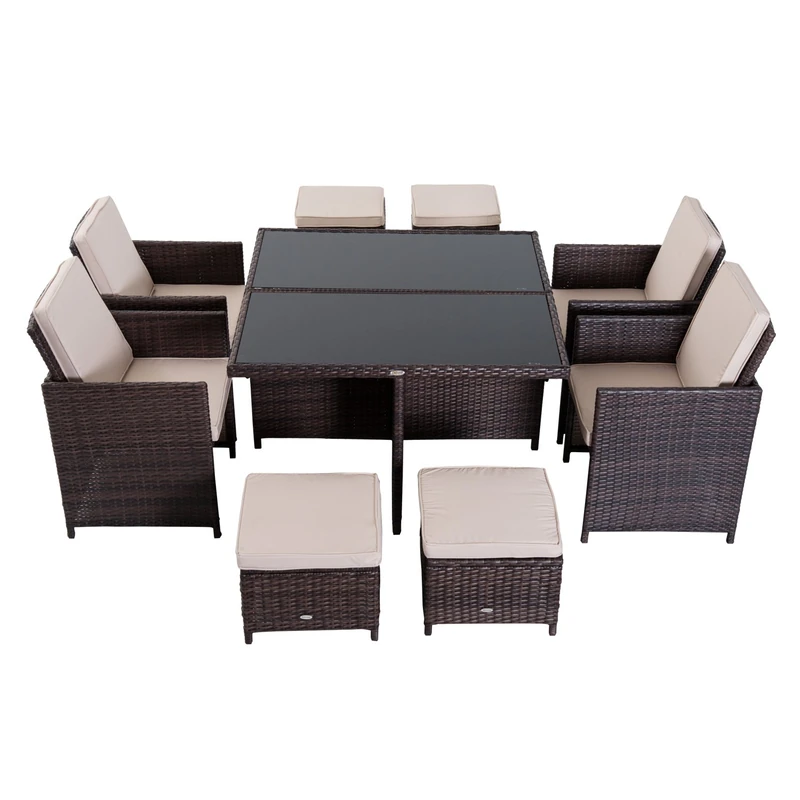
Outsunny 9PC Wicker Furniture Outdoor Rattan Dining Set Easy Storage Garden Table Chairs with Foot Stool Thick Cushion - Brown
Outsunny
Price unavailable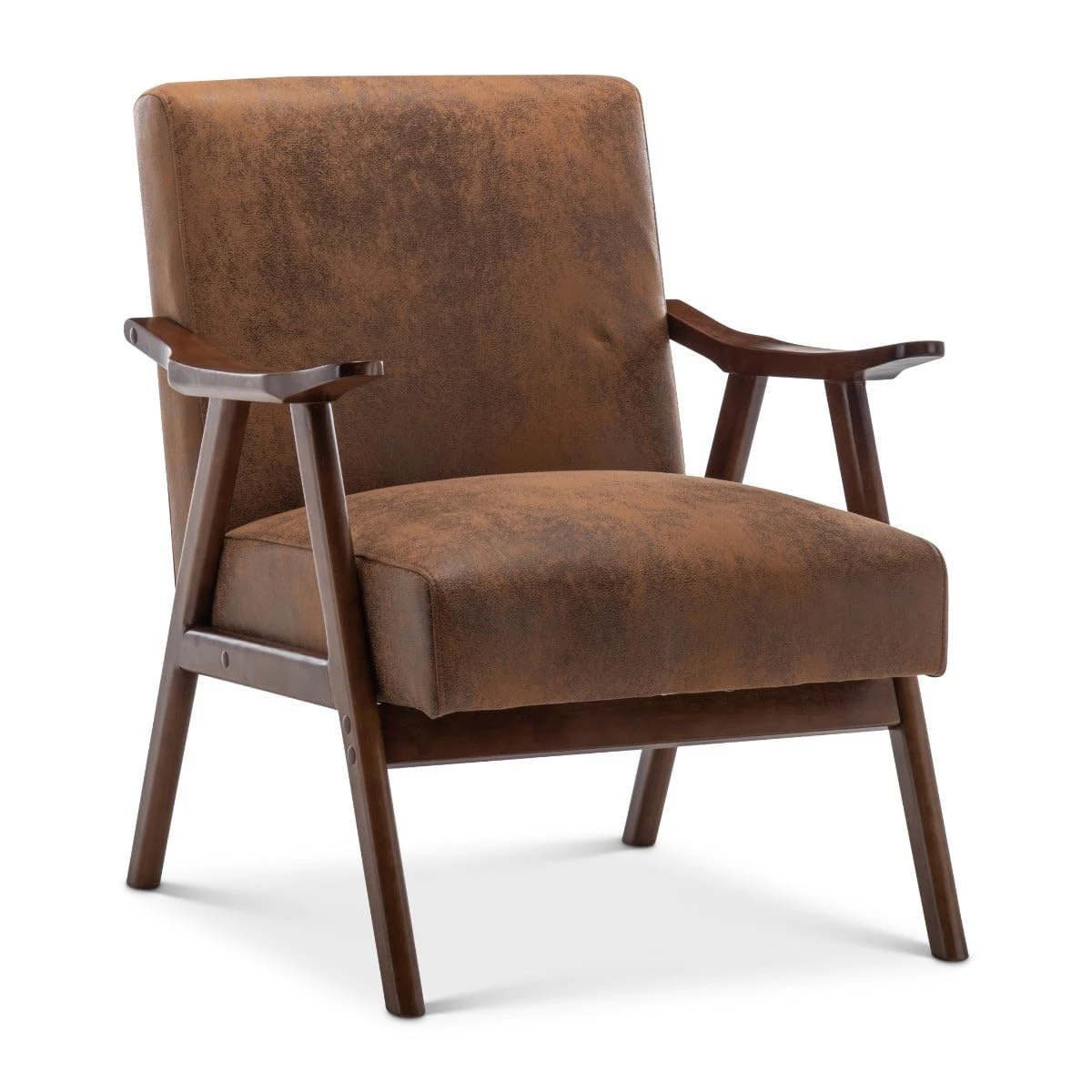
Stunning Chairs Retro Wooden Armchair - Brown Faux Suede
Stunning Chairs
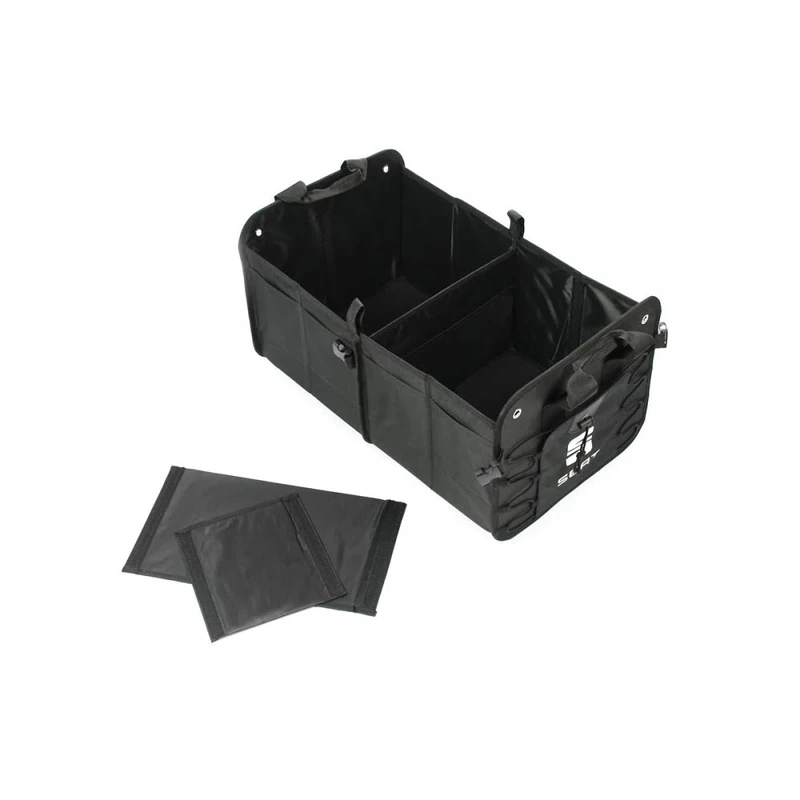
Seat 000061109F Storage Box Boot Box Transport Box Shopping Basket
Seat
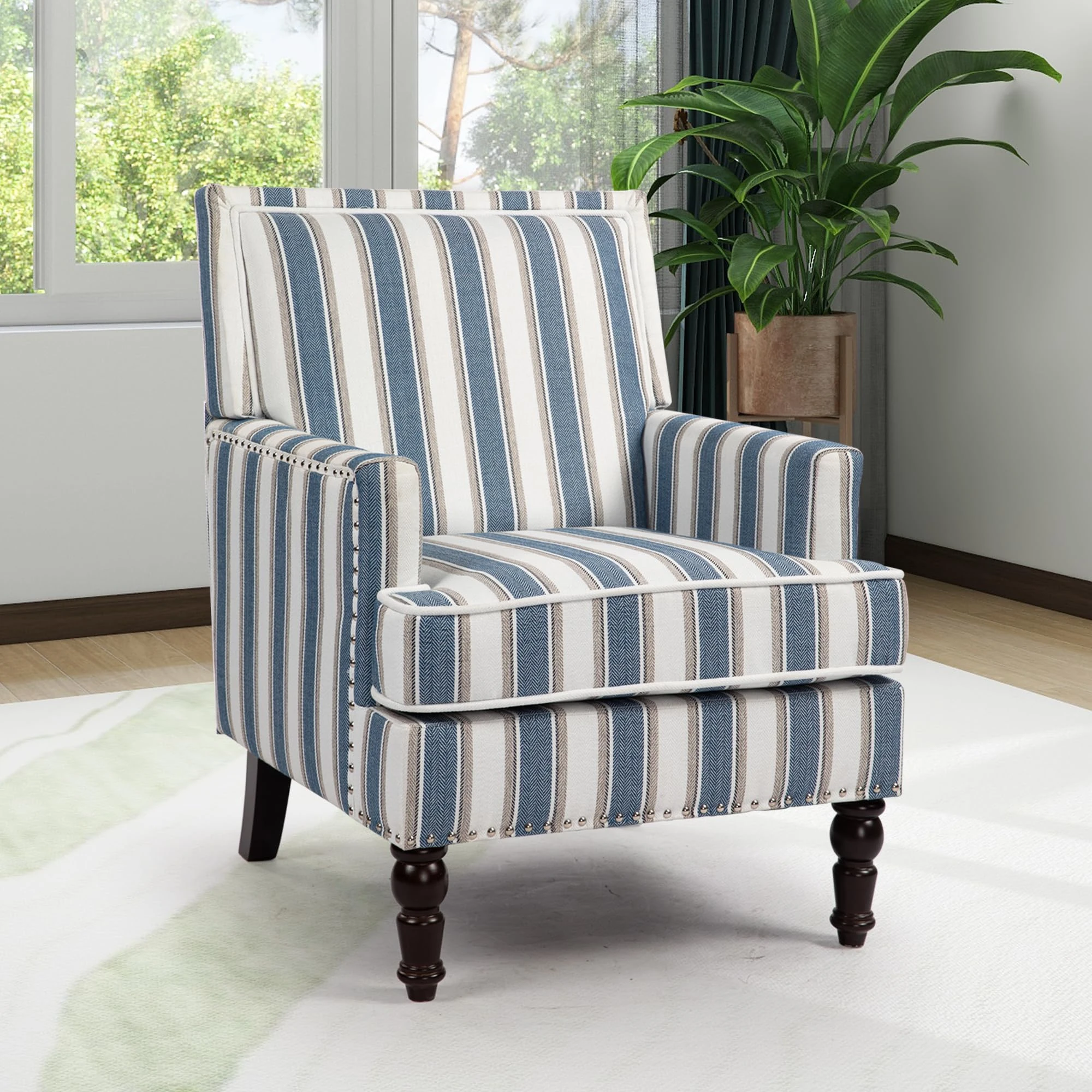
WakeZero Modern Mid-Century Accent Chair - Blue Stripe
WakeZero
Price unavailable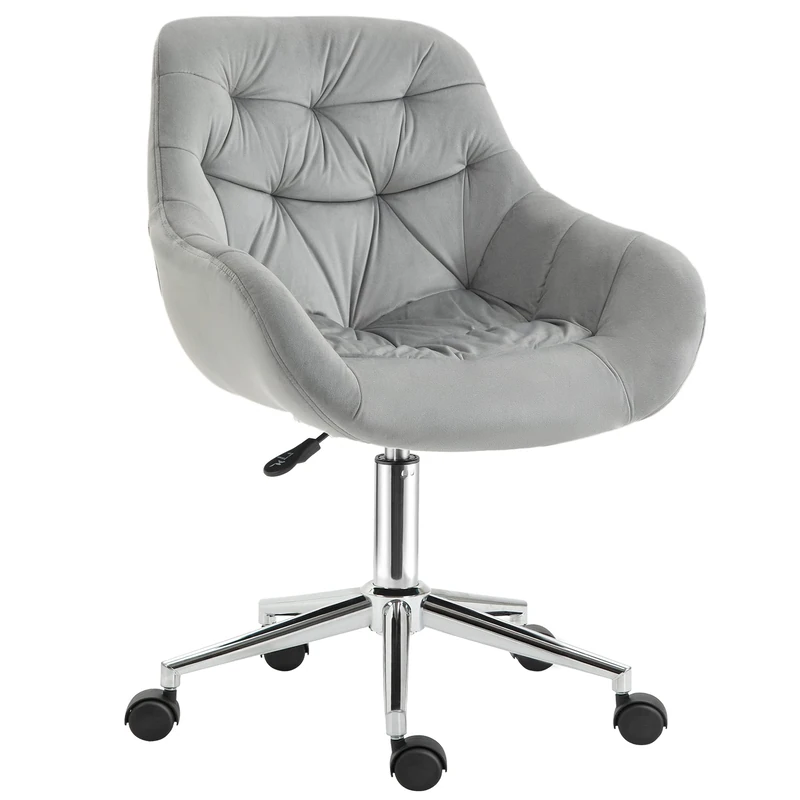
Vinsetto Home Office Chair Velvet Ergonomic Computer Chair Comfy Desk Chair with Adjustable Height, Arm and Back Support, Grey
Vinsetto
Price unavailable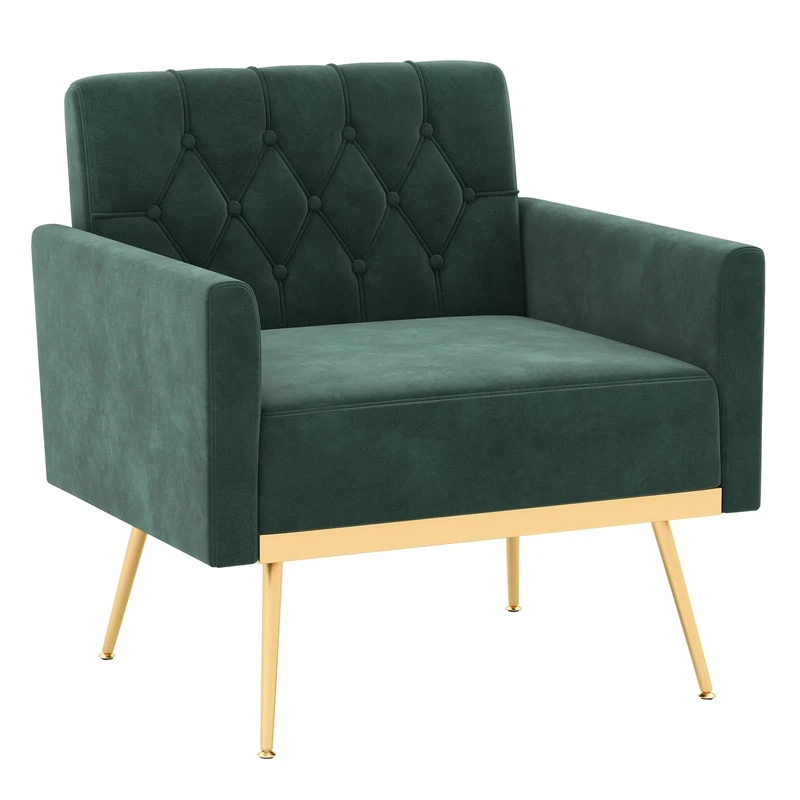
COSTWAY Velvet Accent Chair - Dark Green Button-Tufted Armchair
COSTWAY
Price unavailable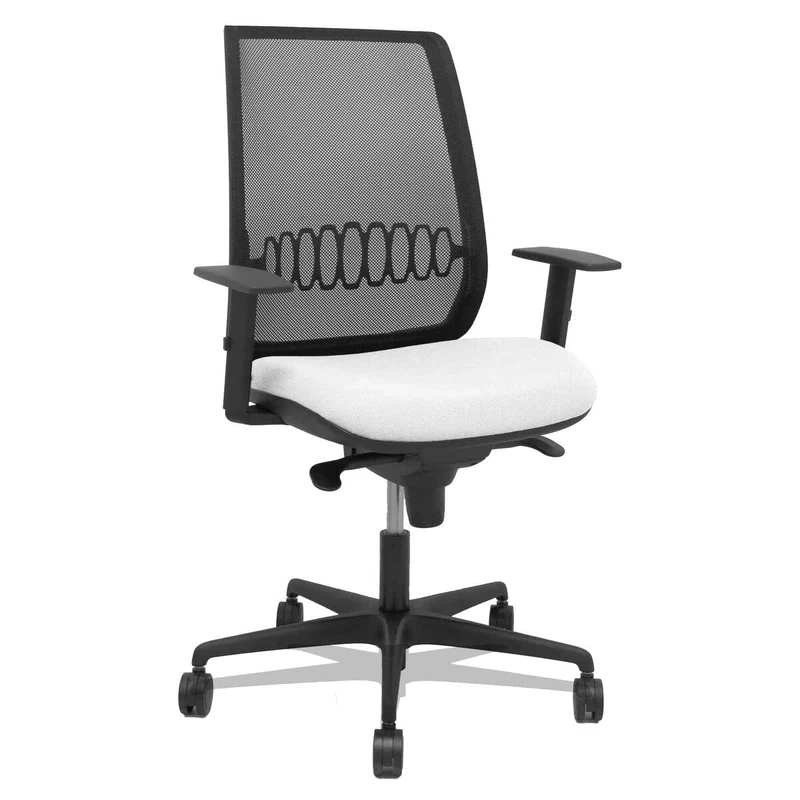
P&C Office Chair Alares 0B68R65 White
Piqueras y Crespo
Price unavailable
INMOZATA Linen Tub Chair - Beige Armchair with Wooden Legs
INMOZATA
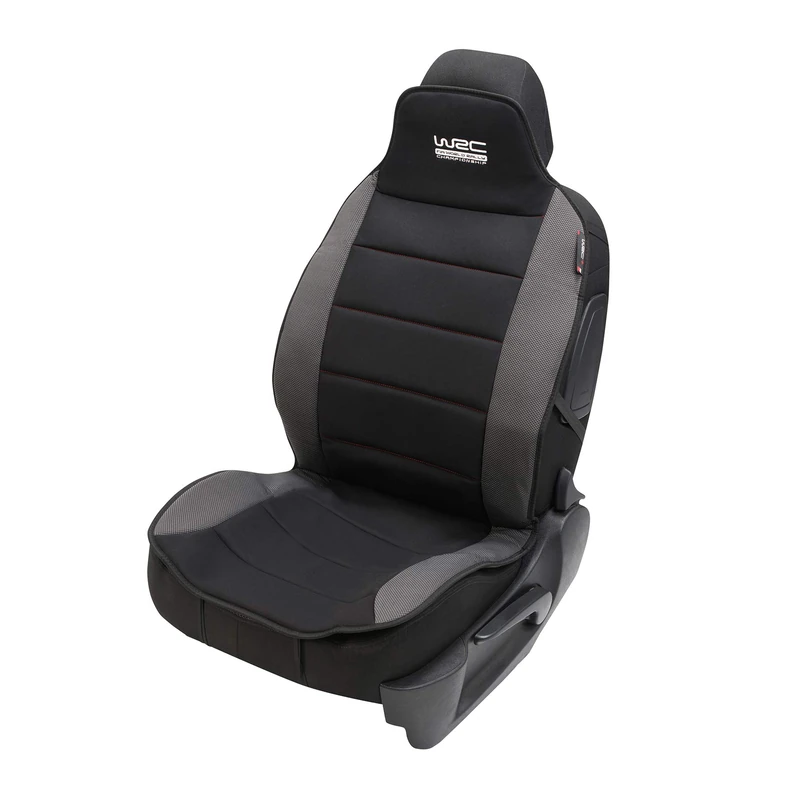
WRC 007591 Car Seat Cover
WRC
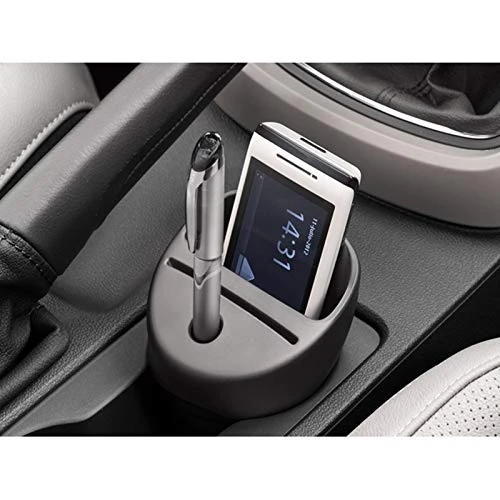
Seat 1SL061129 Multi-Function Shelf Cup Holder Centre Console Shelf
Seat
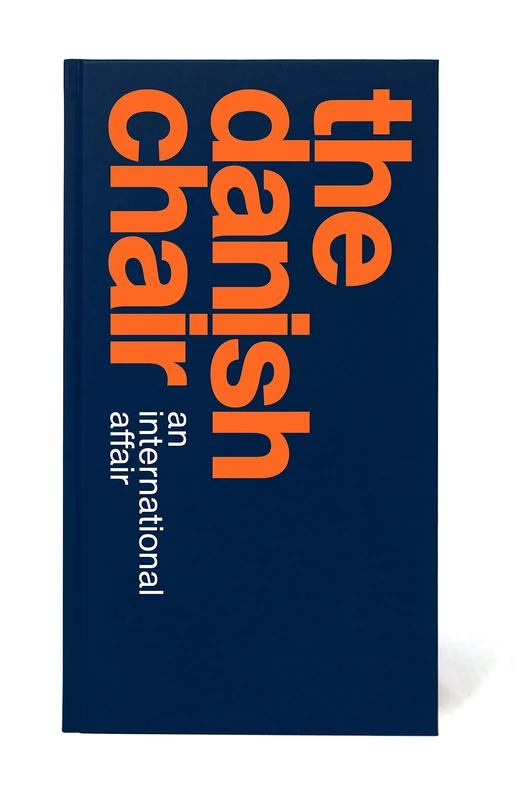
The Danish Chair: an international affair
Thames & Hudson
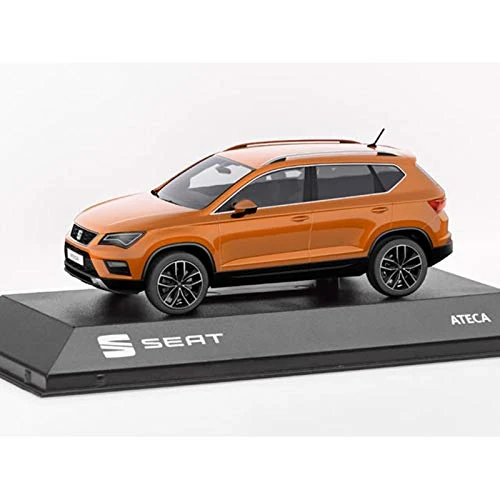
Seat Ateca 1:43 Model Car - Samoa Orange Diecast Miniature
Seat
Price unavailable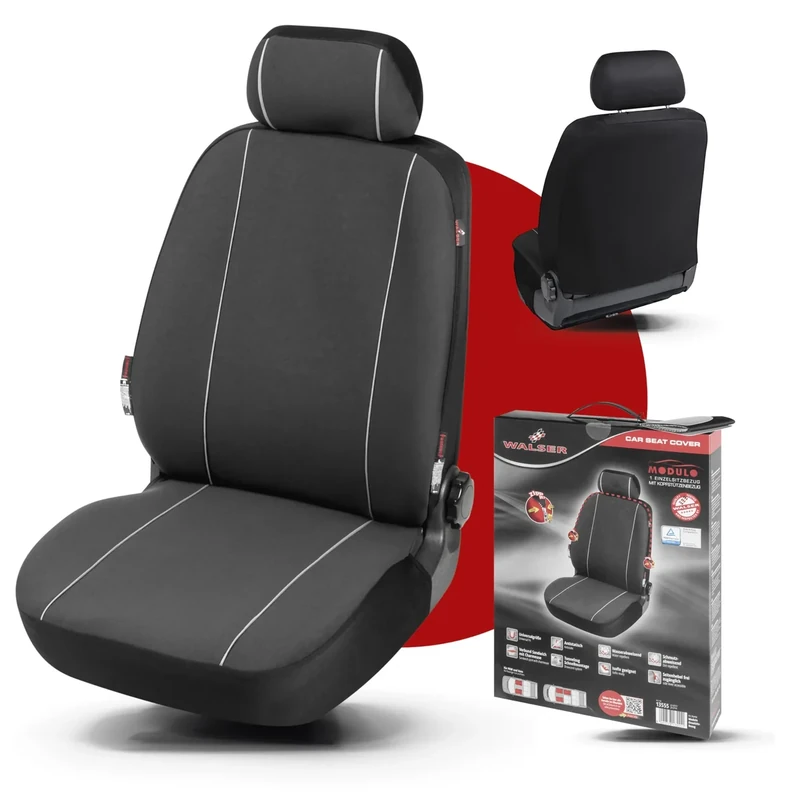
Walser Modulo Car Seat Covers 2 Front Seat Covers, Universal Car Seat Covers for Normal Seats, Car Seat Protectors, Black
Walser

WOLTU Set of 6 Dark Grey Velvet Dining Chairs with Steel Legs
WOLTU
Price unavailable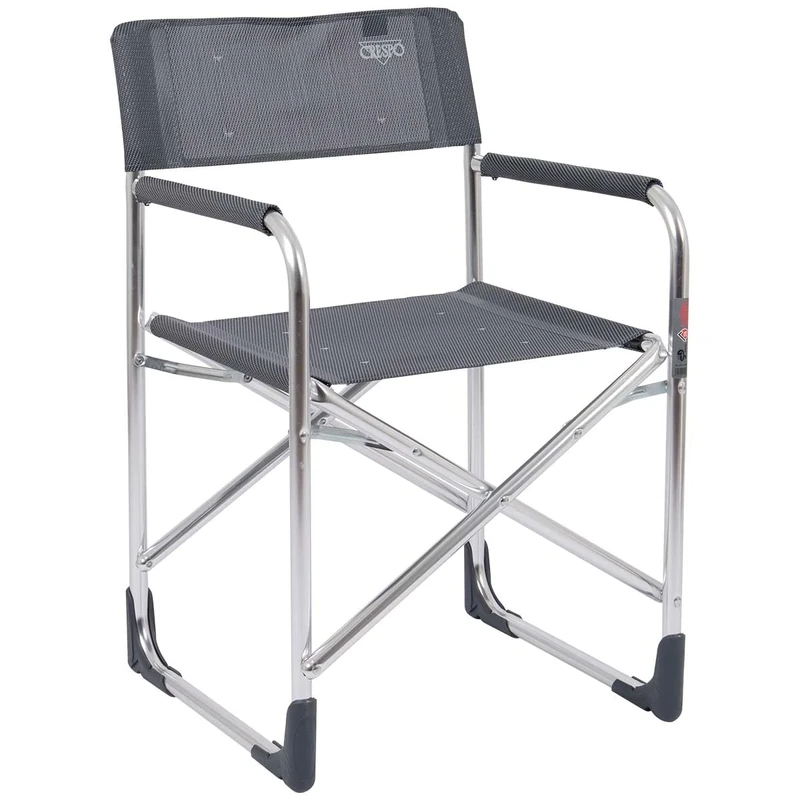
Crespo AL-214 Dark Grey Camping Seat - Compact Folding Chair
Crespo

PUMPIE Round Office Table and 4 Chairs Set - Dark Gray
PUMPIE