We can't find the internet
Attempting to reconnect
Something went wrong
Hang in there while we get back on track
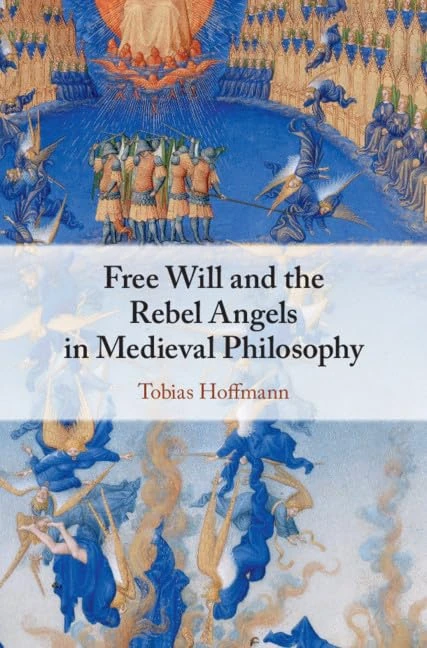
£97.99
This is the most expensive it has ever been. Walk away.
£98 today · previous high £98 · all-time low £92
Cambridge University Press Free Will and the Rebel Angels in Medieval Philosophy
We'll watch every seller, every day. One email when your price arrives.
Price History & Forecast
Grey patches = out of stock. Cheaper = lower on the chart. Hover for exact prices.
Last 60 days · 60 data points (no recent data)
NEW HERE?
Amazon shows you one price. We show you all of them.
Tosheroon watches Amazon prices so you don't have to. Every product on Amazon has a price history — we make it visible. Set the price you'd actually pay, and we'll email you the second it gets there. No app, no account, one email.
WHAT'S ON THIS PAGE
when this has been cheap or pricey
where the price is heading next
all-time high & low, recent range
name your number, we'll email you
Price Distribution
Price distribution over 60 days • 3 price levels
Price Analysis
Most common price: £92 (44 days, 73.3%)
Price range: £92 - £98
Price levels: 3 different prices over 60 days
Description
Product Specifications
- Format
- hardcover
- ASIN
- 110715538X
- Category
- Books > Subjects > History
- Domain
- Amazon UK
- Release Date
- 03 December 2020
- Listed Since
- 17 June 2020
Barcode
No barcode data available
Similar Products You Might Like

Aquinas (Arguments of the Philosophers)
Routledge
A Companion to Philosophy in the Middle Ages: 54 (Wiley Companions to Philosophy)
Wiley
Augustine and Wittgenstein (Augustine in Conversation: Tradition and Innovation)
Lexington Books
Routledge Debates in Medieval Philosophy - Essential Readings
Routledge
Inexcusabiles: Salvation and the Virtues of the Pagans in the Early Modern Period: 229 (International Archives of the History of Ideas Archives internationales d'histoire des idées, 229)
Springer
Animal Minds in Medieval Latin Philosophy: A Sourcebook from Augustine to Wodeham: 27 (Studies in the History of Philosophy of Mind, 27)
Springer
The Language of Thought in Late Medieval Philosophy: Essays in Honor of Claude Panaccio: 5 (Historical-Analytical Studies on Nature, Mind and Action, 5)
Springer
Rituals for the Dead: Religion and Community in the Medieval University of Paris (Conway Lectures in Medieval Studies)
University of Notre Dame Press

History of Theology Volume II: The Middle Ages: 2
Liturgical Press
Don't Think for Yourself - Medieval Philosophy Book
University of Notre Dame Press
Debates in Medieval Philosophy: Essential Readings and Contemporary Responses (Key Debates in the History of Philosophy)
Routledge
Medieval Philosophy: A Multicultural Reader
Bloomsbury
Life, the Universe, and Everything: An Aristotelian Philosophy for a Scientific Age
Cascade Books

Philosophy for A2 Unit 3 - AQA Syllabus Textbook
Routledge
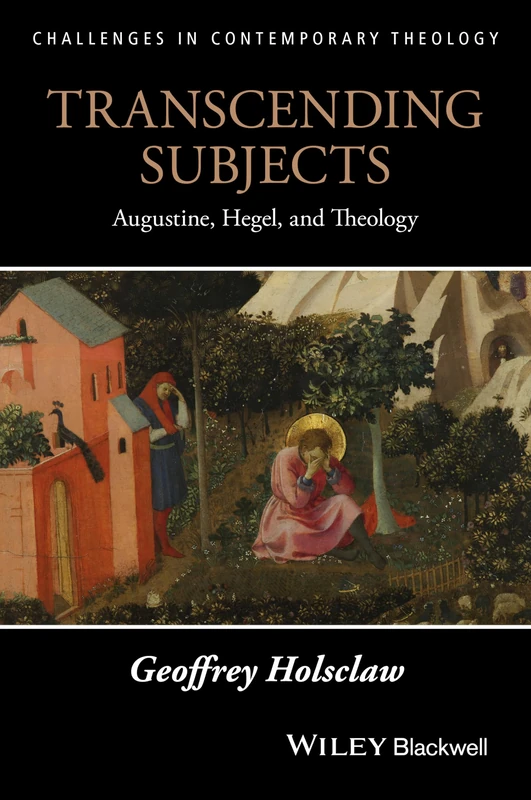
Transcending Subjects: Augustine, Hegel, and Theology (Challenges in Contemporary Theology)
Wiley
Philosophical Horizons: Introductory Readings
Cengage Learning
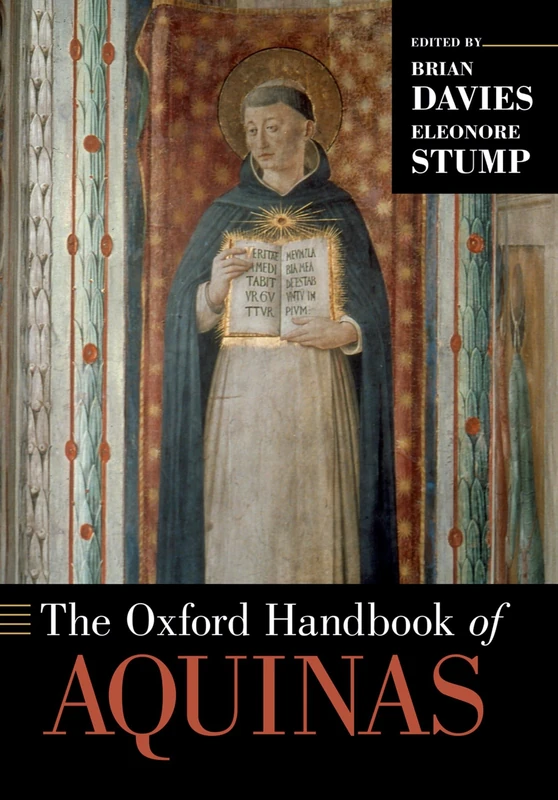
The Oxford Handbook of Aquinas (Oxford Handbooks)
Oxford University Press

Essays in Later Medieval French Literature: The Legacy of Jane H. M. Taylor (Durham Modern Languages Series)
Manchester University Press
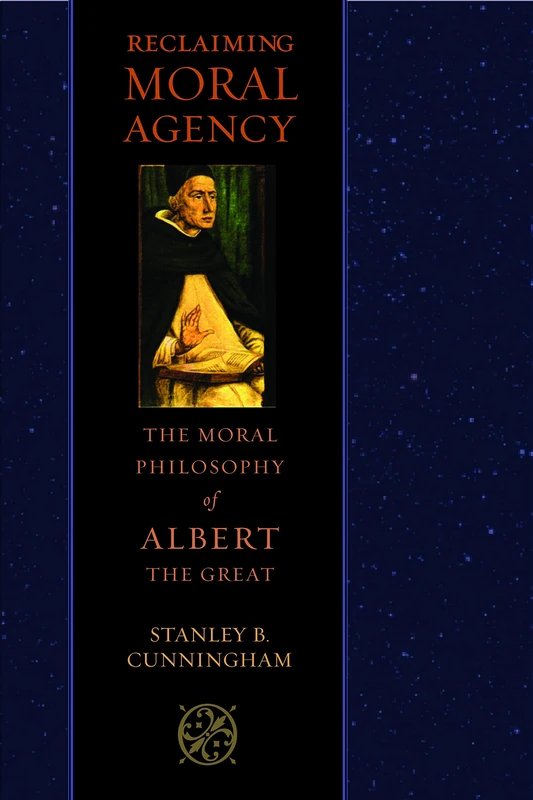
Reclaiming Moral Agency: The Moral Philosophy of Albert the Great
Catholic University of America Press

Machines of the Mind: Personification in Medieval Literature
University of Chicago Press

Regards sur les traditions philosophiques (XIIe-XVIe siècles): 56 (Ancient and Medieval Philosophy - Series 1, 56)
Leuven University Press
New Takes in Film-Philosophy
MACMILLAN
Richard Rorty: Outgrowing Modern Nihilism
MACMILLAN
Medieval and Early Modern Epistemology: After Certainty (Volume 17 (Proceedings of the Society for Medieval Logic and Metaphysics)
Cambridge Scholars Publishing
Price unavailable