We can't find the internet
Attempting to reconnect
Something went wrong
Hang in there while we get back on track
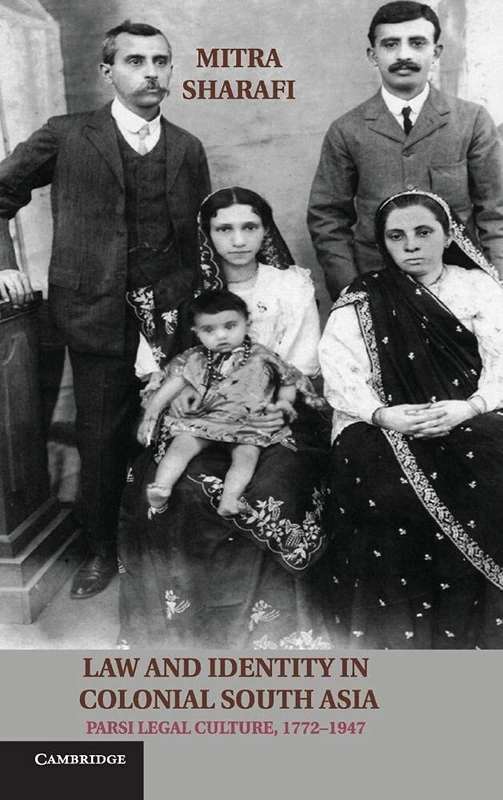
£49.83
This is the usual price. Wait for it to drop, or tell us your number.
£50 today · usual range £43–£100 · best ever £43
Cambridge University Press Law and Identity in Colonial South Asia: Parsi Legal Culture, 1772–1947 (Studies in Legal History)
We'll watch every seller, every day. One email when your price arrives.
Price History & Forecast
Grey patches = out of stock. Cheaper = lower on the chart. Hover for exact prices.
Last 61 days · 61 data points (no recent data)
NEW HERE?
Amazon shows you one price. We show you all of them.
Tosheroon watches Amazon prices so you don't have to. Every product on Amazon has a price history — we make it visible. Set the price you'd actually pay, and we'll email you the second it gets there. No app, no account, one email.
WHAT'S ON THIS PAGE
when this has been cheap or pricey
where the price is heading next
all-time high & low, recent range
name your number, we'll email you
Price Distribution
Price distribution over 61 days • 5 price levels
Price Analysis
Most common price: £52 (44 days, 72.1%)
Price range: £43 - £100
Price levels: 5 different prices over 61 days
Description
Product Specifications
- Format
- hardcover
- ASIN
- 1107047978
- Domain
- Amazon UK
- Release Date
- 19 June 2014
- Listed Since
- 13 June 2013
Barcode
No barcode data available
Similar Products You Might Like
Parsis in India and the Diaspora: 2 (Routledge South Asian Religion Series)
Routledge
Zoroastrianism: A Guide for the Perplexed (Guides for the Perplexed)
Bloomsbury
Visions of Justice: Shara and Cultural Change in Russian Central Asia (Handbook of Oriental Studies. Section 8 Uralic & Central Asia): 24
Brill
Routledge Continuity in Iranian Identity - Persian History
Routledge
Exile and the Nation: The Parsi Community of India and the Making of Modern Iran
University of Texas Press
Ancient Iran: Cosmology, Mythology, History
Cognella Academic Publishing

Viraf's Journey to the Afterlife: A Chilling Zoroastrian Myth that Weaved Religion into Politics (PERSIAN-IRANIAN MYTHOLOGY)
Modern Iranian Philosophy: From Ibn Sīnā to Mullā Ṣadrā Shīrāzī
Cognella Academic Publishing
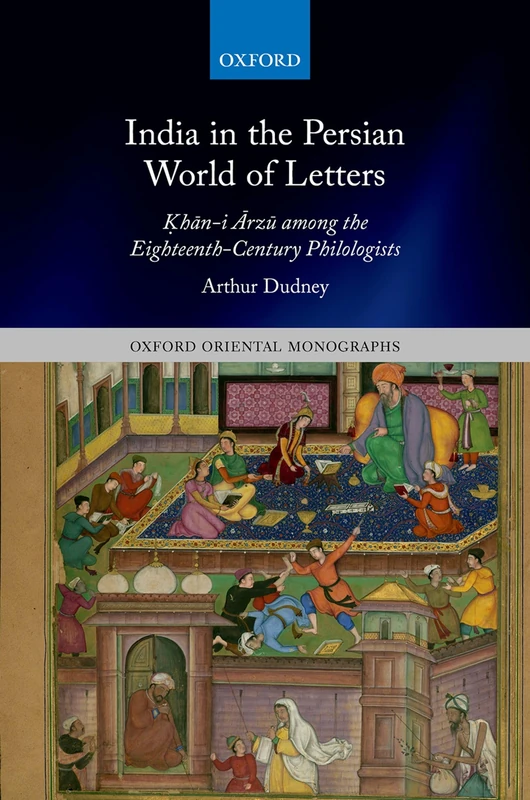
India in the Persian World of Letters: Ḳhān-i Ārzū among the Eighteenth-Century Philologists (Oxford Oriental Monographs)
Oxford University Press
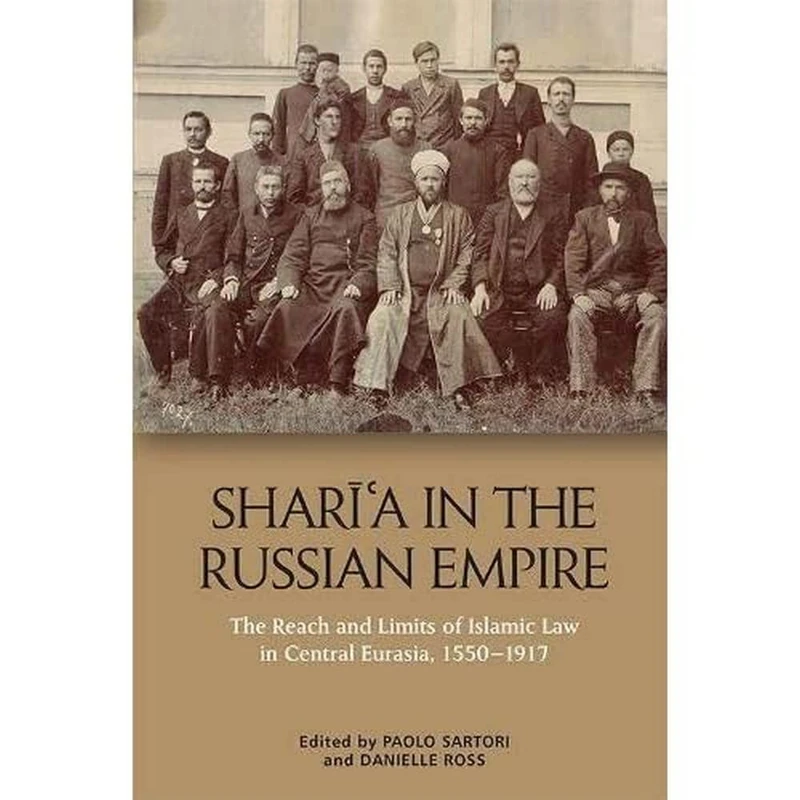
Sharia in the Russian Empire: The Reach and Limits of Islamic Law in Central Eurasia, 1550-1917
Edinburgh University Press
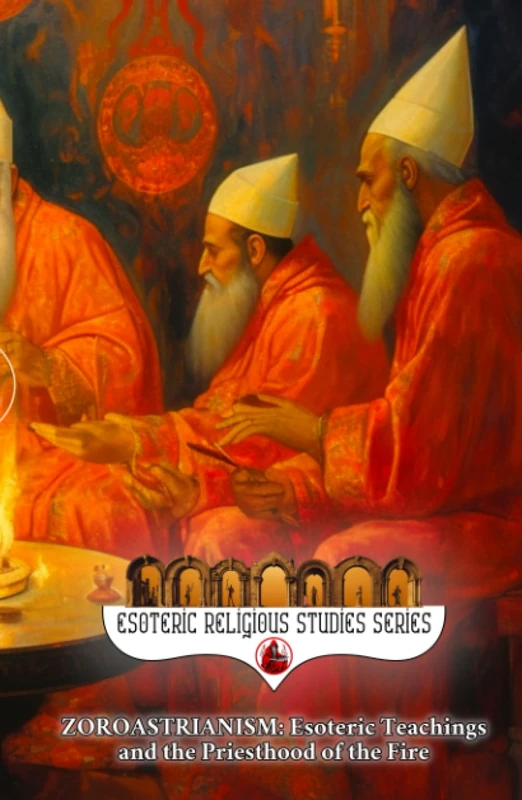
Zoroastrianism: Esoteric Teachings and the Priesthood of the Fire: The Poet, Priest, and Prophet Zarathustra’s Mazdayasna and the Coming of Saoshyant at the Frashokereti (Esoteric Religious Studies)
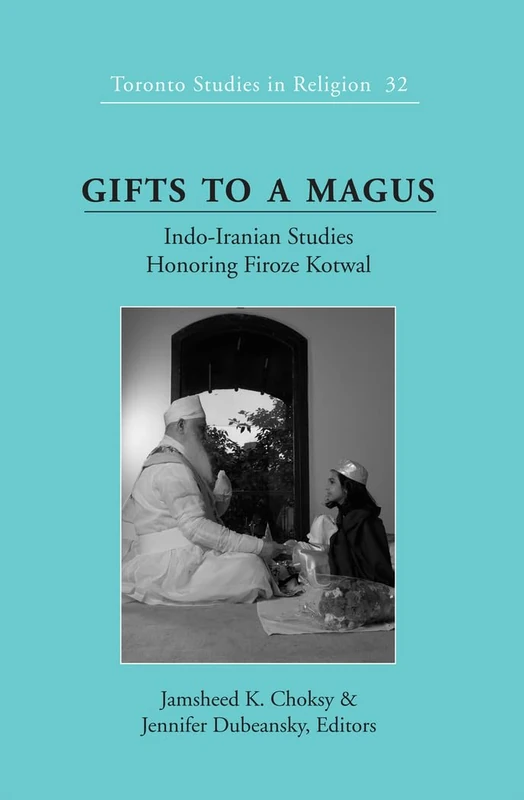
Gifts to a Magus: Indo-Iranian Studies Honoring Firoze Kotwal: 32 (Toronto Studies in Religion)
Peter Lang Gmbh, Internationaler Verlag Der Wissenschaften
Jews, Christians and Zoroastrians: Sasanian Religious Dynamics
Gorgias Press
Modern Iran: Caliphs, Kings, and Jurisprudents
Cognella Academic Publishing