We can't find the internet
Attempting to reconnect
Something went wrong
Hang in there while we get back on track
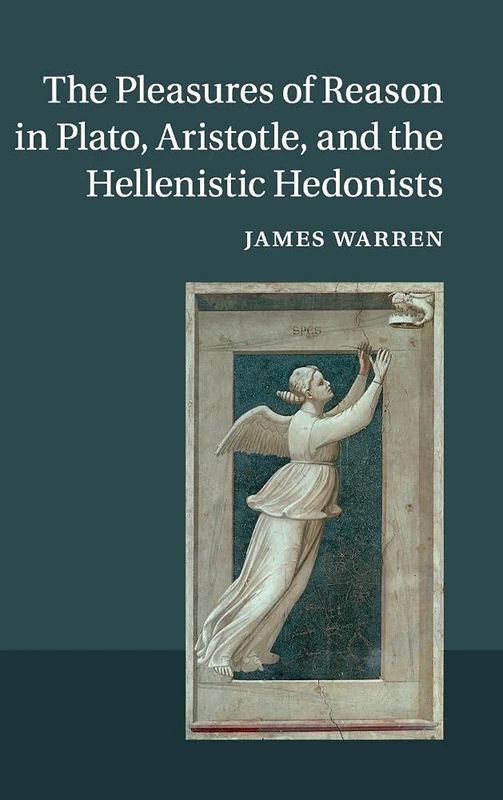
£59.99
About as cheap as it gets — within 5% of the all-time low it hit 3 months ago.
£60 today · all-time low £58 (Jul 2026) · usually the usual
Cambridge University Press The Pleasures of Reason in Plato, Aristotle, and the Hellenistic Hedonists
We'll watch every seller, every day. One email when your price arrives.
Price History & Forecast
Grey patches = out of stock. Cheaper = lower on the chart. Hover for exact prices.
Last 60 days · 60 data points (no recent data)
NEW HERE?
Amazon shows you one price. We show you all of them.
Tosheroon watches Amazon prices so you don't have to. Every product on Amazon has a price history — we make it visible. Set the price you'd actually pay, and we'll email you the second it gets there. No app, no account, one email.
WHAT'S ON THIS PAGE
when this has been cheap or pricey
where the price is heading next
all-time high & low, recent range
name your number, we'll email you
Price Distribution
Price distribution over 60 days • 2 price levels
Price Analysis
Most common price: £58 (49 days, 81.7%)
Price range: £58 - £60
Price levels: 2 different prices over 60 days
Description
Product Specifications
- Format
- hardcover
- ASIN
- 1107025443
- Domain
- Amazon UK
- Release Date
- 27 November 2014
- Listed Since
- 19 April 2014
Barcode
No barcode data available
Similar Products You Might Like

Body and Soul in Hellenistic Philosophy
Cambridge University Press

Epicurus on Freedom
Cambridge University Press
Ethics of Epicurus and its Relation to Contemporary Doctrines, The (Re-inventing Philosophy as a Way of Life)
Bloomsbury

The Nature and Value of Happiness
Routledge
Epicureanism (Ancient Philosophies) - Routledge Guide
Routledge

The Cambridge Companion to Epicureanism (Cambridge Companions to Philosophy)
Cambridge University Press

Epicurus and His Philosophy (Minnesota Archive Editions)
University of Minnesota Press

Selfhood and Rationality in Ancient Greek Philosophy: From Heraclitus to Plotinus
Oxford University Press
The Poetics in its Aristotelian Context - Routledge Monograph
Routledge
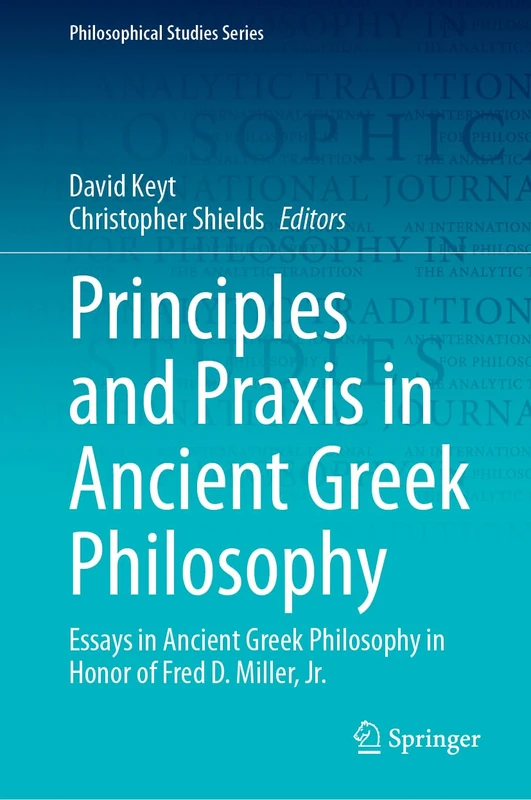
Principles and Praxis in Ancient Greek Philosophy: Essays in Ancient Greek Philosophy in Honor of Fred D. Miller, Jr.: 155 (Philosophical Studies Series, 155)
Springer
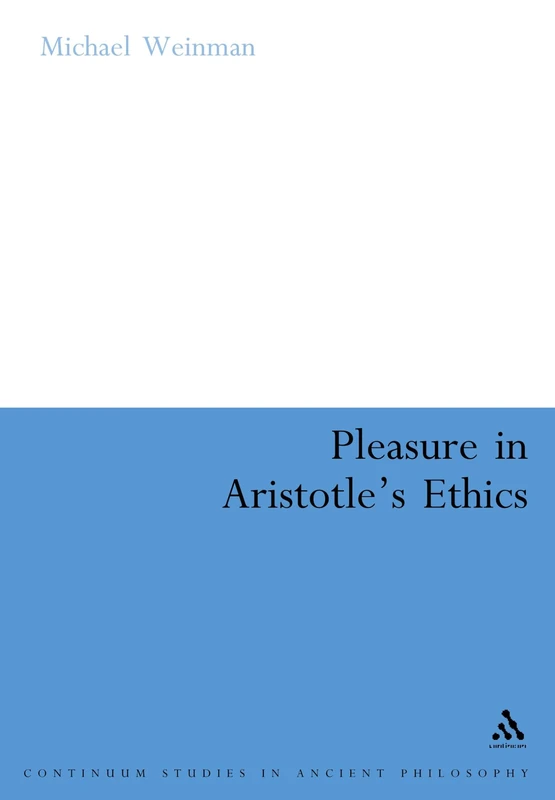
Pleasure in Aristotle's Ethics (Continuum Studies in Ancient Philosophy): 19
Bloomsbury

The Present Alone is Our Happiness: Conversations with Jeannie Carlier and Arnold I. Davidson (Cultural Memory in the Present)
Stanford University Press

Paradosis and Survival: Three Chapters in the History of Epicurean Philosophy
University of Michigan Press
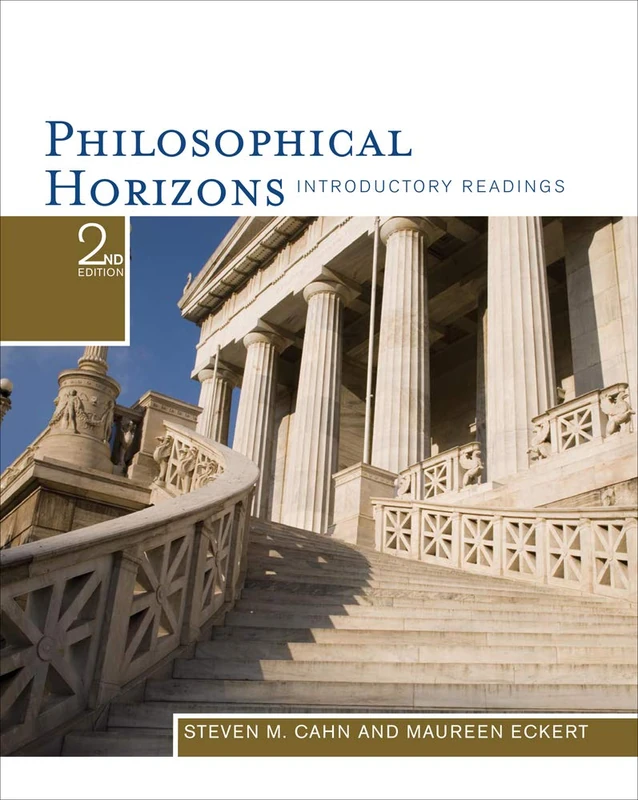
Philosophical Horizons: Introductory Readings
Cengage Learning
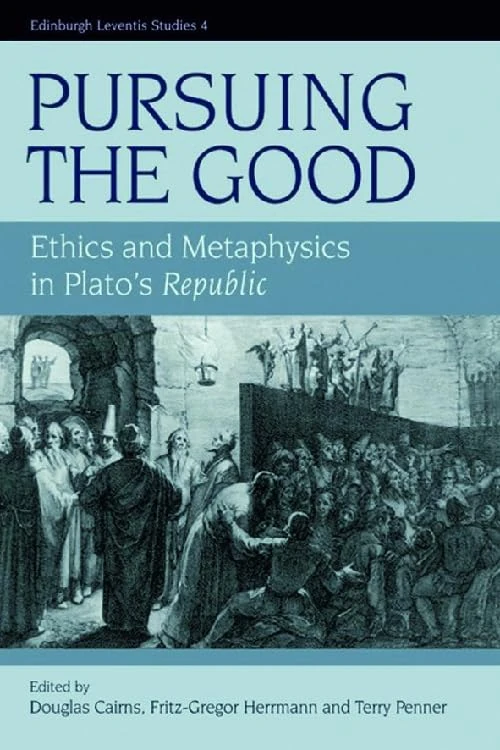
Pursuing the Good: Ethics and Metaphysics in Plato's "Republic" (Edinburgh Leventis Studies): No. 4
Edinburgh University Press

Philosophy in Ancient Rome: A Loss of Wings
Cambridge Scholars Publishing

Plotinus and Epicurus: Matter, Perception, Pleasure
Cambridge University Press

Aristotle on the Perfect Life
Oxford University Press

Nietzsche and Epicurus: Nature, Health and Ethics
Bloomsbury
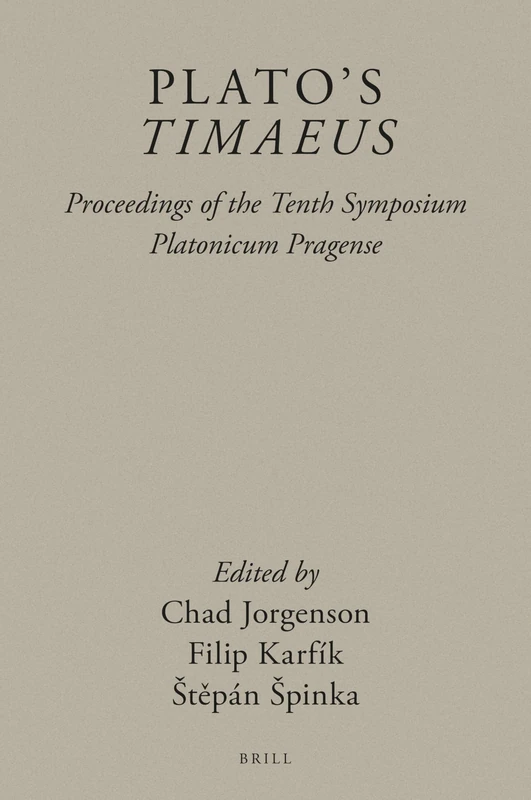
Plato’s Timaeus: Proceedings of the Tenth Symposium Platonicum Pragense: 5 (Brill's Plato Studies Series, 5)
Brill

Chinese Culture of Intelligence
MACMILLAN
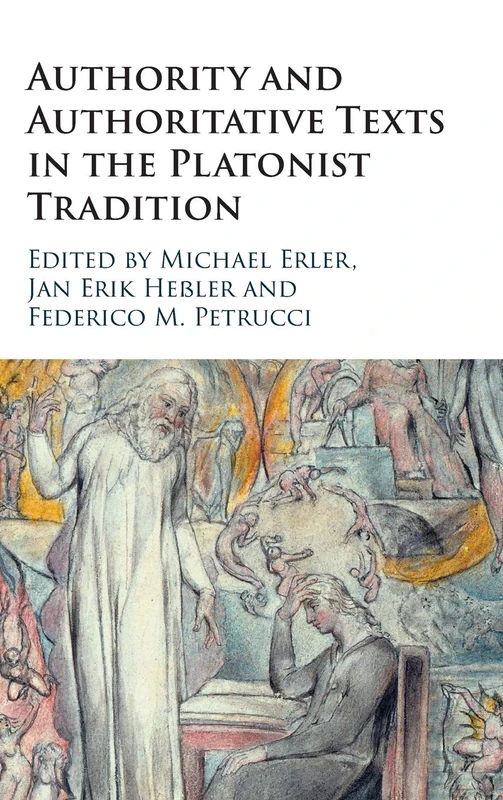
Authority and Authoritative Texts in the Platonist Tradition
Cambridge University Press

Introducing Greek Philosophy - Routledge Ancient Classics Guide
Routledge

How to Live Well: Epicurus as a Guide to Contemporary Social Reform
Edward Elgar Publishing