We can't find the internet
Attempting to reconnect
Something went wrong
Hang in there while we get back on track
£72.95
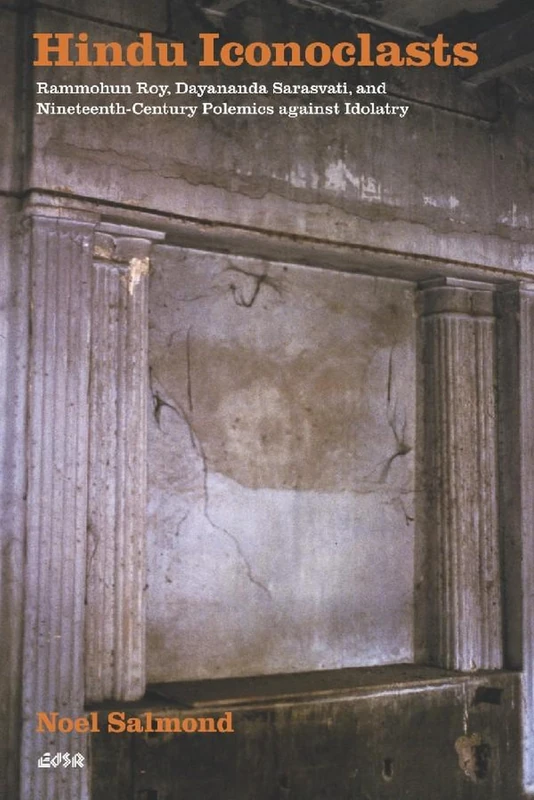
Wilfrid Laurier University Press Hindu Iconoclasts: Rammohun Roy, Dayananda Sarasvati, and Nineteenth-Century Polemics Against Idolatry: 28 (Editions SR)
Price data last checked 62 day(s) ago - refreshing...
We'll watch every seller, every day. One email when your price arrives.
It has never been this cheap. We have no record of a lower price.
£73 today · cheaper than every other day in the last 3 months
NEW HERE?
Amazon shows you one price. We show you all of them.
Tosheroon watches Amazon prices so you don't have to. Every product on Amazon has a price history — we make it visible. Set the price you'd actually pay, and we'll email you the second it gets there. No app, no account, one email.
WHAT'S ON THIS PAGE
when this has been cheap or pricey
where the price is heading next
all-time high & low, recent range
name your number, we'll email you
Price History & Forecast
Grey patches = out of stock. Cheaper = lower on the chart. Hover for exact prices.
Last 29 days · 29 data points (no recent data)
Price Distribution
Price distribution over 29 days • 1 price levels
Price Analysis
Most common price: £73 (29 days, 100.0%)
Price range: £73 - £73
Price levels: 1 different prices over 29 days
Description
Key Features
New
Mint Condition
Dispatch same day for order received before 12 noon
Guaranteed packaging
No quibbles returns
Product Specifications
- Format
- hardcover
- ASIN
- 0889204195
- Domain
- Amazon UK
- Release Date
- 30 May 2004
- Listed Since
- 02 January 2007
Barcode
No barcode data available
Similar Products You Might Like
From Temple to Museum: Colonial Collections and Umā Maheśvara Icons in the Middle Ganga Valley (Archaeology and Religion in South Asia)
Routledge
Hindu Images and their Worship with special reference to Vaisnavism: A philosophical-theological inquiry (Routledge Hindu Studies Series)
Routledge
Indian Religions: Renaissance and Renewal - The Spalding Papers on Indic Studies
Equinox
Hindu Images and their Worship with special reference to Vaisnavism: A philosophical-theological inquiry (Routledge Hindu Studies Series)
Routledge
Encyclopedia of Hinduism
Routledge
Modernist Reformers in Islam, Hinduism and Confucianism, 1865-1935: Peripheral Geoculture in the Modern World-System (Routledge Religion in Contemporary Asia Series)
Routledge

Encyclopedia of Hinduism
Routledge
Religious Reading and Everyday Lives in Devotional Hinduism (AAR RELIGION IN TRANSLATION)
Oxford University Press
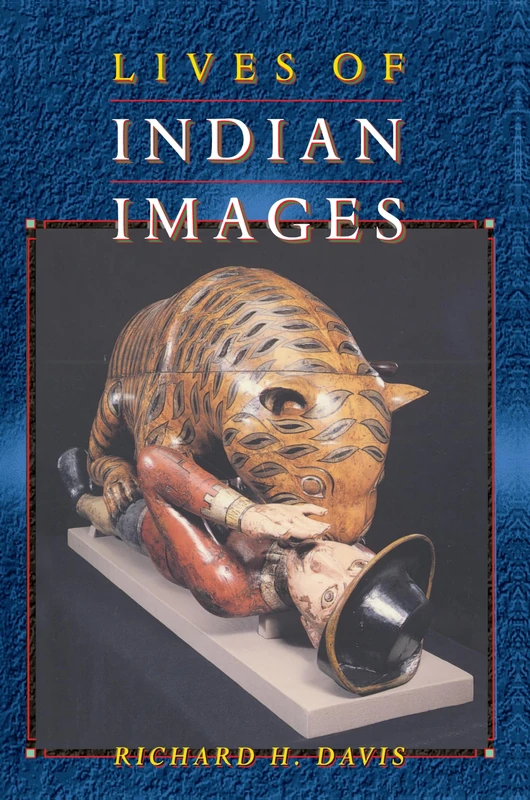
Lives of Indian Images
Princeton University Press
Nineteenth-Century Religion, Literature and Society: Traditions / Mission and Reform / Religious Feeling / Disbelief and New Beliefs (Routledge Historical Resources)
Routledge
Religion and Contemporary Issues: Politics, Ecology, and Women's Rights
Cognella Academic Publishing
Hindu Nationalism, History and Identity in India: Narrating a Hindu past under the BJP (Routledge Studies in South Asian History)
Routledge
Routledge - The Idol in the Age of Art - Reformation History
Routledge
The Making of a Modern Temple and a Hindu City: Kalighat and Kolkata
Oxford University Press
Idolatry and the Colonial Idea of India: Visions of Horror, Allegories of Enlightenment (South Asian History and Culture)
Routledge

International Handbook of Inter-religious Education: 4 (International Handbooks of Religion and Education, 4)
Springer
Diaspora of the Gods: Modern Hindu Temples in an Urban Middle-Class World
Oxford University Press
Routledge Mobilizing Religion and Gender in India Book
Routledge
Reform, Identity and Narratives of Belonging: The Heraka Movement in Northeast India (Continuum Advances in Religious Studies): 10
Bloomsbury
Routledge - A History of State and Religion in India
Routledge
Routledge Religious Cultures in Early Modern India - Book
Routledge
Routledge Trans-Colonial Modernities in South Asia Book
Routledge
Anglophone Indian Women Writers, 1870–1920
Routledge
Religion and Commodification: 'Merchandizing' Diasporic Hinduism (Routledge Research in Religion, Media and Culture)
Routledge