We can't find the internet
Attempting to reconnect
Something went wrong!
Hang in there while we get back on track

£50.00
University of Hawaii Press Agents of World Renewal: The Rise of Yonaoshi Gods in Japan
Price data last checked 41 day(s) ago - refreshing...
We'll watch every seller, every day. One email when your price arrives.
This is the most expensive it has ever been. Walk away.
£50 today · previous high £50 · all-time low £49
NEW HERE?
Amazon shows you one price. We show you all of them.
Tosheroon watches Amazon prices so you don't have to. Every product on Amazon has a price history — we make it visible. Set the price you'd actually pay, and we'll email you the second it gets there. No app, no account, one email.
WHAT'S ON THIS PAGE
when this has been cheap or pricey
where the price is heading next
all-time high & low, recent range
name your number, we'll email you
Price History & Forecast
Grey patches = out of stock. Cheaper = lower on the chart. Hover for exact prices.
Last 50 days • 50 data points (No recent data available)
Price Distribution
Price distribution over 50 days • 2 price levels
Price Analysis
Most common price: £49 (49 days, 98.0%)
Price range: £49 - £50
Price levels: 2 different prices over 50 days
Description
Product Specifications
- Format
- hardcover
- ASIN
- 0824880374
- Domain
- Amazon UK
- Release Date
- 31 August 2019
- Listed Since
- 11 December 2018
Barcode
No barcode data available
Similar Products You Might Like

Religions of Japan in Practice: 17 (Princeton Readings in Religions)
Princeton University Press

Essentials of Shinto: An Analytical Guide to Principal Teachings (Resources in Asian Philosophy and Religion)
By
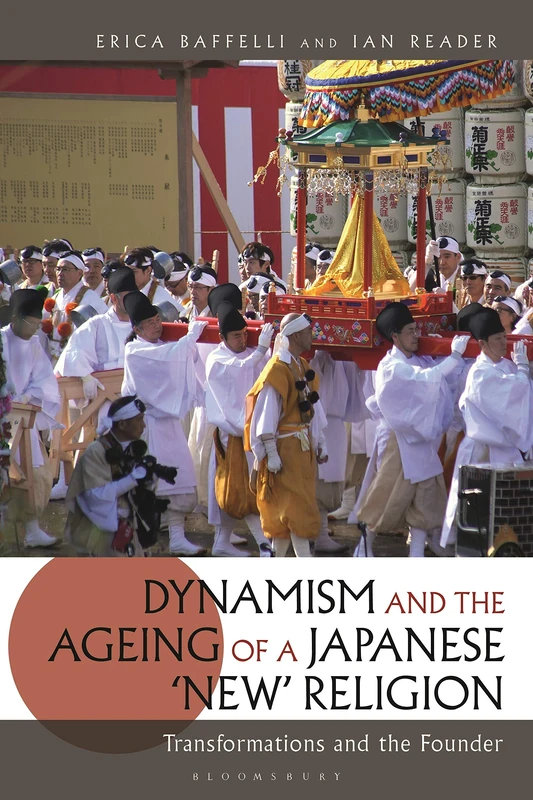
Dynamism and the Ageing of a Japanese 'New' Religion: Transformations and the Founder
Bloomsbury

Sourcebook in Shinto: Selected Documents (Resources in Asian Philosophy and Religion)
Bloomsbury Academic

On Understanding Japanese Religion
Princeton University Press
Bloomsbury Handbook of Japanese Religions - Academic Guide
Bloomsbury
God Susanoo and Korea in Japan’s Cultural Memory, The: Ancient Myths and Modern Empire (Bloomsbury Shinto Studies)
Bloomsbury Academic
Buddhas and Kami in Japan: Honji Suijaku as a Combinatory Paradigm
Routledge

Shinto and the State, 1868-1988 (Studies in Church & State): 1
Princeton University Press
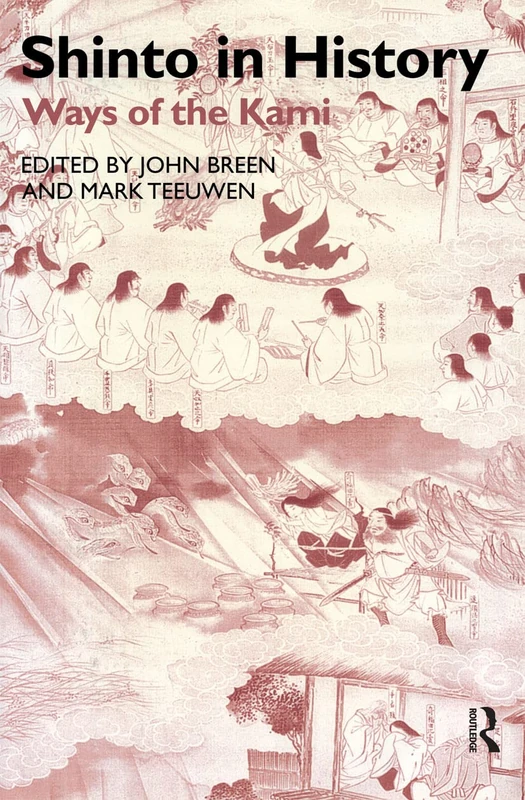
Routledge Shinto in History: Ways of the Kami - Asian Religion
Routledge

Japanese Religions (SAGE Benchmarks in Religious Studies)
Sage Publications

Women, Rites, and Ritual Objects in Premodern Japan: 63 (Brill's Japanese Studies Library, 63)
Brill
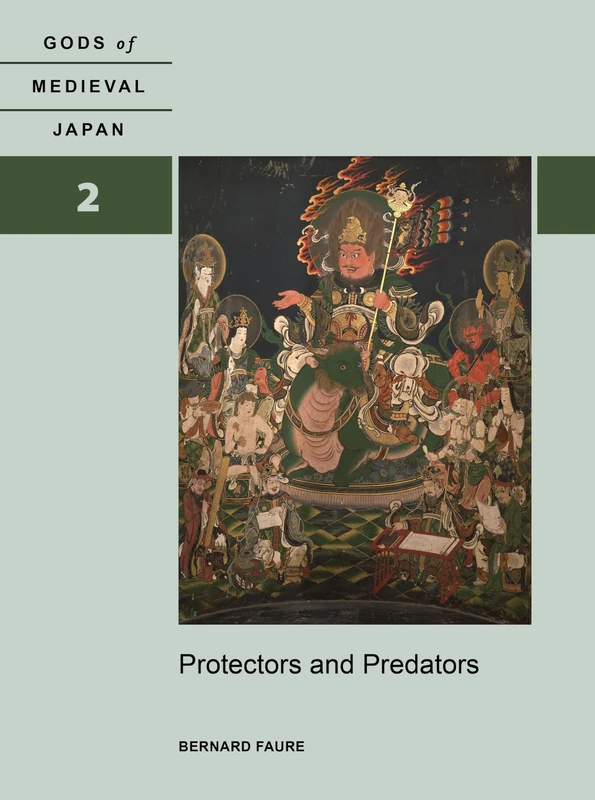
Protectors and Predators: Volume 2: Gods of Medieval Japan: Gods of Medieval Japan Volume 2
University of Hawaii Press
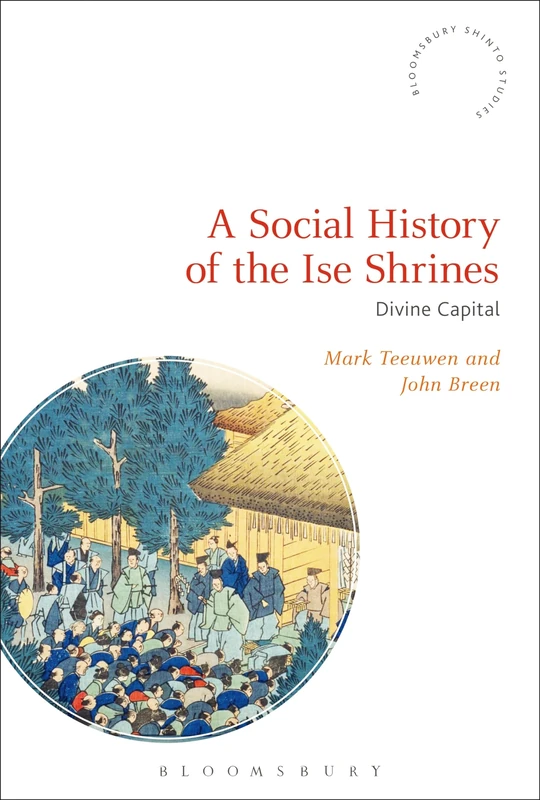
A Social History of the Ise Shrines: Divine Capital (Bloomsbury Shinto Studies)
Bloomsbury

Japanese Mythology in Film: A Semiotic Approach to Reading Japanese Film and Anime
Lexington Books
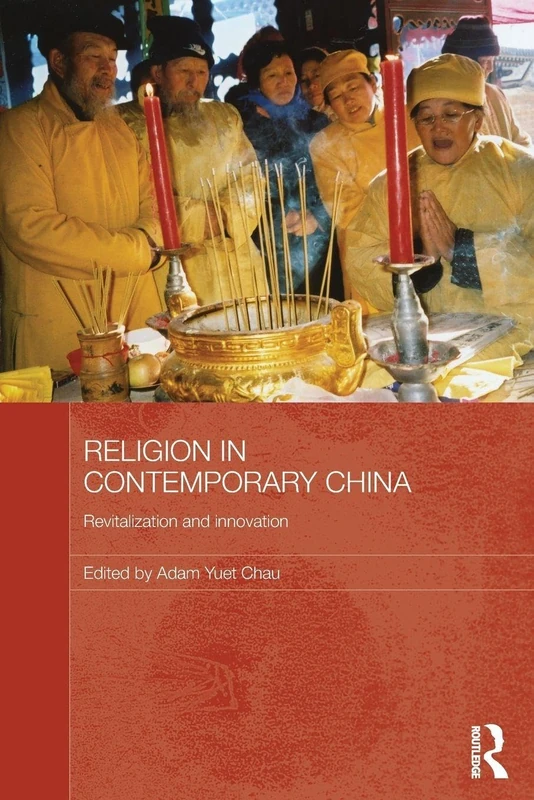
Religion in Contemporary China: Revitalization and Innovation (Routledge Contemporary China Series)
Routledge

Routledge - Paganism, Traditionalism, Nationalism: Rodnoverie
Routledge

Hidden Christians in Japan: Breaking the Silence
Lexington Books

Shinto: Discovery of the Divine in Japanese Art
Cleveland Museum of Art

The Global Repositioning of Japanese Religions: An integrated approach (Global Connections)
Routledge

Shinto: A History
Oxford University Press

Change, Continuity and Complexity: The Mahāvidyās in East Indian Śākta Traditions
Routledge
The Religious Traditions of Japan 500-1600
Cambridge University Press
Weaving and Binding: Immigrant Gods and Female Immortals in Ancient Japan
University of Hawaii Press