We can't find the internet
Attempting to reconnect
Something went wrong
Hang in there while we get back on track
£105.00
It has never been this cheap. We have no record of a lower price.
£105 today · cheaper than every other day in the last 3 months
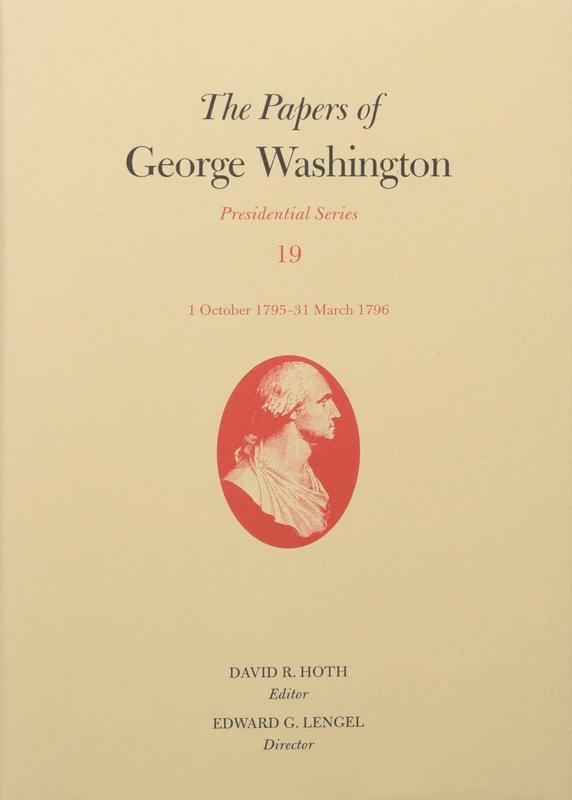
University of Virginia Press The Papers of George Washington; v. 19; Presidential Series; 1 October 1795–31 March 1796: 1 October 1795-31 March 1796 Volume 19
Price data last checked 29 day(s) ago - will refresh soon
We'll watch every seller, every day. One email when your price arrives.
Price History & Forecast
Grey patches = out of stock. Cheaper = lower on the chart. Hover for exact prices.
Last 62 days · 62 data points (no recent data)
Price data last checked 29 day(s) ago - will refresh soon
NEW HERE?
Amazon shows you one price. We show you all of them.
Tosheroon watches Amazon prices so you don't have to. Every product on Amazon has a price history — we make it visible. Set the price you'd actually pay, and we'll email you the second it gets there. No app, no account, one email.
WHAT'S ON THIS PAGE
when this has been cheap or pricey
where the price is heading next
all-time high & low, recent range
name your number, we'll email you
Price Distribution
Price distribution over 62 days • 1 price levels
Price Analysis
Most common price: £105 (62 days, 100.0%)
Price range: £105 - £105
Price levels: 1 different prices over 62 days
Description
Product Specifications
- Format
- hardcover
- ASIN
- 0813938813
- Domain
- Amazon UK
- Release Date
- 19 October 2016
- Listed Since
- 09 February 2016
Barcode
No barcode data available
Similar Products You Might Like
The Papers of George Washington: Presidential Series, Volume 18: 1 April-30 September 1795
University of Virginia Press
The Papers of George Washington: Volume 17: 1 October 1794-31 March 1795 (Presidential Series)
University of Virginia Press
The Papers of George Washington Volume 1: June - September 1775 (Revolutionary War Series)
University of Virginia Press
From Independence to the U.S. Constitution: Reconsidering the Critical Period of American History (Early American Histories)
University of Virginia Press
The Papers of George Washington: 15 January - 7 April 1779 v.19 (Revolutionary War Series)
University of Virginia Press

The Papers of George Washington: Colonial Series: Colonial Series Vol 8: June 1767-December 1771 Volume 8
University of Virginia Press
The Papers of George Washington Presidential Series: Presidential Series, Volume 2, April-June 1789
University of Virginia Press
The Washingtons: A Family History - Volume 3: Royal Descents of the Presidential Branch
Savas Beatie
George Washington: America’s First Progressive
Peter Lang Gmbh, Internationaler Verlag Der Wissenschaften
The Papers of George Washington v.3; Revolutionary War Series;Jan.-March 1776: January - March 1776
University of Virginia Press
The Papers of George Washington: 1 June - 31 July 1779: 21 (Revolutionary War Series)
University of Virginia Press
The Papers of George Washington Volume 35: 21 November 1781-9 March 1782 (Revolutionary War Series)
University of Virginia Press
The Papers of George Washington Volume 29: 28 October – 31 December 1780 (Revolutionary War Series)
University of Virginia Press
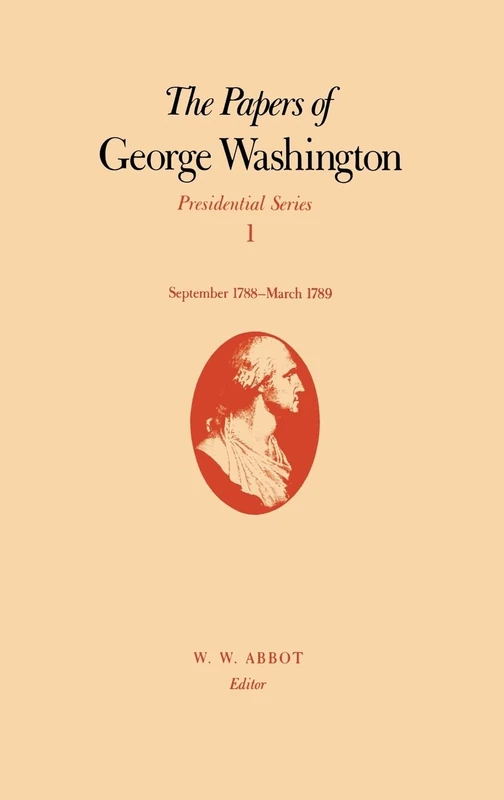
The Papers of George Washington Presidential Series: Presidential Series, Volume 1, September 1788-March 1789
University of Virginia Press
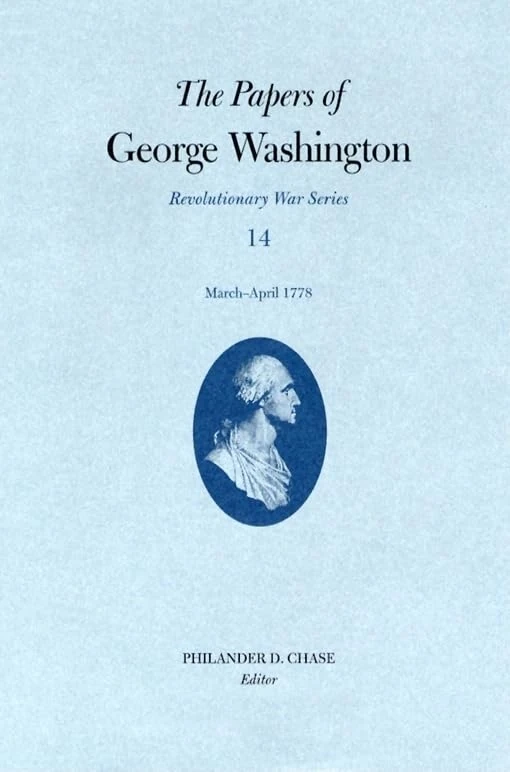
The Papers of George Washington, Revolutionary War Volume 14: March-April 1778 (Papers of George Washington: Revolutionary War) (Revolutionary War Series)
University of Virginia Press
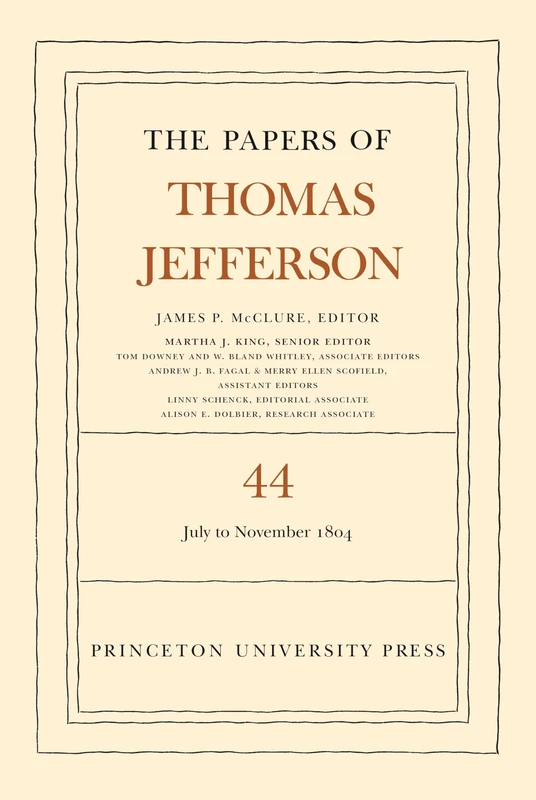
The Papers of Thomas Jefferson, Volume 44: 1 July to 10 November 1804
Princeton University Press
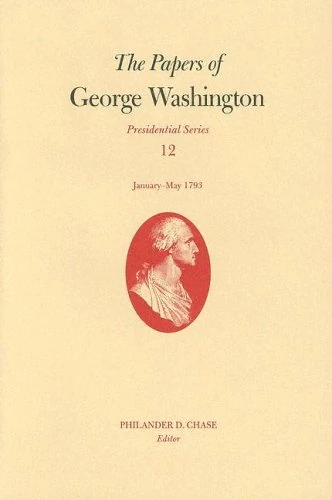
The Papers of George Washington: Presidential Series v. 12 (Papers of George Washington. Presidential): January--May 1793
University of Virginia Press
The Papers of George Washington 1 November 1778 - 14 January 1779: 18 (Revolutionary War Series)
University of Virginia Press
The Papers of James Madison: 8 February - 24 October 1813 v. 6: Presidential Series (Papers of James Madison. Presidential): 06
University of Virginia Press
The Papers of George Washington Volume 30: 1 January – 6 March 1781 (Revolutionary War Series)
University of Virginia Press
The Papers of George Washington: Presidential Series v. 16: Presidential Series, Volume 16: 1 May-30 September 1794
University of Virginia Press