We can't find the internet
Attempting to reconnect
Something went wrong!
Hang in there while we get back on track
£53.97
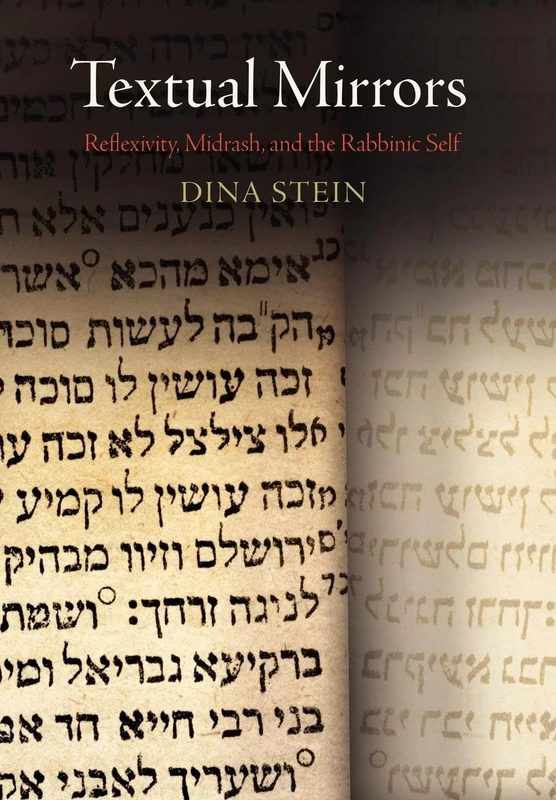
University of Pennsylvania Museum Publications Textual Mirrors: Reflexivity, Midrash, and the Rabbinic Self (Divinations: Rereading Late Ancient Religion)
Price data last checked 12 day(s) ago - will refresh soon
We'll watch every seller, every day. One email when your price arrives.
About as cheap as it gets. The only time it was cheaper was 2 months ago.
£54 today · all-time low £52 (Apr 2026) · usually £58
NEW HERE?
Amazon shows you one price. We show you all of them.
Tosheroon watches Amazon prices so you don't have to. Every product on Amazon has a price history — we make it visible. Set the price you'd actually pay, and we'll email you the second it gets there. No app, no account, one email.
WHAT'S ON THIS PAGE
when this has been cheap or pricey
where the price is heading next
all-time high & low, recent range
name your number, we'll email you
Price History & Forecast
Grey patches = out of stock. Cheaper = lower on the chart. Hover for exact prices.
Last 79 days • 79 data points (No recent data available)
Price Distribution
Price distribution over 79 days • 6 price levels
Price Analysis
Most common price: £53 (41 days, 51.9%)
Price range: £53 - £65
Price levels: 6 different prices over 79 days
Description
Product Specifications
- Format
- hardcover
- ASIN
- 0812244362
- Domain
- Amazon UK
- Release Date
- 10 October 2012
- Listed Since
- 12 April 2012
Barcode
No barcode data available
Similar Products You Might Like
Scripture as Logos: Rabbi Ishmael and the Origins of Midrash (Divinations: Rereading Late Ancient Religion)
University of Pennsylvania Museum Publications
Biblical Women in the Midrash: A Source Book
Jason Aronson
A Mirror of Rabbinic Hermeneutics: Studies in Religion, Magic, and Language Theory in Ancient Judaism: 82 (Studia Judaica, 82)
De Gruyter
Art and the Artist in the Contemporary Israeli Novel: Aesthetic Israel
Lexington Books
The Poet and the World: Festschrift for Wout van Bekkum on the Occasion of His Sixty-fifth Birthday: 107 (Studia Judaica, 107)
De Gruyter
Historiography, Ideology and Politics in the Ancient Near East and Israel: Changing Perspectives 5 (Copenhagen International Seminar)
Routledge
Routledge The Rift in Israel - Religious Authority and Democracy
Routledge
Life in Citations: Biblical Narratives and Contemporary Hebrew Culture (Routledge Studies in Comparative Literature)
Routledge
Routledge - The Jewish Origins of Israeli Foreign Policy Book
Routledge
Roads to the Palace: Jewish Texts and Teaching: 1 (Faith and Culture in Contemporary Education)
Berghahn Books
The Trickster Revisited: Deception as a Motif in the Pentateuch: 117 (Studies in Biblical Literature)
Peter Lang Gmbh, Internationaler Verlag Der Wissenschaften
In the Shelter of Elyon: Essays on Ancient Palestinian Life and Literature: 31 (The Library of Hebrew Bible/Old Testament Studies)
Sheffield Academic Press
The Bible as Revelatory Word: 1 Scripture as Oracular Text (The Prophetic and Wisdom Traditions)
Cambridge Scholars Publishing
Dualism in Qumran (Library of Second Temple Studies): 76
T&T Clark
Normative and Sectarian Judaism in the Second Temple Period: 54 (The Library of Second Temple Studies)
T&T Clark
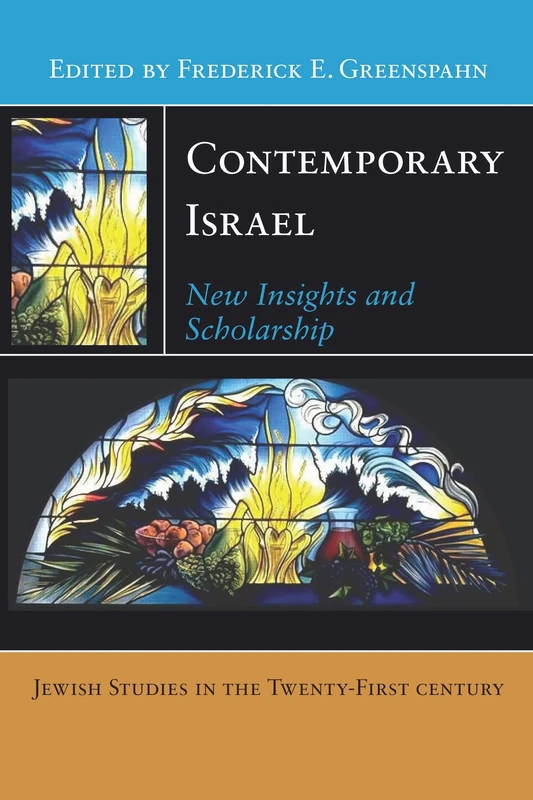
Contemporary Israel: New Insights and Scholarship: 3 (Jewish Studies in the Twenty-First Century)
NYU Press
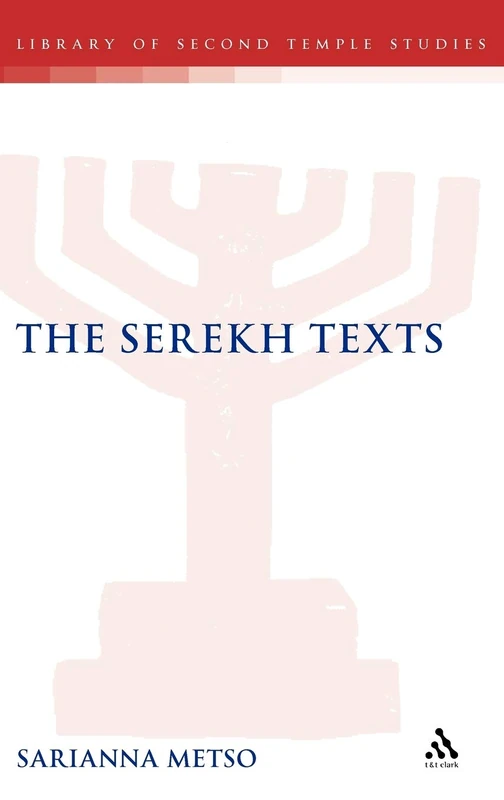
The Serekh Texts: 62 (The Library of Second Temple Studies)
T&T Clark
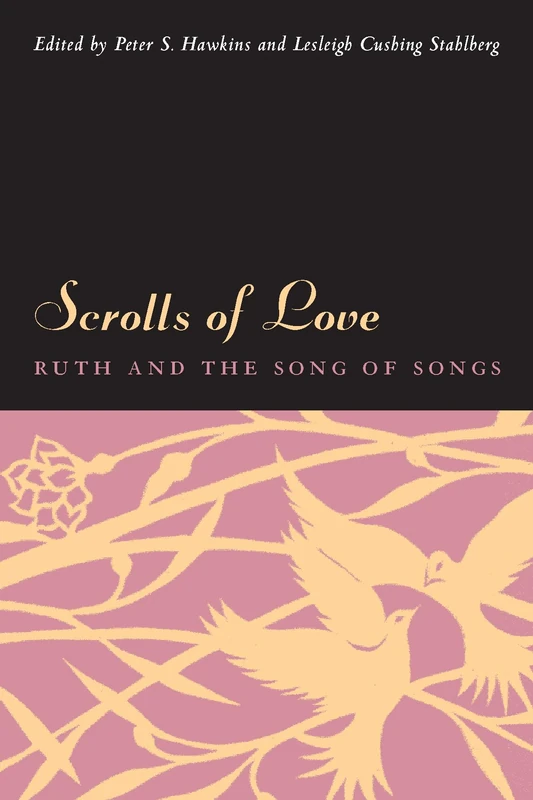
Scrolls of Love: Ruth and the Song of Songs
Fordham University Press
Pursuing the Text: Studies in Honour of B.Z.Wacholder: No. 184. (Journal for the Study of the Old Testament Supplement S.)
Continuum

Biblischer Kommentar Altes Testament - Bandausgaben: 1. Könige 17-22: IX/2
Vandenhoeck & Ruprecht
![[Re]Reading Again: A Mosaic Reading of Numbers 25 (The Library of Hebrew Bible/Old Testament Studies)](/uploads/images/products/2/0567554368/8bf8e1d3-4633-4400-a7b2-cfbd3de73fe2.webp)
[Re]Reading Again: A Mosaic Reading of Numbers 25 (The Library of Hebrew Bible/Old Testament Studies)
T&T Clark
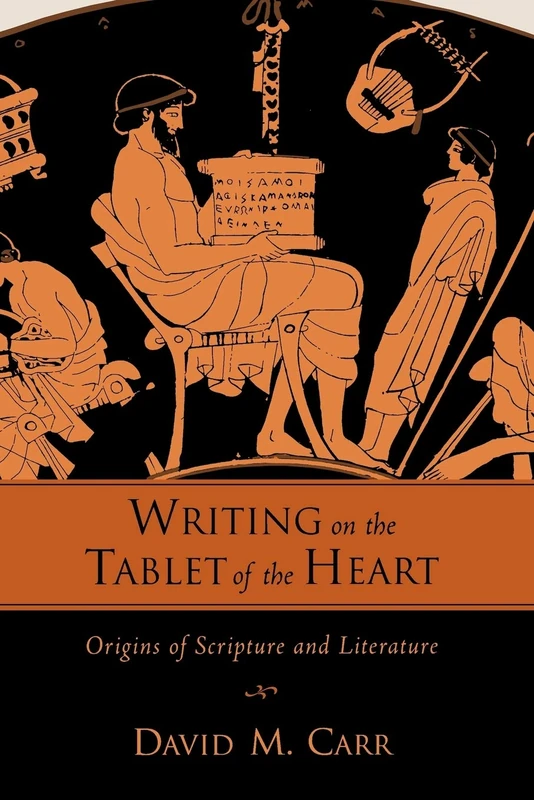
Writing on the Tablet of the Heart: Origins of Scripture and Literature
Oxford University Press
Above, Below, Before, and After: Studies in Judaism and Christianity in Conversation with Martha Himmelfarb: 188 (Texts and Studies in Ancient Judaism)
Mohr Siebeck
Reading Genesis Politically: An Introduction to Mosaic Political Philosophy
Bloomsbury Academic