We can't find the internet
Attempting to reconnect
Something went wrong!
Hang in there while we get back on track
£81.04
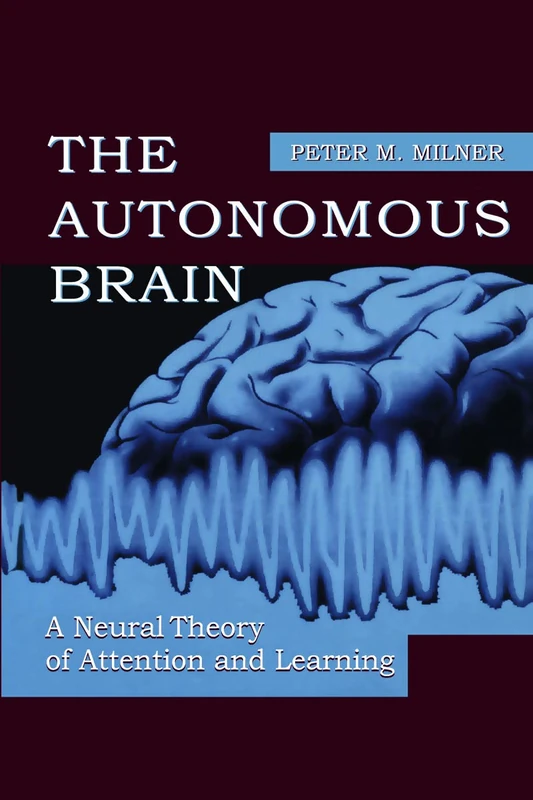
Psychology Press The Autonomous Brain: A Neural Theory of Attention and Learning
Price data last checked 120 day(s) ago - refreshing...
We'll watch every seller, every day. One email when your price arrives.
This is the usual price. Wait for it to drop, or tell us your number.
£81 today · usual range £0–£0 · best ever £27
NEW HERE?
Amazon shows you one price. We show you all of them.
Tosheroon watches Amazon prices so you don't have to. Every product on Amazon has a price history — we make it visible. Set the price you'd actually pay, and we'll email you the second it gets there. No app, no account, one email.
WHAT'S ON THIS PAGE
when this has been cheap or pricey
where the price is heading next
all-time high & low, recent range
name your number, we'll email you
Price History & Forecast
Grey patches = out of stock. Cheaper = lower on the chart. Hover for exact prices.
Last 611 days • 611 data points (No recent data available)
Price Distribution
Price distribution over 611 days • 3 price ranges
Price Analysis
Most common range: £27-43 (540 days, 88.4%)
Price range: £27 - £110
Price levels: 3 price ranges over 611 days
Description
Key Features
Used Book in Good Condition
Product Specifications
- Brand
- Psychology Press
- Format
- Hardcover
- ASIN
- 0805832114
- Domain
- Amazon UK
- Release Date
- 01 July 1999
- Listed Since
- 23 December 2006
Barcode
No barcode data available
Similar Products You Might Like
Artificial Neural Nets. Problem Solving Methods: 7th International Work-Conference on Artificial and Natural Neural Networks, IWANN 2003, Maó, ... (Lecture Notes in Computer Science, 2687)
Springer
Routledge - Brain Structure, Learning, And Memory Book
Routledge
Early Experience, the Brain, and Consciousness: An Historical and Interdisciplinary Synthesis
Routledge
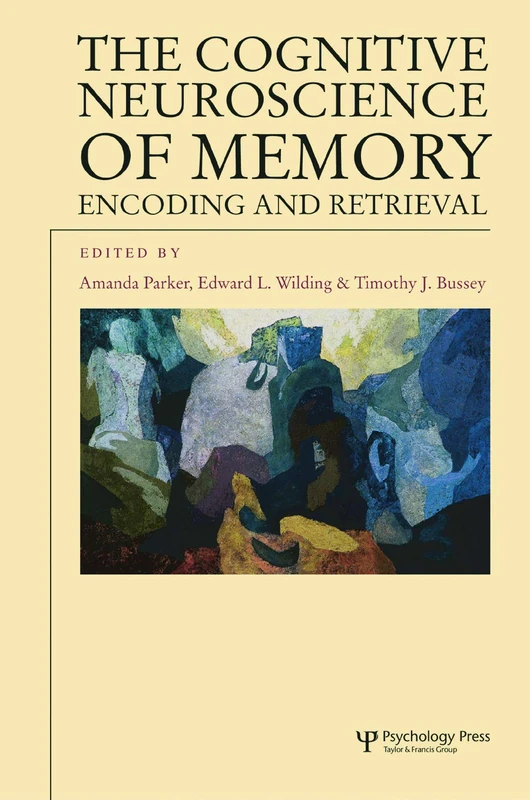
The Cognitive Neuroscience of Memory: Encoding and Retrieval (Studies in Cognition)
Routledge
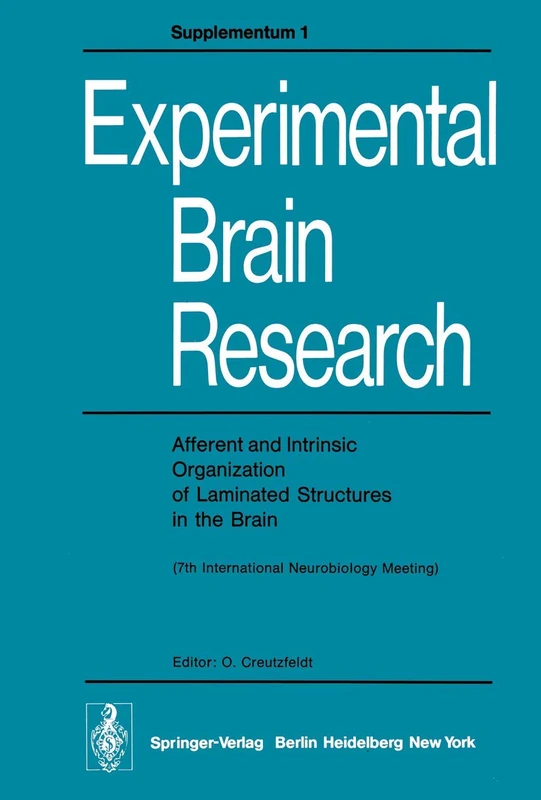
Afferent and Intrinsic Organization of Laminated Structures in the Brain: 7th International Neurobiology Meeting: 1 (Experimental Brain Research Series, 1)
Springer
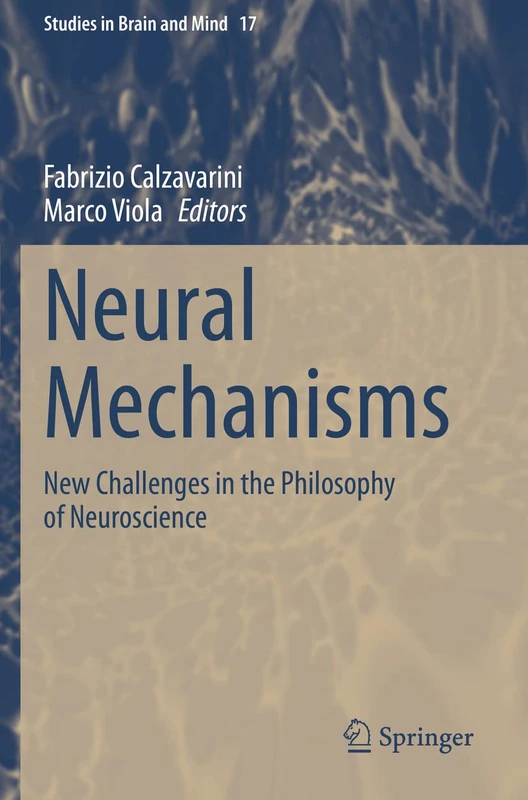
Neural Mechanisms: New Challenges in the Philosophy of Neuroscience: 17 (Studies in Brain and Mind, 17)
Springer

Atoms of Mind: The "Ghost in the Machine" Materializes
Springer
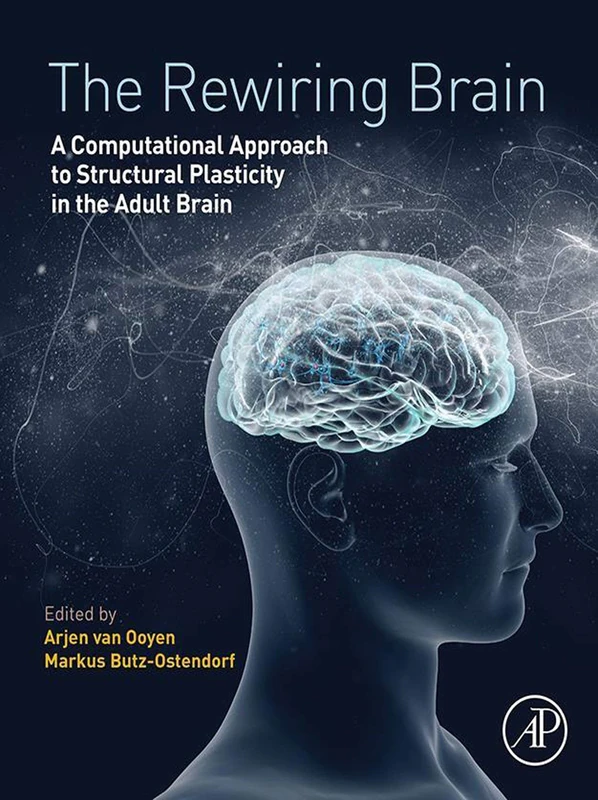
The Rewiring Brain: A Computational Approach to Structural Plasticity in the Adult Brain
Academic Press

CRC Press Toward Human-Level Artificial Intelligence Book
CRC Press