We can't find the internet
Attempting to reconnect
Something went wrong
Hang in there while we get back on track

£136.81
Psychology Press The Mental Representation of Trait and Autobiographical Knowledge About the Self: Advances in Social Cognition, Volume V
Price data last checked 46 day(s) ago - refreshing...
We'll watch every seller, every day. One email when your price arrives.
It has never been this cheap. We have no record of a lower price.
£137 today · cheaper than every other day in the last 3 months
NEW HERE?
Amazon shows you one price. We show you all of them.
Tosheroon watches Amazon prices so you don't have to. Every product on Amazon has a price history — we make it visible. Set the price you'd actually pay, and we'll email you the second it gets there. No app, no account, one email.
WHAT'S ON THIS PAGE
when this has been cheap or pricey
where the price is heading next
all-time high & low, recent range
name your number, we'll email you
Price History & Forecast
Grey patches = out of stock. Cheaper = lower on the chart. Hover for exact prices.
Last 45 days · 45 data points (no recent data)
Price Distribution
Price distribution over 45 days • 1 price levels
Price Analysis
Most common price: £137 (45 days, 100.0%)
Price range: £137 - £137
Price levels: 1 different prices over 45 days
Description
Key Features
Used Book in Good Condition
Product Specifications
- Brand
- Psychology Press
- Format
- hardcover
- ASIN
- 0805813101
- Domain
- Amazon UK
- Release Date
- 01 June 1993
- Listed Since
- 16 February 2007
Barcode
No barcode data available
Similar Products You Might Like
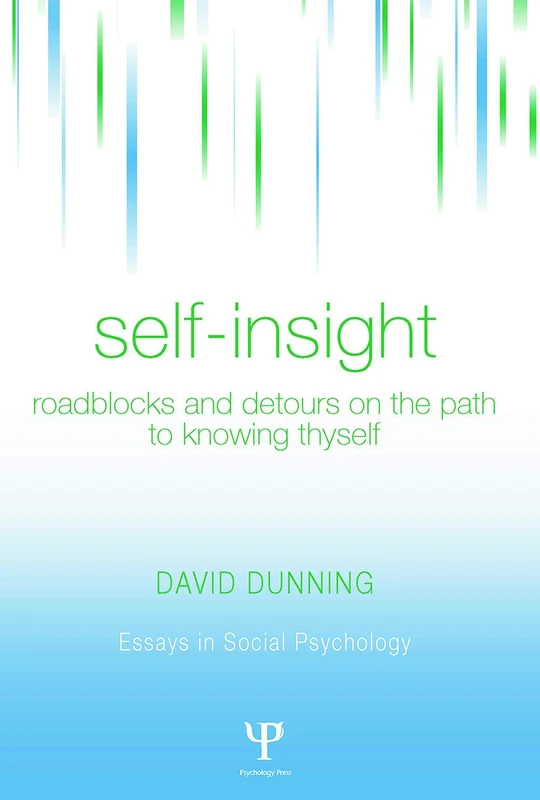
Self-Insight: Roadblocks and Detours on the Path to Knowing Thyself (Essays in Social Psychology)
Routledge

Psychophysics Beyond Sensation: Laws and Invariants of Human Cognition (Scientific Psychology Series)
Routledge

Psychophysics Beyond Sensation: Laws and Invariants of Human Cognition (Scientific Psychology Series)
Psychology Press

Self-Insight: Roadblocks and Detours on the Path to Knowing Thyself (Essays in Social Psychology)
Routledge

Psychology Press - Self and Identity: Personal, Social, Symbolic
Psychology Press

Neuropsychological Assessment in the Age of Evidence-Based Practice: Diagnostic and Treatment Evaluations (National Academy of Neuropsychology: Series on Evidence-Based Practices)
Oxford University Press

Perceptual Organization: 16 (Psychology Library Editions: Perception)
Routledge

Self-Representation: Life Narrative Studies in Identity and Ideology: 18 (International Contributions in Psychology)
Bloomsbury Academic

Working with Autobiographical Memories in Therapy: Assessment and Treatment
Routledge
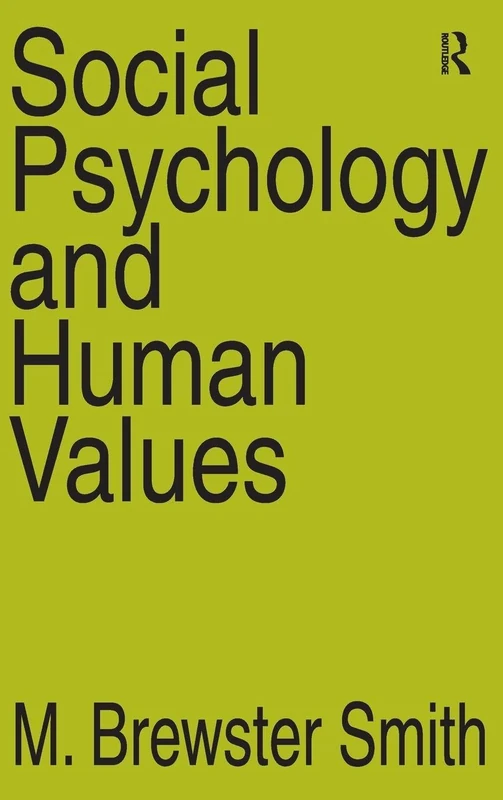
Social Psychology and Human Values: Documenting History, Charting Progress, and Exploring the World
Routledge

Allgemeine Psychologie: Eine Einführung
Springer

PSYCHOLOGY OF SELF CONCEPT (Psychology of Emotions, Motivations and Actions; Perspectives on Cognitive Psychology)

Perceptual Organization (Psychology Library Editions: Perception)
Routledge
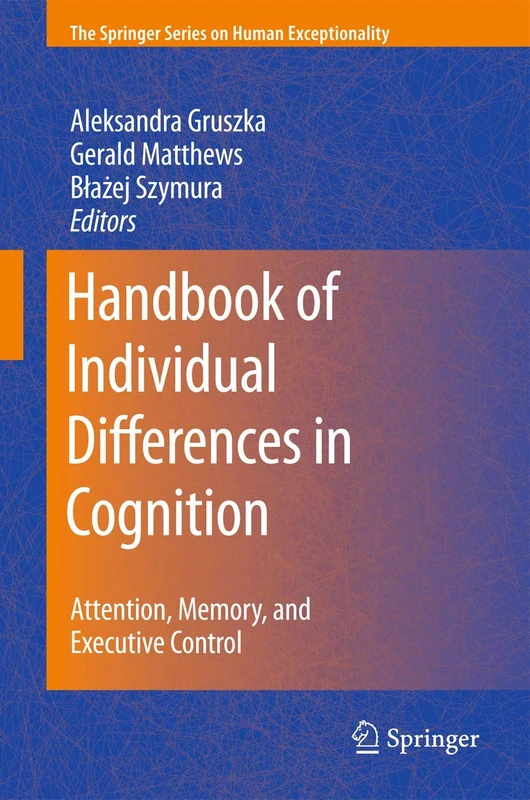
Springer Handbook of Individual Differences in Cognition
Springer
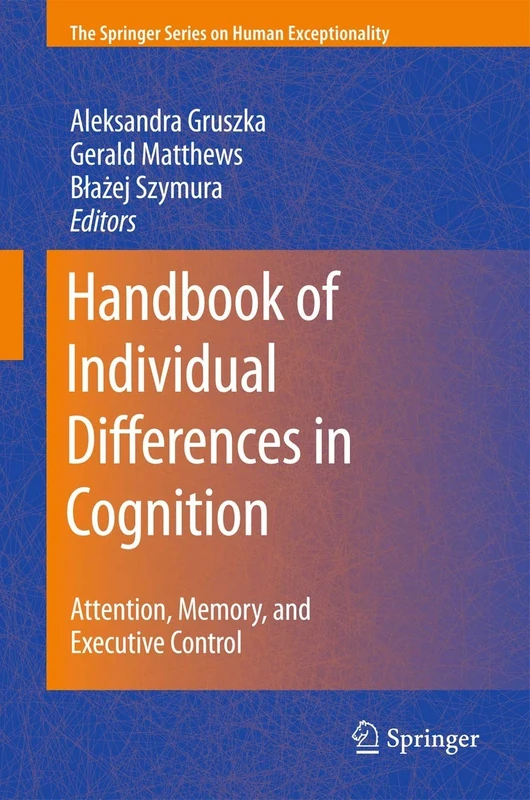
Handbook of Individual Differences in Cognition: Attention, Memory, and Executive Control (The Springer Series on Human Exceptionality)
Springer

Handbook of Advances in Culture and Psychology, Volume 8
Oxford University Press

Human Spatial Memory: Remembering Where
Psychology Press

Psychology (Pearson Education Limited)
PEARSON EDUCATION
Memory and Cognition in Its Social Context
Psychology Press
Experience Sampling Method: Measuring the Quality of Everyday Life
Sage Publications

Cultural Patterns And Neurocognitive Circuits II: East-West Connections: 5 (Exploring Complexity)
Scientific Publishing

Experience Sampling Method: Measuring the Quality of Everyday Life
Sage Publications

Neural Substrates of Memory, Affective Functions, and Conscious Experience: 166 (Advances in Anatomy, Embryology and Cell Biology, 166)
Springer

Exploring Psychology: Critical Readings on the Essentials of Mind, Body, and Behavior
Cognella Academic Publishing