We can't find the internet
Attempting to reconnect
Something went wrong
Hang in there while we get back on track
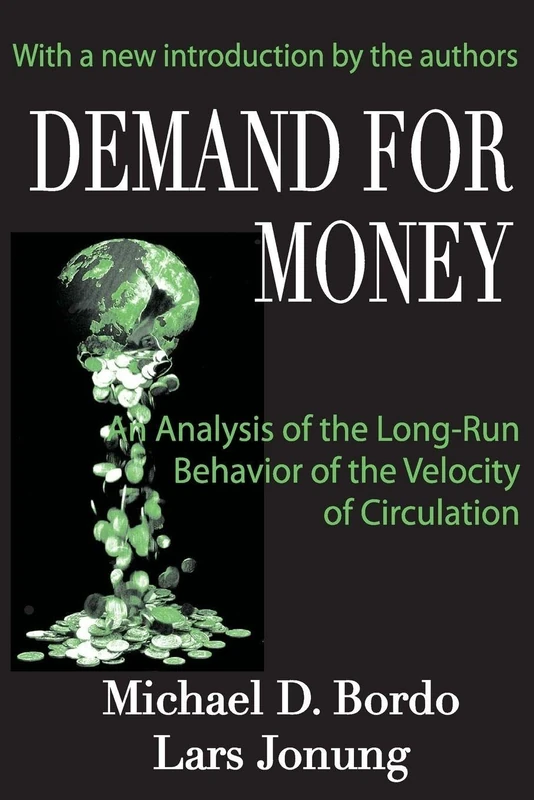
£45.99
About as cheap as it gets — within 5% of the all-time low it hit 3 months ago.
£46 today · all-time low £44 (Jul 2026) · usually £46
Routledge Demand for Money: An Analysis of the Long-run Behavior of the Velocity of Circulation
We'll watch every seller, every day. One email when your price arrives.
Price History & Forecast
Grey patches = out of stock. Cheaper = lower on the chart. Hover for exact prices.
Last 89 days · 89 data points
NEW HERE?
Amazon shows you one price. We show you all of them.
Tosheroon watches Amazon prices so you don't have to. Every product on Amazon has a price history — we make it visible. Set the price you'd actually pay, and we'll email you the second it gets there. No app, no account, one email.
WHAT'S ON THIS PAGE
when this has been cheap or pricey
where the price is heading next
all-time high & low, recent range
name your number, we'll email you
Price Distribution
Price distribution over 89 days • 3 price levels
Price Analysis
Most common price: £46 (57 days, 64.0%)
Price range: £44 - £48
Price levels: 3 different prices over 89 days
Description
Product Specifications
- Brand
- Routledge
- Format
- paperback
- ASIN
- 0765809613
- Domain
- Amazon UK
- Release Date
- 30 June 2003
- Listed Since
- 14 February 2007
Barcode
No barcode data available
Similar Products You Might Like

Demand for Money: Velocity of Circulation Analysis - Bordo & Jonung
Routledge
Inflation Theory in Economics: Welfare, Velocity, Growth and Business Cycles (Routledge International Studies in Money and Banking)
Routledge
Pearson The Demand for Money - Economics Textbook
PEARSON EDUCATION
Money: Understandings and Misunderstandings
MACMILLAN
The Demand for Money: Theoretical and Empirical Approaches
Springer
Monetary Macroeconomics: A New Approach: 15 (Routledge International Studies in Money and Banking)
Routledge
MONEY AND THE ECONOMIC PROCESS
Edward Elgar Publishing
Manipulating World Economy: Modern Monetary Theory vs Classical Economics
Gatekeeper Press

Money on the Move: The Revolution in International Finance since 1980
Princeton University Press
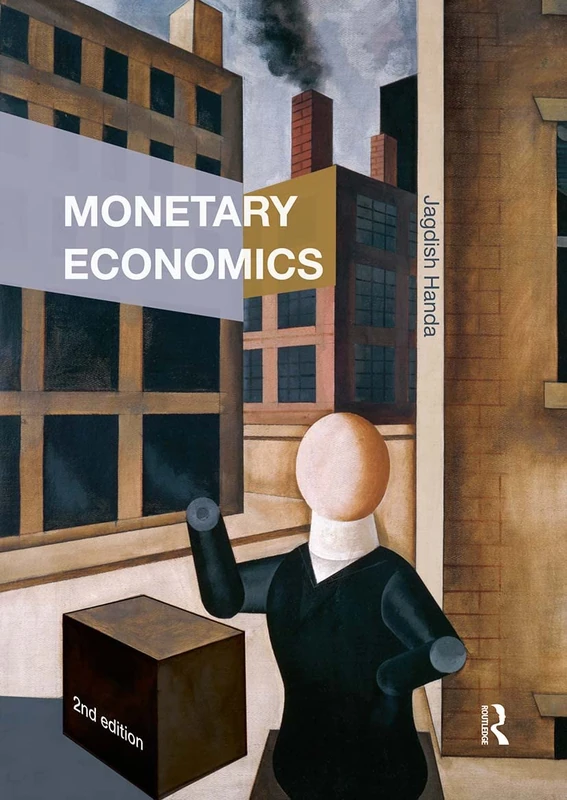
Monetary Economics
Routledge
Monetary Theory and Monetary Policy: The Selected essays of karl brunner volume Two (Economists of the Twentieth Century series)
Edward Elgar Publishing
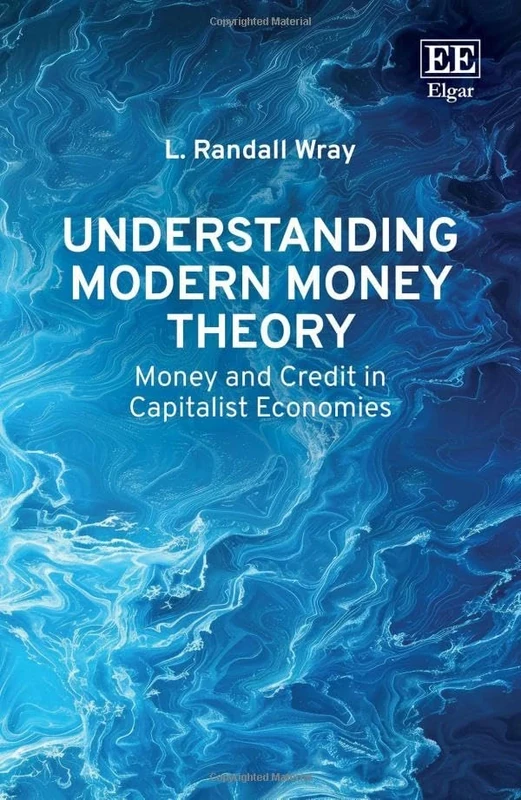
Edward Elgar - Understanding Modern Money Theory Book
Edward Elgar Publishing
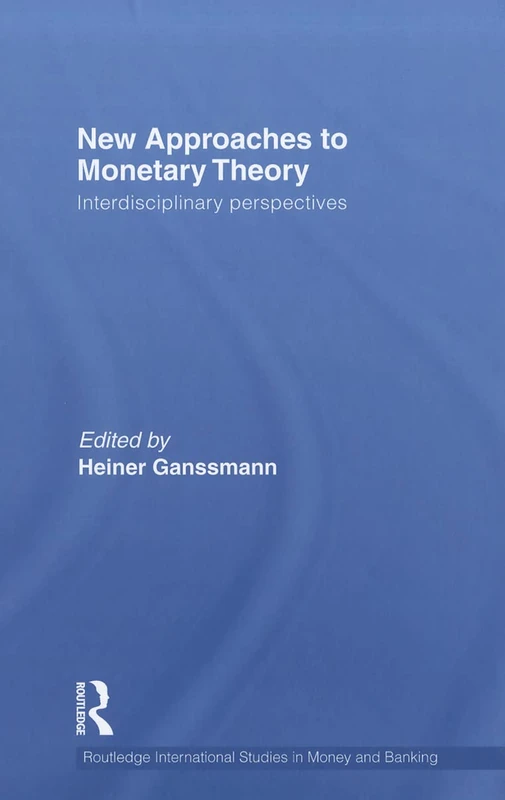
New Approaches to Monetary Theory - Routledge Interdisciplinary Perspectives
Routledge

Money, Financial Institutions and Macroeconomics: 53 (Recent Economic Thought, 53)
Springer

Money, Financial Institutions and Macroeconomics: 53 (Recent Economic Thought, 53)
Springer
The Economics and Politics of Money: The Selected Essays of Alan Walters (Economists of the Twentieth Century series)
Edward Elgar Publishing
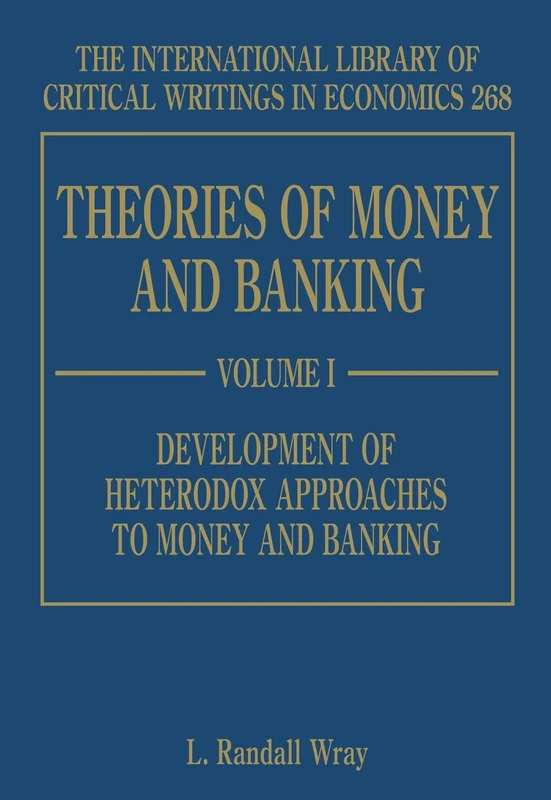
Theories of Money and Banking (The International Library of Critical Writings in Economics series)
Edward Elgar Publishing
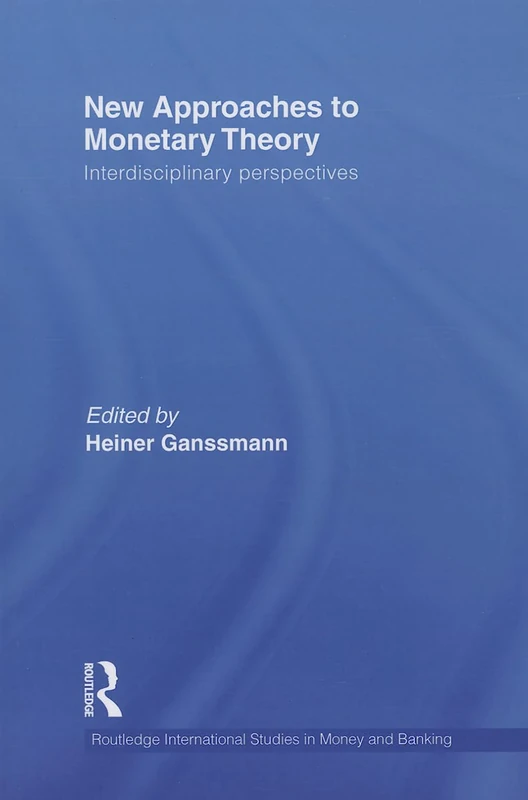
New Approaches to Monetary Theory: Interdisciplinary Perspectives (Routledge International Studies in Money and Banking)
Routledge
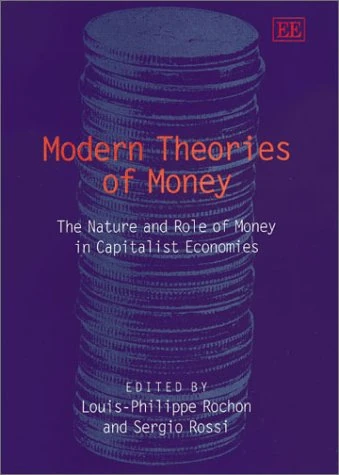
Modern Theories of Money: The Nature and Role of Money in Capitalist Economies
Edward Elgar Publishing
Money in Motion: The Post-Keynesian and Circulation Approaches (Jerome Levy Economics Institute)
MACMILLAN
The World's Money (RLE: Banking & Finance): How it works (Routledge Library Editions: Banking & Finance)
Routledge

Money and Inflation at the Time of Covid
Edward Elgar Publishing

Monetary Policy and Central Banking in Korea
Cambridge University Press

Strong Money Demand in Financing War and Peace: The Cases of Wartime and Contemporary Japan: 28 (Advances in Japanese Business and Economics, 28)
Springer