We can't find the internet
Attempting to reconnect
Something went wrong
Hang in there while we get back on track
£43.19
It has never been this cheap. We have no record of a lower price.
£43 today · cheaper than every other day in the last 3 months
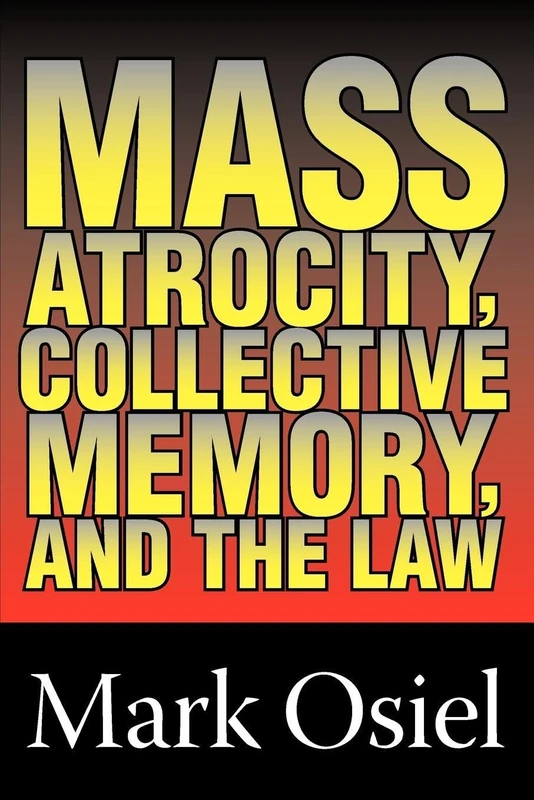
Routledge Mass Atrocity, Collective Memory, and the Law
We'll watch every seller, every day. One email when your price arrives.
Price History & Forecast
Grey patches = out of stock. Cheaper = lower on the chart. Hover for exact prices.
Last 82 days · 82 data points (no recent data)
NEW HERE?
Amazon shows you one price. We show you all of them.
Tosheroon watches Amazon prices so you don't have to. Every product on Amazon has a price history — we make it visible. Set the price you'd actually pay, and we'll email you the second it gets there. No app, no account, one email.
WHAT'S ON THIS PAGE
when this has been cheap or pricey
where the price is heading next
all-time high & low, recent range
name your number, we'll email you
Price Distribution
Price distribution over 82 days • 4 price levels
Price Analysis
Most common price: £49 (48 days, 58.5%)
Price range: £43 - £50
Price levels: 4 different prices over 82 days
Description
Product Specifications
- Brand
- Routledge
- Format
- paperback
- ASIN
- 0765806630
- Domain
- Amazon UK
- Release Date
- 30 September 1999
- Listed Since
- 14 February 2007
Barcode
No barcode data available
Similar Products You Might Like
Mass Atrocity, Collective Memory, and the Law - Routledge
Routledge
Genocide: Critical Concepts in Historical Studies
Routledge
A Biographical Encyclopedia of Contemporary Genocide: Portraits of Evil and Good
Bloomsbury
The Prevention and Intervention of Genocide: Genocide: A Critical Bibliographic Review: 6
Routledge
Handbook of Genocide Studies
Edward Elgar Publishing
Advancing Genocide Studies: Personal Accounts and Insights from Scholars in the Field
Routledge
Genocide: A Normative Account
Cambridge University Press

Anti-Genocide: Building an American Movement to Prevent Genocide
Bloomsbury
Crime of Destruction and Law of Genocide - Routledge
Routledge
The Concept of Genocide in International Criminal Law: Developments after Lemkin
Routledge
Multidisciplinary Perspectives on Genocide and Memory
Springer
Responding to Modern Genocide: Law and Politics
Routledge
Genocide at the Millennium: Genocide: A Critical Bibliographic Review
Routledge
Pioneers of Genocide Studies
Routledge
The Laws of Genocide: Prescriptions for a Just World (Praeger Security International)
Bloomsbury
Genocide at the Millennium - Critical Review Volume 5
Routledge

Genocidal Crimes (Key Ideas in Criminology)
Routledge
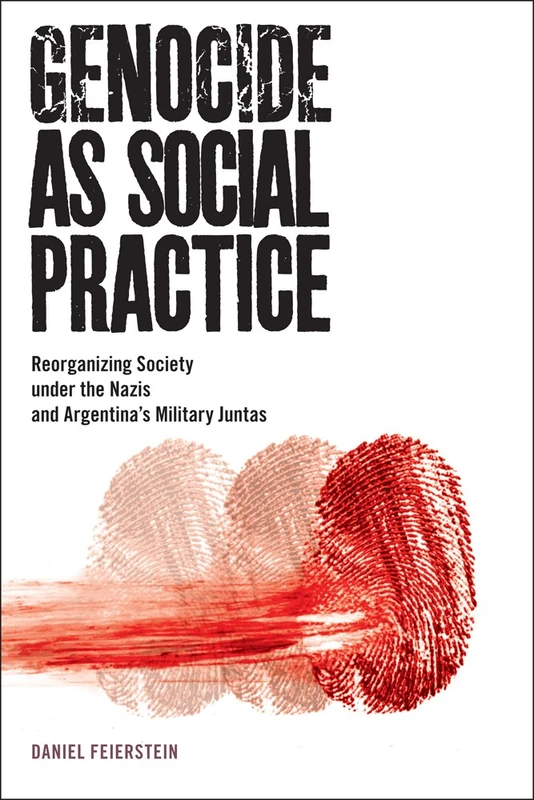
Genocide as Social Practice: Reorganizing Society under the Nazis and Argentina's Military Juntas (Genocide, Political Violence, Human Rights)
Rutgers University Press
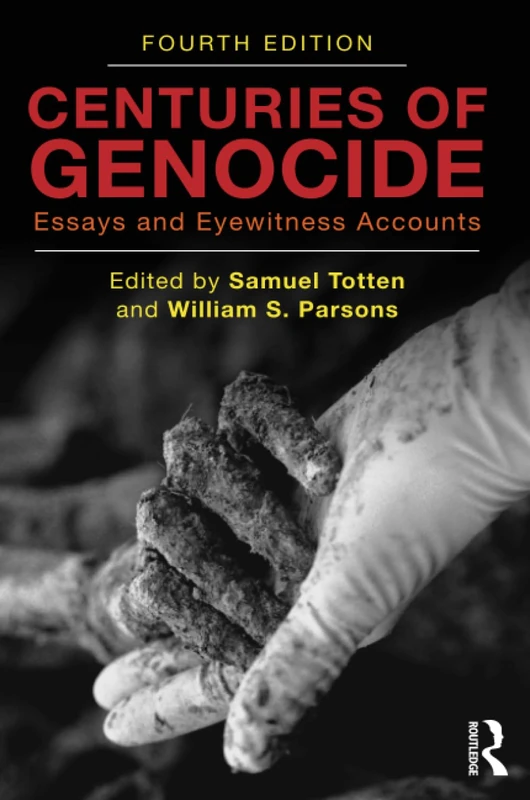
Centuries of Genocide: Essays and Eyewitness Accounts
Routledge

Holocaust, Genocide, and the Law: A Quest for Justice in a Post-Holocaust World
Oxford University Press
Perpetrating Genocide: A Criminological Account (Routledge Studies in Genocide and Crimes against Humanity)
Routledge

A Cultural History of Genocide: Volumes 1-6 (The Cultural Histories Series)
Bloomsbury
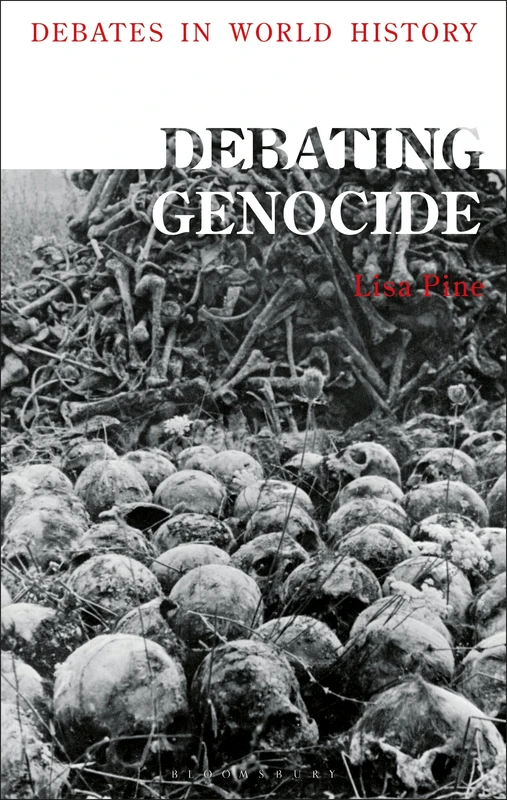
Debating Genocide (Debates in World History)
Bloomsbury
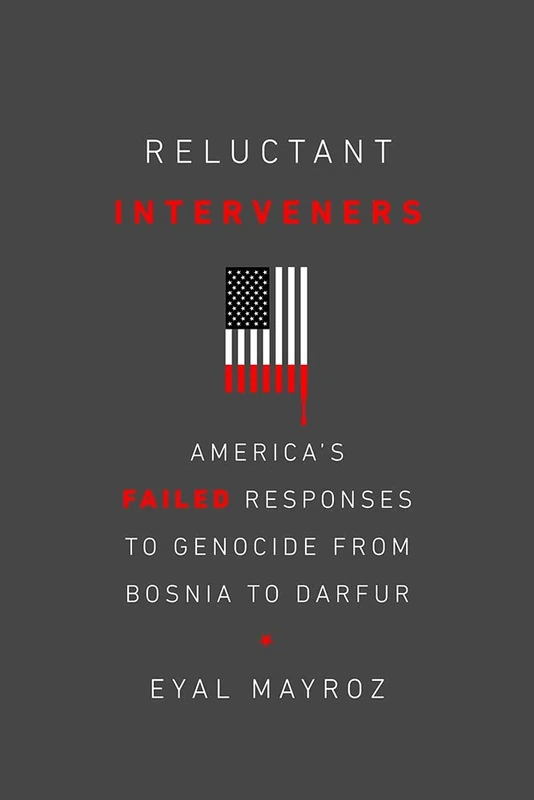
Reluctant Interveners: America's Failed Responses to Genocide from Bosnia to Darfur (Genocide, Political Violence, Human Rights)
Rutgers University Press