We can't find the internet
Attempting to reconnect
Something went wrong
Hang in there while we get back on track
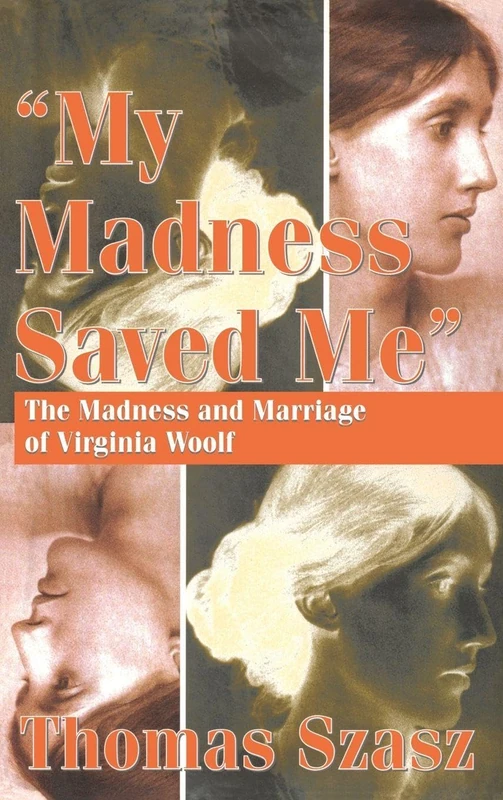
£81.87
It has never been this cheap. We have no record of a lower price.
£82 today · cheaper than every other day in the last 3 months
Routledge My Madness Saved Me: The Madness and Marriage of Virginia Woolf
We'll watch every seller, every day. One email when your price arrives.
Price History & Forecast
Grey patches = out of stock. Cheaper = lower on the chart. Hover for exact prices.
Last 62 days · 62 data points (no recent data)
NEW HERE?
Amazon shows you one price. We show you all of them.
Tosheroon watches Amazon prices so you don't have to. Every product on Amazon has a price history — we make it visible. Set the price you'd actually pay, and we'll email you the second it gets there. No app, no account, one email.
WHAT'S ON THIS PAGE
when this has been cheap or pricey
where the price is heading next
all-time high & low, recent range
name your number, we'll email you
Price Distribution
Price distribution over 62 days • 1 price levels
Price Analysis
Most common price: £82 (62 days, 100.0%)
Price range: £82 - £82
Price levels: 1 different prices over 62 days
Description
Product Specifications
- Brand
- Routledge
- Format
- hardcover
- ASIN
- 0765803216
- Domain
- Amazon UK
- Release Date
- 30 January 2006
- Listed Since
- 10 December 2006
Barcode
No barcode data available
Similar Products You Might Like

Virginia Woolf's Rooms and the Spaces of Modernity (Geocriticism and Spatial Literary Studies)
Palgrave

Virginia Woolf and the Madness of Language: 3 (Routledge Library Editions: Virginia Woolf)
Routledge
Virginia Woolf: Feminism, Creativity, and the Unconscious: 84 (Contributions to the Study of World Literature)
Bloomsbury
Thinking in Literature: Joyce, Woolf, Nabokov
Bloomsbury
Virginia Woolf’s Unwritten Histories: Conversations with the Nineteenth Century (Among the Victorians and Modernists)
Routledge
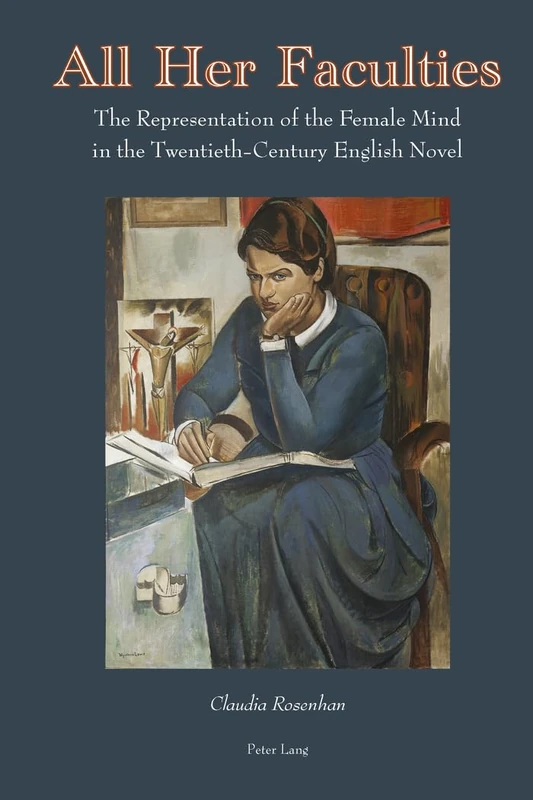
All Her Faculties: The Representation of the Female Mind in the Twentieth-Century English Novel
Peter Lang Gmbh, Internationaler Verlag Der Wissenschaften
Madness and the Social Link - Jean-Max Gaudilliere Seminars 1985-2000
Routledge

Fighting Melancholia: Don Quixote's Teaching
Routledge

Insane Society: Sociology of Mental Health - Routledge
Routledge
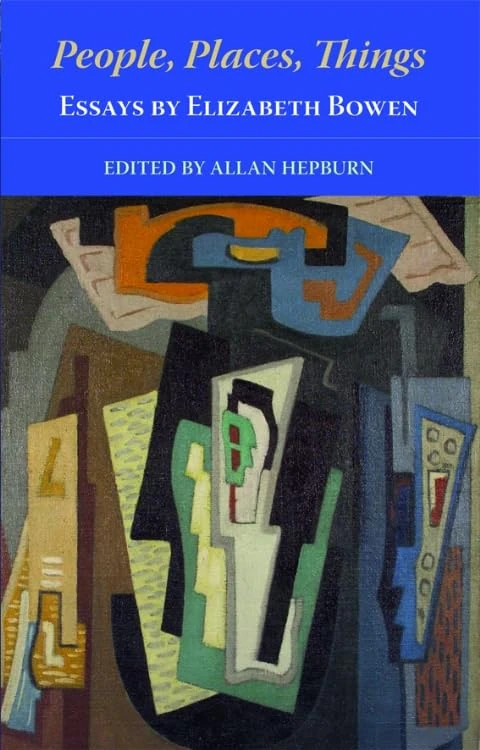
People, Places, Things: Essays by Elizabeth Bowen
Edinburgh University Press

Modernist Short Fiction by Women: The Liminal in Katherine Mansfield, Dorothy Richardson, May Sinclair and Virginia Woolf
Routledge