We can't find the internet
Attempting to reconnect
Something went wrong
Hang in there while we get back on track
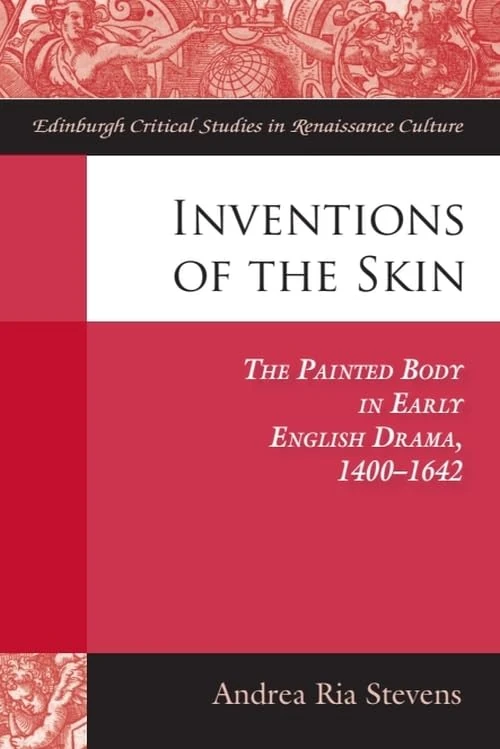
£119.99
Cheaper than 56% of the days we've watched it.
£120 today · 30-day average £124 · all-time low £71
Edinburgh University Press Inventions of the Skin: The Painted Body in Early English Drama (Edinburgh Critical Studies in Renaissance Culture)
Price data last checked 13 day(s) ago - will refresh soon
We'll watch every seller, every day. One email when your price arrives.
Price History & Forecast
Grey patches = out of stock. Cheaper = lower on the chart. Hover for exact prices.
Last 78 days · 78 data points (no recent data)
Price data last checked 13 day(s) ago - will refresh soon
NEW HERE?
Amazon shows you one price. We show you all of them.
Tosheroon watches Amazon prices so you don't have to. Every product on Amazon has a price history — we make it visible. Set the price you'd actually pay, and we'll email you the second it gets there. No app, no account, one email.
WHAT'S ON THIS PAGE
when this has been cheap or pricey
where the price is heading next
all-time high & low, recent range
name your number, we'll email you
Price Distribution
Price distribution over 78 days • 5 price levels
Price Analysis
Most common price: £122 (28 days, 35.9%)
Price range: £71 - £125
Price levels: 5 different prices over 78 days
Description
Product Specifications
- Format
- hardcover
- ASIN
- 0748670491
- Domain
- Amazon UK
- Release Date
- 11 June 2013
- Listed Since
- 23 November 2012
Barcode
No barcode data available
Similar Products You Might Like
Shakespeare in the Theatre: The National Theatre, 1963-1975: Olivier and Hall
Bloomsbury
SOMGKIN 8 Colors Face & Body Paint Palette Kit - Halloween SFX Makeup
SOMGKIN

BOBISUKA Red Face and Body Paint - Fast Drying Liquid Makeup
BOBISUKA

Snazaroo Dark Brown Face Paint - Water Based & Washable
Snazaroo
Shakespeare and the Power of the Face
Routledge
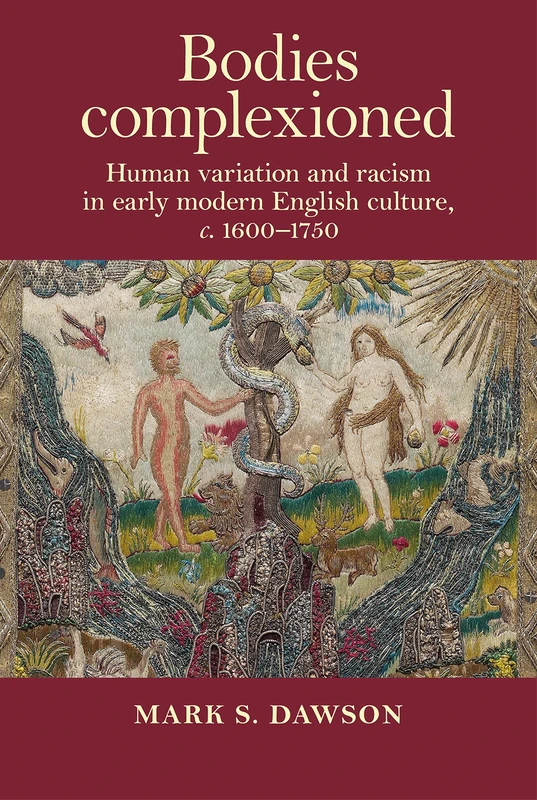
Bodies Complexioned: Human Variation and Racism in Early Modern English Culture, c. 1600–1750
Manchester University Press

The Actor as Playwright in Early Modern Drama
Cambridge University Press

Shakespeare and the Cultivation of Difference: Race and Conduct in the Early Modern World (Routledge Studies in Shakespeare)
Routledge
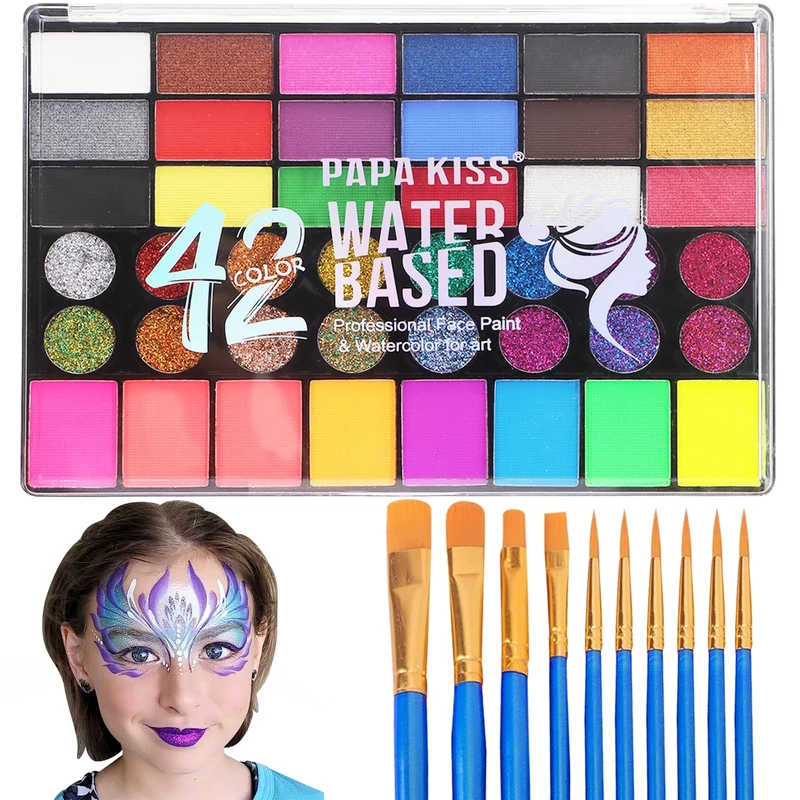
Zefphxs Face Paint Kit - 42 Colors with 10 Brushes, Washable
Zefphxs

Mysense Pastel Green Water-Based Face & Body Paint Stick - 15g
Mysense
Price unavailable
Things of Darkness: Economies of Race and Gender in Early Modern England
Cornell University Press

Shakespeare and the Cultivation of Difference: Race and Conduct in the Early Modern World (Routledge Studies in Shakespeare)
Routledge

Gender, Speech, and Audience Reception in Early Modern England
Routledge
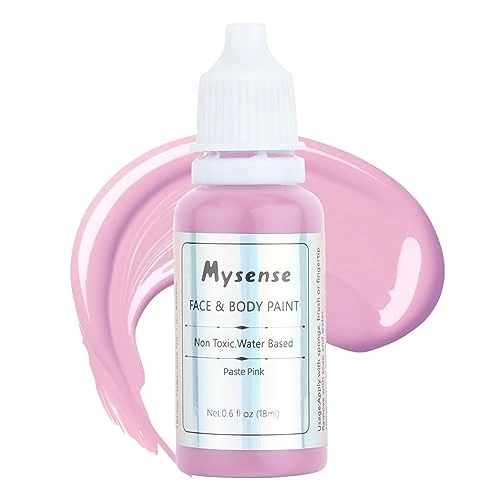
Mysense Pastel Pink Face and Body Paint - Water Based SFX Makeup
Mysense
Price unavailable
Cavendish and Shakespeare, Interconnections
Routledge

Go Ho Pink Face and Body Paint - 2.37oz Water Based Makeup
Go Ho
Price unavailable
Go Ho Light Blue Face Paint Stick - 1.06 Oz Water Based Cream
Go Ho
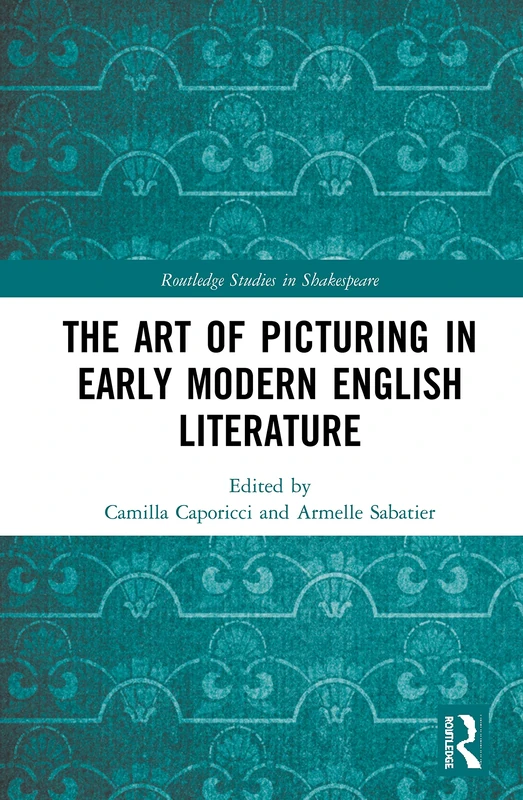
The Art of Picturing in Early Modern English Literature (Routledge Studies in Shakespeare)
Routledge
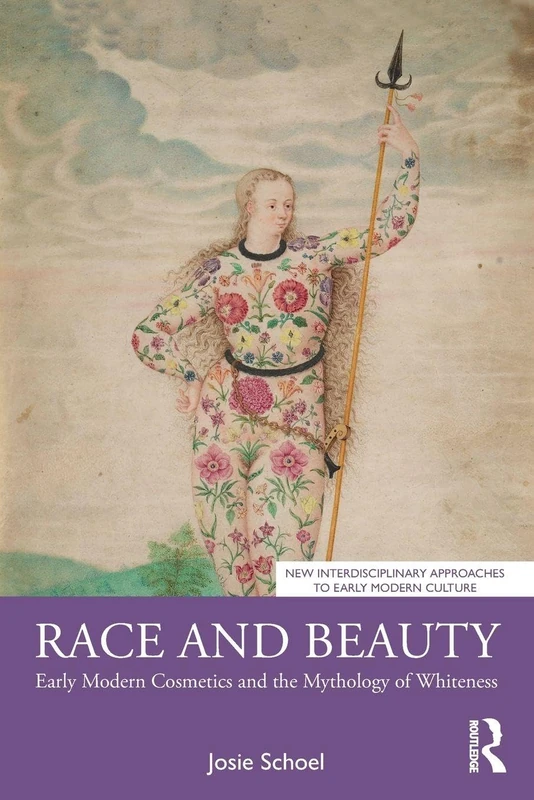
Race and Beauty: Early Modern Cosmetics and the Mythology of Whiteness (New Interdisciplinary Approaches to Early Modern Culture)
Routledge

Routledge Women and Dramatic Production 1550-1700 Book
Routledge

BADCOLOR Dull Red Face and Body Paint Stick - SFX Makeup
BADCOLOR

Staged Properties in Early Modern English Drama
Cambridge University Press

Funki Face & Body Paint - Black and White Oil-Based Kit
Funki Face & Body Paint
Price unavailable
SK INFINITY Classic Dark Orange Face and Body Paint - 18ml
SK INFINITY
Price unavailable