We can't find the internet
Attempting to reconnect
Something went wrong
Hang in there while we get back on track
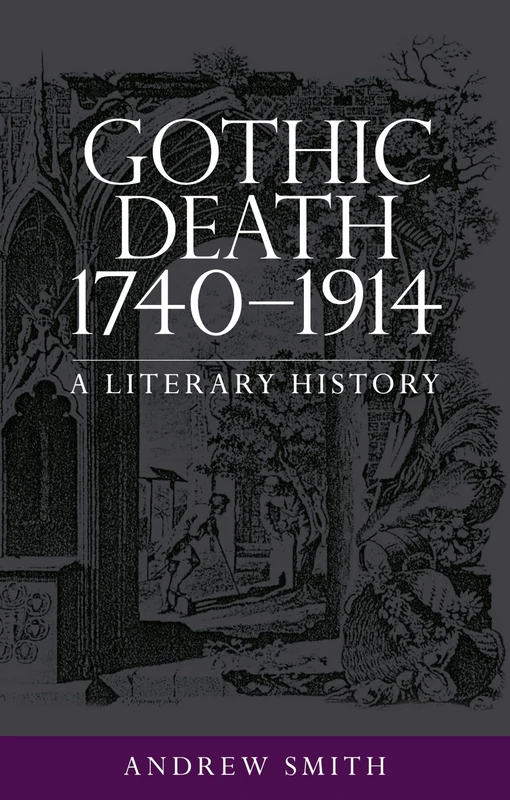
£62.15
Manchester University Press Gothic Death 1740–1914: A Literary History
Price data last checked 15 day(s) ago - will refresh soon
We'll watch every seller, every day. One email when your price arrives.
This is the most expensive it has ever been. Walk away.
£62 today · previous high £62 · all-time low £62
NEW HERE?
Amazon shows you one price. We show you all of them.
Tosheroon watches Amazon prices so you don't have to. Every product on Amazon has a price history — we make it visible. Set the price you'd actually pay, and we'll email you the second it gets there. No app, no account, one email.
WHAT'S ON THIS PAGE
when this has been cheap or pricey
where the price is heading next
all-time high & low, recent range
name your number, we'll email you
Price History & Forecast
Grey patches = out of stock. Cheaper = lower on the chart. Hover for exact prices.
Last 76 days · 76 data points (no recent data)
Price Distribution
Price distribution over 76 days • 1 price levels
Price Analysis
Most common price: £62 (76 days, 100.0%)
Price range: £62 - £62
Price levels: 1 different prices over 76 days
Description
Product Specifications
- Format
- hardcover
- ASIN
- 0719088410
- Category
- Books > Subjects > Poetry, Drama & Criticism > History & Criticism > Literary Theory & Movements
- Domain
- Amazon UK
- Release Date
- 23 August 2016
- Listed Since
- 30 March 2016
Barcode
No barcode data available
Similar Products You Might Like
The Gothic and Death (International Gothic Series)
Manchester University Press

Sex and Death in Eighteenth-Century Literature (Routledge Studies in Eighteenth-Century Literature)
Routledge
Gothic Utterance: Voice, Speech and Death in the American Gothic (Gothic Literary Studies)
University of Wales Press

Tod und Erzählen: Wege Der Literarischen Moderne Um 1900: 146 (Studien Zur Deutschen Literatur)
De Gruyter
Victorian Gothic: Literary and Cultural Manifestations in the Nineteenth Century
MACMILLAN
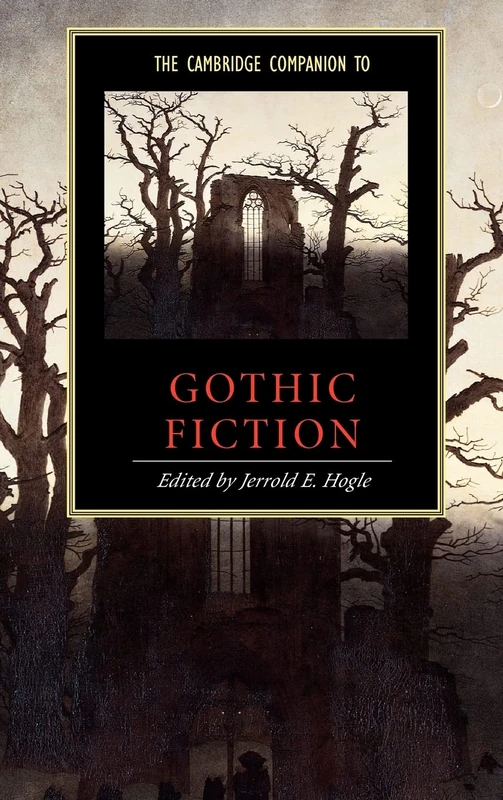
The Cambridge Companion to Gothic Fiction (Cambridge Companions to Literature)
Cambridge University Press
Gothic Radicalism: Literature, Philosophy and Psychoanalysis in the Nineteenth Century
MACMILLAN

The Place of the Dead: Death and Remembrance in Late Medieval and Early Modern Europe
Cambridge University Press
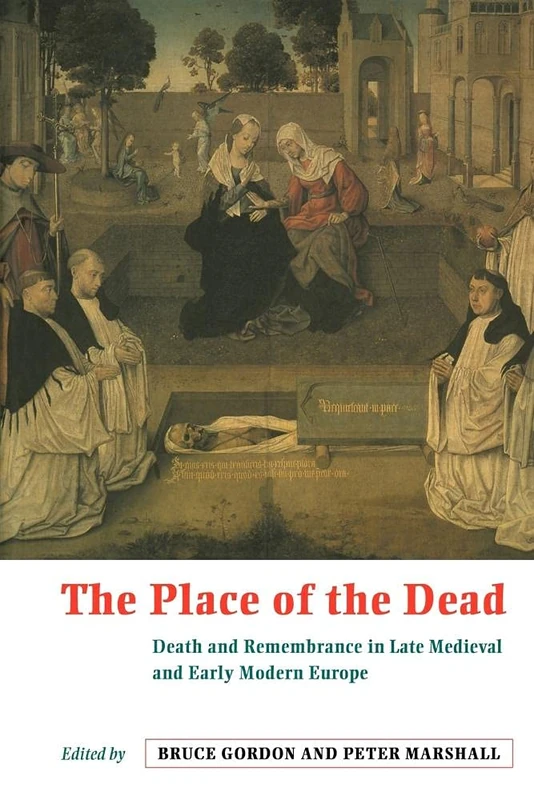
The Place of the Dead: Death and Remembrance in Late Medieval and Early Modern Europe
Cambridge University Press
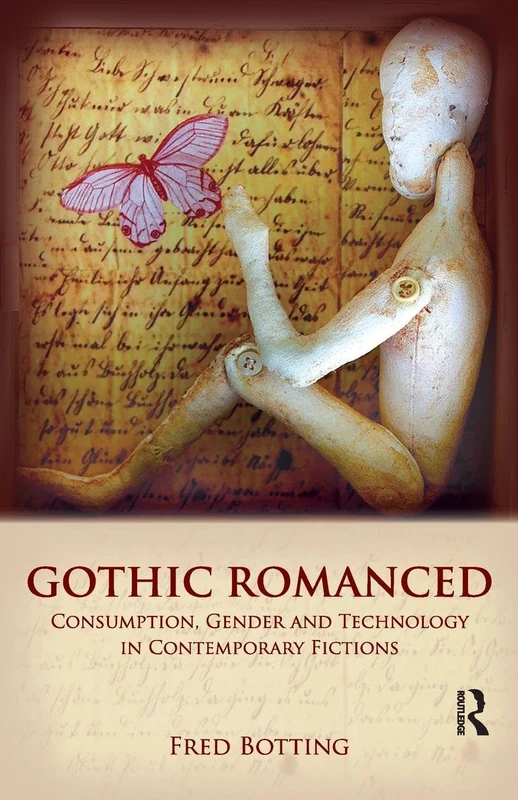
Gothic Romanced: Consumption, Gender and Technology in Contemporary Fictions
Routledge
War Gothic in Literature and Culture (Routledge Interdisciplinary Perspectives on Literature)
Routledge

The English Novel In History 1840-1895
Routledge
Australian Gothic: A Cinema of Horrors (Gothic Literary Studies)
University of Wales Press
Narrative Fiction and Death: Dying Imagined (Routledge Studies in Literature and Health Humanities)
Routledge
Gothic Dissections in Film and Literature: The Body in Parts (Palgrave Gothic)
MACMILLAN
Narrating Death: The Limit of Literature (Routledge Studies in Comparative Literature)
Routledge
Haunting Modernisms: Ghostly Aesthetics, Mourning, and Spectral Resistance Fantasies in Literary Modernism
Springer

Death and Digital Media
Routledge
Disease and Death in Eighteenth-Century Literature and Culture: Fashioning the Unfashionable (Palgrave Studies in Literature, Science and Medicine)
MACMILLAN
The Gothic at War: Masculinity in Conflict, 1760 - 1818 (Gothic Literary Studies)
University of Wales Press
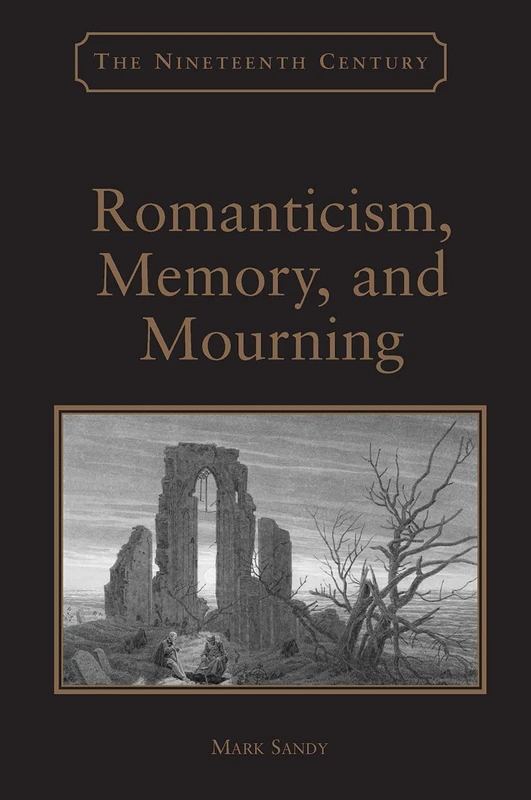
Romanticism, Memory, and Mourning
Routledge
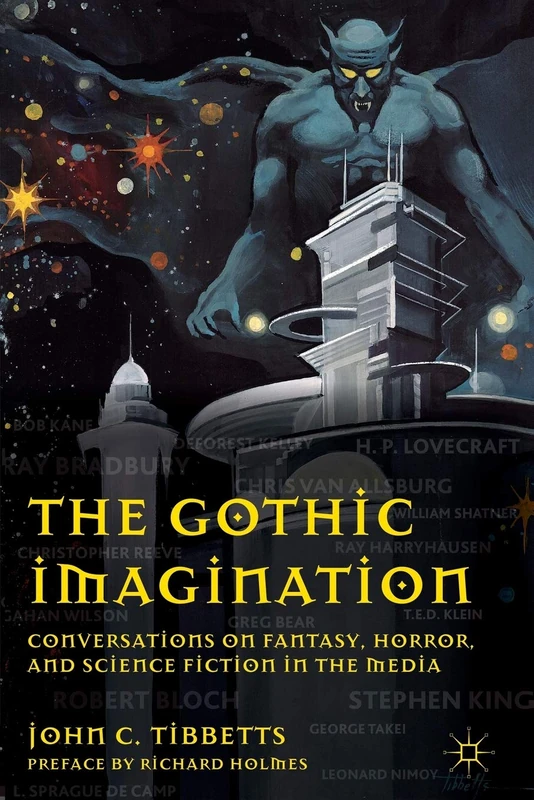
The Gothic Imagination: Conversations on Fantasy, Horror, and Science Fiction in the Media
MACMILLAN
Videogames and the Gothic (Routledge Advances in Game Studies)
Routledge
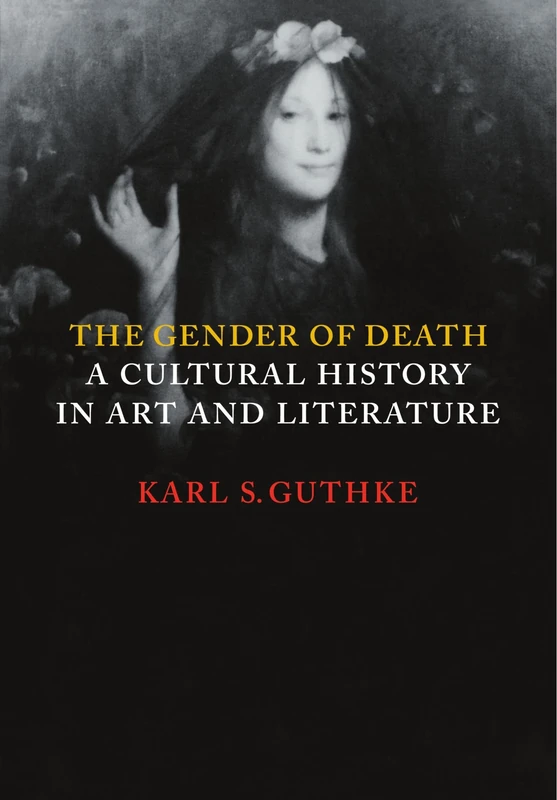
The Gender of Death: A Cultural History in Art and Literature
Cambridge University Press