We can't find the internet
Attempting to reconnect
Something went wrong
Hang in there while we get back on track
£53.50
It has never been this cheap. We have no record of a lower price.
£54 today · cheaper than every other day in the last 3 months
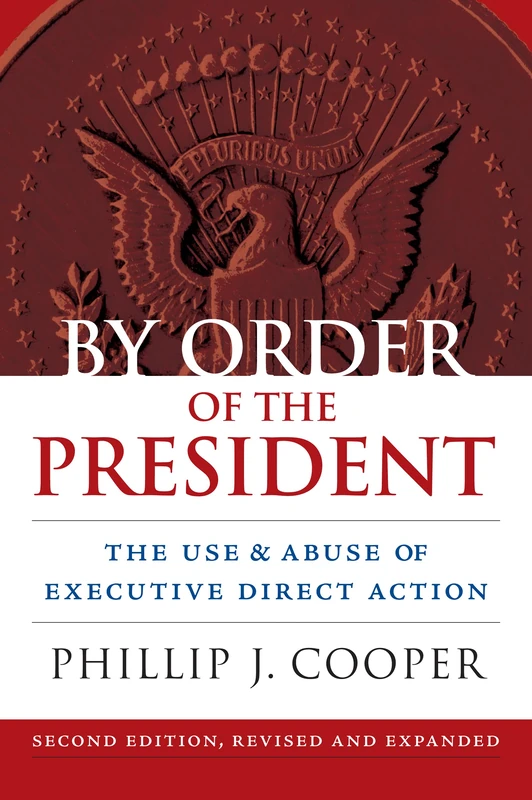
University Press of Kansas By Order of the President: The Use and Abuse of Executive Direct Action (Studies in Government and Public Policy)
Price data last checked 30 day(s) ago - will refresh soon
We'll watch every seller, every day. One email when your price arrives.
Price History & Forecast
Grey patches = out of stock. Cheaper = lower on the chart. Hover for exact prices.
Last 61 days · 61 data points (no recent data)
Price data last checked 30 day(s) ago - will refresh soon
NEW HERE?
Amazon shows you one price. We show you all of them.
Tosheroon watches Amazon prices so you don't have to. Every product on Amazon has a price history — we make it visible. Set the price you'd actually pay, and we'll email you the second it gets there. No app, no account, one email.
WHAT'S ON THIS PAGE
when this has been cheap or pricey
where the price is heading next
all-time high & low, recent range
name your number, we'll email you
Price Distribution
Price distribution over 61 days • 1 price levels
Price Analysis
Most common price: £54 (61 days, 100.0%)
Price range: £54 - £54
Price levels: 1 different prices over 61 days
Description
Product Specifications
- Format
- hardcover
- ASIN
- 0700620117
- Domain
- Amazon UK
- Release Date
- 30 December 2014
- Listed Since
- 23 May 2014
Barcode
No barcode data available
Similar Products You Might Like
Supreme Court Expansion of Presidential Power: Unconstitutional Leanings
University Press of Kansas
The Enigma of Presidential Power: Parties, Policies and Strategic Uses of Unilateral Action
Cambridge University Press
The Cavalier Presidency: Executive Power and Prerogative in Times of Crisis
Lexington Books
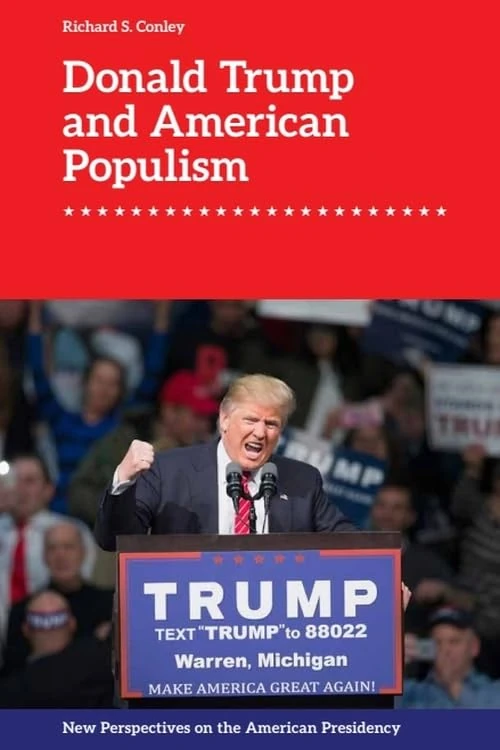
Donald Trump and American Populism (New Perspectives on the American Presidency)
Edinburgh University Press
On the Presidency: Teacher, Soldier, Shaman, Pol (On Politics)
Routledge
The Challenge of the American Presidency: Washington to Obama
Lexington Books
Presidential Politics after Woodstock: Exit Right to Hurd Road
Peter Lang Gmbh, Internationaler Verlag Der Wissenschaften
Presidential Power: Theories and Dilemmas - John P. Burke
Routledge
Edward Elgar Politics, Ethics and Change - Burns Leadership
Edward Elgar Publishing
Presidential Crisis Rhetoric and the Press in the Post-Cold War World (Praeger Political Communication)
Bloomsbury
The Imperiled Presidency: Leadership Challenges in the Twenty-First Century
Rowman & Littlefield Publishers
What Government Does: How Political Executives Manage Different Agencies
Rowman & Littlefield Publishers
Student′s Guide to the Presidency: 3 (Student's Guide to the U.S. Government)
CQ Press
Presidential Leadership and the Trump Presidency: Executive Power and Democratic Government (The Evolving American Presidency)
MACMILLAN
The Executive Branch of Federal Government: People, Process, and Politics (ABC-CLIO's About Federal Government)
Bloomsbury
Presidentialism, Violence, and the Prospect of Democracy
Bloomsbury
Francois Mitterrand: A Study in Political Leadership
Routledge
The Dual State: Parapolitics, Carl Schmitt and the National Security Complex (International and Comparative Criminal Justice)
Routledge
The Bully Pulpit: Presidential Rhetoric from Theodore Roosevelt to Donald J. Trump
Cognella Academic Publishing
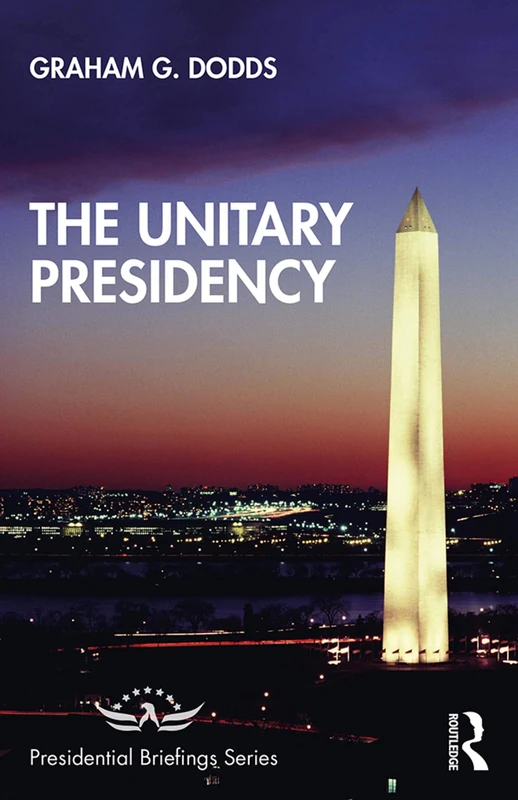
The Unitary Presidency - Presidential Briefings Series
Routledge
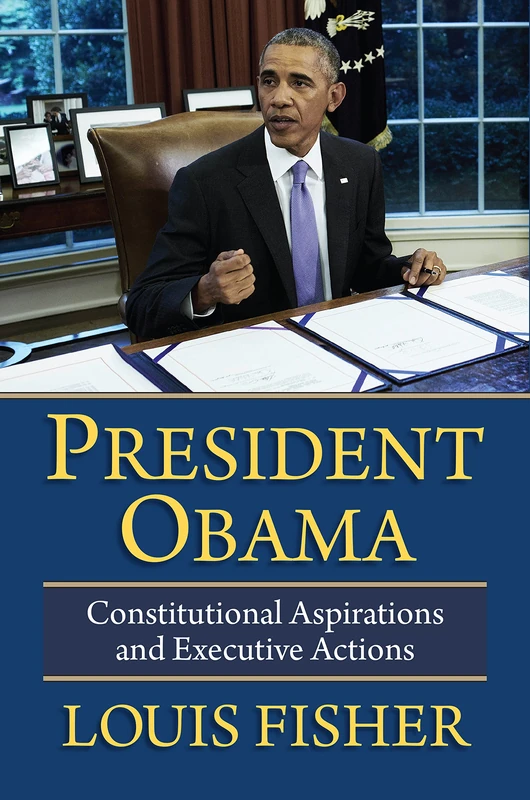
President Obama: Constitutional Aspirations and Executive Actions
University Press of Kansas
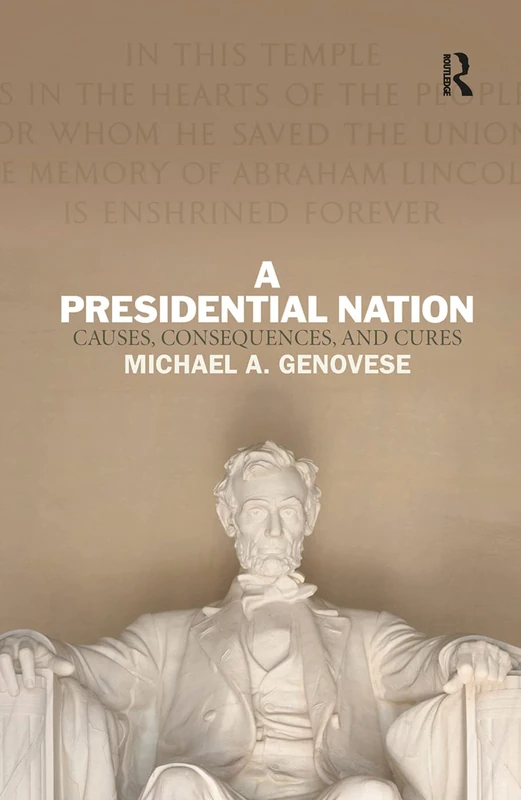
A Presidential Nation: Causes, Consequences, and Cures
Routledge
Celebrity in Chief: Presidents and Stardom History
Routledge

Operational Code Analysis and Foreign Policy Roles: Crossing Simon’s Bridge (Routledge Advances in International Relations and Global Politics)
Routledge