We can't find the internet
Attempting to reconnect
Something went wrong
Hang in there while we get back on track
£34.98
It has never been this cheap. We have no record of a lower price.
£35 today · cheaper than every other day in the last 3 months
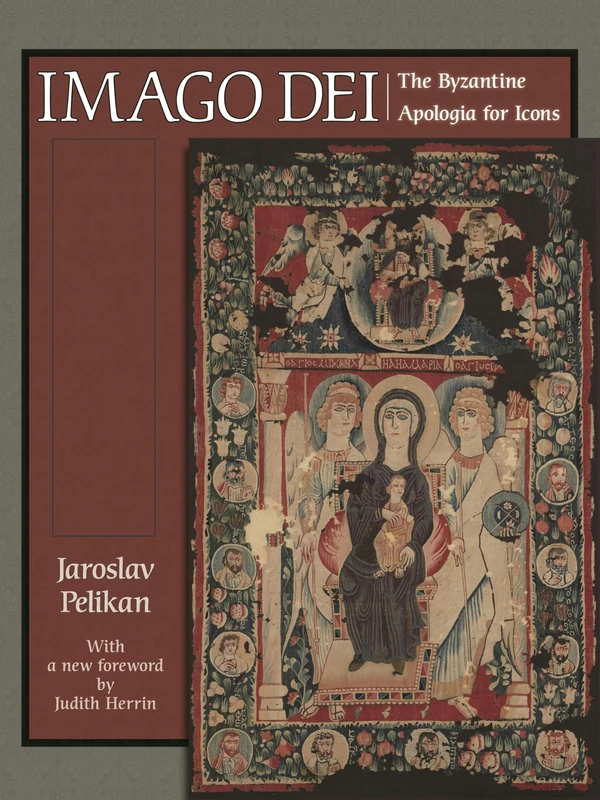
Princeton University Press Imago Dei: The Byzantine Apologia for Icons (The A. W. Mellon Lectures in the Fine Arts)
50 halftones.
Price data last checked 31 day(s) ago - refreshing...
We'll watch every seller, every day. One email when your price arrives.
Price History & Forecast
Grey patches = out of stock. Cheaper = lower on the chart. Hover for exact prices.
Last 60 days · 60 data points (no recent data)
50 halftones.
Price data last checked 31 day(s) ago - refreshing...
NEW HERE?
Amazon shows you one price. We show you all of them.
Tosheroon watches Amazon prices so you don't have to. Every product on Amazon has a price history — we make it visible. Set the price you'd actually pay, and we'll email you the second it gets there. No app, no account, one email.
WHAT'S ON THIS PAGE
when this has been cheap or pricey
where the price is heading next
all-time high & low, recent range
name your number, we'll email you
Price Distribution
Price distribution over 60 days • 7 price levels
Price Analysis
Most common price: £48 (25 days, 41.7%)
Price range: £35 - £73
Price levels: 7 different prices over 60 days
Description
Product Specifications
- Model
- 50 halftones.
- Format
- paperback
- ASIN
- 0691141258
- Domain
- Amazon UK
- Release Date
- 26 September 2011
- Listed Since
- 18 March 2011
Barcode
No barcode data available
Similar Products You Might Like
Iconophilia: Politics, Religion, Preaching, and the Use of Images in Rome, c.680 - 880: 27 (Birmingham Byzantine and Ottoman Studies)
Routledge
Iconophilia: Politics, Religion, Preaching, and the Use of Images in Rome, c.680 - 880: 27 (Birmingham Byzantine and Ottoman Studies)
Routledge
Images of the Divine: The Theology of Icons at the Seventh Ecumenical Council - Revised Edition: 122 (Studies in the History of Christian Traditions, 122)
Brill
Iconoclasm from Antiquity to Modernity
Routledge

Literary Circles in Byzantine Iconoclasm: Patrons, Politics and Saints
Cambridge University Press
Iconoclasm from Antiquity to Modernity - Routledge
Routledge
The Cult of the Mother of God in Byzantium: Texts and Images (Birmingham Byzantine and Ottoman Studies)
Routledge
YOUCANPRINT The Icon Painter's Handbook - Byzantine Egg Tempera
YOUCANPRINT
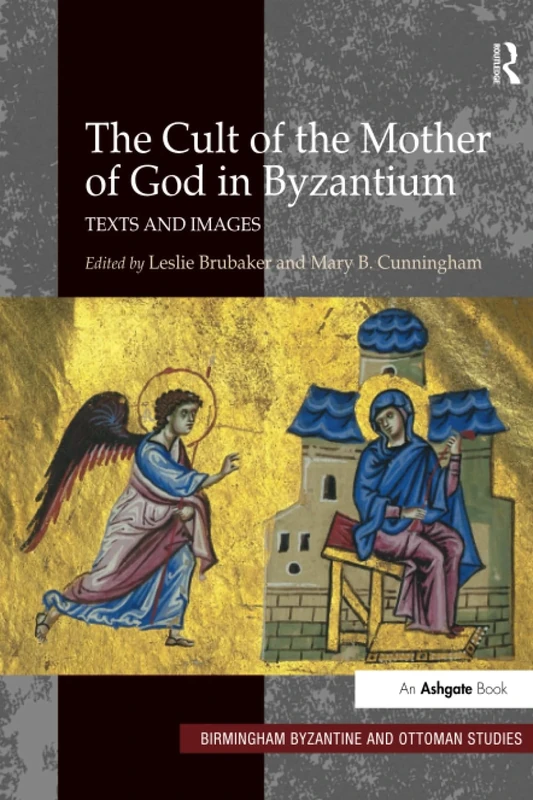
Routledge - Cult of the Mother of God in Byzantium Book
Routledge
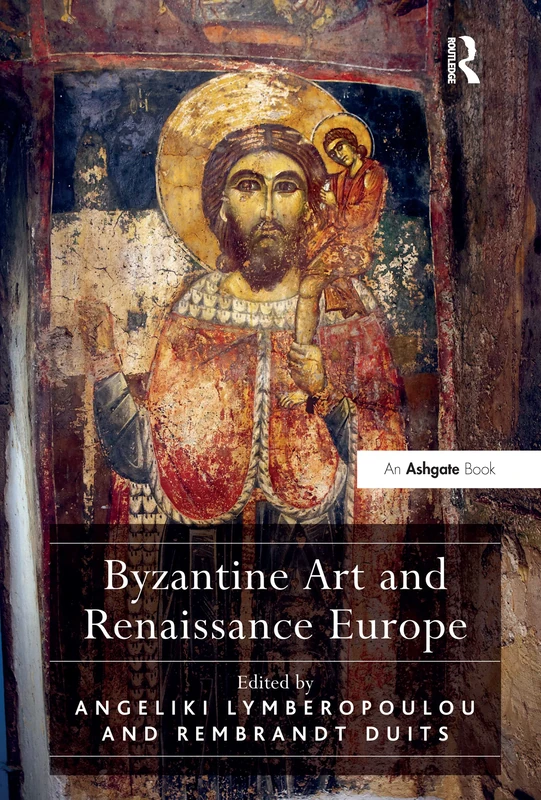
Byzantine Art and Renaissance Europe - Routledge
Routledge
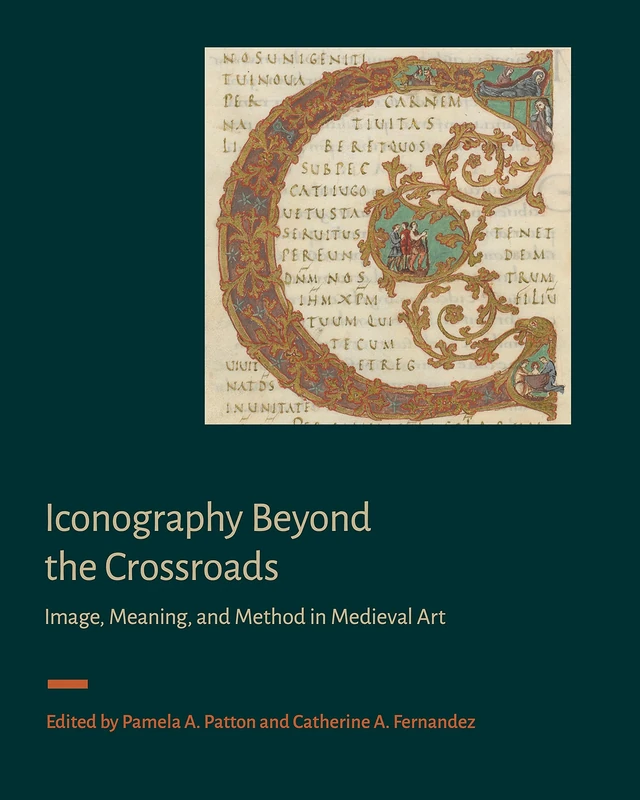
Iconography Beyond the Crossroads - Medieval Art Volume
Byzantine Art and Renaissance Europe
Routledge
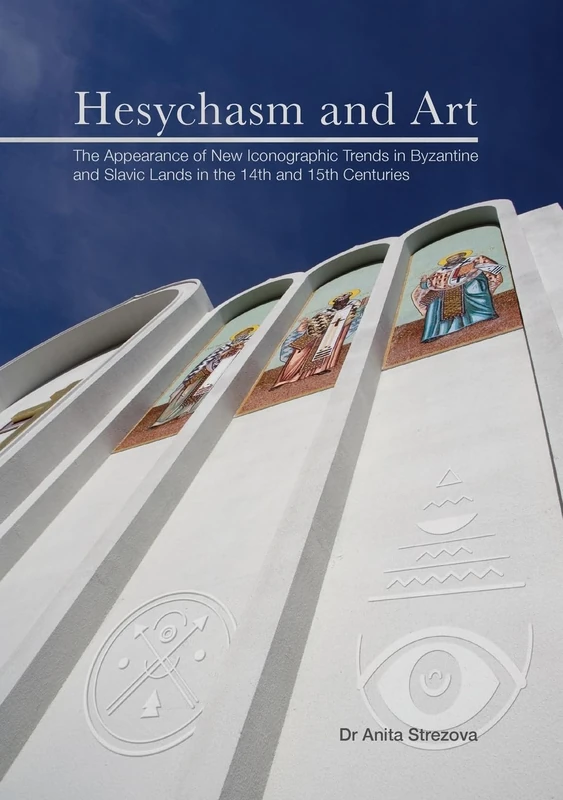
Hesychasm and Art - Byzantine Iconography 14th-15th Century
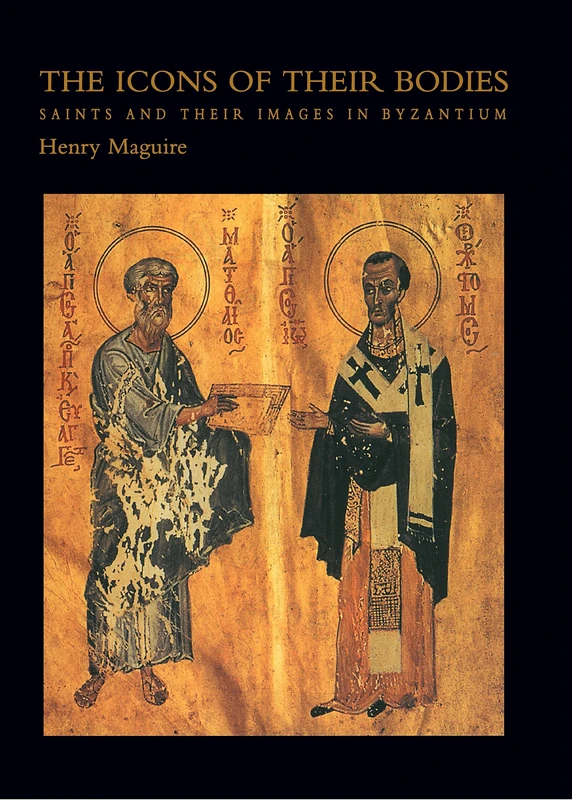
Princeton University Press - Icons of Their Bodies Book
Princeton University Press
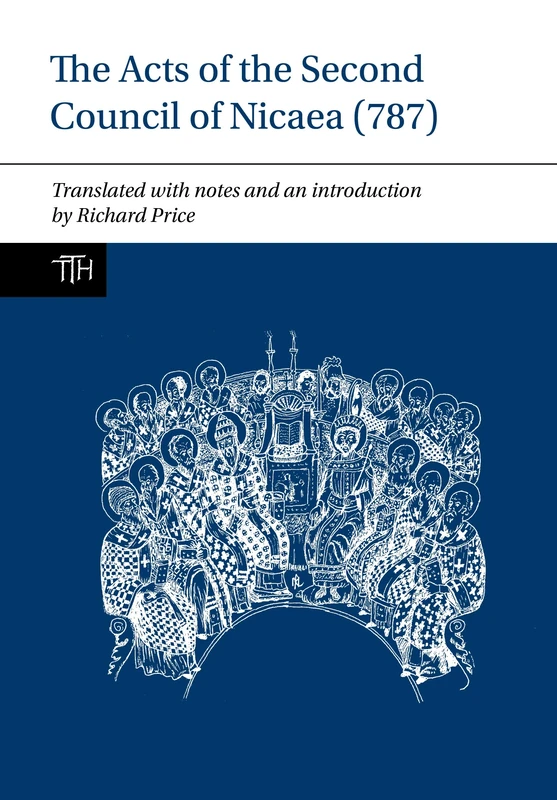
The Acts of the Second Council of Nicaea (787) (Translated Texts for Historians): 68
Liverpool University Press
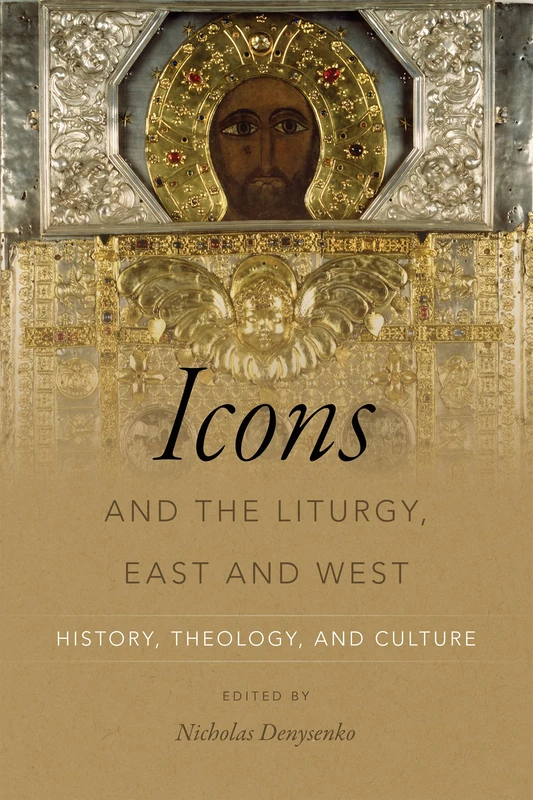
Icons and the Liturgy, East and West: History, Theology, and Culture
University of Notre Dame Press
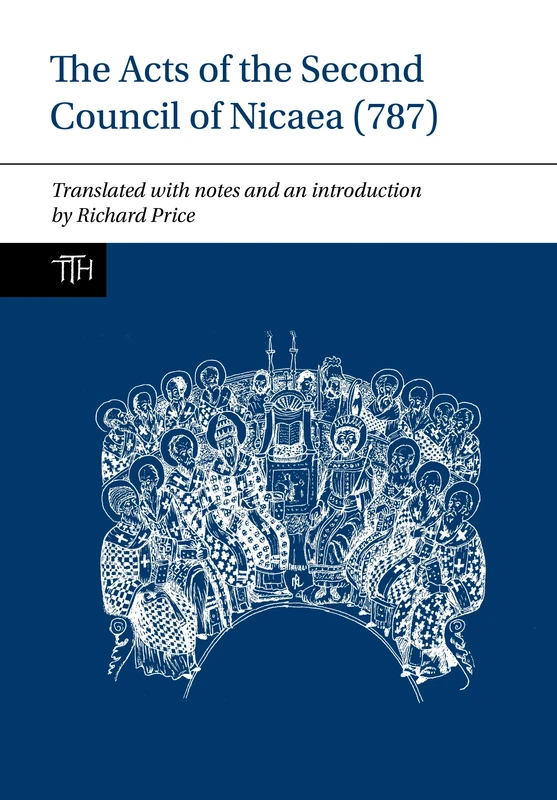
The Acts of the Second Council of Nicaea (787) (Translated Texts for Historians): 68
Liverpool University Press
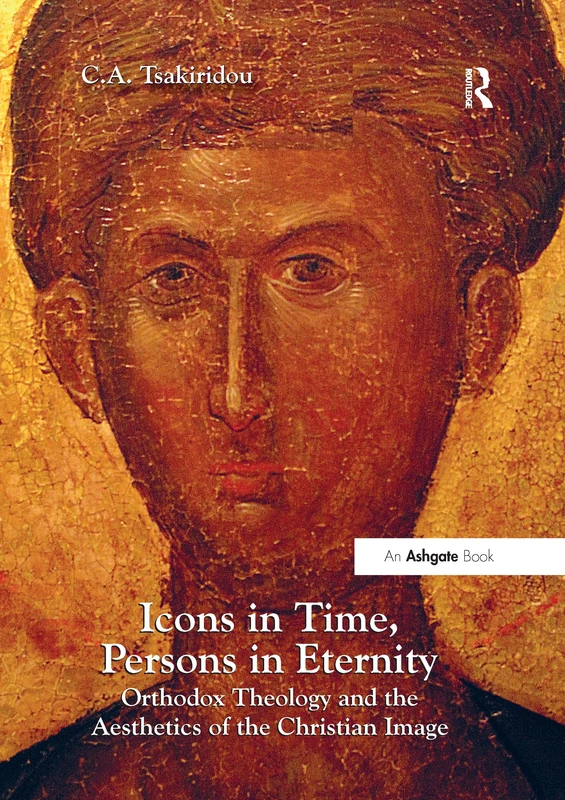
Icons in Time, Persons in Eternity: Orthodox Theology and the Aesthetics of the Christian Image
Routledge
Icons in Time, Persons in Eternity: Orthodox Theology and the Aesthetics of the Christian Image
Routledge

Literary Circles in Byzantine Iconoclasm: Patrons, Politics and Saints
Cambridge University Press

The Religious Figural Imagery of Byzantine Lead Seals II: Studies on Images of the Saints and on Personal Piety: 1086 (Variorum Collected Studies)
Routledge
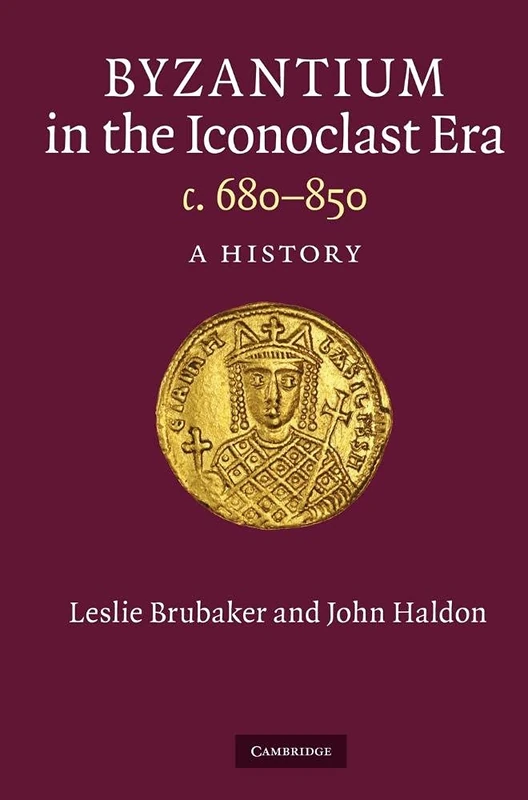
Byzantium in the Iconoclast Era, c .680850: A History
Cambridge University Press
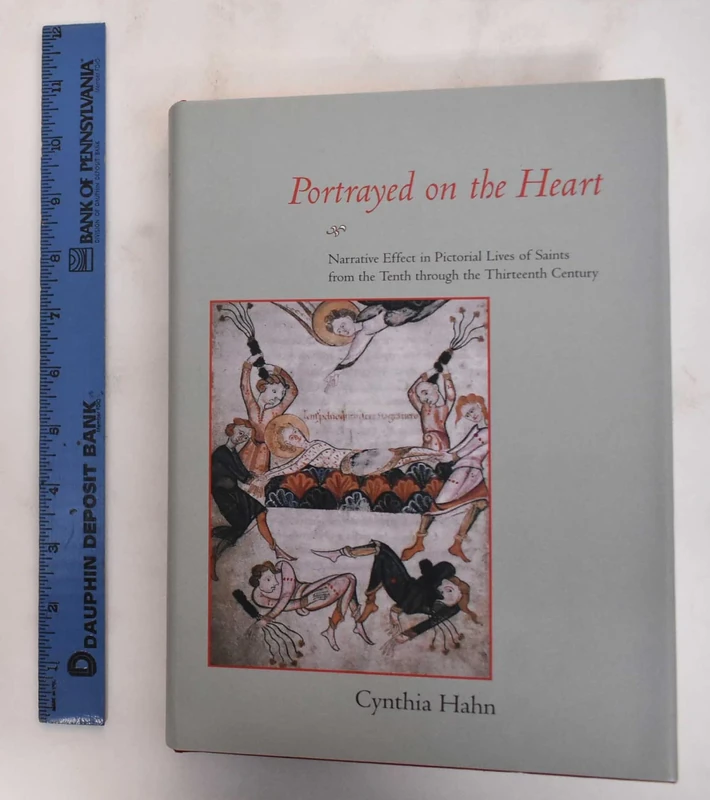
Portrayed on the Heart: Narrative Effect in Pictorial Lives of Saints from the Tenth through the Thirteenth Century (Ahmanson-Murphy Fine Arts Book)
University of California Press
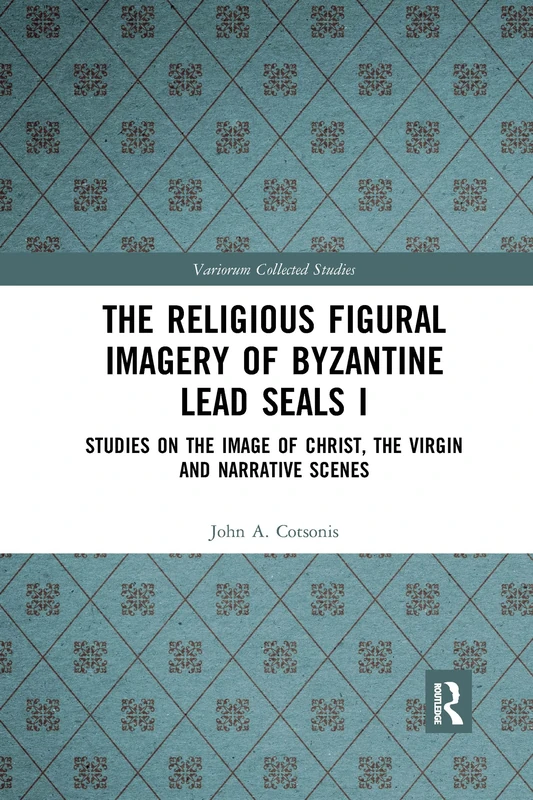
The Religious Figural Imagery of Byzantine Lead Seals I: Studies on the Image of Christ, the Virgin and Narrative Scenes: 1085 (Variorum Collected Studies)
Routledge