We can't find the internet
Attempting to reconnect
Something went wrong
Hang in there while we get back on track
£37.06
Harvard University Press Foundations of Hegel's Social Theory: Actualizing Freedom
Price data checked 1 day ago
We'll watch every seller, every day. One email when your price arrives.
About as cheap as it gets. The only time it was cheaper was 1 month ago.
£37 today · all-time low £36 (Jul 2026) · usually £37
NEW HERE?
Amazon shows you one price. We show you all of them.
Tosheroon watches Amazon prices so you don't have to. Every product on Amazon has a price history — we make it visible. Set the price you'd actually pay, and we'll email you the second it gets there. No app, no account, one email.
WHAT'S ON THIS PAGE
when this has been cheap or pricey
where the price is heading next
all-time high & low, recent range
name your number, we'll email you
Price History & Forecast
Grey patches = out of stock. Cheaper = lower on the chart. Hover for exact prices.
Last 90 days · 90 data points
Price Distribution
Price distribution over 90 days • 5 price levels
Price Analysis
Most common price: £37 (35 days, 38.9%)
Price range: £36 - £40
Price levels: 5 different prices over 90 days
Description
Product Specifications
- Brand
- Harvard University Press
- Format
- paperback
- ASIN
- 0674011244
- Domain
- Amazon UK
- Release Date
- 31 March 2003
- Listed Since
- 13 February 2007
Barcode
No barcode data available
Similar Products You Might Like

Does History Make Sense?: Hegel on the Historical Shapes of Justice
Harvard University Press
Hegel’s Civic Republicanism: Integrating Natural Law with Kant’s Moral Constructivism (Routledge Studies in Nineteenth-Century Philosophy)
Routledge
Rousseau's Critique of Inequality: Reconstructing the Second Discourse
Cambridge University Press

Hegel's Value: Justice As the Living Good
Oxford University Press
Hegel, Nietzsche, and Philosophy: Thinking Freedom (Modern European Philosophy)
Cambridge University Press

Freedom and Tradition in Hegel: Reconsidering Anthropology, Ethics, and Religion
University of Notre Dame Press

Hegel's Rabble: An Investigation into Hegel's Philosophy of Right (Continuum Studies in Philosophy): 40
Bloomsbury
On Mechanism in Hegel's Social and Political Philosophy (Studies in Philosophy)
Routledge
On Mechanism in Hegel's Social and Political Philosophy (Studies in Philosophy)
Routledge

HEGEL: LECTURES ON NATURAL RIGHT & POLIT SCIENCE:FIRST PHILOS RIGHT HEGEL PAPER: Lectures On Natural Right And Political Science: The First Philosophy Of Right (The Hegel Lectures)
Oxford University Press
Grundnorm - Gemeinwille - Geist: Der Grund des Rechts nach Kelsen, Kant und Hegel
Mohr Siebeck
Hegel, Marx, and the Necessity and Freedom Dialectic: Marxist-Humanism and Critical Theory in the United States (Political Philosophy and Public Purpose)
MACMILLAN
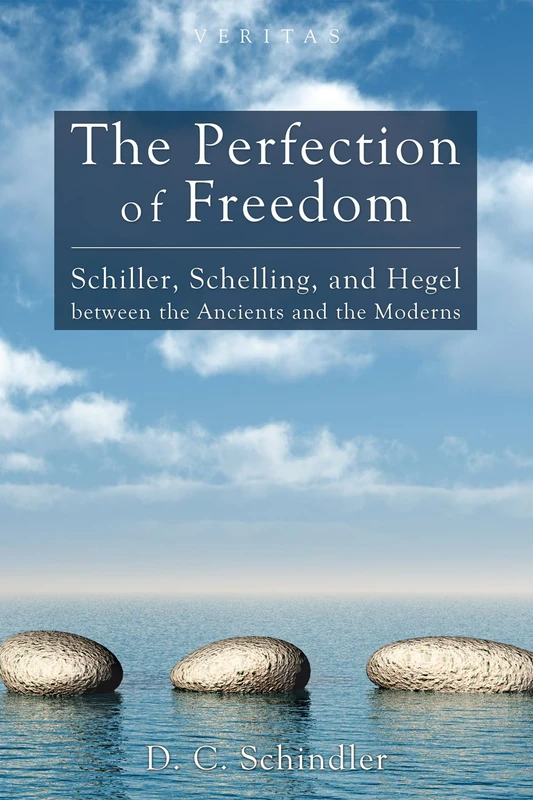
The Perfection of Freedom: Schiller, Schelling, and Hegel Between the Ancients and the Moderns: 8 (Veritas)
Cascade Books
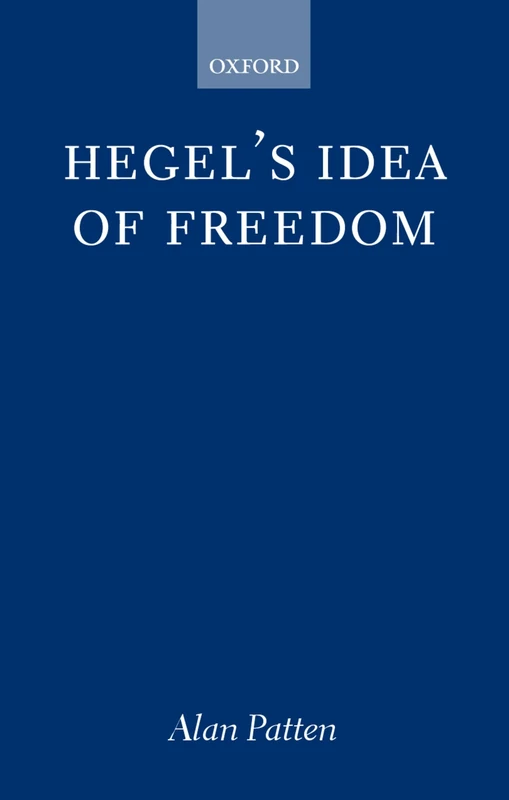
Hegel's Idea of Freedom (Oxford Philosophical Monographs)
Oxford University Press
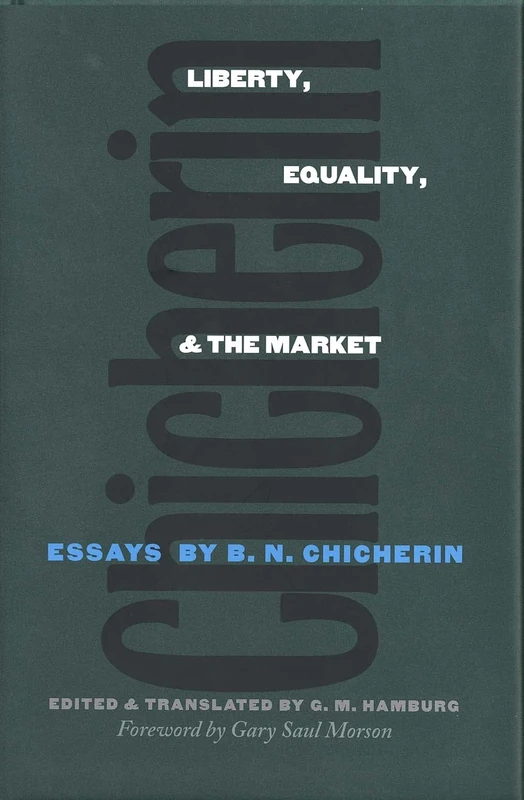
Liberty, Equality & the Market – Essays by B.N Chicherin (Russian Literature and Thought Series)
Yale University Press

Routledge Philosophy GuideBook to Hegel and the Philosophy of Right
Routledge
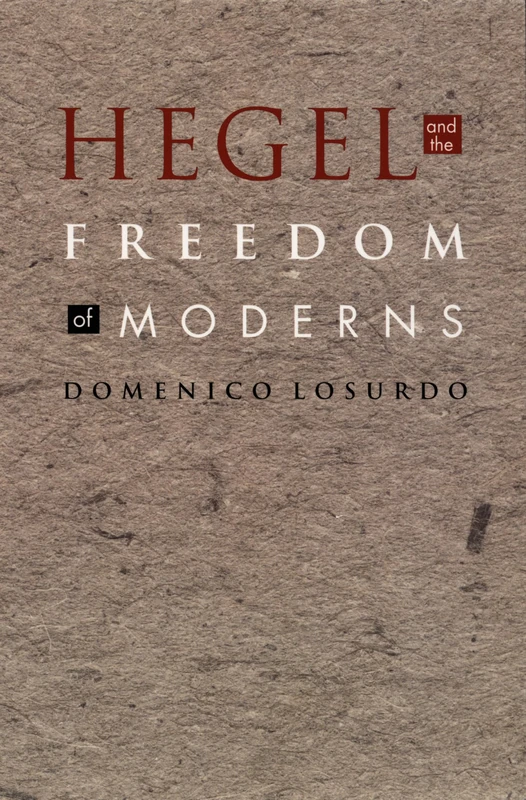
Hegel and the Freedom of Moderns (Post-Contemporary Interventions)
Duke University Press
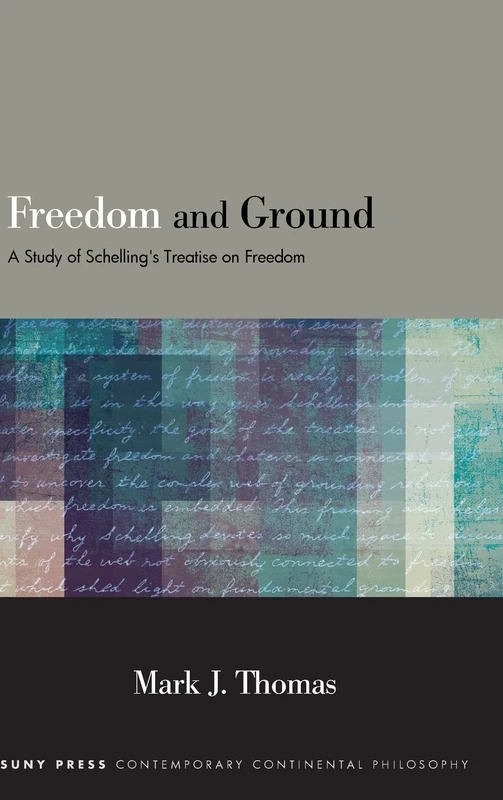
Freedom and Ground: A Study of Schelling's Treatise on Freedom (SUNY series in Contemporary Continental Philosophy)
SUNY PRESS

Hegel and the State
Routledge
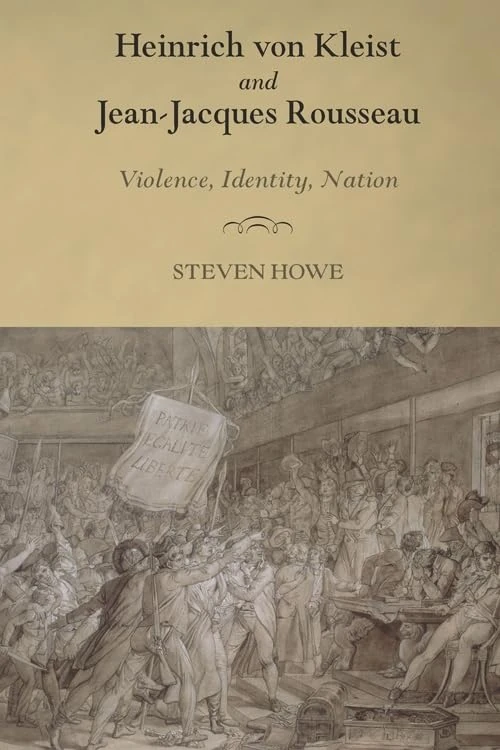
Heinrich von Kleist and Jean-Jacques Rousseau: Violence, Identity, Nation (Studies in German Literature Linguistics and Culture)
Camden House (NY)
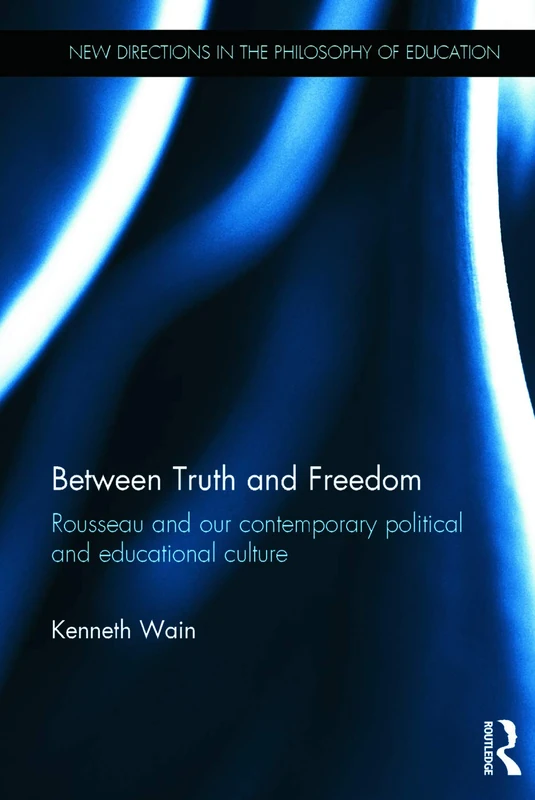
Between Truth and Freedom: Rousseau and our contemporary political and educational culture (New Directions in the Philosophy of Education)
Routledge

Hegel’s Metaphysics and the Philosophy of Politics (Routledge Studies in Nineteenth-Century Philosophy)
Routledge
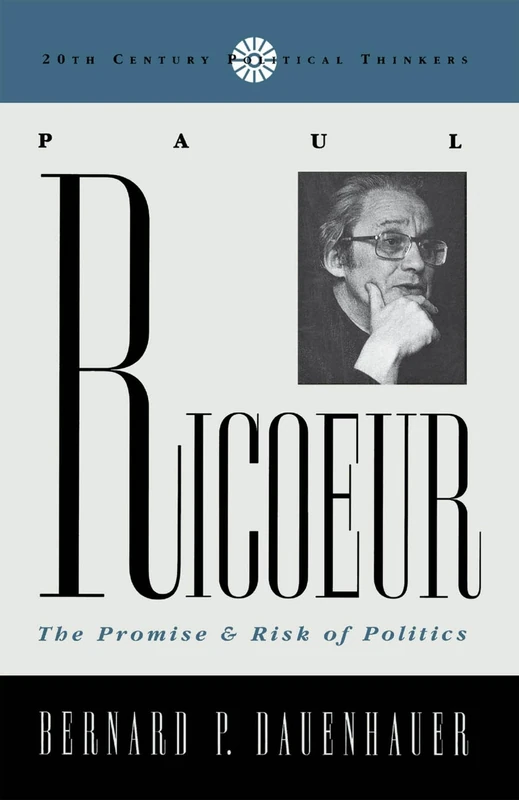
Paul Ricoeur: The Promise and Risk of Politics (20th Century Political Thinkers)
Rowman & Littlefield Publishers
Aesthetic Judgment and the Moral Image of the World: Studies in Kant (Studies in Kant and German Idealism)
Stanford University Press