We can't find the internet
Attempting to reconnect
Something went wrong
Hang in there while we get back on track

£28.54
The Little Guitar Book That Could: Sixteenth Position (Fretboard Forensics)
Price data last checked 13 day(s) ago - will refresh soon
We'll watch every seller, every day. One email when your price arrives.
It has never been this cheap. We have no record of a lower price.
£29 today · cheaper than every other day in the last 3 months
NEW HERE?
Amazon shows you one price. We show you all of them.
Tosheroon watches Amazon prices so you don't have to. Every product on Amazon has a price history — we make it visible. Set the price you'd actually pay, and we'll email you the second it gets there. No app, no account, one email.
WHAT'S ON THIS PAGE
when this has been cheap or pricey
where the price is heading next
all-time high & low, recent range
name your number, we'll email you
Price History & Forecast
Grey patches = out of stock. Cheaper = lower on the chart. Hover for exact prices.
Last 78 days · 78 data points (no recent data)
Price Distribution
Price distribution over 78 days • 1 price levels
Price Analysis
Most common price: £29 (78 days, 100.0%)
Price range: £29 - £29
Price levels: 1 different prices over 78 days
Description
Product Specifications
- Format
- paperback
- ASIN
- 0578922533
- Category
- Books > Subjects > Arts & Photography > Music > Music Theory, Composition & Performance > Exercises
- Domain
- Amazon UK
- Release Date
- 29 May 2021
- Listed Since
- 30 May 2021
Barcode
No barcode data available
Similar Products You Might Like

Guitar Theory Simplified: Demystifying The Language Of Music
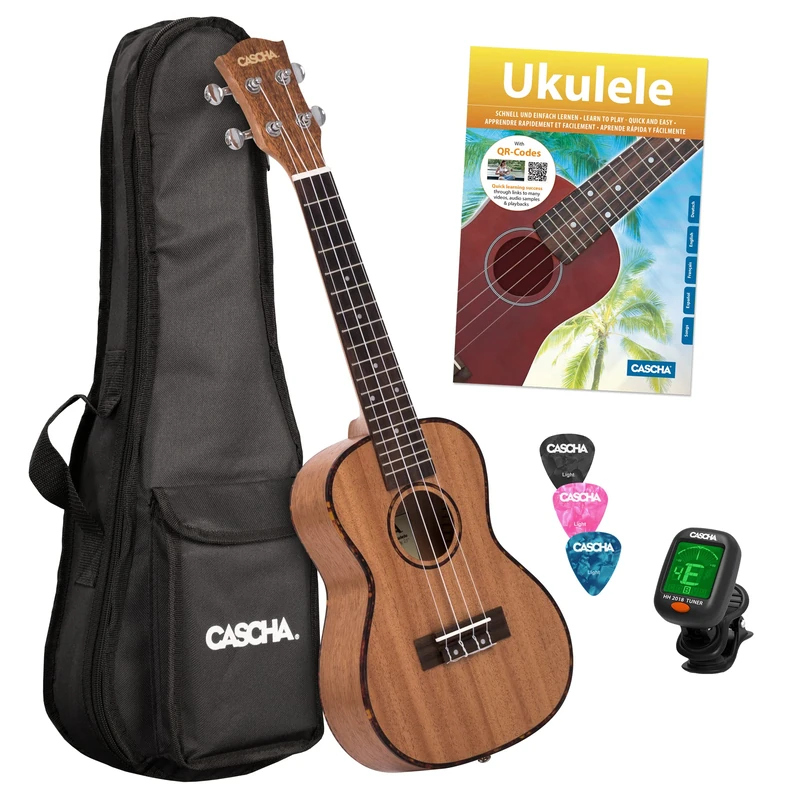
Cascha Premium Mahogany Soprano Ukulele Ukulele bundle Konzert
CASCHA
Price unavailable
The Big Book of Partial Capos: An In-Depth Look At A Hidden Musical World: Volume 8 (Capo Voodoo Guitar)
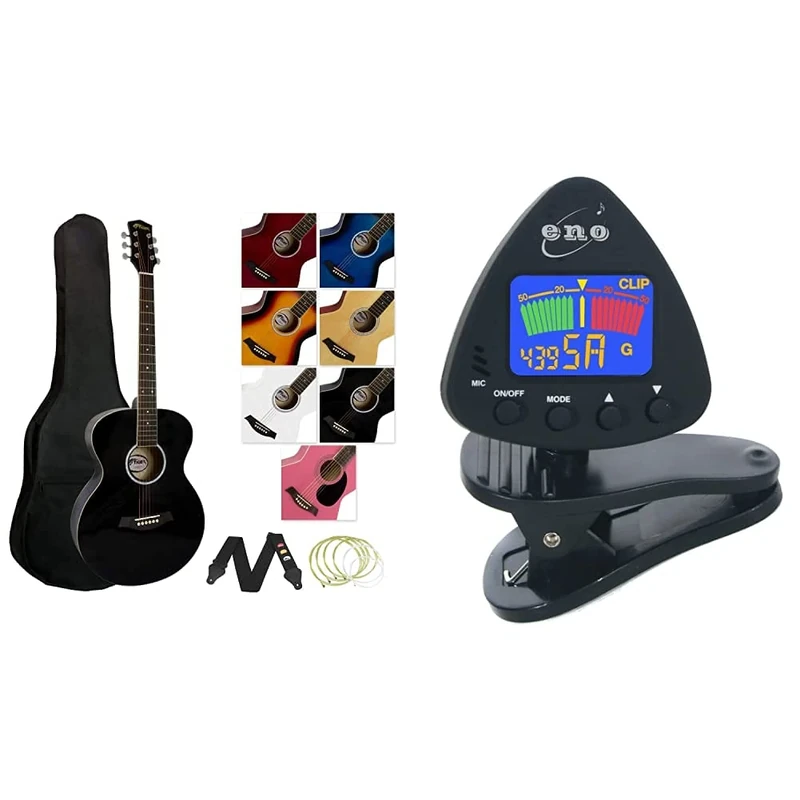
Tiger Music Full Size Acoustic Guitar for Beginners - Black, ACG2-BK & ENO 20537 Clip on Guitar Tuner
Tiger

Easy Guitar Lessons for Kids - Beginner Book with 30 Songs
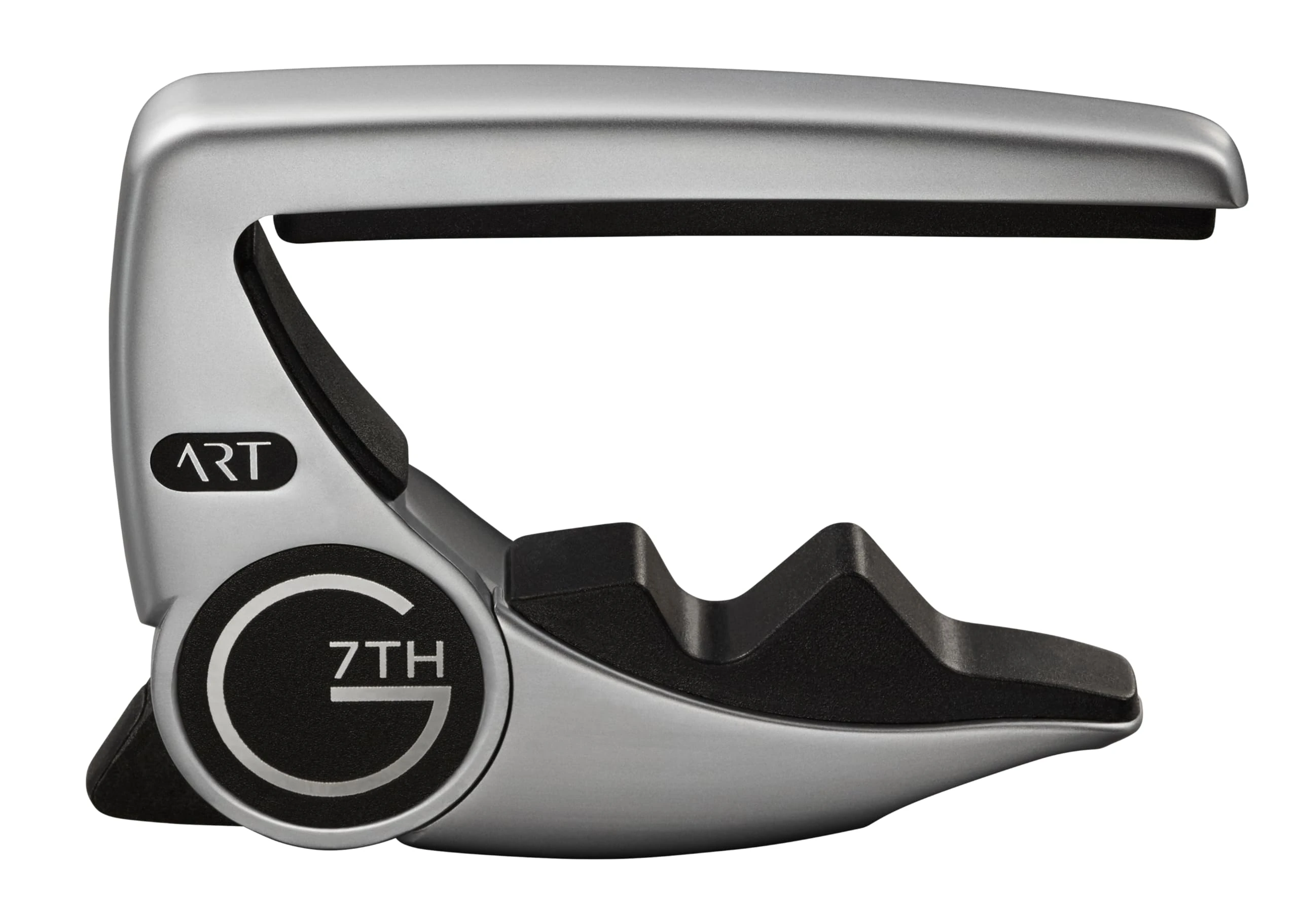
G7th Performance 3 6-String Guitar Capo - Silver
G7th

London College Music Acoustic Guitar Grade 3 - Method Book
London College Music

G7th Performance 3 Guitar Capo - Gold Plate 6 String
G7th
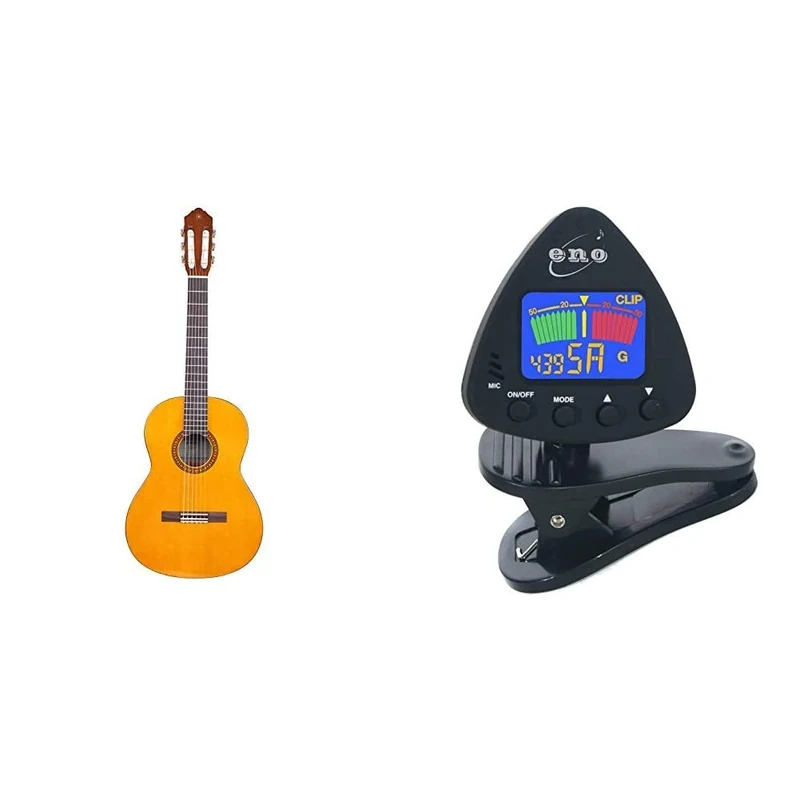
Yamaha CS40II 3/4 Size Classical Guitar and ENO 20537 Tuner
YAMAHA
Price unavailable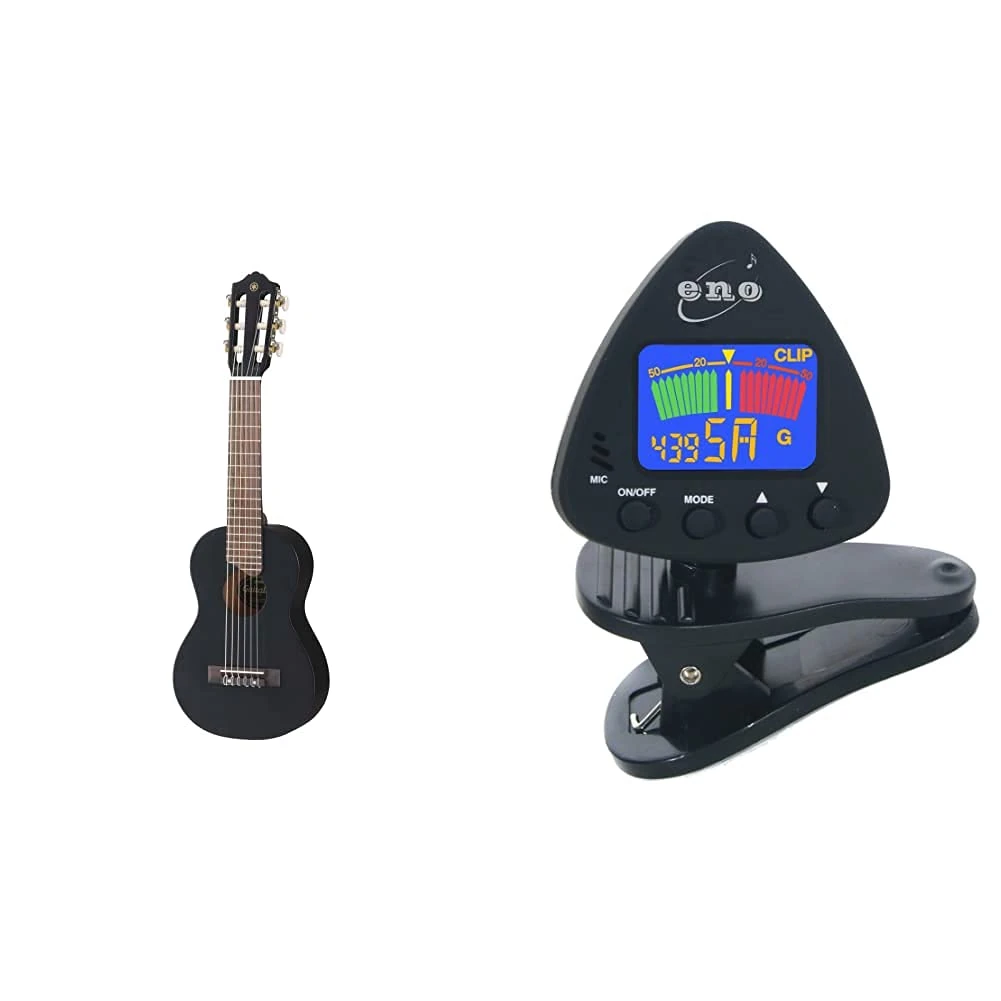
Yamaha GL1 Guitalele 70cm - 6-String Nylon Acoustic with Gigbag
YAMAHA
Price unavailable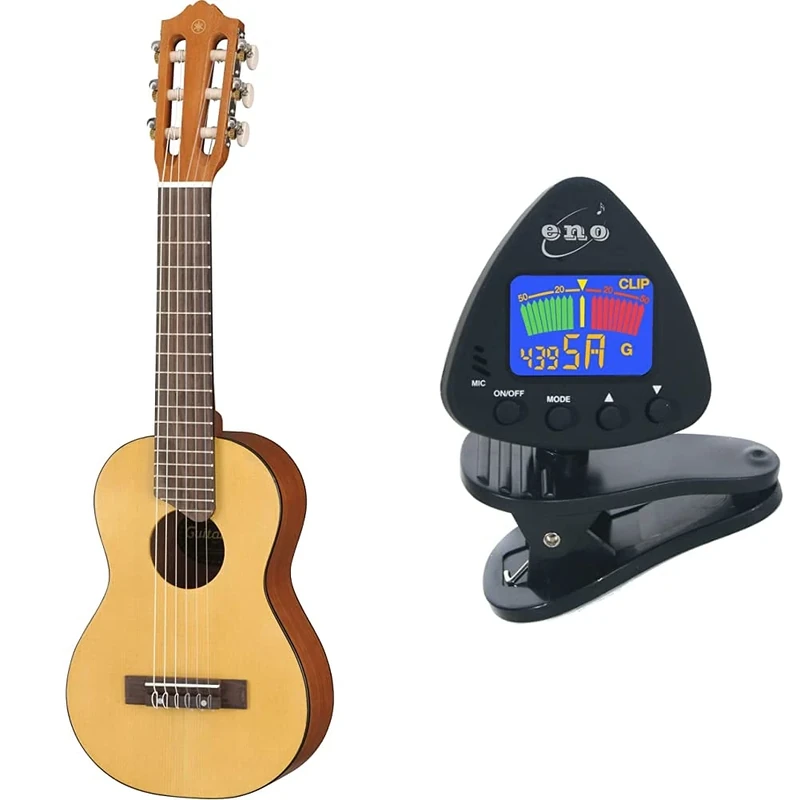
Yamaha Acoustic Guitalele, GL1 – A hybrid between guitar and ukulele (70 cm) with 6 Strings and Fitted Yamaha Gigbag – Natural & ENO 20537 Clip on Guitar Tuner Clip on Ukulele Tuner Bass Tuner
YAMAHA
Price unavailable
Fingerstyle Mastery: Learn to Play Full Fingerstyle Arrangements on Guitar (Mastery Programs)
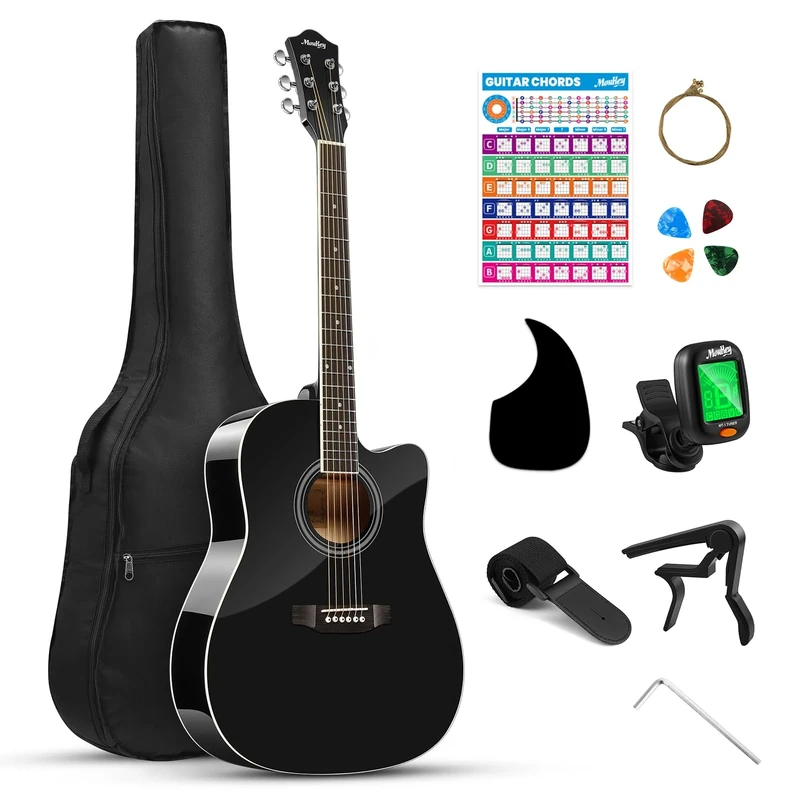
Moukey 41 Inch Acoustic Guitar Starter Kit - Black
Moukey
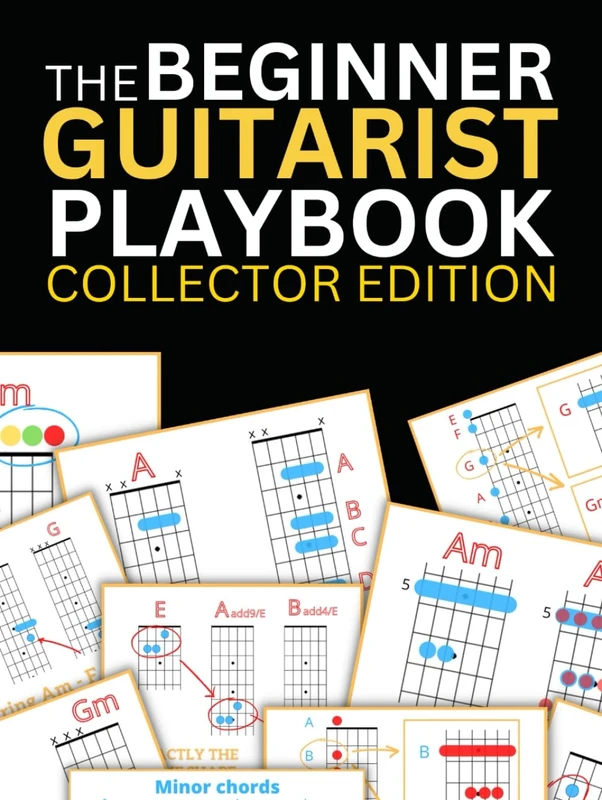
The Beginner Guitarist Playbook: Collector's Edition
Routledge Guitar Tunings: A Comprehensive Guide for Musicians
Routledge
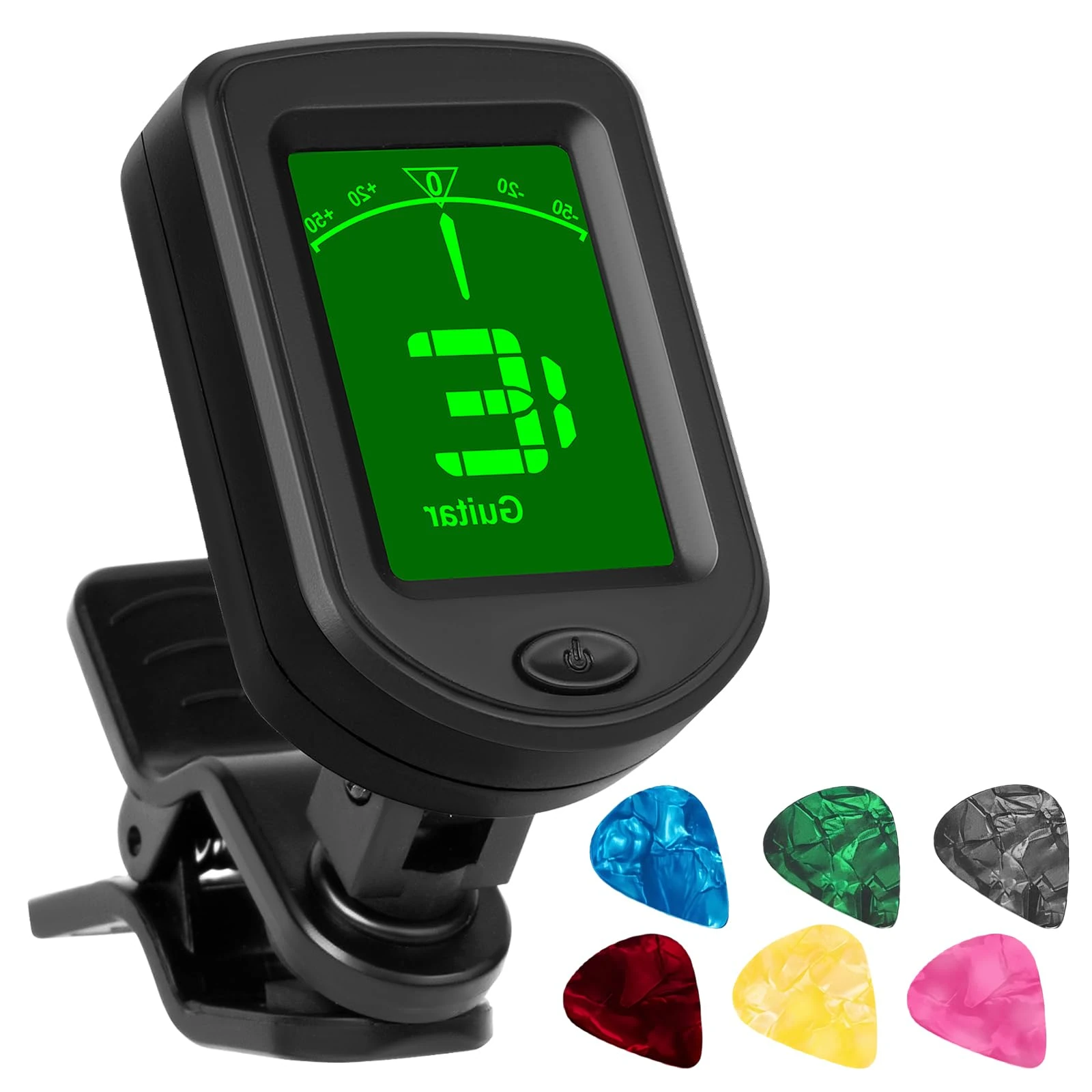
AMFUN Clip On Guitar Tuner - 360 Degree LCD Digital Tuner
AMFUN
Price unavailable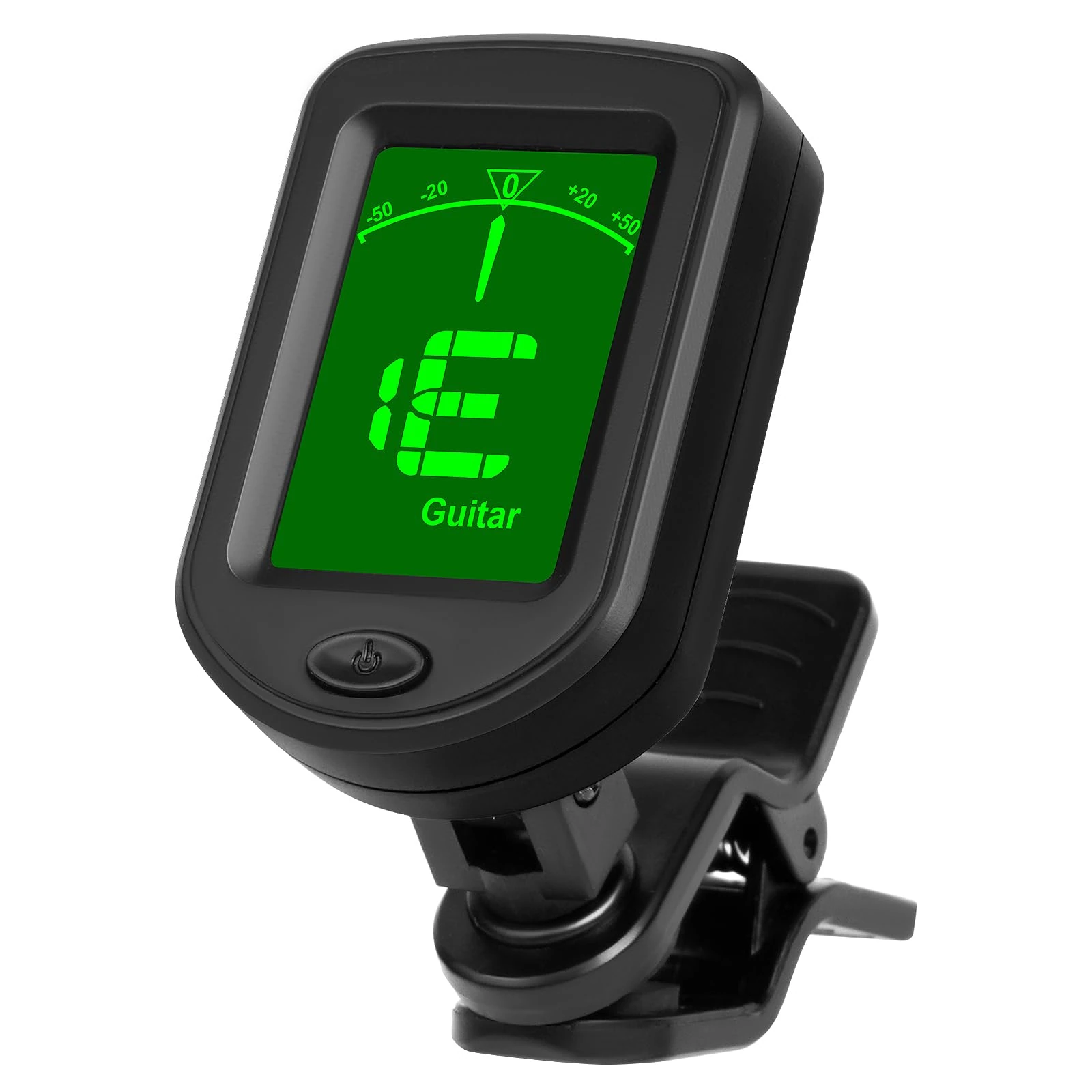
AMFUN Clip On Guitar Tuner - 360 Degree Rotatable LCD Display
AMFUN
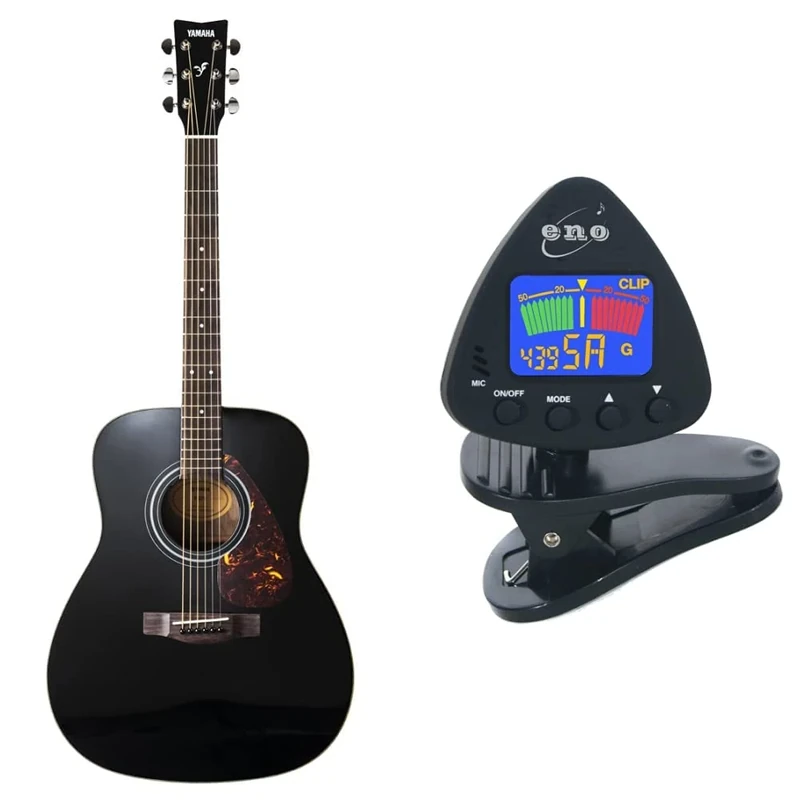
Yamaha F370 Full Size Steel String Acoustic Guitar - Traditional Western Body & Clip on Chromatic Tuner
YAMAHA
Price unavailable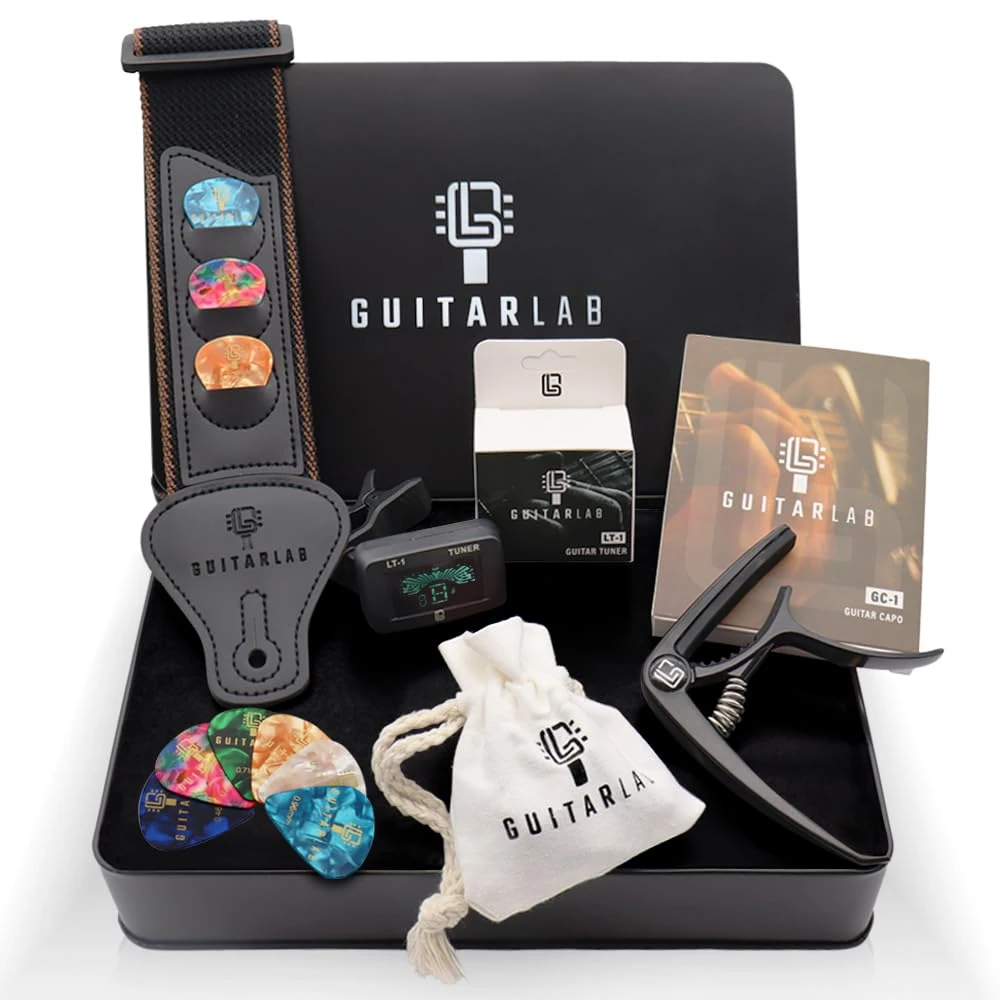
Guitar Lab Guitar Accessories Kit - Gift Set with Strap & Capo
Guitar Lab

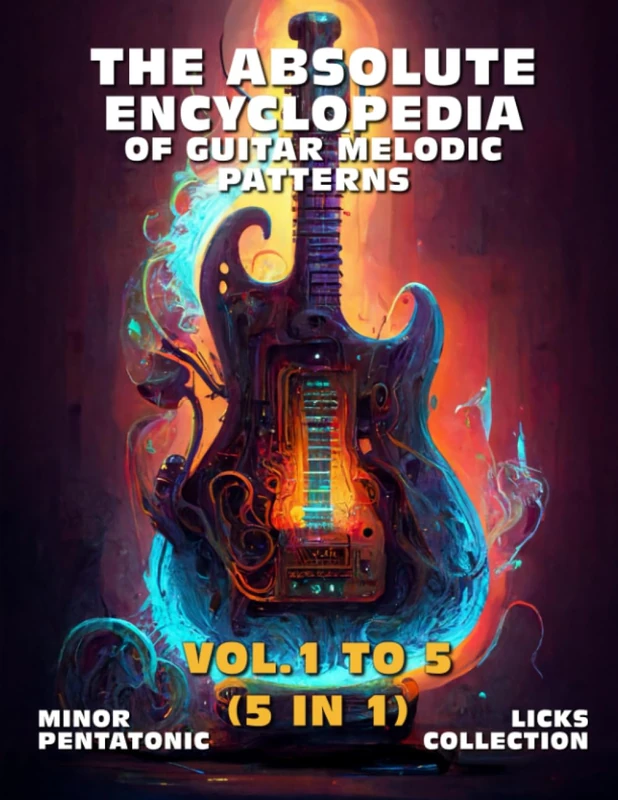
The Absolute Encyclopedia of Guitar Melodic Patterns. Vol. 6 to 10 (5 in 1): Major Pentatonic Licks Collection. 700 Practical Examples. Tabs and Notes. Late Beginner to Advanced.
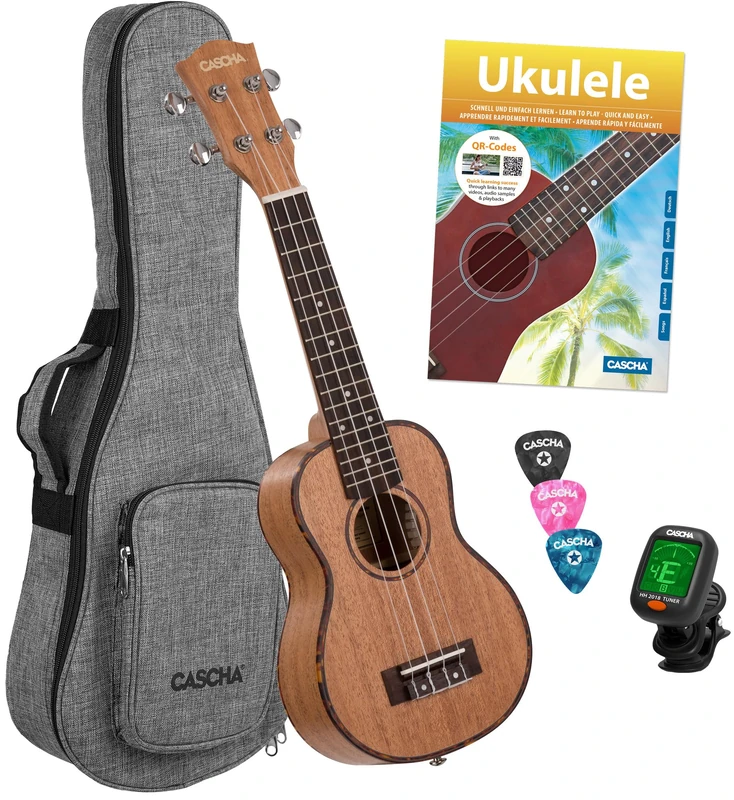
Cascha Premium Mahogany Soprano Ukulele Soprano
CASCHA
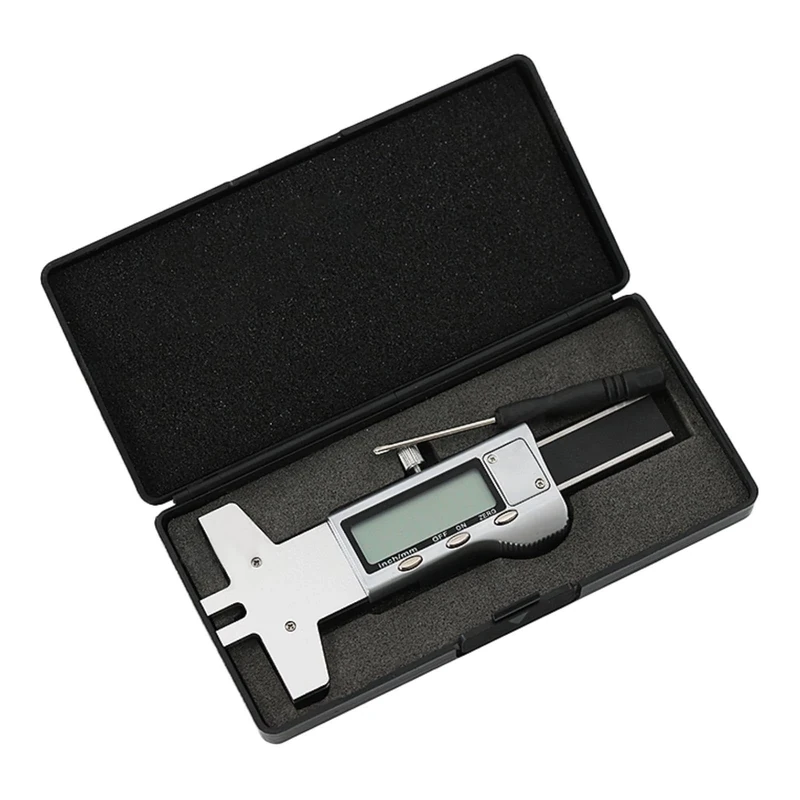
AWAHO Digital Guitar String Height Ruler - Metal String Gauge
AWHAO
Price unavailable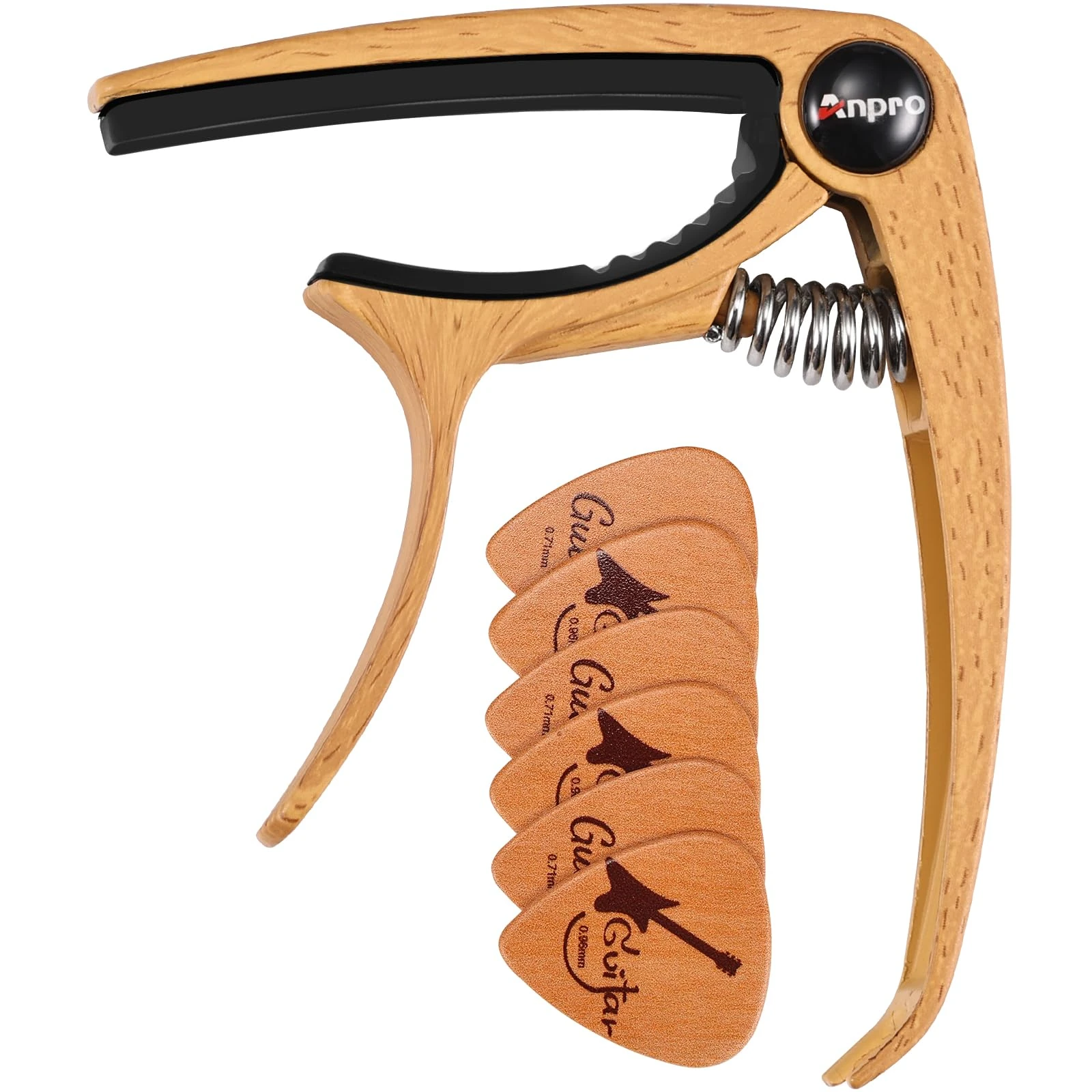
Anpro Guitar Capo Set with 6 Picks and Bridge Pin Puller
Anpro