We can't find the internet
Attempting to reconnect
Something went wrong
Hang in there while we get back on track
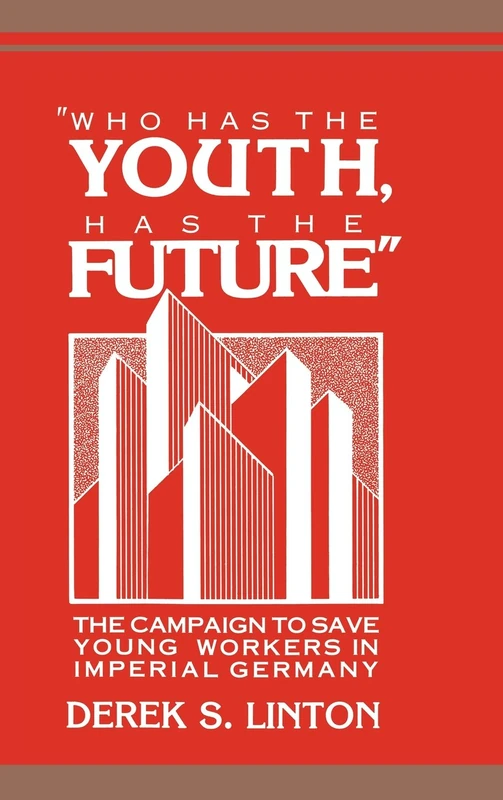
£68.63
Cambridge University Press 'Who Has the Youth, Has the Future': The Campaign to Save Young Workers in Imperial Germany
Price data last checked 64 day(s) ago - refreshing...
We'll watch every seller, every day. One email when your price arrives.
This is the most expensive it has ever been. Walk away.
£69 today · previous high £69 · all-time low £56
NEW HERE?
Amazon shows you one price. We show you all of them.
Tosheroon watches Amazon prices so you don't have to. Every product on Amazon has a price history — we make it visible. Set the price you'd actually pay, and we'll email you the second it gets there. No app, no account, one email.
WHAT'S ON THIS PAGE
when this has been cheap or pricey
where the price is heading next
all-time high & low, recent range
name your number, we'll email you
Price History & Forecast
Grey patches = out of stock. Cheaper = lower on the chart. Hover for exact prices.
Last 27 days · 27 data points (no recent data)
Price Distribution
Price distribution over 27 days • 2 price levels
Price Analysis
Most common price: £56 (26 days, 96.3%)
Price range: £56 - £69
Price levels: 2 different prices over 27 days
Description
Product Specifications
- Format
- hardcover
- ASIN
- 0521385377
- Domain
- Amazon UK
- Release Date
- 25 January 1991
- Listed Since
- 04 January 2007
Barcode
No barcode data available
Similar Products You Might Like
Contemporary German Youth and Their Elders: A Generational Comparison: 5 (Contributions to the Study of Childhood and Youth)
Praeger
Youth Futures: Comparative Research and Transformative Visions
Bloomsbury

Soziale Identitäten Jugendlicher: Politische und berufsbiographische Orientierungen von Auszubildenden und Studenten
VS Verlag für Sozialwissenschaften
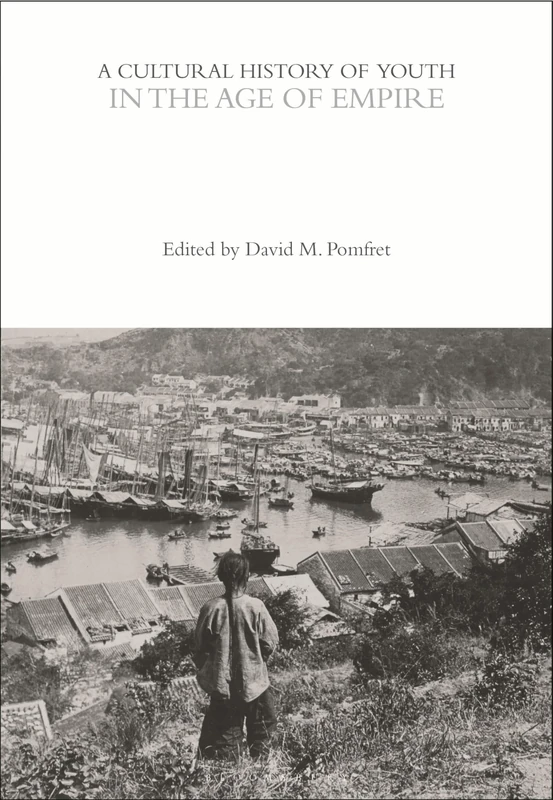
A Cultural History of Youth in the Age of Empire (The Cultural Histories Series)
Bloomsbury Academic
Work with Young People: Theory And Policy For Practice
Sage Publishing
European Cities, Youth and the Public Sphere in the Twentieth Century (Historical Urban Studies Series)
Routledge
Youth in Society: Contemporary Theory, Policy and Practice (Published in association with The Open University)
Sage Publishing
Youth In South Africa: (in)visibility and national development
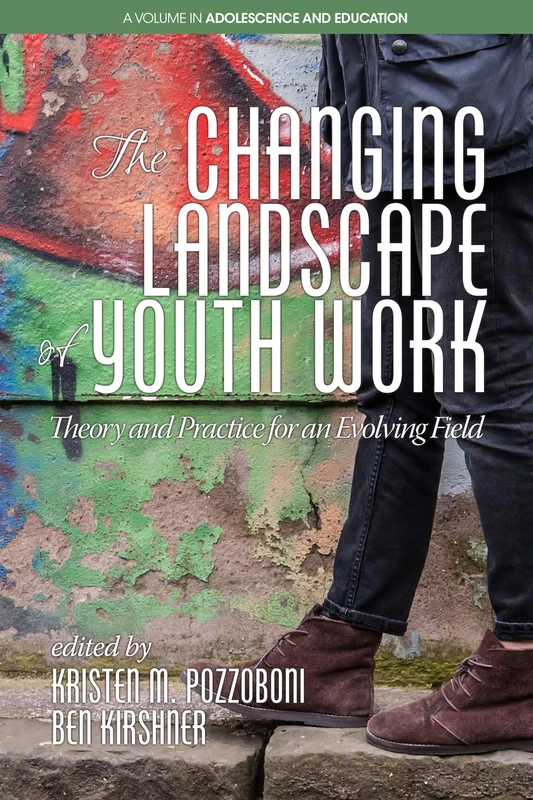
The Changing Landscape of Youth Work: Theory and Practice for an Evolving Field (Adolescence & Education)
Information Age Publishing
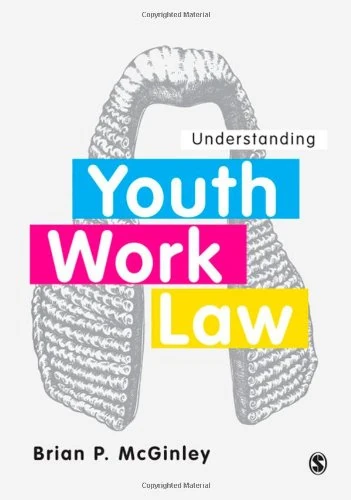
Understanding Youth Work Law
Sage Publishing
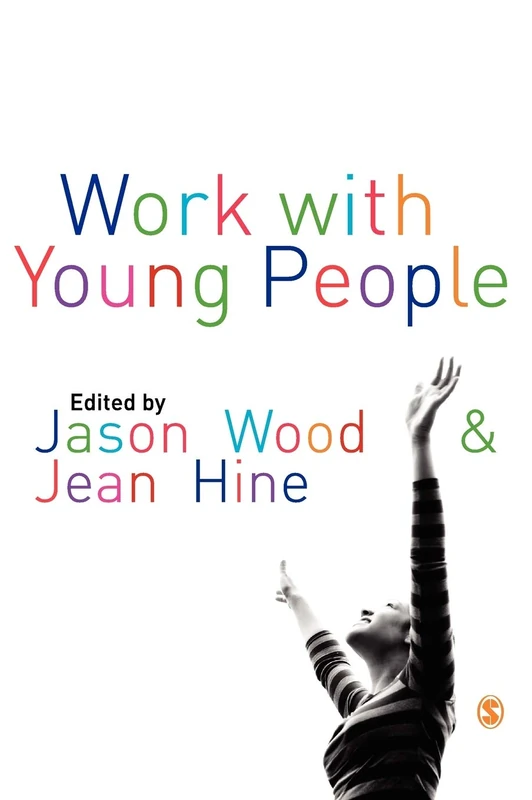
Sage Work with Young People - Theory and Policy for Practice
Sage Publishing

Oxford Handbook of Global South Youth Studies - Reference
Oxford University Press
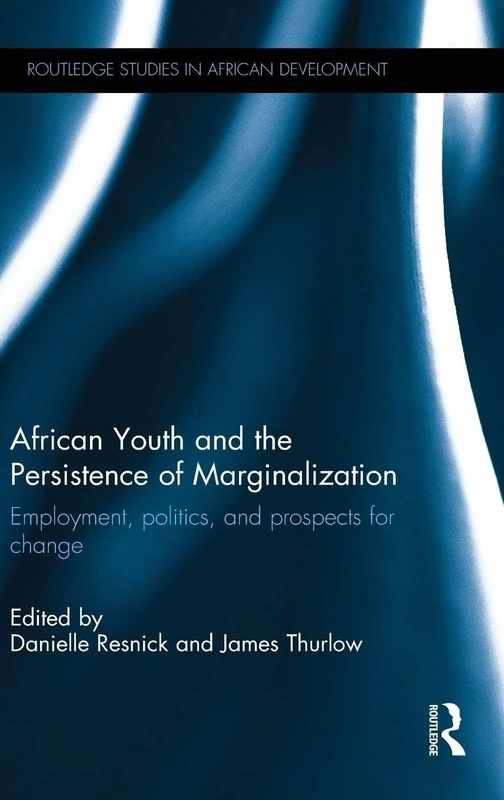
African Youth and the Persistence of Marginalization: Employment, politics, and prospects for change (Routledge Studies in African Development)
Routledge

Researching Young People's Lives - Youth Research Methods
Sage Publications

Youth Work in a Digital Society
Business Science Reference
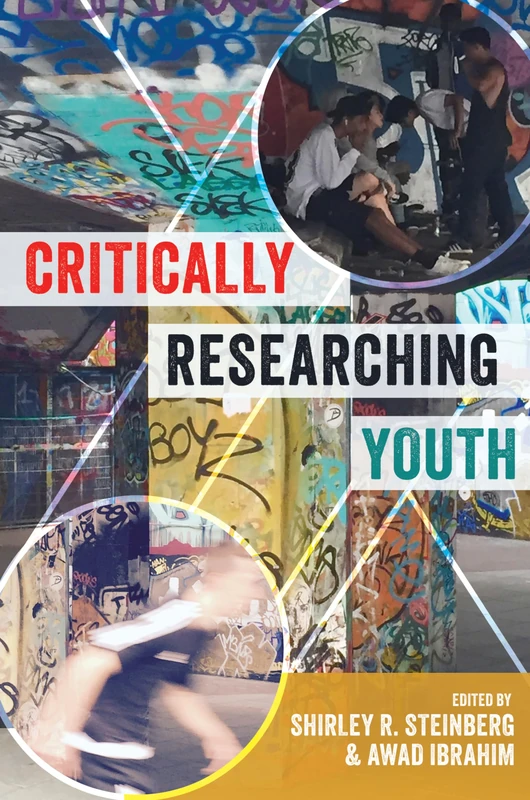
Critically Researching Youth: 16 (Critical Qualitative Research)
Peter Lang Gmbh, Internationaler Verlag Der Wissenschaften
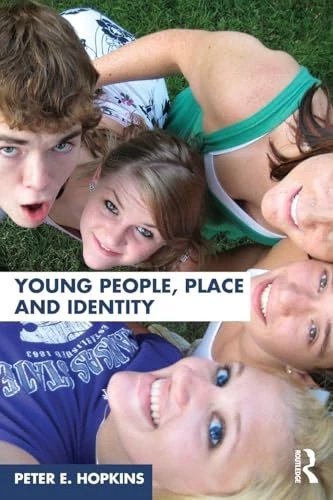
Young People, Place and Identity
Routledge
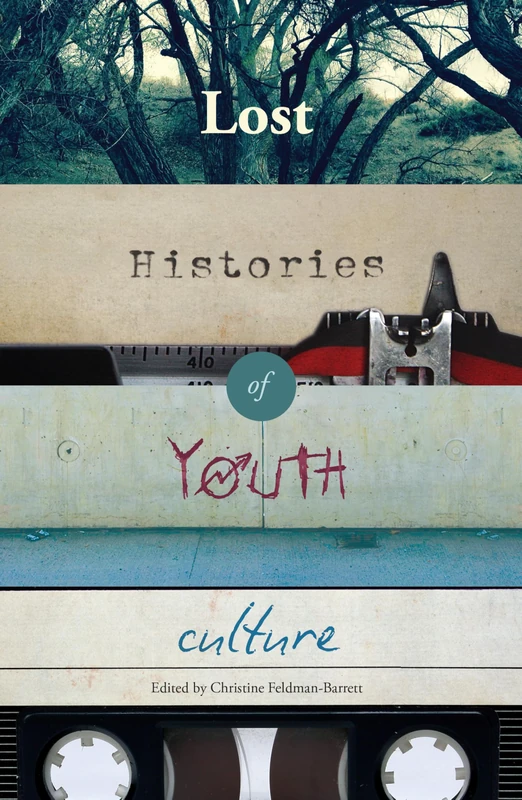
Lost Histories of Youth Culture: 22 (Mediated Youth)
Peter Lang Gmbh, Internationaler Verlag Der Wissenschaften

Understanding Youth: Perspectives, Identities & Practices (Published in association with The Open University)
Sage Publishing

Youth and Policy: Contexts and Consequences (Routledge Revivals)
Routledge
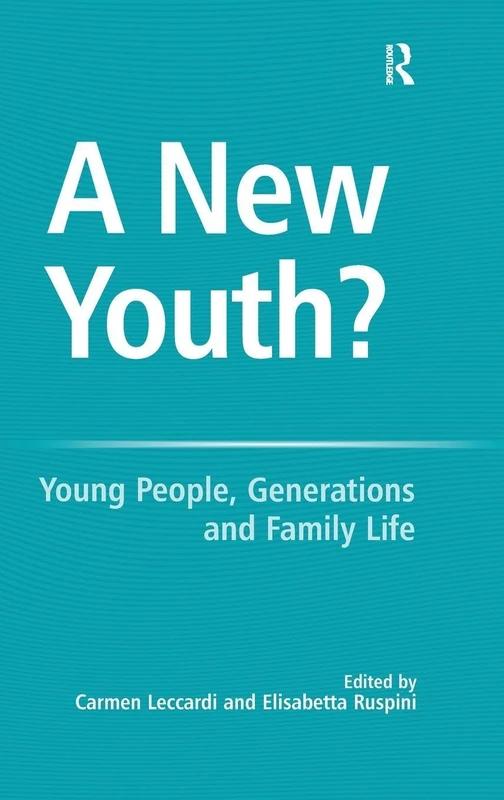
A New Youth?: Young People, Generations and Family Life
Routledge
Youth Work Ethics - Sage Publishing Professional Guide
Sage Publishing

Young People, Place and Identity
Routledge
Positive Youth Development in Global Contexts of Social and Economic Change
Routledge