We can't find the internet
Attempting to reconnect
Something went wrong
Hang in there while we get back on track
£76.00
It has never been this cheap. We have no record of a lower price.
£76 today · cheaper than every other day in the last 3 months
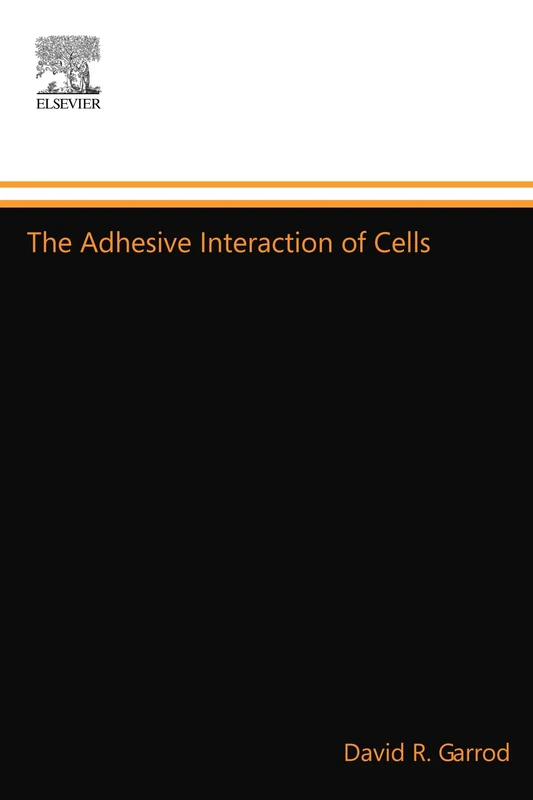
Elsevier The Adhesive Interaction of Cells
We'll watch every seller, every day. One email when your price arrives.
Price History & Forecast
Grey patches = out of stock. Cheaper = lower on the chart. Hover for exact prices.
Last 68 days · 68 data points (no recent data)
NEW HERE?
Amazon shows you one price. We show you all of them.
Tosheroon watches Amazon prices so you don't have to. Every product on Amazon has a price history — we make it visible. Set the price you'd actually pay, and we'll email you the second it gets there. No app, no account, one email.
WHAT'S ON THIS PAGE
when this has been cheap or pricey
where the price is heading next
all-time high & low, recent range
name your number, we'll email you
Price Distribution
Price distribution over 68 days • 1 price levels
Price Analysis
Most common price: £76 (68 days, 100.0%)
Price range: £76 - £76
Price levels: 1 different prices over 68 days
Description
Product Specifications
- Brand
- Elsevier
- Format
- paperback
- ASIN
- 0444547940
- Domain
- Amazon UK
- Release Date
- 11 July 2011
- Listed Since
- 13 July 2011
Barcode
No barcode data available
Similar Products You Might Like
Adhesion 15
Springer
Naturally Occurring Bioactive Compounds
Elsevier

Elsevier Stability of Dynamical Systems - Mathematics Book
Elsevier

Fuzzy Logic and the Semantic Web - AI Computing Book
Elsevier
The Chemistry of Pincer Compounds
Elsevier
Development Biology
Elsevier

Structural Adhesives: Properties, Characterization and Applications (Adhesion and Adhesives: Fundamental and Applied Aspects)
Wiley
Lab Manual
PEARSON EDUCATION

Non-Linear Theory of Elasticity and Optimal Design
Elsevier
Compendium of Trace Metals and Marine Biota: Plants and Invertebrates
Elsevier
Taylor & Francis Mechanochemical Synthesis of Composite Materials
Taylor & Francis
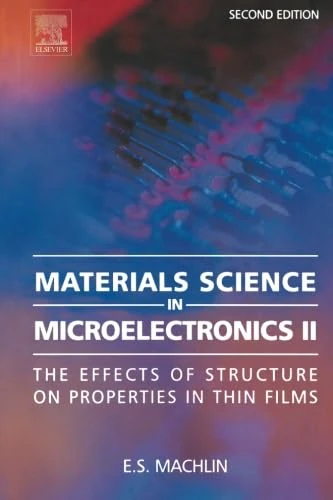
Elsevier Materials Science in Microelectronics II Book
Elsevier

Coma Science
Elsevier

Adsorption, Ion Exchange and Catalysis: Design of Operations and Environmental Applications
Elsevier