We can't find the internet
Attempting to reconnect
Something went wrong
Hang in there while we get back on track
£105.49
This is the most expensive it has ever been. Walk away.
£105 today · previous high £105 · all-time low £104
Routledge Capital as a Social Kind: Definitions and Transformations in the Critique of Political Economy: 141 (Routledge Frontiers of Political Economy)
We'll watch every seller, every day. One email when your price arrives.
Price History & Forecast
Grey patches = out of stock. Cheaper = lower on the chart. Hover for exact prices.
Last 17 days · 17 data points (no recent data)
NEW HERE?
Amazon shows you one price. We show you all of them.
Tosheroon watches Amazon prices so you don't have to. Every product on Amazon has a price history — we make it visible. Set the price you'd actually pay, and we'll email you the second it gets there. No app, no account, one email.
WHAT'S ON THIS PAGE
when this has been cheap or pricey
where the price is heading next
all-time high & low, recent range
name your number, we'll email you
Price Distribution
Price distribution over 17 days • 2 price levels
Price Analysis
Most common price: £105 (13 days, 76.5%)
Price range: £104 - £105
Price levels: 2 different prices over 17 days
Description
Product Specifications
- Brand
- Routledge
- Format
- hardcover
- ASIN
- 0415776910
- Domain
- Amazon UK
- Release Date
- 28 February 2011
- Listed Since
- 03 December 2008
Barcode
No barcode data available
Similar Products You Might Like
Marx, Engels and the Philosophy of Science (Routledge Studies in Social and Political Thought)
Routledge
Marx's Capital after 150 Years: Critique and Alternative to Capitalism (Routledge Frontiers of Political Economy)
Routledge
Marx’ Critique of Science and Positivism: The Methodological Foundations of Political Economy: 53 (Sovietica, 53)
Springer
Karl Marx's Realist Critique of Capitalism: Freedom, Alienation, and Socialism (Marx, Engels, and Marxisms)
MACMILLAN
A Critical Theory of Economic Compulsion: Wealth, Suffering, Negation (Critiques and Alternatives to Capitalism)
Routledge
Capital as Organic Unity: The Role of Hegel’s Science of Logic in Marx’s Grundrisse: 9 (Philosophical Studies in Contemporary Culture, 9)
Springer
Marxist Political Economy and Bourdieu: Economic and Cultural Capital, Classes and State (Routledge Frontiers of Political Economy)
Routledge
Marxism and World Politics: Contesting Global Capitalism
Routledge
Marx and the Dynamic of the Capital Formation: An Aesthetics of Political Economy
MACMILLAN
Marxism: With and Beyond Marx
Routledge
Marxism and Social Science
Red Globe Press
Marx and Contemporary Critical Theory: The Philosophy of Real Abstraction (Marx, Engels, and Marxisms)
MACMILLAN
Routledge Handbook of Marx's Capital: A Global History of Translation, Dissemination and Reception (Routledge International Handbooks)
Routledge
Marx and Le Capital: Evaluation, History, Reception (Routledge Frontiers of Political Economy)
Routledge
Critical Theory and New Materialisms (Routledge Studies in Social and Political Thought)
Routledge
Marx’ Method, Epistemology, and Humanism: A Study in the Development of His Thought: 48 (Sovietica, 48)
Springer
Radical Political Economy: Sraffa Versus Marx
Routledge
Capitalism--its Nature and its Replacement: Buddhist and Marxist Insights
Routledge
Capital as Power: A Study of Order and Creorder (RIPE Series in Global Political Economy)
Routledge
Hegel and Capitalism
State University of New York Press
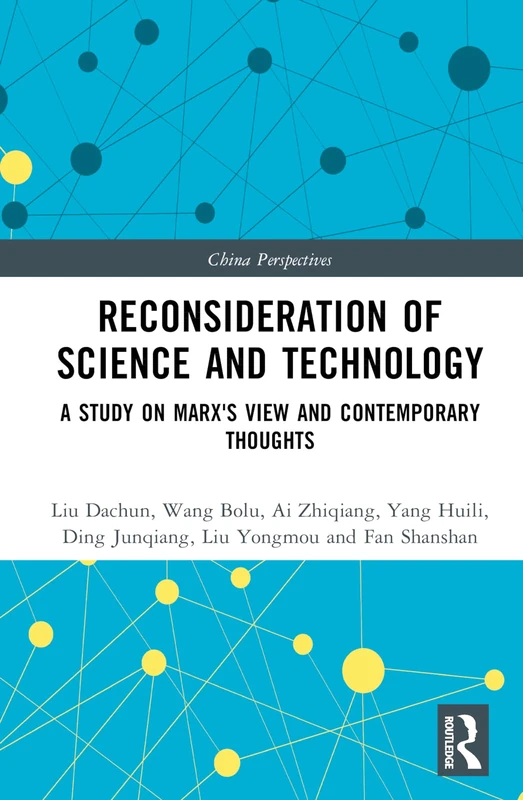
Reconsideration of Science and Technology: A Study on Marx's View and Contemporary Thoughts (China Perspectives)
Routledge
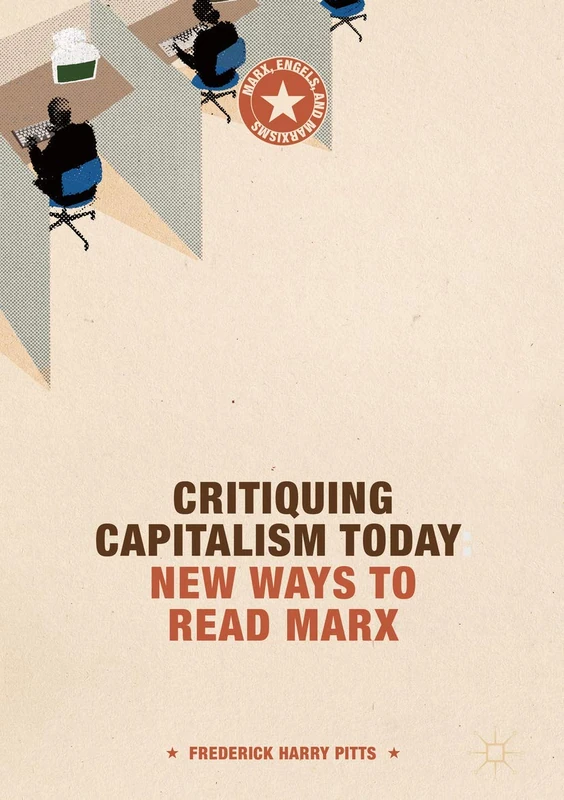
Critiquing Capitalism Today: New Ways to Read Marx (Marx, Engels, and Marxisms)
Springer
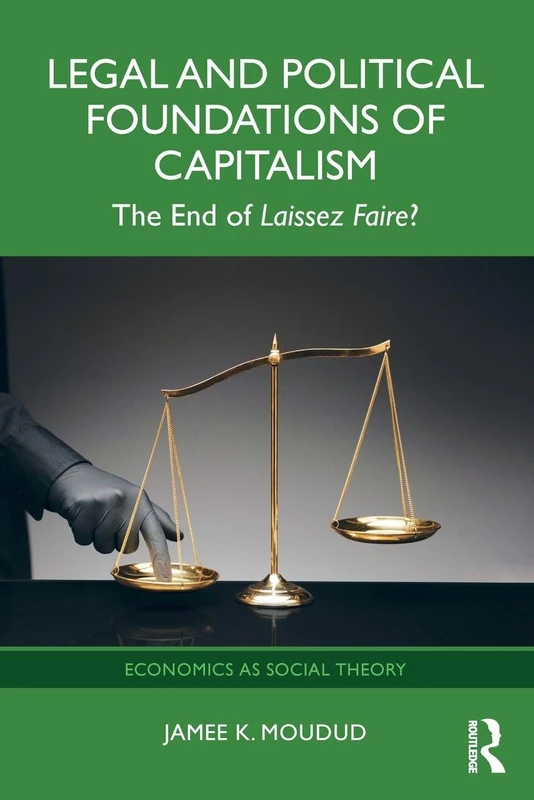
Legal and Political Foundations of Capitalism: The End of Laissez Faire? (Economics as Social Theory)
Routledge
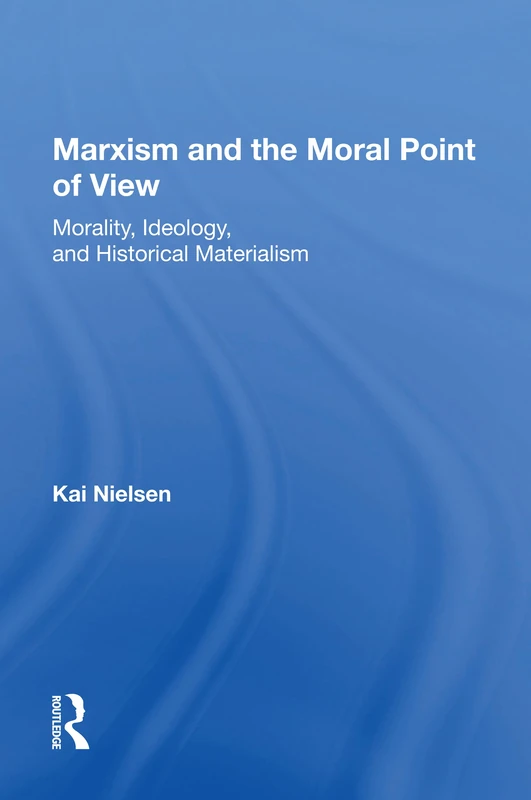
Marxism And The Moral Point Of View: Morality, Ideology, And Historical Materialism
Routledge