We can't find the internet
Attempting to reconnect
Something went wrong
Hang in there while we get back on track
£120.04
This is the most expensive it has ever been. Walk away.
£120 today · previous high £120 · all-time low £115
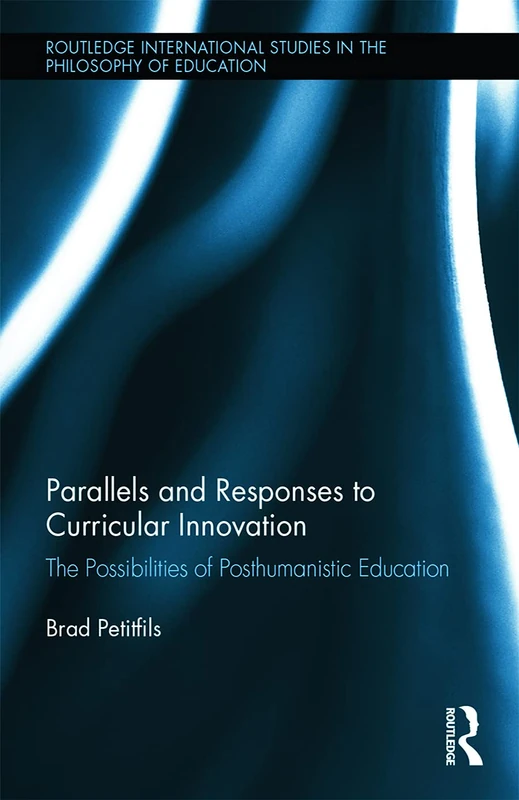
Routledge Parallels and Responses to Curricular Innovation: The Possibilities of Posthumanistic Education: 36 (Routledge International Studies in the Philosophy of Education)
We'll watch every seller, every day. One email when your price arrives.
Price History & Forecast
Grey patches = out of stock. Cheaper = lower on the chart. Hover for exact prices.
Last 57 days · 57 data points (no recent data)
NEW HERE?
Amazon shows you one price. We show you all of them.
Tosheroon watches Amazon prices so you don't have to. Every product on Amazon has a price history — we make it visible. Set the price you'd actually pay, and we'll email you the second it gets there. No app, no account, one email.
WHAT'S ON THIS PAGE
when this has been cheap or pricey
where the price is heading next
all-time high & low, recent range
name your number, we'll email you
Price Distribution
Price distribution over 57 days • 2 price levels
Price Analysis
Most common price: £115 (31 days, 54.4%)
Price range: £115 - £120
Price levels: 2 different prices over 57 days
Description
Product Specifications
- Brand
- Routledge
- Format
- hardcover
- ASIN
- 0415733790
- Domain
- Amazon UK
- Release Date
- 25 November 2014
- Listed Since
- 23 June 2014
Barcode
No barcode data available
Similar Products You Might Like
Posthuman Pedagogies in Practice: Arts based Approaches for Developing Participatory Futures
Palgrave

Dialogues on Agential Realism: Engaging in Worldings through Research Practice
Routledge

Design, Mediation, and the Posthuman (Postphenomenology and the Philosophy of Technology)
Lexington Books

Design, Mediation, and the Posthuman (Postphenomenology and the Philosophy of Technology)
Lexington Books
Hermeneutic Dialogue and Shaping the Landscape of Theoretical and Philosophical Psychology: The Work of Frank Richardson
Routledge
Posthumanism: A Guide for the Perplexed (Guides for the Perplexed)
Bloomsbury
Philosophy After Nature
Rowman & Littlefield Publishers

Hysterical Sublime, The: Humanism in the Age of Posthuman Capitalism
Bloomsbury
Posthumanism in Italian Literature and Film: Boundaries and Identity (Italian and Italian American Studies)
MACMILLAN
Posthumanism (Themes in 20th and 21st Century Literature)
Wiley

Homo absconditus: Helmuth Plessners Philosophische Anthropologie im Vergleich
De Gruyter

Humanism in Economics and Business: Perspectives of the Catholic Social Tradition: 43 (Issues in Business Ethics, 43)
Springer

Posthumanism: A Critical Analysis
Bloomsbury

Studies in Philosophical Realism in Art, Design and Education: 20 (Landscapes: the Arts, Aesthetics, and Education, 20)
Springer

Philosophical Posthumanism (Theory in the New Humanities)
Bloomsbury

Phänomenologische Erziehungswissenschaft von ihren Anfängen bis heute: Eine Anthologie: 4
Springer VS
Posthuman research playspaces: Climate child imaginaries
Routledge

Feminist Film Theory and Pretty Woman (Film Theory in Practice)
Bloomsbury
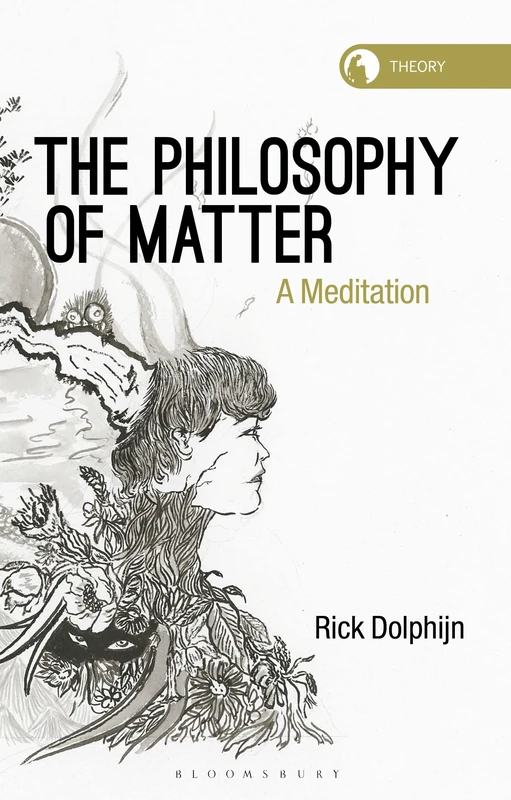
Philosophy of Matter, The: A Meditation (Theory in the New Humanities)
Bloomsbury

On Transhumanism
Penn State University Press
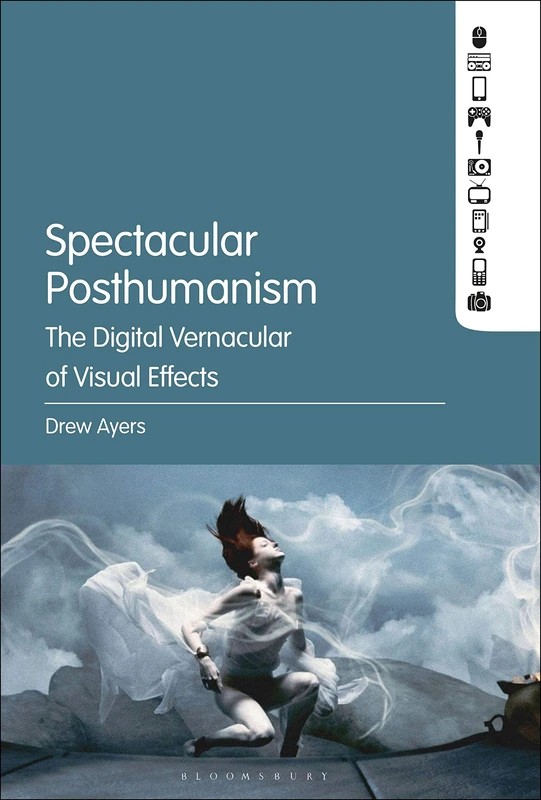
Spectacular Posthumanism: The Digital Vernacular of Visual Effects
Bloomsbury

Humanism and Technology: Opportunities and Challenges (Studies in Humanism and Atheism)
Palgrave

European Posthumanism
Routledge
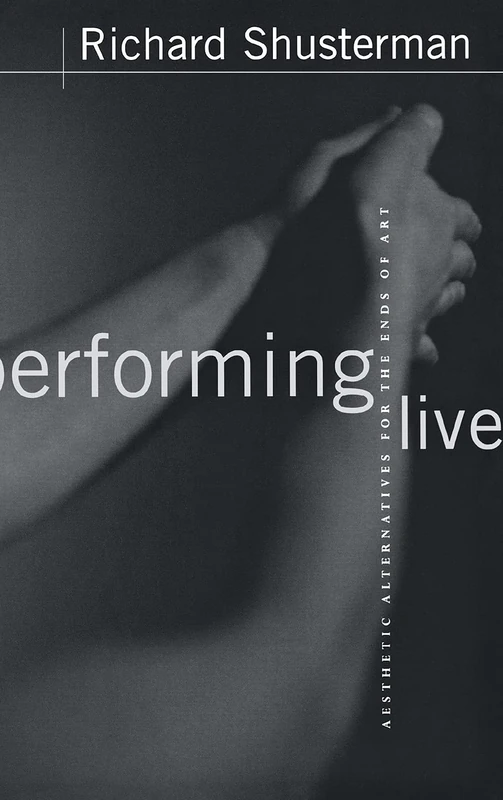
Performing Live: Aesthetic Alternatives for the Ends of Art
Cornell University Press