We can't find the internet
Attempting to reconnect
Something went wrong
Hang in there while we get back on track
£49.07
This is the most expensive it has ever been. Walk away.
£49 today · previous high £49 · all-time low £47
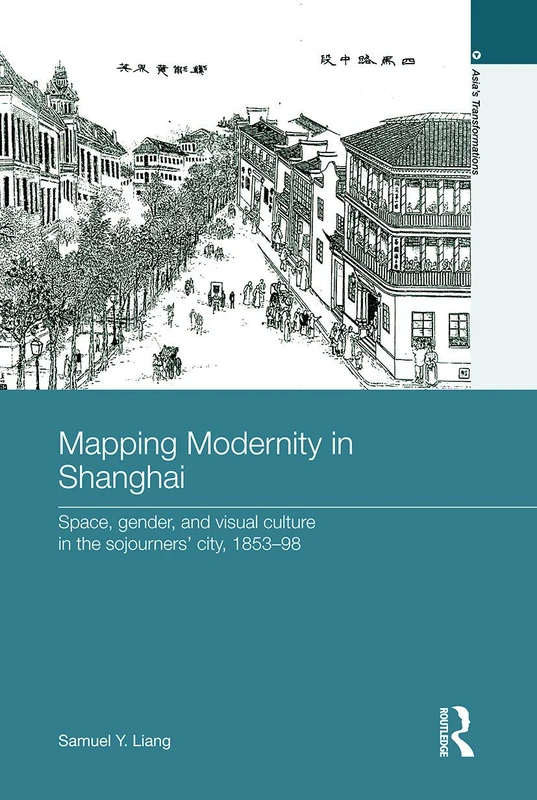
Routledge Mapping Modernity in Shanghai: Space, Gender, and Visual Culture in the Sojourners' City, 1853-98 (Asia's Transformations)
We'll watch every seller, every day. One email when your price arrives.
Price History & Forecast
Grey patches = out of stock. Cheaper = lower on the chart. Hover for exact prices.
Last 60 days · 60 data points (no recent data)
NEW HERE?
Amazon shows you one price. We show you all of them.
Tosheroon watches Amazon prices so you don't have to. Every product on Amazon has a price history — we make it visible. Set the price you'd actually pay, and we'll email you the second it gets there. No app, no account, one email.
WHAT'S ON THIS PAGE
when this has been cheap or pricey
where the price is heading next
all-time high & low, recent range
name your number, we'll email you
Price Distribution
Price distribution over 60 days • 2 price levels
Price Analysis
Most common price: £49 (58 days, 96.7%)
Price range: £47 - £49
Price levels: 2 different prices over 60 days
Description
Product Specifications
- Brand
- Routledge
- Format
- paperback
- ASIN
- 0415631165
- Domain
- Amazon UK
- Release Date
- 01 June 2012
- Listed Since
- 03 March 2012
Barcode
No barcode data available
Similar Products You Might Like
Mapping Modernity in Shanghai: Space, Gender, and Visual Culture in the Sojourners' City, 1853-98 (Asia's Transformations)
Routledge
Australians in Shanghai: Race, rights and nation in treaty port China
Routledge
Visualising China, 1845-1965: Life/Still Images in Historical Narratives
Brill
Eileen Chang: Romancing Languages, Cultures and Genres
Hong Kong University Press
The Strategies of China's Firms: Resolving Dilemmas
Elsevier
The Matrix of Modernity and National Identity in Manchukuo Literature from 1937 to 1941 (Peter Lang Regional Studies)
Peter Lang Gmbh, Internationaler Verlag Der Wissenschaften
Trade and Technology Networks in the Chinese Textile Industry: Opening Up Before the Reform
MACMILLAN
Sino-American Relations: Challenges Ahead - Routledge
Routledge
Shanghai Contemporary: The Politics of Built Form: How divergent planning methods transformed Shanghai¿s urban identity Foreword by Stanford Anderson
VDM Verlag
Routledge Modern Mandarin Chinese Workbook 2 - Traditional Characters
Routledge
Chinese Surplus: Biopolitical Aesthetics and the Medically Commodified Body (Perverse Modernities: A Series Edited by Jack Halberstam and Lisa Lowe)
Duke University Press
Routledge Course in Modern Mandarin Level 2 Traditional Bundle: Textbook Level 2: Traditional Characters
Routledge
Routledge Course in Modern Mandarin Chinese Workbook 2 (Traditional): Workbook Level 2: Traditional Characters 練習本 第二冊 繁體版
Routledge
Soft Power: China's Emerging Strategy in International Politics
Lexington Books
China in the Xi Jinping Era (The Nottingham China Policy Institute Series)
MACMILLAN
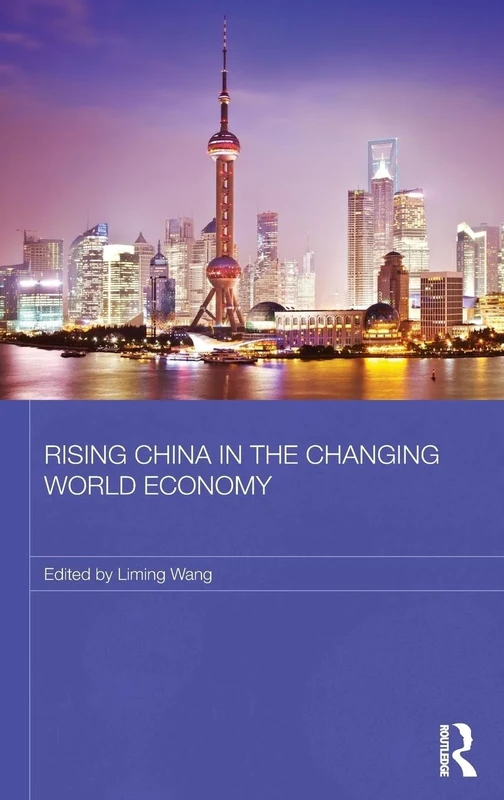
Rising China in the Changing World Economy: 46 (Routledge Studies on the Chinese Economy)
Routledge
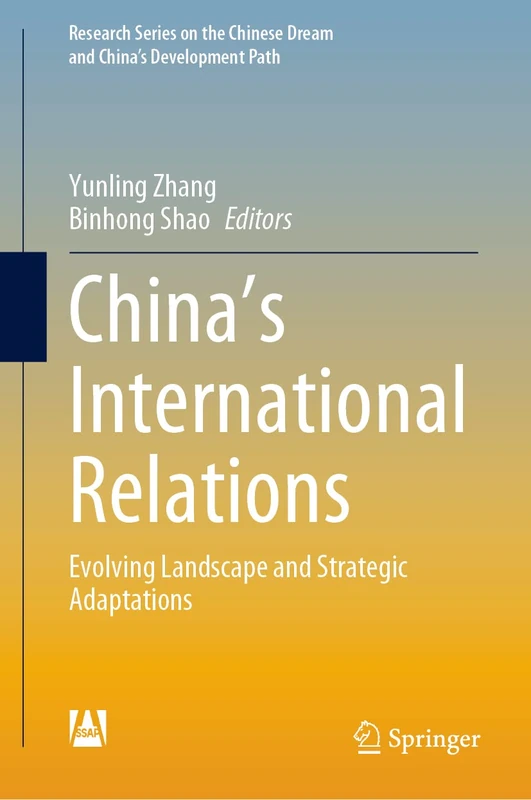
China’s International Relations: Evolving Landscape and Strategic Adaptations (Research Series on the Chinese Dream and China’s Development Path)
Springer
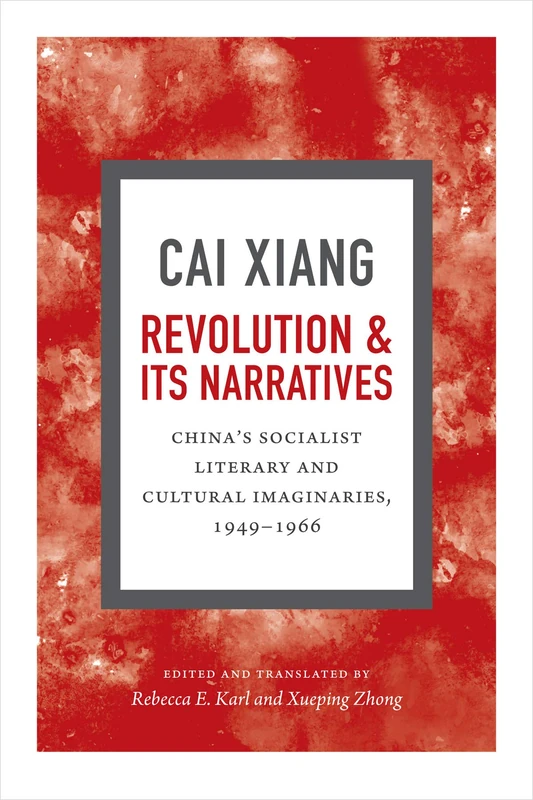
Revolution and Its Narratives: China's Socialist Literary and Cultural Imaginaries, 1949-1966
Duke University Press
China from a U.S. Policy Perspective - Routledge
Routledge
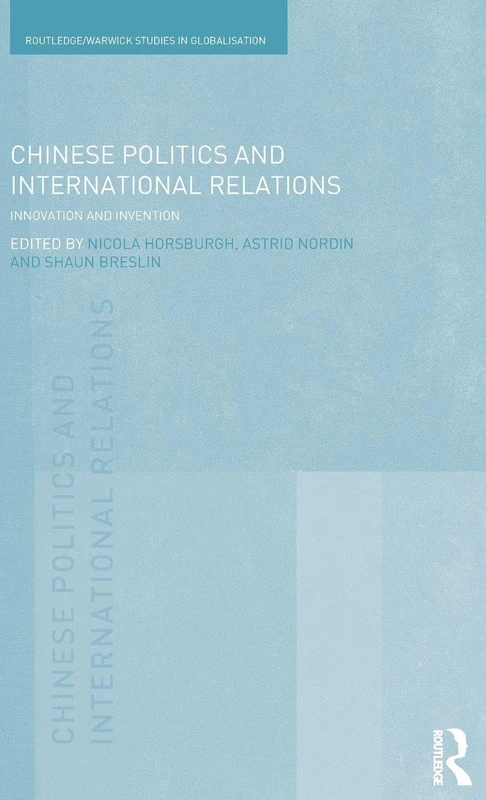
Chinese Politics and International Relations: Innovation and Invention
Routledge
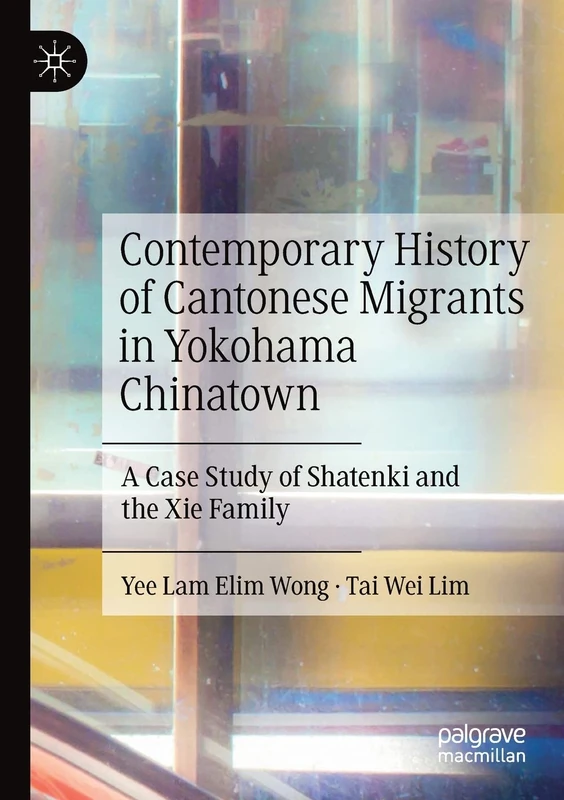
Contemporary History of Cantonese Migrants in Yokohama Chinatown: A Case Study of Shatenki and the Xie Family
MACMILLAN
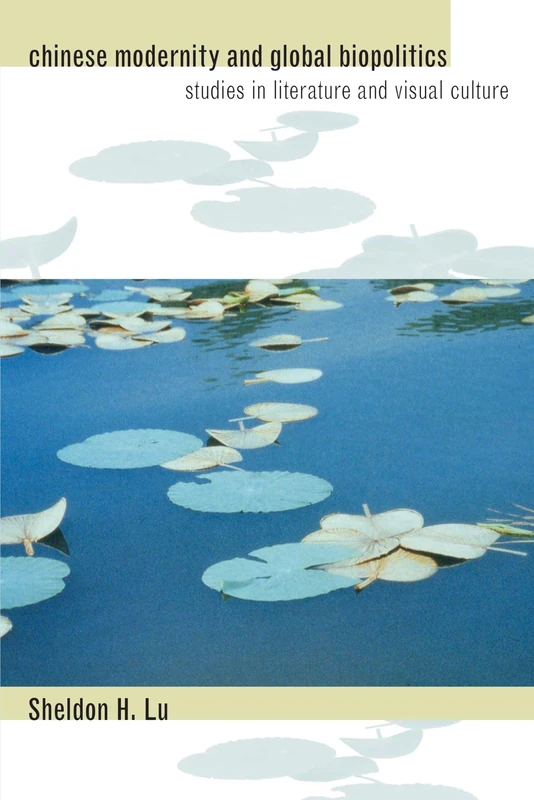
Chinese Modernity and Global Biopolitics: Studies in Literature and Visual Culture
University of Hawaii Press
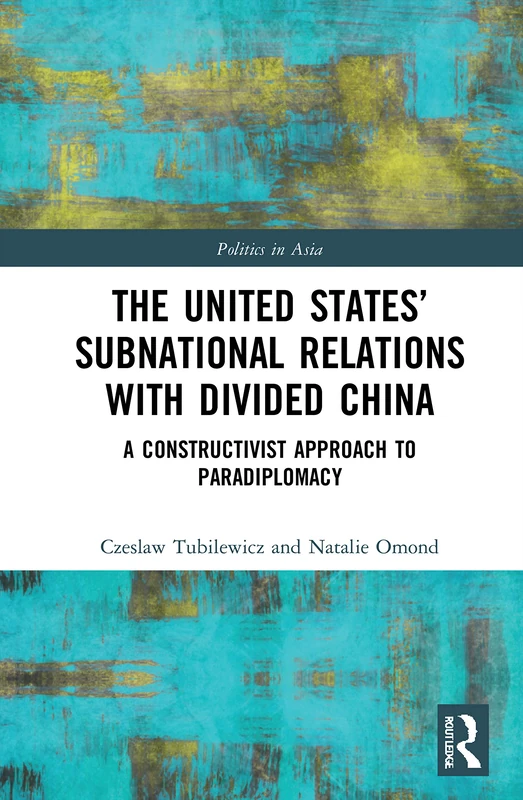
The United States’ Subnational Relations with Divided China: A Constructivist Approach to Paradiplomacy (Politics in Asia)
Routledge
Contemporary History of Cantonese Migrants in Yokohama Chinatown: A Case Study of Shatenki and the Xie Family
MACMILLAN