We can't find the internet
Attempting to reconnect
Something went wrong
Hang in there while we get back on track
£164.84
This is the most expensive it has ever been. Walk away.
£165 today · previous high £165 · all-time low £150
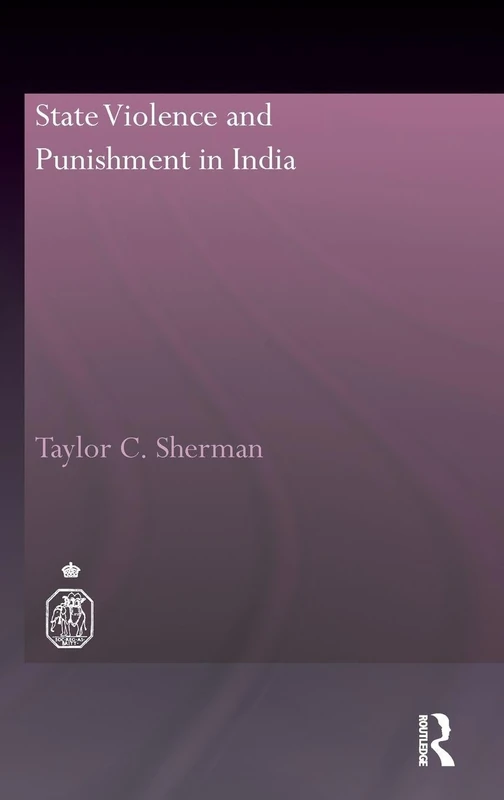
Routledge State Violence and Punishment in India: 21 (Royal Asiatic Society Books)
We'll watch every seller, every day. One email when your price arrives.
Price History & Forecast
Grey patches = out of stock. Cheaper = lower on the chart. Hover for exact prices.
Last 62 days · 62 data points (no recent data)
NEW HERE?
Amazon shows you one price. We show you all of them.
Tosheroon watches Amazon prices so you don't have to. Every product on Amazon has a price history — we make it visible. Set the price you'd actually pay, and we'll email you the second it gets there. No app, no account, one email.
WHAT'S ON THIS PAGE
when this has been cheap or pricey
where the price is heading next
all-time high & low, recent range
name your number, we'll email you
Price Distribution
Price distribution over 62 days • 2 price levels
Price Analysis
Most common price: £165 (58 days, 93.5%)
Price range: £150 - £165
Price levels: 2 different prices over 62 days
Description
Product Specifications
- Brand
- Routledge
- Format
- hardcover
- ASIN
- 0415559707
- Domain
- Amazon UK
- Release Date
- 15 December 2009
- Listed Since
- 08 May 2009
Barcode
No barcode data available
Similar Products You Might Like

Politics in India: Structure, Process and Policy
Routledge
Price unavailable
Cultured Violence: Narrative, Social Suffering, and Engendering Human Rights in Contemporary South Africa (Postcolonialism Across the Disciplines): 7
Liverpool University Press

A Military History of India and South Asia: From the East India Company to the Nuclear Era
Bloomsbury

Policing a Perplexed Society (Routledge Library Editions: Police and Policing)
Routledge
Bygone Utopias and Farm Protest in the Rural Midwest: Returning Home
MACMILLAN
Democracy and Unity in India: Understanding the All India Phenomenon, 1940-1960 (Routledge Studies in South Asian History)
Routledge
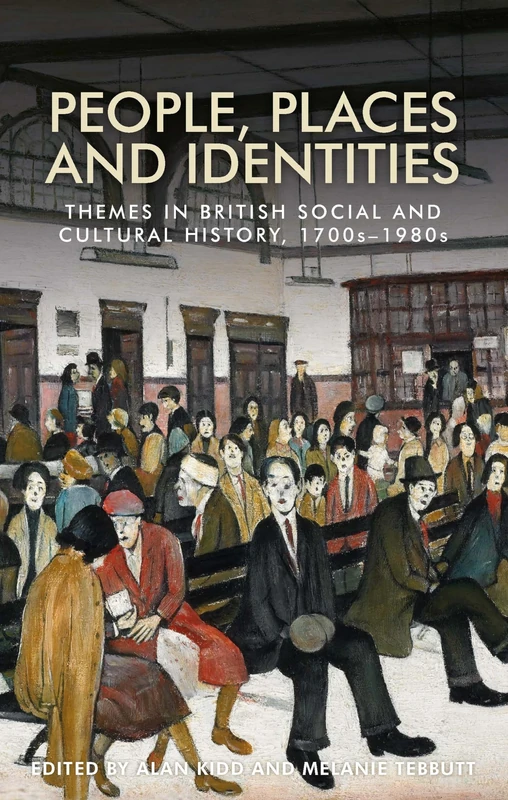
People, Places and Identities: Themes in British Social and Cultural History, 1700s–1980s
Manchester University Press
Gender, Sexuality, Decolonization: South Asia in the World Perspective
Routledge India's Princely States: People, Princes and Colonialism
Routledge
Violence and Resistance in Sikh Gendered Identity - Routledge
Routledge
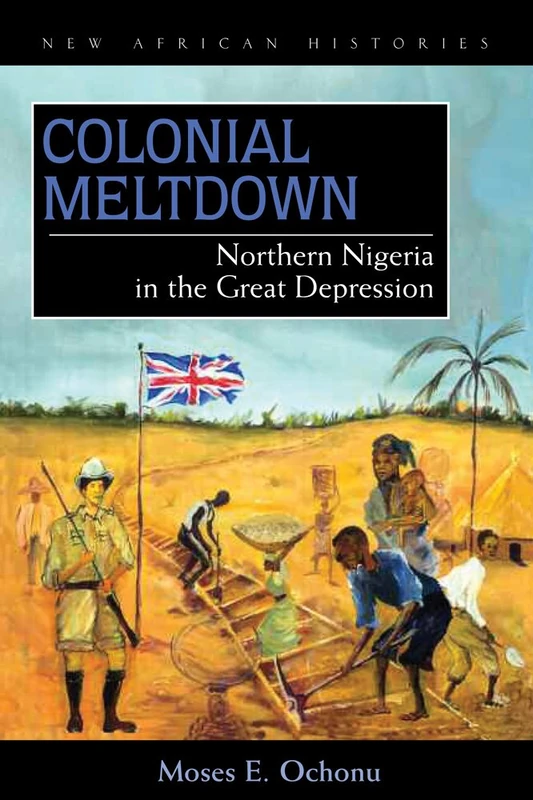
Colonial Meltdown: Northern Nigeria in the Great Depression (New African Histories)
Ohio University Press

Land of White Gloves?: A history of crime and punishment in Wales (History of Crime in the UK and Ireland)
Routledge

Schädliche traditionelle und kulturelle Praktiken im internationalen und regionalen Menschenrechtsschutz: 281 (Beiträge zum ausländischen öffentlichen Recht und Völkerrecht, 281)
Springer
Radical Politics in Colonial Punjab: Governance and Sedition (Routledge Studies in the Modern History of Asia) (Routledge Studies in South Asian History)
Routledge
Out of Line: Essays on the Politics of Boundaries and the Limits of Modern Politics (Global Horizons)
Routledge

Biosecurity, Economic Collapse, the State to Come: Political Power in the Pandemic and Beyond (Directions and Developments in Criminal Justice and Law)
Routledge
Nation-state and Minority Rights in India - Muslim and Sikh Identities
Routledge
The Well-Being of the Labor Force in Colonial Bombay: Discourses and Practices
MACMILLAN
Dimensions of Constitutional Democracy: India and Germany
Springer

Saudi Arabia in a Multipolar World - Routledge Reference
Routledge
The Well-Being of the Labor Force in Colonial Bombay: Discourses and Practices
MACMILLAN

Mass Violence and the Self: From the French Wars of Religion to the Paris Commune
Cornell University Press

Honor-Based Violence: Policing and Prevention: 19 (Advances in Police Theory and Practice)
Routledge

A Critical Analysis of Race, Policy, & Policing
Cognella Academic Publishing