We can't find the internet
Attempting to reconnect
Something went wrong
Hang in there while we get back on track

£49.54
Routledge MATLAB for Behavioral Scientists, Second Edition
Price data last checked 9 day(s) ago - will refresh soon
We'll watch every seller, every day. One email when your price arrives.
This is the usual price. Wait for it to drop, or tell us your number.
£50 today · usual range £37–£59 · best ever £37
NEW HERE?
Amazon shows you one price. We show you all of them.
Tosheroon watches Amazon prices so you don't have to. Every product on Amazon has a price history — we make it visible. Set the price you'd actually pay, and we'll email you the second it gets there. No app, no account, one email.
WHAT'S ON THIS PAGE
when this has been cheap or pricey
where the price is heading next
all-time high & low, recent range
name your number, we'll email you
Price History & Forecast
Grey patches = out of stock. Cheaper = lower on the chart. Hover for exact prices.
Last 82 days · 82 data points (no recent data)
Price Distribution
Price distribution over 82 days • 5 price ranges
Price Analysis
Most common range: £46-51 (36 days, 43.9%)
Price range: £37 - £59
Price levels: 5 price ranges over 82 days
Description
Key Features
Routledge
Product Specifications
- Brand
- Routledge
- Format
- paperback
- ASIN
- 0415535948
- Domain
- Amazon UK
- Release Date
- 03 July 2014
- Listed Since
- 25 January 2014
Barcode
No barcode data available
Similar Products You Might Like
Logitech C920S HD Pro Webcam, Full HD 1080p/30fps Video Calling, Clear Stereo Audio & M330 SILENT PLUS Wireless Mouse, 2.4GHz with USB Nano Receiver, 1000 DPI Optical Tracking
Logitech
Price unavailable
Amdelne 45W LED Batten Light 5FT - 10PCS Daylight 6000K Set
Amdelne
Logitech H390 USB Headset and M330 Silent Plus Mouse Bundle
Logitech
Price unavailable
UFYQL 15.6 inch Portable Monitor - 1080P FHD IPS HDR Screen
UFYQL
Lenovo Tab M11 11-inch Tablet - 128GB Storage, 4GB RAM, Grey
Lenovo
Price unavailable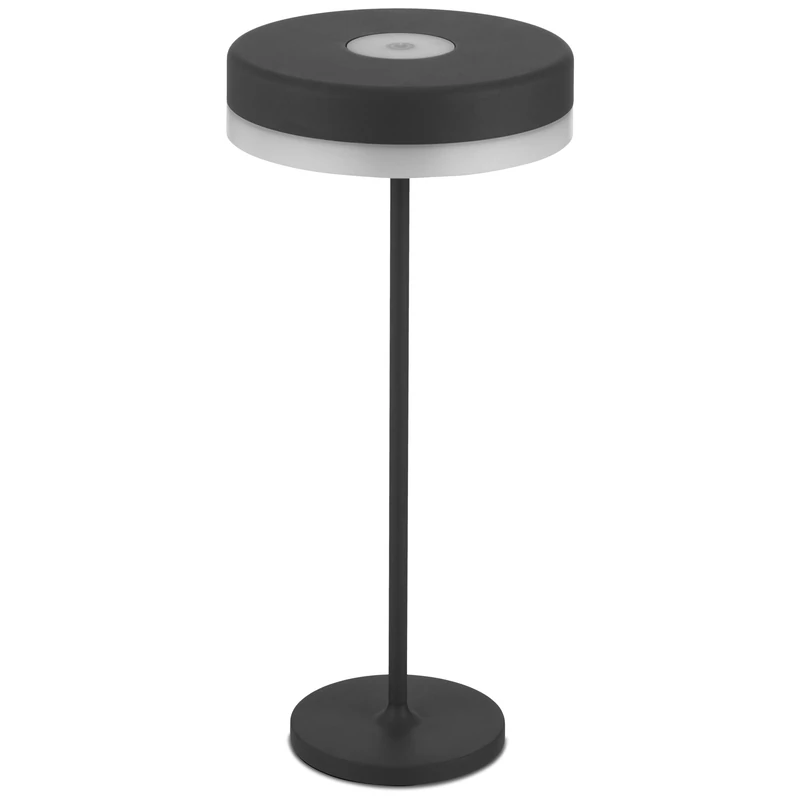
REV Disk Table Lamp Table Lamp Bedside Lamp Dimmable 200 lm 2 W Battery 4000 mAh IP54 Anthracite
REV
Price unavailable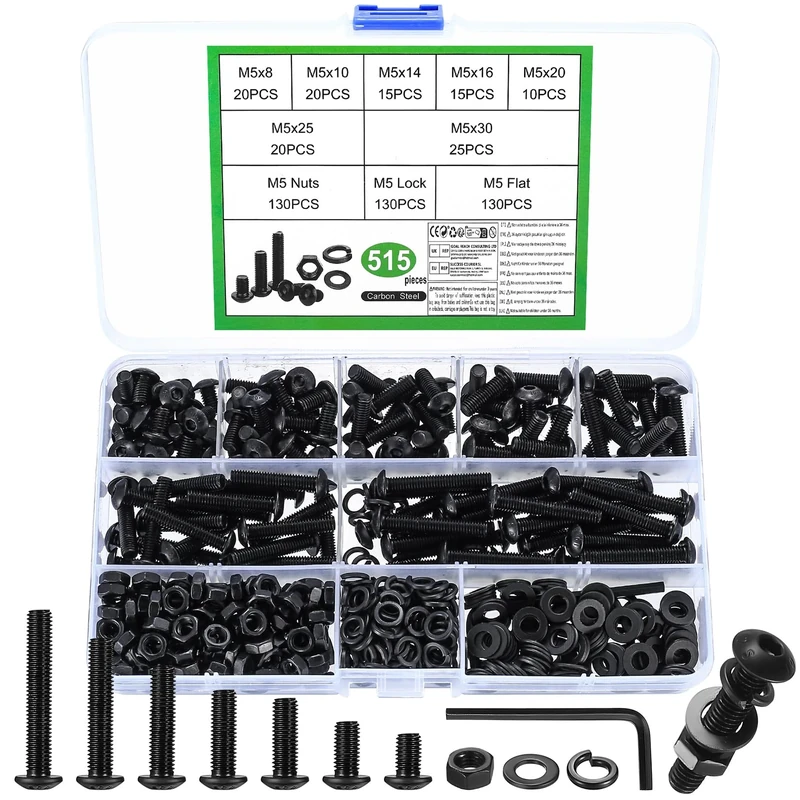
JinZeYou 515 Pcs M5 Bolts and Nuts Set - Black Hex Socket Screws
JinZeYou
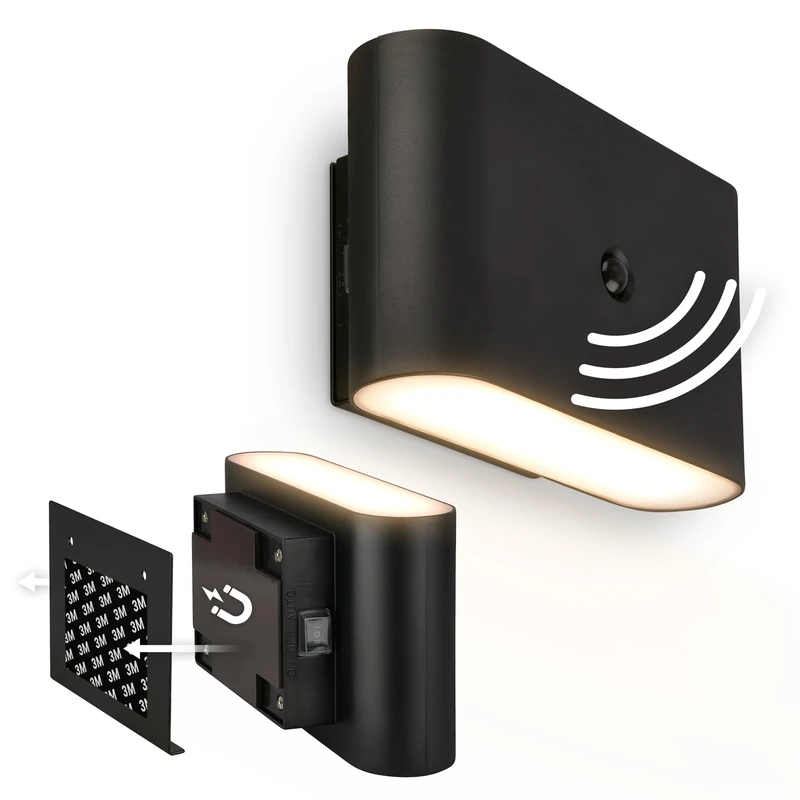
BRILONER Sticklights - Rechargeable Wall Light Without Wiring and Drilling, Motion Detector, Magnetic, LED, Sticky Wall Lights, Battery lamp, 16x9.5x6.5 cm, Black
Briloner
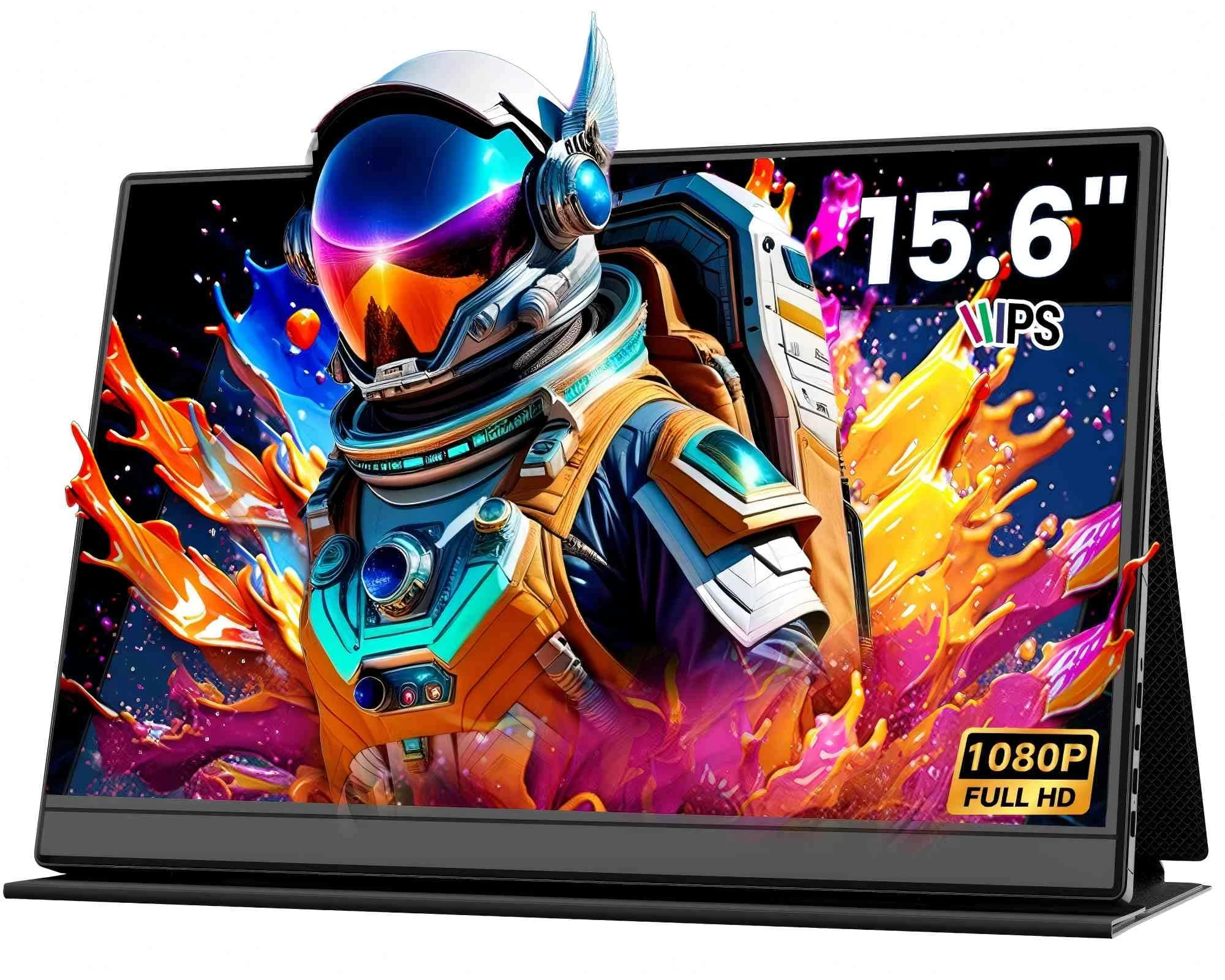
Xyvolve 15.6 Inch Portable Monitor - FHD 1080P IPS Display
Xyvolve
Price unavailable
Intenso Memory PLAY 6021430
Intenso
Hisense 100U7NQTUK 100 Inch 144Hz MiniLED 4K Smart TV
Hisense
Logitech Signature K650 Wireless Keyboard with Wrist Rest, Full-Size, BLE Bluetooth or Logi Bolt USB, Grey & M330 SILENT PLUS Wireless Mouse, 2.4GHz with USB Nano Receiver, Black
Logitech
Price unavailable
MMOBIEL Mini DP to HDMI Adapter - 1080p Full HD Converter
MMOBIEL
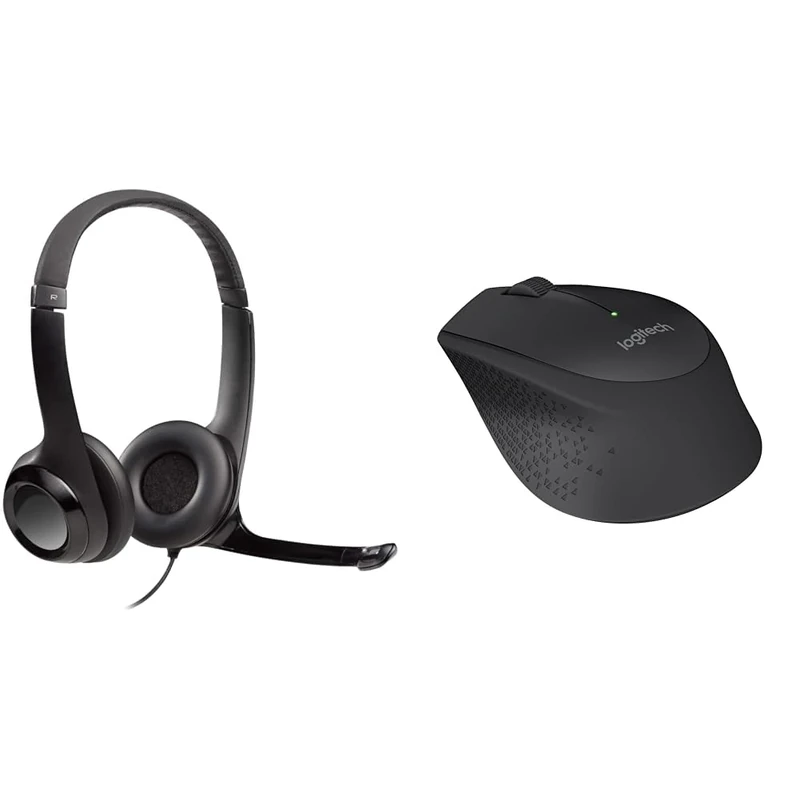
Logitech H390 Wired Headset for PC/Laptop, Stereo Headphones with Noise Cancelling Microphone & M280 Wireless Mouse, 2.4 GHz with USB Nano Receiver, 1000 DPI Optical Tracking
Logitech
Price unavailable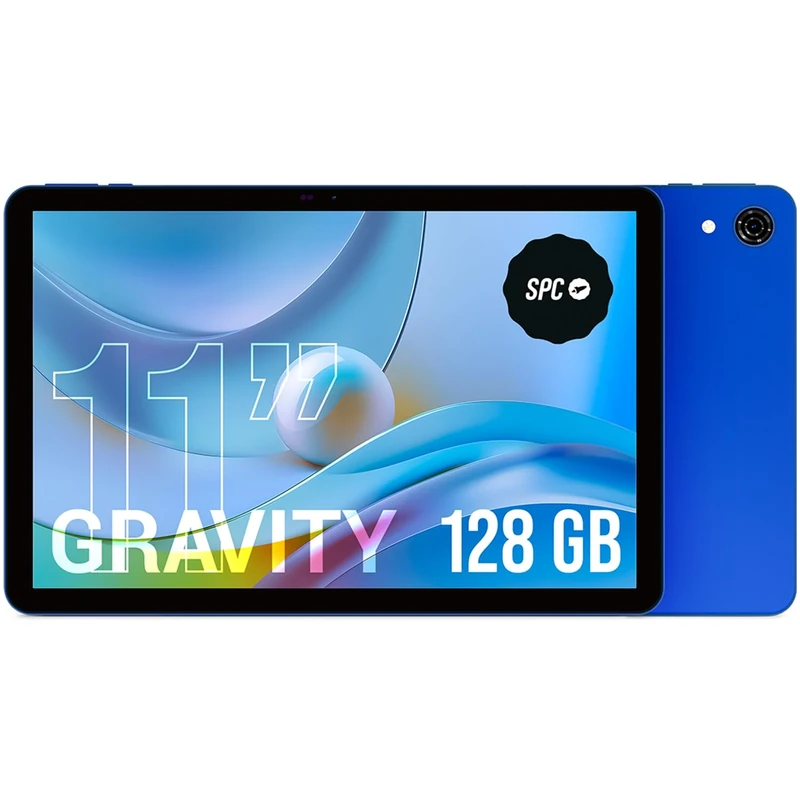
SPC GRAVITY 11" - Android tablet, HD, 128GB, 4GB RAM, Blue
SPC
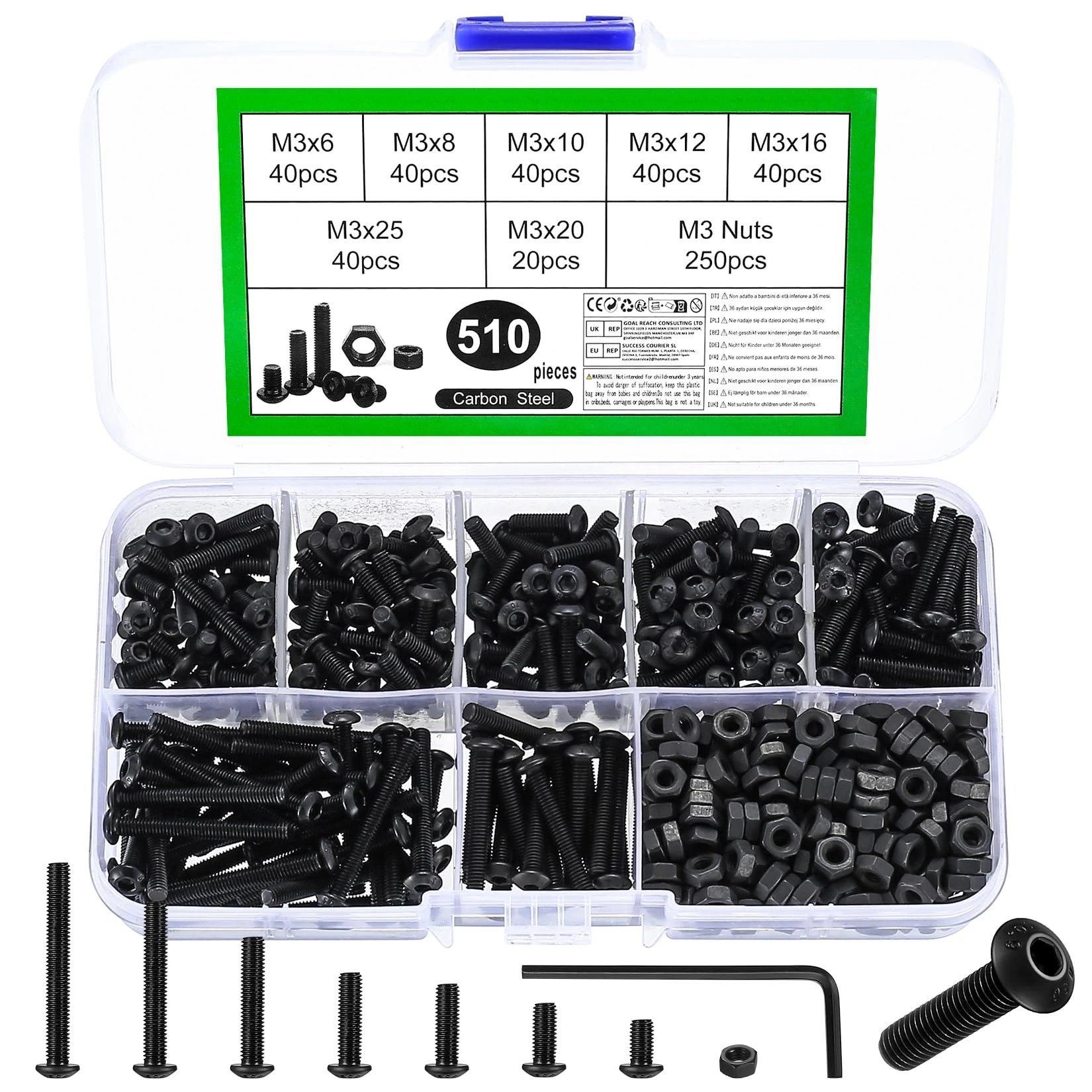
JinZeYou M3 Hex Socket Button Head Cap Screw and Nut Set
JinZeYou
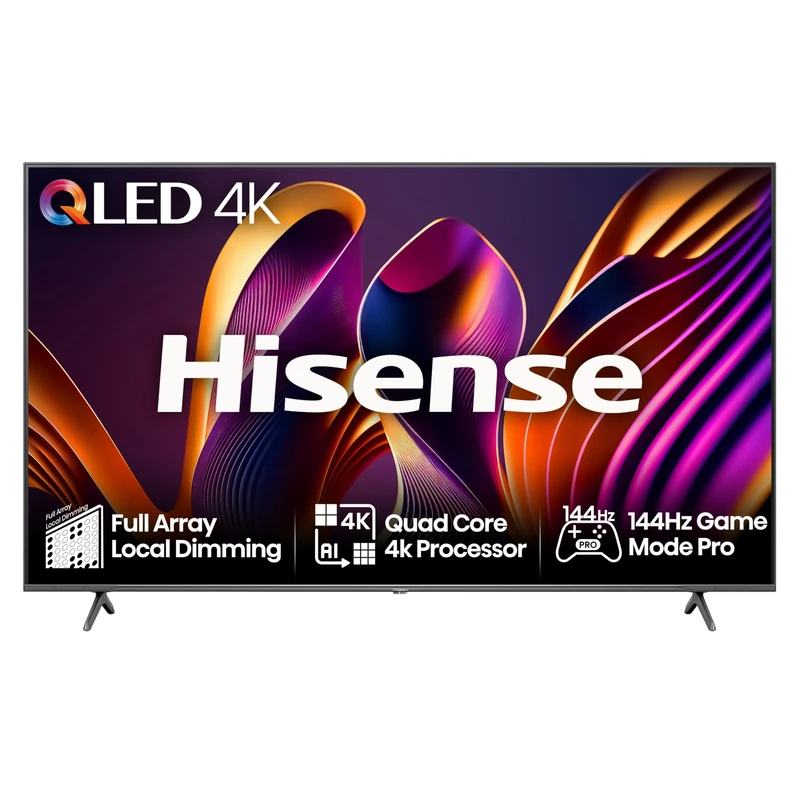
Hisense 65 Inch 144Hz 4K QLED Smart Gaming TV 65E7NQTUK PRO - Full Array Local Dimming, Dolby Vision Atmos, Freesync, Subwoofer, Vidaa OS with Freely, Youtube, Netflix and Disney+ (2024 Model)
Hisense
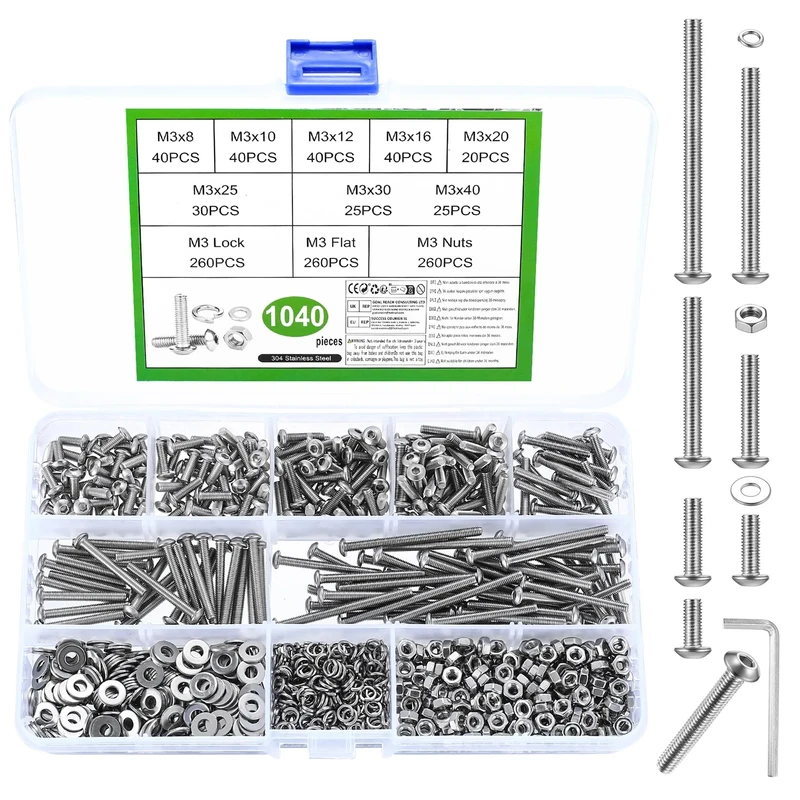
JinZeYou M3 Screws Set - 1040 Pcs Bolts, Nuts and Washers Kit
JinZeYou
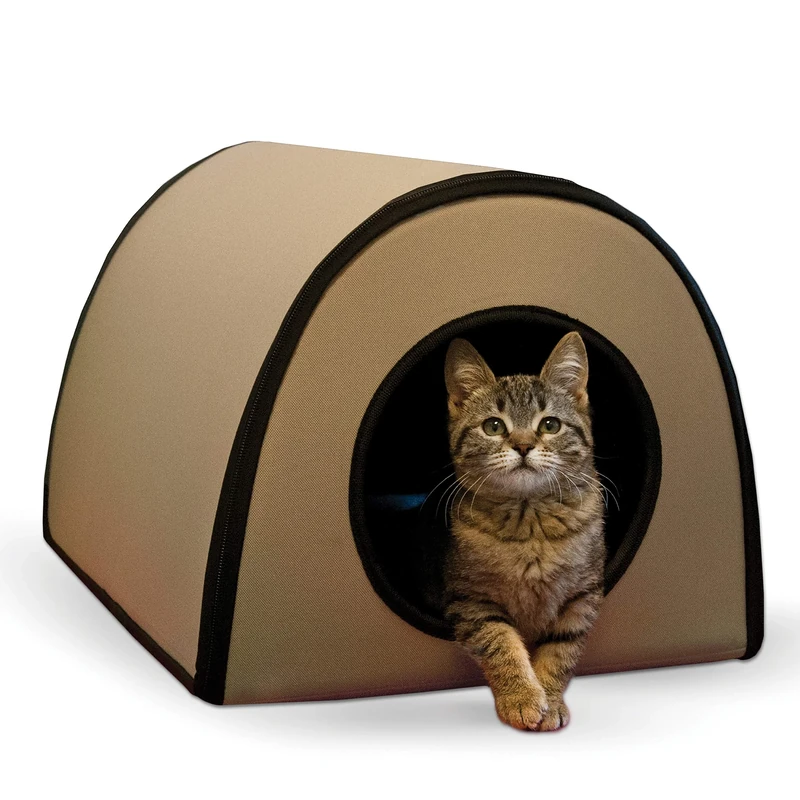
K&H Thermo Mod Kitty Shelter - Outdoor Heated Cat House
K&H
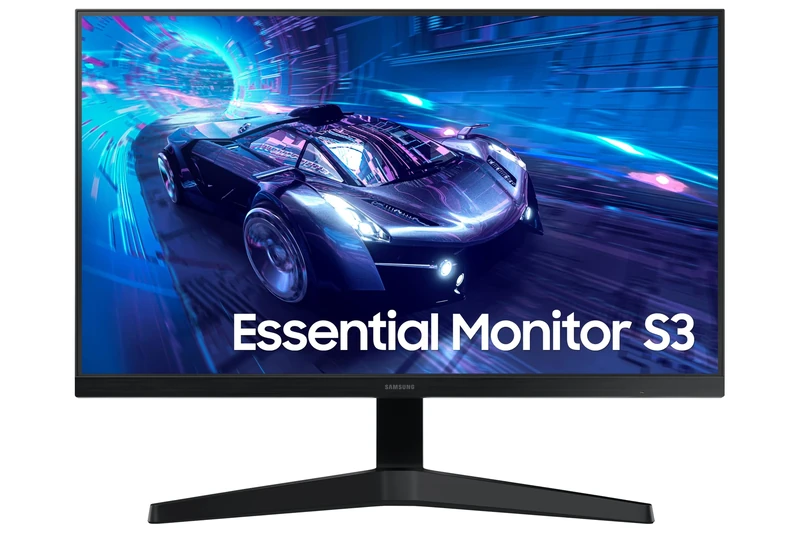
Samsung LS24F330EAUXXU 24" Full HD 100Hz Monitor - 1920x1080p, VGA, HDMI, Eye Saver Mode, Game Mode
Samsung
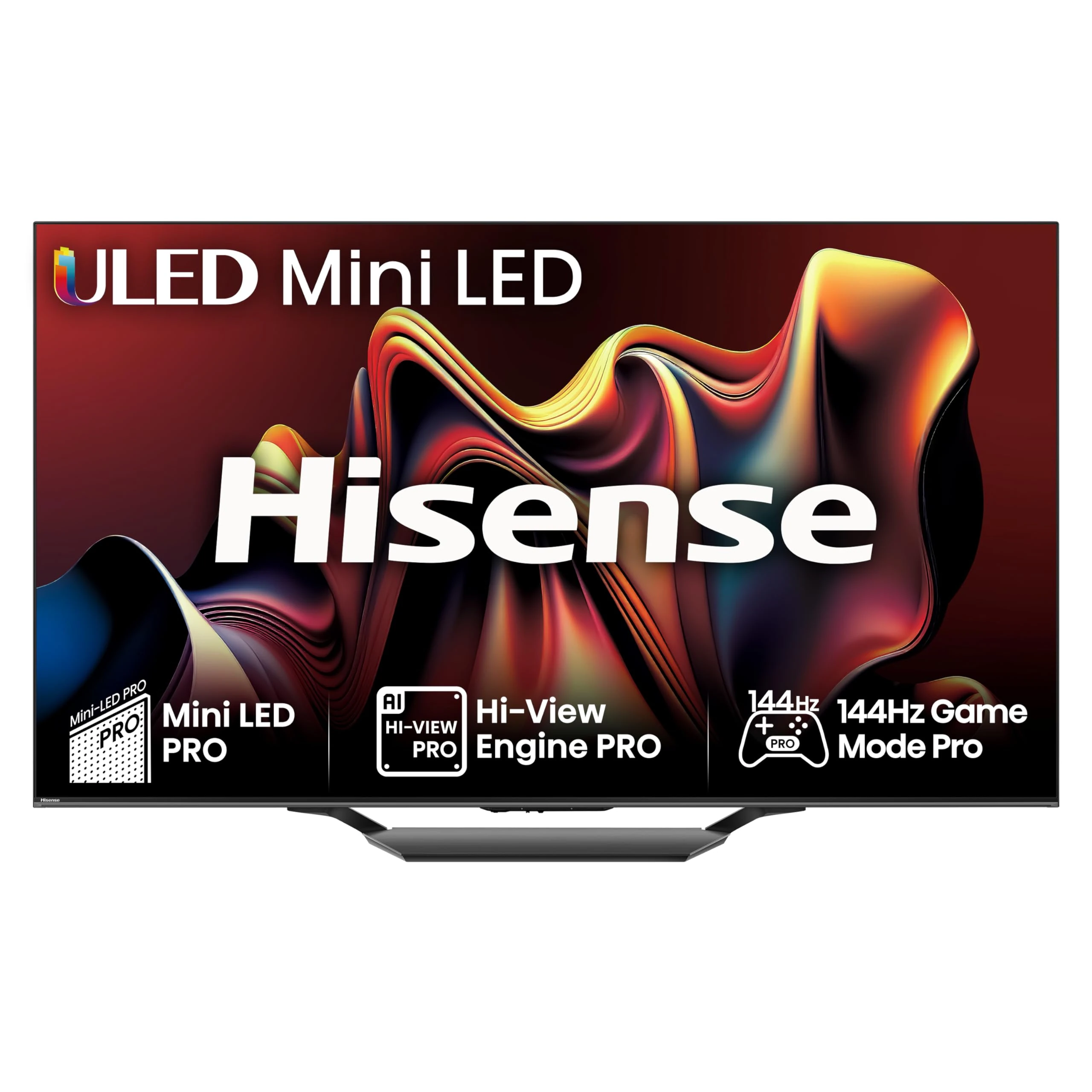
Hisense 55 Inch 55U7NQTUK 144Hz Mini-LED 4K Smart TV
Hisense
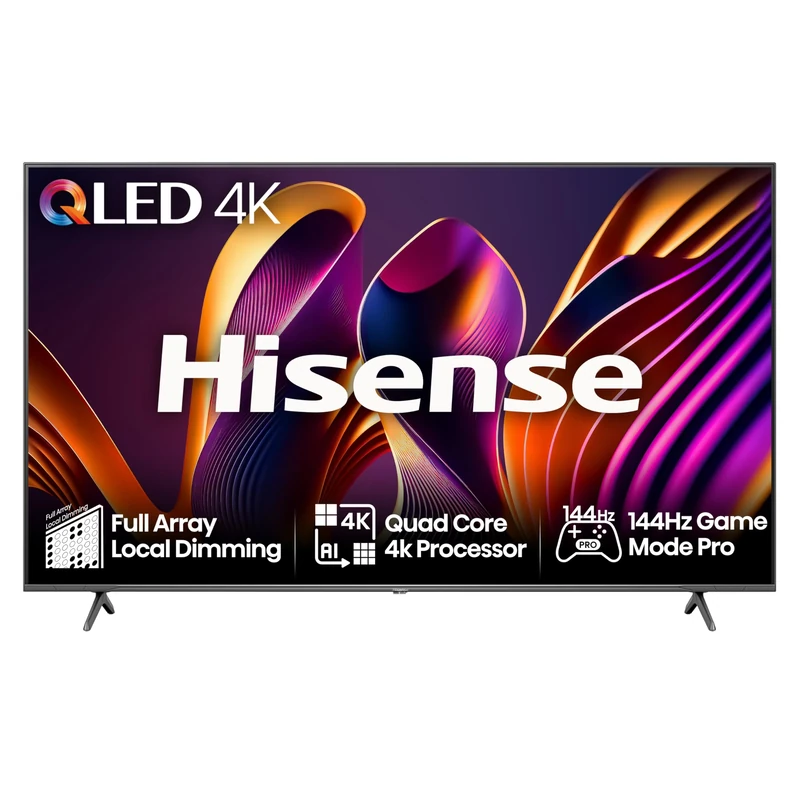
Hisense 75 Inch 4K QLED 144Hz Smart Gaming TV 75E7NQTUK PRO
Hisense
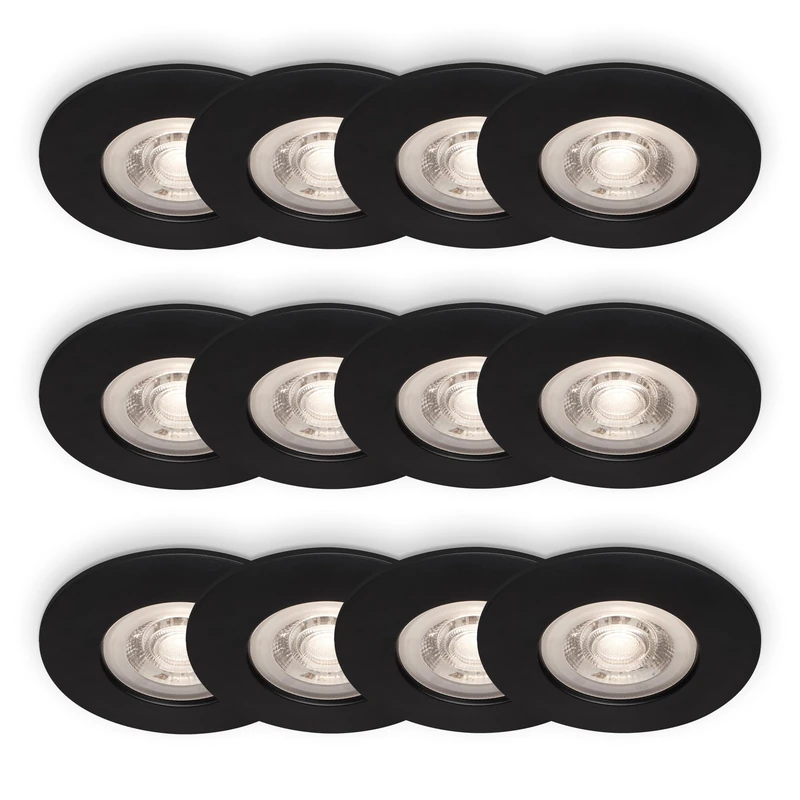
Briloner - 3X Pack of 4 Recessed Spotlights, Warm White Light, Slim, Downlights, Ceiling Spotlights, LED Lights, Spots, Recessed Lights, 68Mm Hole Size, 9x2.5 cm, Black
Briloner
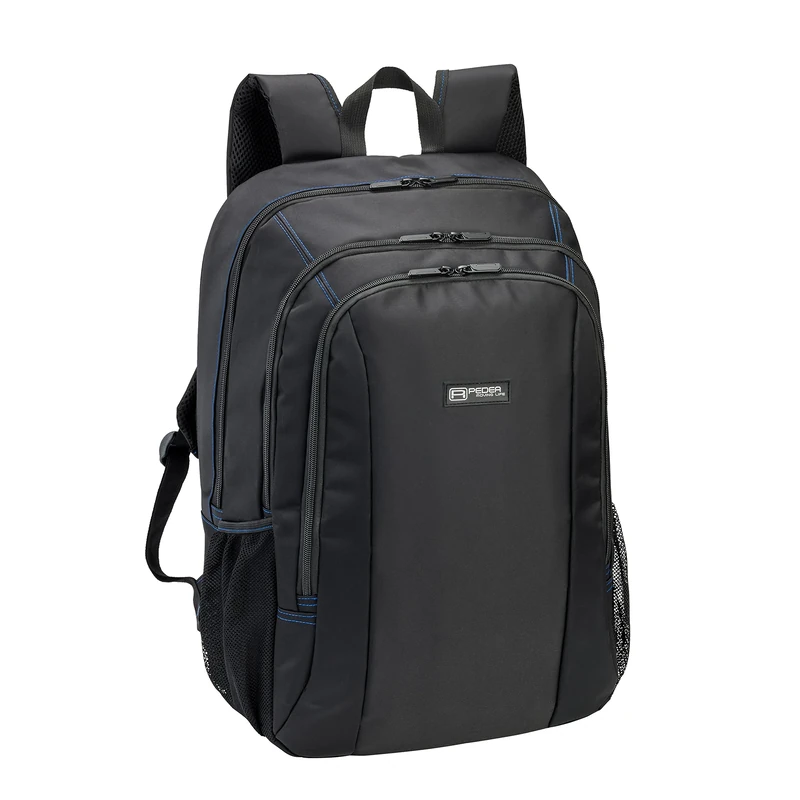
Pedea Game sacoche d'ordinateurs portables 43,9 cm (17.3") Sac à dos Noir, Bleu
PEDEA