We can't find the internet
Attempting to reconnect
Something went wrong
Hang in there while we get back on track
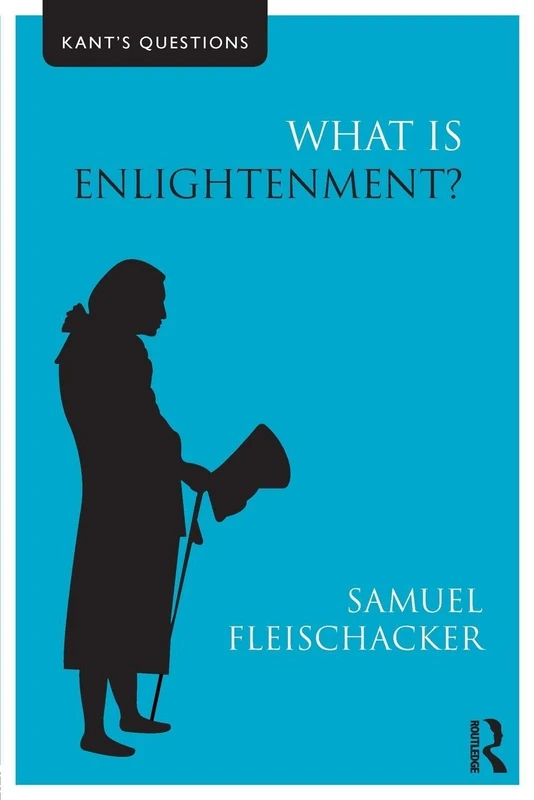
£40.99
Routledge What is Enlightenment? (Kant's Questions)
Price data last checked 25 day(s) ago - will refresh soon
We'll watch every seller, every day. One email when your price arrives.
It has never been this cheap. We have no record of a lower price.
£41 today · cheaper than every other day in the last 3 months
NEW HERE?
Amazon shows you one price. We show you all of them.
Tosheroon watches Amazon prices so you don't have to. Every product on Amazon has a price history — we make it visible. Set the price you'd actually pay, and we'll email you the second it gets there. No app, no account, one email.
WHAT'S ON THIS PAGE
when this has been cheap or pricey
where the price is heading next
all-time high & low, recent range
name your number, we'll email you
Price History & Forecast
Grey patches = out of stock. Cheaper = lower on the chart. Hover for exact prices.
Last 66 days · 66 data points (no recent data)
Price Distribution
Price distribution over 66 days • 1 price levels
Price Analysis
Most common price: £41 (66 days, 100.0%)
Price range: £41 - £41
Price levels: 1 different prices over 66 days
Description
Product Specifications
- Brand
- Routledge
- Format
- paperback
- ASIN
- 0415497817
- Domain
- Amazon UK
- Release Date
- 21 February 2013
- Listed Since
- 26 April 2010
Barcode
No barcode data available
Similar Products You Might Like
Aspects of Enlightenment: Social Theory and the Ethics of Truth
Rowman & Littlefield Publishers

Kant und die Zukunft der europäischen Aufklärung
De Gruyter
Kant and the Problem of Politics: Rethinking the Contemporary World
The Enlightenment: 1 (Cambridge Readings in the History of Political Thought, Series Number 1)
Cambridge University Press
System and Freedom in Kant and Fichte (Routledge Studies in Eighteenth-Century Philosophy)
Routledge
KANT & THE NATURALISTIC TURN OF 18TH CENTURY PHILOSOPHY CLOTH
Oxford University Press
Kant: Lectures and Drafts on Political Philosophy (The Cambridge Edition of the Works of Immanuel Kant)
Cambridge University Press
The Routledge Companion to Eighteenth Century Philosophy (Routledge Philosophy Companions)
Routledge
F Schleiermacher: Between Enlighten: Between Enlightenment and Romanticism: 0 (Cambridge Studies in Religion & Critical Thought)
Cambridge University Press
The Blackwell Guide to Kant's Ethics: 7 (Blackwell Guides to Great Works)
Wiley
Alasdair macintyre A Critical Study of the Enlightenment
Kant’s Practical Philosophy: From Critique to Doctrine
MACMILLAN
Herder on Humanity and Cultural Difference: Enlightened Relativism
Cambridge University Press
Kants Philosophie des Subjekts: Systematische und entwicklungsgeschichtliche Untersuchungen zum Verhältnis von Selbstbewusstsein und Selbsterkenntnis
Meiner Felix Verlag GmbH
Kant, Religion, and Politics
Cambridge University Press
Kant and Modern Political Philosophy
Cambridge University Press
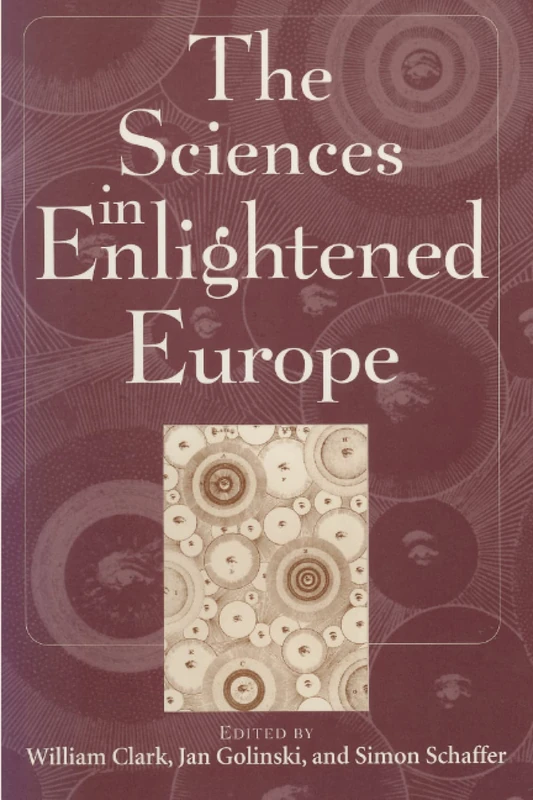
The Sciences in Enlightened Europe
University of Chicago Press
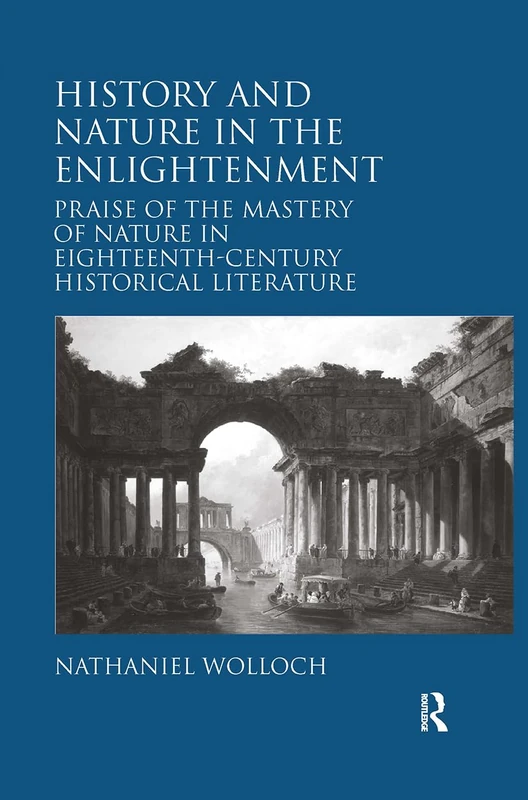
History and Nature in the Enlightenment: Praise of the Mastery of Nature in Eighteenth-Century Historical Literature
Routledge

Die Erkenntnisproblematik bei Heinrich von Kleist: Der Weg zur Wahrheit - oder Kleists Dramen Amphitryon und Penthesilea im Spiegel der Kantischen Philosophie
VDM Verlag
From Marx to Kant
MACMILLAN
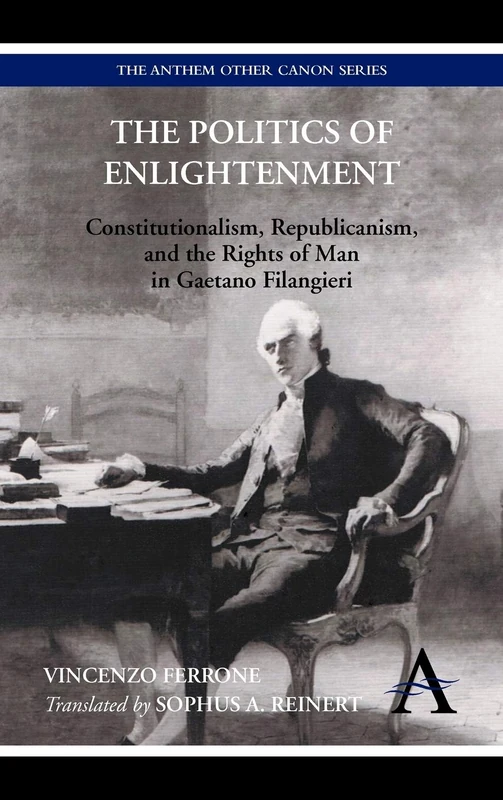
The Politics of Enlightenment: Constitutionalism, Republicanism, and the Rights of Man in Gaetano Filangieri (Anthem Other Canon Economics)
Anthem Press
Jane Austen and the Enlightenment
Cambridge University Press
Scepticism in the Eighteenth Century: Enlightenment, Lumières, Aufklärung: 210 (International Archives of the History of Ideas Archives internationales d'histoire des idées, 210)
Springer
Explaining Understanding: New Perspectives from Epistemology and Philosophy of Science
Routledge