£163.63

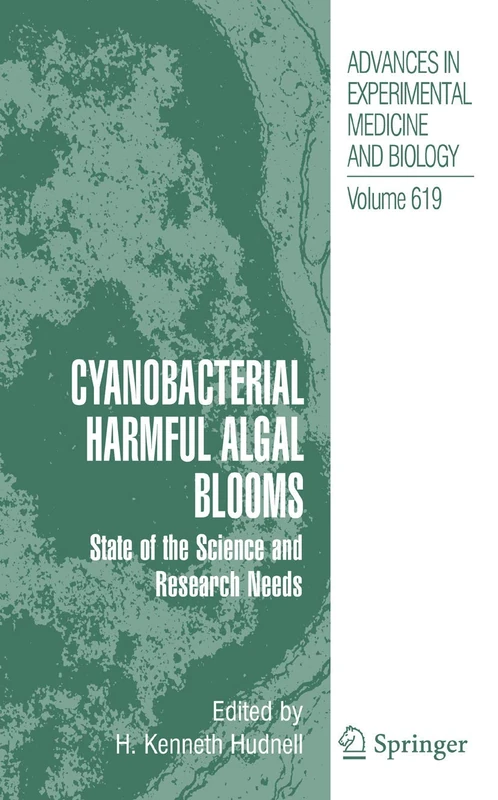
Springer Cyanobacterial Harmful Algal Blooms: State of the Science and Research Needs: 619 (Advances in Experimental Medicine and Biology, 619)

Price data checked 6 days ago

View at Amazon

We'll watch every seller, every day. One email when your price arrives.

It has never been this cheap. We have no record of a lower price.

£164 today · cheaper than every other day in the last 3 months

NEW HERE?

Amazon shows you one price. We show you all of them.

Tosheroon watches Amazon prices so you don't have to. Every product on Amazon has a price history — we make it visible. Set the price you'd actually pay, and we'll email you the second it gets there. No app, no account, one email.

WHAT'S ON THIS PAGE

↓ Price chart
when this has been cheap or pricey
↓ Forecast
where the price is heading next
↓ Statistics
all-time high & low, recent range
↑ Price alert
name your number, we'll email you

Price History & Forecast

Grey patches = out of stock. Cheaper = lower on the chart. Hover for exact prices.

Last 85 days • 85 data points (No recent data available)

Historical
Generating forecast...
£165.81 £163.41 £163.94 £164.46 £164.98 £165.50 £166.03 09 March 2026 30 March 2026 20 April 2026 11 May 2026 01 June 2026

Price Distribution

Price distribution over 85 days • 2 price levels

Days at Price
Current Price
8 days · current 77 days 0 19 39 58 77 £164 £166 Days at Price

Price Analysis

Most common price: £166 (77 days, 90.6%)

Price range: £164 - £166

Price levels: 2 different prices over 85 days

Description

Cyanobacteria are single-celled organisms that live in fresh, brackish, and marine water. They use sunlight to make their own food. In warm, nutrient-rich environments, microscopic cyanobacteria can grow quickly, creating blooms that spread across the water’s surface and may become visible. Because of the color, texture, and location of these blooms, the common name for cyanobacteria is blue-green algae. However, cyanobacteria are related more closely to bacteria than to algae. Cyanobacteria are found worldwide, from Brazil to China, Australia to the United States. In warmer climates, these organisms can grow year-round. Scientists have called cyanobacteria the origin of plants, and have credited cyanobacteria with providing nitrogen fertilizer for rice and beans. But blooms of cyanobacteria are not always helpful. When these blooms become harmful to the environment, animals, and humans, scientists call them cyanobacterial harmful algal blooms (CyanoHABs). Freshwater CyanoHABs can use up the oxygen and block the sunlight that other organisms need to live. They also can produce powerful toxins that affect the brain and liver of animals and humans. Because of concerns about CyanoHABs, which can grow in drinking water and recreational water, the U.S. Environmental Protection Agency (EPA) has added cyanobacteria to its Drinking Water Contaminant Candidate List. This list identifies organisms and toxins that EPA considers to be priorities for investigation. Reports of poisonings associated with CyanoHABs date back to the late 1800s. Anecdotal evidence and data from laboratory animal research suggest that cyanobacterial toxins can cause a range of adverse human health effects, yet few studies have explored the links between CyanoHABs and human health. Humans can be exposed to cyanobacterial toxins by drinking water that contains the toxins, swimming in water that contains high concentrations ofcyanobacterial cells, or breathing air that contains cyanobacterial cells or toxins (while watering a lawn with contaminated water, for example). Health effects associated with exposure to high concentrations of cyanobacterial toxins include: stomach and intestinal illness; trouble breathing; allergic responses; skin irritation; liver damage; and neurotoxic reactions, such as tingling fingers and toes. Scientists are exploring the human health effects associated with long-term exposure to low levels of cyanobacterial toxins. Some studies have suggested that such exposure could be associated with chronic illnesses, such as liver cancer and digestive-system cancer. This monograph contains the proceedings of the International Symposium on Cyanobacterial Harmful Algal Blooms held in Research Triangle Park, NC, September 6-10, 2005. The symposium was held to help meet the mandates of the Harmful Algal Bloom and Hypoxia Research and Control Act, as reauthorized and expanded in December 2004. The monograph will be presented to Congress by an interagency task force. The monograph includes: 1) A synopsis which proposes a National Research Plan for Cyanobacteria and their Toxins; 2) Six workgroup reports that identify and prioritize research needs; 3) Twenty-five invited speaker papers that describe the state of the science; 4) Forty poster abstracts that describe novel research.

Product Specifications

Barcode

No barcode data available

Similar Products You Might Like
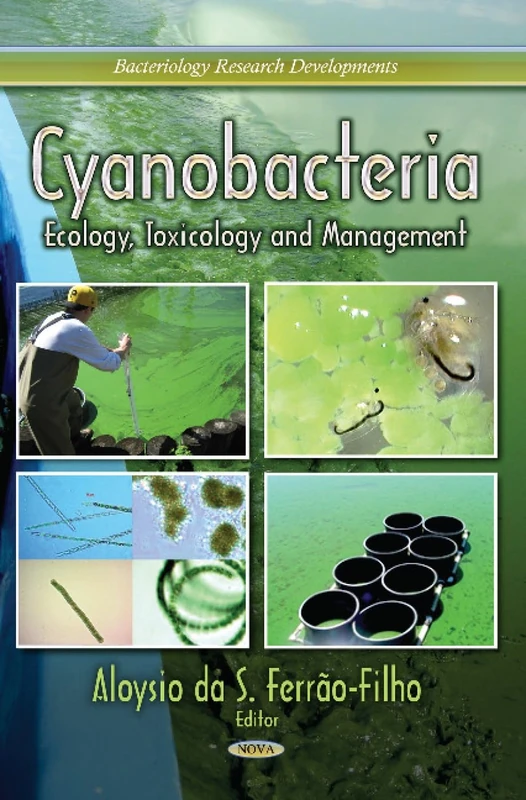
CYANOBACTERIA ECOLOGY TOXICOL.: Ecology, Toxicology & Management (Bacteriology Research Developments)
86% match

CYANOBACTERIA ECOLOGY TOXICOL.: Ecology, Toxicology & Management (Bacteriology Research Developments)

Nova Science Publishers Inc
£142.99 05 Jun 2026
Harmful Cyanobacteria: 3 (Aquatic Ecology Series, 3)
85% match

Harmful Cyanobacteria: 3 (Aquatic Ecology Series, 3)

Springer
£116.93 05 Jun 2026
Cyanobacteria in Symbiosis
81% match

Cyanobacteria in Symbiosis

Springer

£164.68 03 Jun 2026
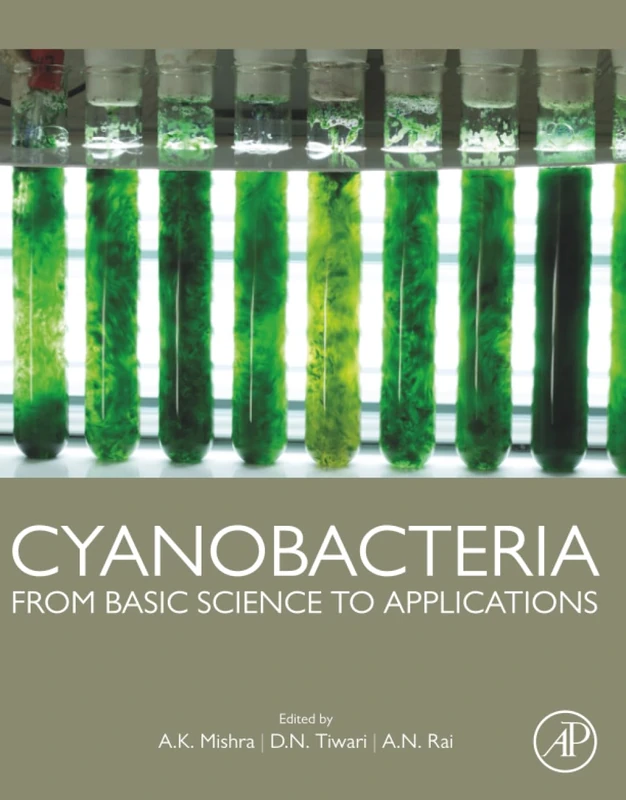
Cyanobacteria: From Basic Science to Applications
80% match

Cyanobacteria: From Basic Science to Applications

Academic Press
£103.75 17 May 2026
Advances in Monitoring and Modelling Algal Blooms in Freshwater Reservoirs: General Principles and a Case study of Macau
79% match

Advances in Monitoring and Modelling Algal Blooms in Freshwater Reservoirs: General Principles and a Case study of Macau

Springer
£89.99 06 Jun 2026
Cyanobacteria for Bioremediation of Wastewaters
79% match

Cyanobacteria for Bioremediation of Wastewaters

Springer

£87.67 05 Jun 2026
Bioenergetic Processes of Cyanobacteria: From Evolutionary Singularity to Ecological Diversity
78% match

Bioenergetic Processes of Cyanobacteria: From Evolutionary Singularity to Ecological Diversity

Springer
£140.10 25 May 2026
Monitoring of Harmful Algal Blooms (Springer Praxis Books)
77% match

Monitoring of Harmful Algal Blooms (Springer Praxis Books)

Springer
£108.92 06 Jun 2026
Spirulina Platensis Arthrospira: Physiology, Cell-Biology And Biotechnology
76% match

Spirulina Platensis Arthrospira: Physiology, Cell-Biology And Biotechnology

CRC Press
£204.69 06 Jun 2026
Algal Toxins: Nature, Occurrence, Effect and Detection (NATO Science for Peace and Security Series A: Chemistry and Biology)
74% match

Algal Toxins: Nature, Occurrence, Effect and Detection (NATO Science for Peace and Security Series A: Chemistry and Biology)

Springer
£147.56 28 May 2026
Modern Topics in the Phototrophic Prokaryotes: Environmental and Applied Aspects
74% match

Modern Topics in the Phototrophic Prokaryotes: Environmental and Applied Aspects

Springer
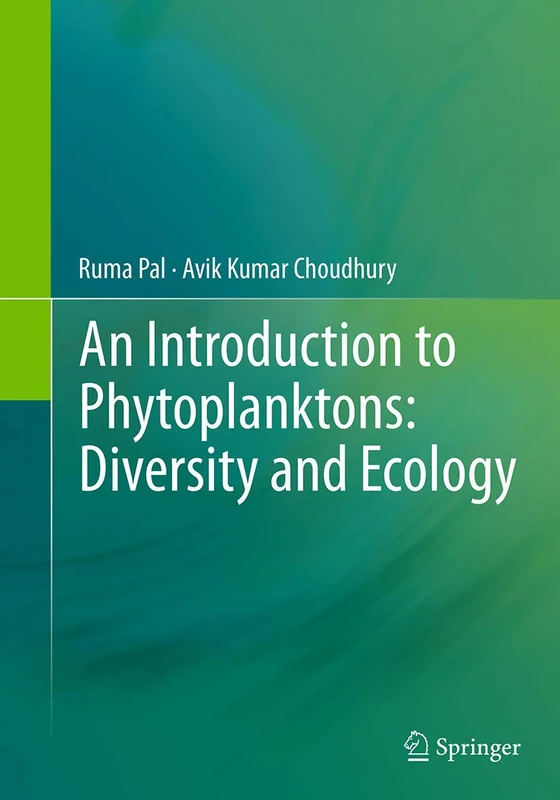
£108.92 27 May 2026
An Introduction to Phytoplanktons: Diversity and Ecology
74% match

An Introduction to Phytoplanktons: Diversity and Ecology

Springer
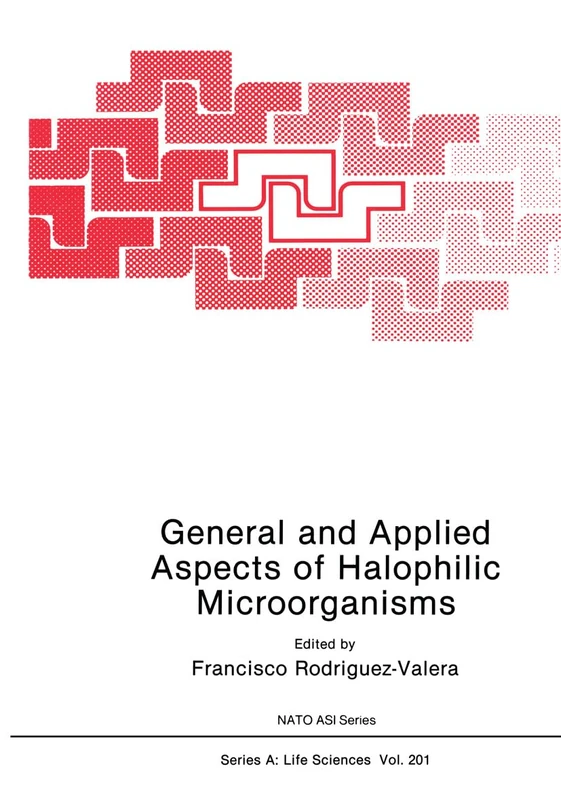
£107.73 21 May 2026
General and Applied Aspects of Halophilic Microorganisms: Workshop Proceedings: 201 (NATO Science Series A: Life Sciences)
74% match

General and Applied Aspects of Halophilic Microorganisms: Workshop Proceedings: 201 (NATO Science Series A: Life Sciences)

Springer
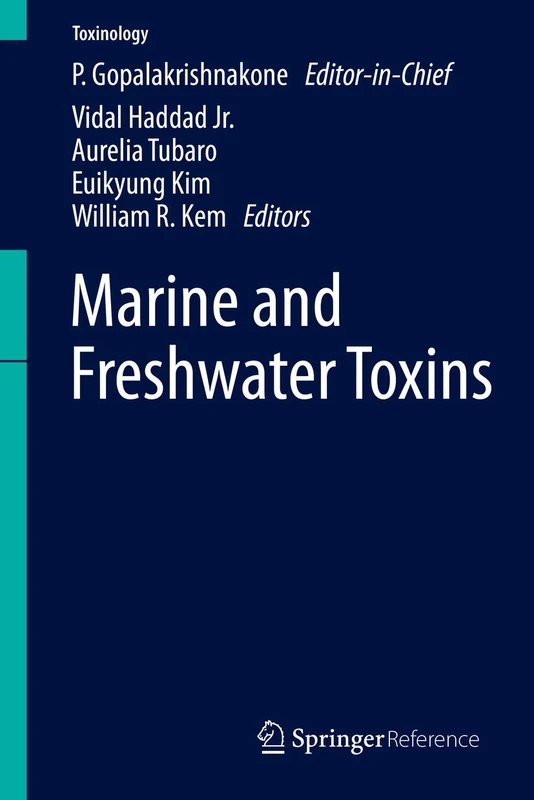
£37.57 17 May 2026
Marine and Freshwater Toxins (Toxinology)
73% match

Marine and Freshwater Toxins (Toxinology)

Springer
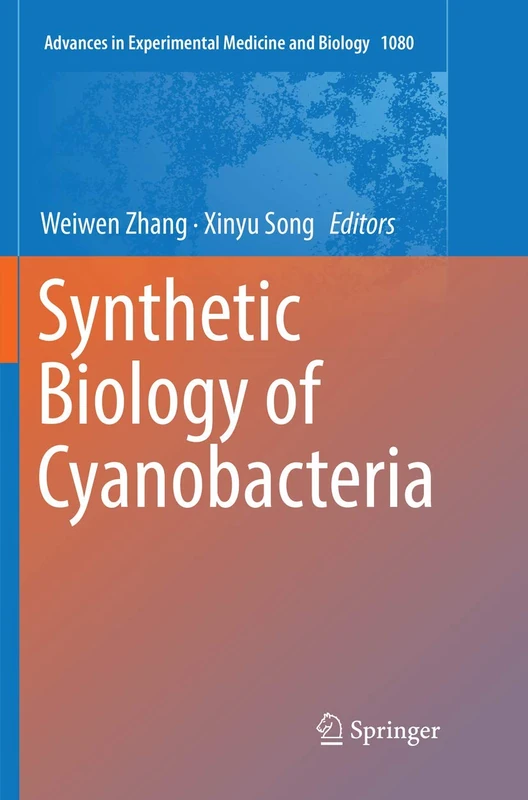
£138.80 17 May 2026
Synthetic Biology of Cyanobacteria: 1080 (Advances in Experimental Medicine and Biology, 1080)
73% match

Synthetic Biology of Cyanobacteria: 1080 (Advances in Experimental Medicine and Biology, 1080)

Springer

£108.92 01 Jun 2026
Bacterial Circadian Programs
73% match

Bacterial Circadian Programs

Springer
£107.98 01 Jun 2026
Drinking Water Microbiology: Progress and Recent Developments (Brock Springer Series in Contemporary Bioscience)
73% match

Drinking Water Microbiology: Progress and Recent Developments (Brock Springer Series in Contemporary Bioscience)

Springer
£120.12 18 May 2026
Mycotoxin Protocols: 157 (Methods in Molecular Biology, 157)
73% match

Mycotoxin Protocols: 157 (Methods in Molecular Biology, 157)

Humana
£74.35 27 May 2026
Prokaryotic Symbionts in Plants: 8 (Microbiology Monographs, 8)
73% match

Prokaryotic Symbionts in Plants: 8 (Microbiology Monographs, 8)

Springer
£107.98 02 Jun 2026
Associative and Endophytic Nitrogen-fixing Bacteria and Cyanobacterial Associations: 5 (Nitrogen Fixation: Origins, Applications, and Research Progress, 5)
73% match

Associative and Endophytic Nitrogen-fixing Bacteria and Cyanobacterial Associations: 5 (Nitrogen Fixation: Origins, Applications, and Research Progress, 5)

Springer
£113.09 23 May 2026
Dormancy and Resistance in Harsh Environments: 21 (Topics in Current Genetics, 21)
73% match

Dormancy and Resistance in Harsh Environments: 21 (Topics in Current Genetics, 21)

Springer
£146.43 28 May 2026
Halophilic Microorganisms
72% match

Halophilic Microorganisms

Springer

£107.98 05 Jun 2026
Haloforms and Related Compounds in Drinking Water: 5 / 5G (The Handbook of Environmental Chemistry, 5 / 5G)
72% match

Haloforms and Related Compounds in Drinking Water: 5 / 5G (The Handbook of Environmental Chemistry, 5 / 5G)

Springer
£93.57 01 Jun 2026
Mycotoxins and Food Safety: 504 (Advances in Experimental Medicine and Biology, 504)
72% match

Mycotoxins and Food Safety: 504 (Advances in Experimental Medicine and Biology, 504)

Springer

£107.98 27 May 2026