We can't find the internet
Attempting to reconnect
Something went wrong
Hang in there while we get back on track

£64.00
It has never been this cheap. We have no record of a lower price.
£64 today · cheaper than every other day in the last 3 months
Bloomsbury Italian Foreign Policy in the Interwar Period: 1918-1940 (Praeger Studies of Foreign Policies of the Great Powers)
We'll watch every seller, every day. One email when your price arrives.
Price History & Forecast
Grey patches = out of stock. Cheaper = lower on the chart. Hover for exact prices.
Last 61 days · 61 data points (no recent data)
NEW HERE?
Amazon shows you one price. We show you all of them.
Tosheroon watches Amazon prices so you don't have to. Every product on Amazon has a price history — we make it visible. Set the price you'd actually pay, and we'll email you the second it gets there. No app, no account, one email.
WHAT'S ON THIS PAGE
when this has been cheap or pricey
where the price is heading next
all-time high & low, recent range
name your number, we'll email you
Price Distribution
Price distribution over 61 days • 1 price levels
Price Analysis
Most common price: £64 (61 days, 100.0%)
Price range: £64 - £64
Price levels: 1 different prices over 61 days
Description
Product Specifications
- Brand
- Bloomsbury
- Format
- hardcover
- ASIN
- 0275948773
- Domain
- Amazon UK
- Release Date
- 16 April 1997
- Listed Since
- 17 December 2006
Barcode
No barcode data available
Similar Products You Might Like
Mussolini and his Generals: The Armed Forces and Fascist Foreign Policy, 1922-1940 (Cambridge Military Histories)
Cambridge University Press
On the Fiery March: Mussolini Prepares for War (International History)
Bloomsbury
Mussolini in the First World War: The Journalist, the Soldier, the Fascist
Berg Publishers
The Codex Fori Mussolini: A Latin Text of Italian Fascism (Bloomsbury Studies in Classical Reception)
Bloomsbury
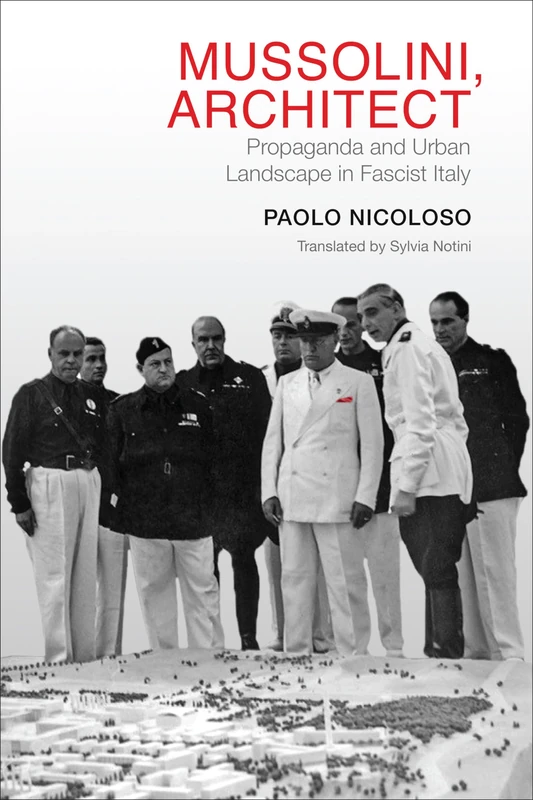
Mussolini, Architect: Propaganda and Urban Landscape in Fascist Italy (Toronto Italian Studies)
University of Toronto Press
Mussolini’s Army against Greece: October 1940–April 1941 (Routledge Studies in Second World War History)
Routledge

Russia and Italy Against Hitler: The Bolshevik-Fascist Rapprochement of the 1930s: 21 (Contributions to the Study of World History)
Bloomsbury

Mussolini and Fascism: The View from America: 1248 (Princeton Legacy Library)
Princeton University Press
A British Fascist in the Second World War (A Modern History of Politics and Violence): The Italian War Diary of James Strachey Barnes, 1943-45
Bloomsbury
Mussolini's Propaganda Abroad: Mediterranean & Middle East 1935-1940
Routledge

Mussolini and Fascism: The View from America: 1248 (Princeton Legacy Library)
Princeton University Press
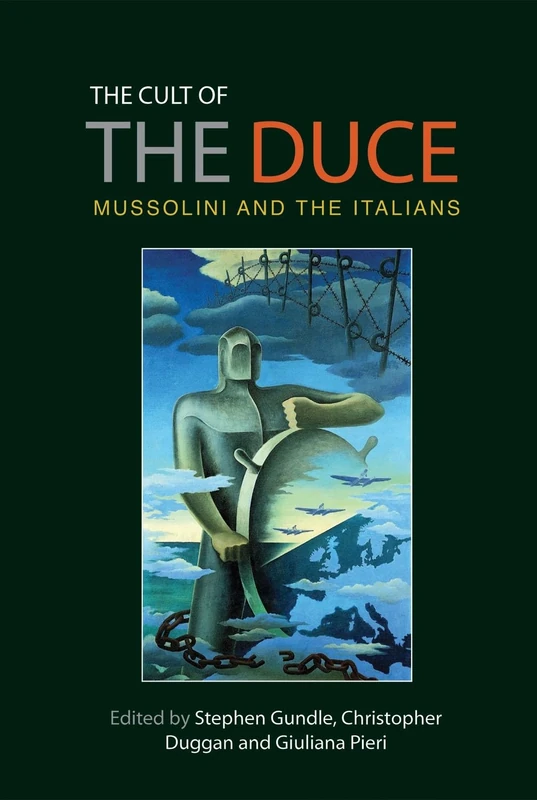
The Cult of the Duce: Mussolini and the Italians
Manchester University Press
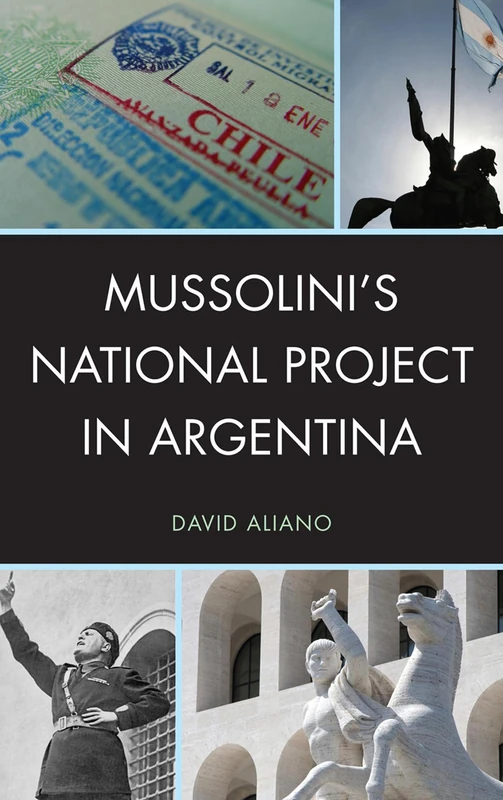
Mussolini's National Project in Argentina (The Fairleigh Dickinson University Press Series in Italian Studies)
Fairleigh Dickinson University Press
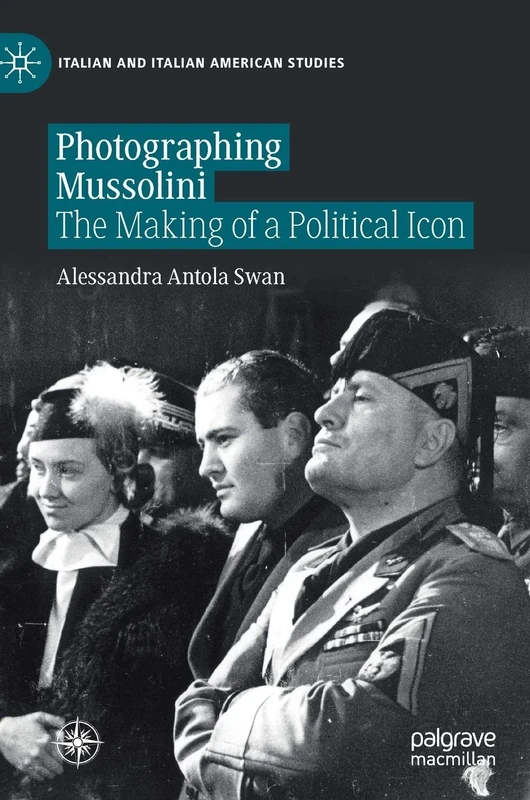
Macmillan Photographing Mussolini - Political Icon Study
MACMILLAN
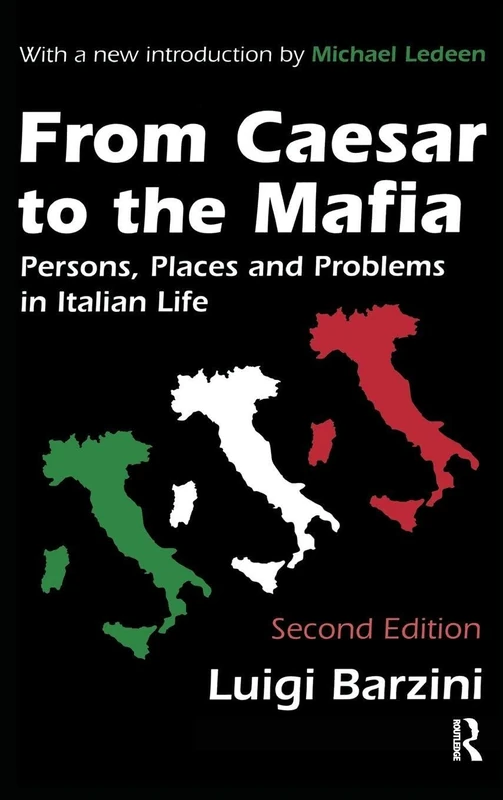
From Caesar to the Mafia: Persons, Places and Problems in Italian Life
Routledge
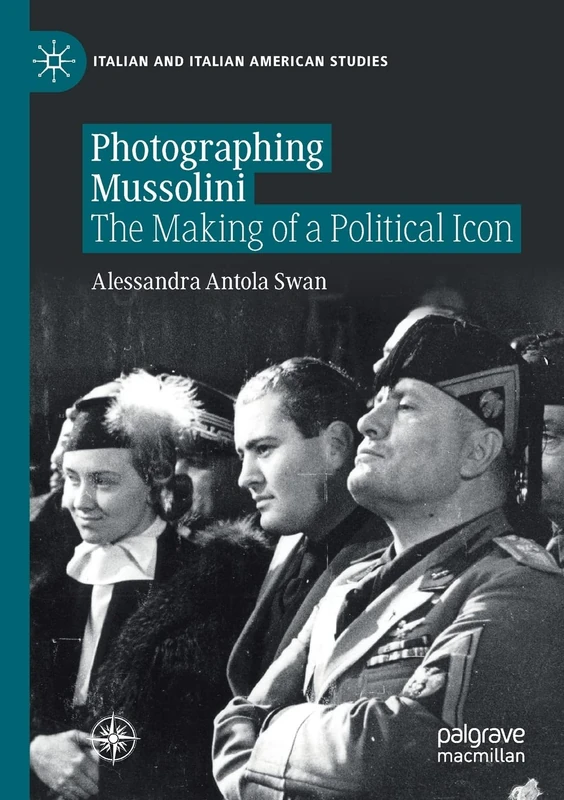
Photographing Mussolini: The Making of a Political Icon (Italian and Italian American Studies)
MACMILLAN

War Through Italian Eyes: Fighting for Mussolini, 1940-1943 (Routledge Studies in Second World War History)
Routledge
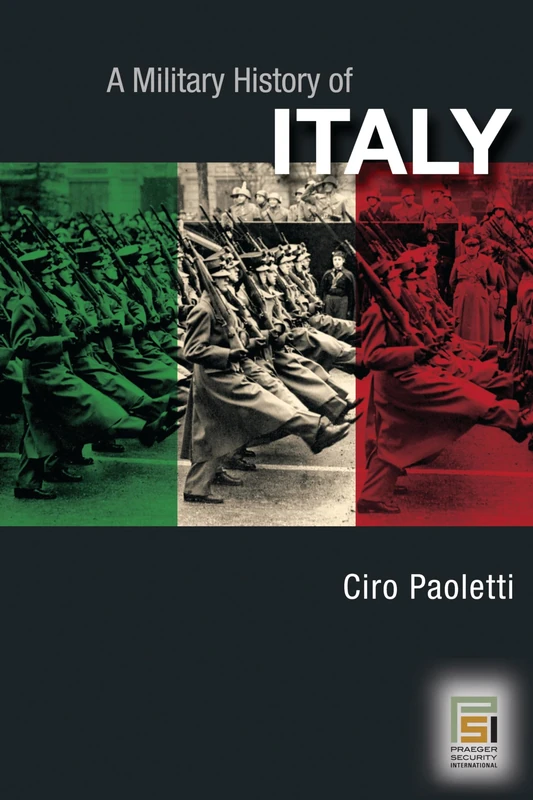
A Military History of Italy
Bloomsbury

Mussolini's Early Diplomacy: 1308 (Princeton Legacy Library)
Princeton University Press
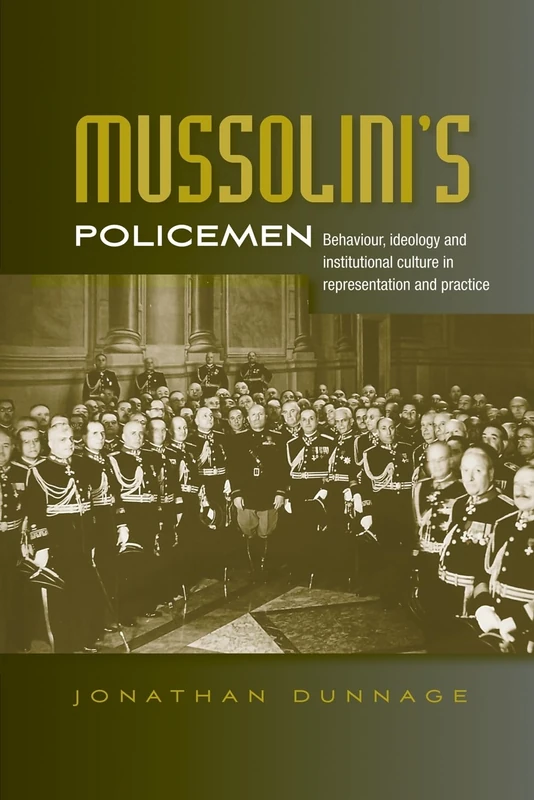
Mussolini’S Policemen: Behaviour, Ideology and Institutional Culture in Representation and Practice
Manchester University Press
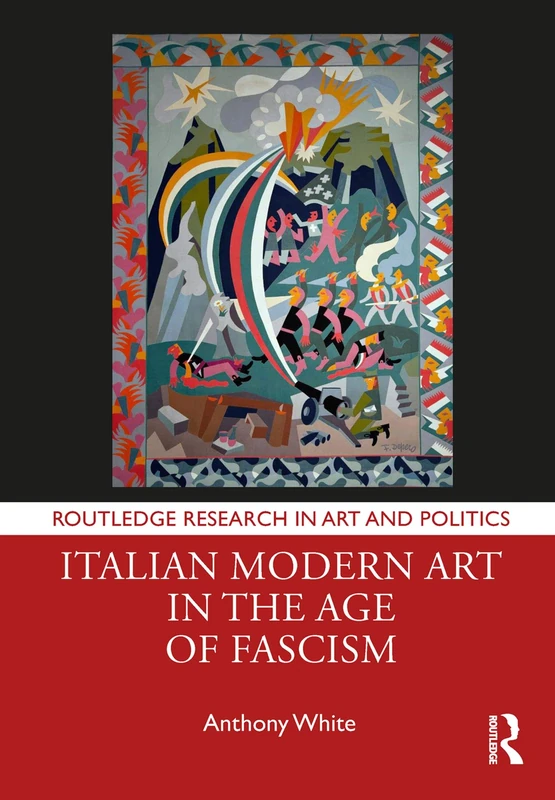
Italian Modern Art in the Age of Fascism - Routledge Research
Routledge
The Rise of Italian Fascism (RLE Responding to Fascism): 1918-1922 (Routledge Library Editions: Responding to Fascism)
Routledge
Italian Fascism, 1915-1945: 13 (The Making of the Twentieth Century)
Red Globe Press
Italian Modern Art in the Age of Fascism (Routledge Research in Art and Politics)
Routledge