We can't find the internet
Attempting to reconnect
Something went wrong!
Hang in there while we get back on track

£71.53
Columbia University Press Where Are the Women?: Why Expanding the Archive Makes Philosophy Better
Price data last checked 46 day(s) ago - refreshing...
We'll watch every seller, every day. One email when your price arrives.
This is the most expensive it has ever been. Walk away.
£72 today · previous high £72 · all-time low £71
NEW HERE?
Amazon shows you one price. We show you all of them.
Tosheroon watches Amazon prices so you don't have to. Every product on Amazon has a price history — we make it visible. Set the price you'd actually pay, and we'll email you the second it gets there. No app, no account, one email.
WHAT'S ON THIS PAGE
when this has been cheap or pricey
where the price is heading next
all-time high & low, recent range
name your number, we'll email you
Price History & Forecast
Grey patches = out of stock. Cheaper = lower on the chart. Hover for exact prices.
Last 45 days • 45 data points (No recent data available)
Price Distribution
Price distribution over 45 days • 2 price levels
Price Analysis
Most common price: £71 (43 days, 95.6%)
Price range: £71 - £72
Price levels: 2 different prices over 45 days
Description
Product Specifications
- Format
- hardcover
- ASIN
- 0231183968
- Domain
- Amazon UK
- Release Date
- 16 October 2018
- Listed Since
- 10 May 2018
Barcode
No barcode data available
Similar Products You Might Like

Across Black Spaces: Essays and Interviews from an American Philosopher
Rowman & Littlefield Publishers

Feminism and Freedom
Routledge
What is Social Theory?: The Philosophical Debates (Blackwell Companions to Social Theory)
Wiley-Blackwell

Queenly Philosophers: Renaissance Women Aristocrats as Platonic Guardians
Lexington Books
Mississippi Women: v. 2: Their Histories, Their Lives (Southern Women: Their Lives and Times): 7
University of Georgia Press

Springer - The Neglected Canon: Nine Women Philosophers
Springer
Investing in the Educational Success of Black Women and Girls
Stylus Publishing (VA)
Thinking the US South: Contemporary Philosophy from Southern Perspectives
Northwestern
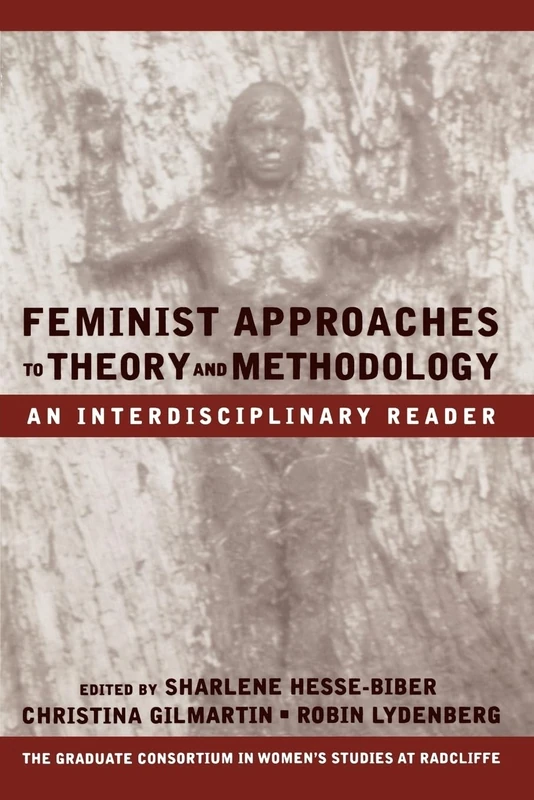
Feminist Approaches To Theory And Methodology: An Interdisciplinary Reader
Oxford University Press

The Oxford Handbook of American and British Women Philosophers in the Nineteenth Century
Oxford University Press

Black is Beautiful: A Philosophy of Black Aesthetics (Foundations of the Philosophy of the Arts)
Wiley-Blackwell
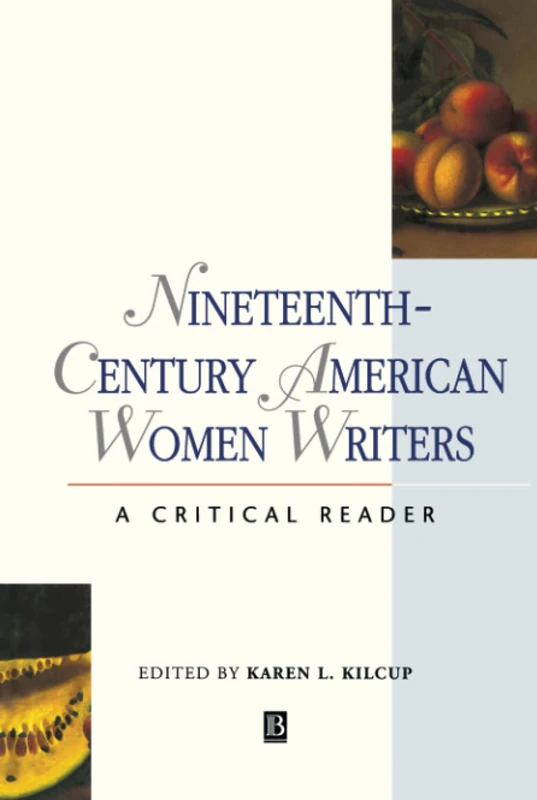
Nineteenth-Century American Women Writers: A Critical Reader (Blackwell Critical Reader)
Wiley-Blackwell
Routledge Fifty-One Key Feminist Thinkers - Key Guides Book
Routledge

Rethinking Practice, Research and Education: A Philosophical Inquiry (Bloomsbury Research Methods)
Bloomsbury

The Thinking University: A Philosophical Examination of Thought and Higher Education: 1 (Debating Higher Education: Philosophical Perspectives, 1)
Springer

Maria W. Stewart and the Roots of Black Political Thought (Margaret Walker Alexander Series in African American Studies)
University Press of Mississippi

A Philosophical Critique of Thought
Springer
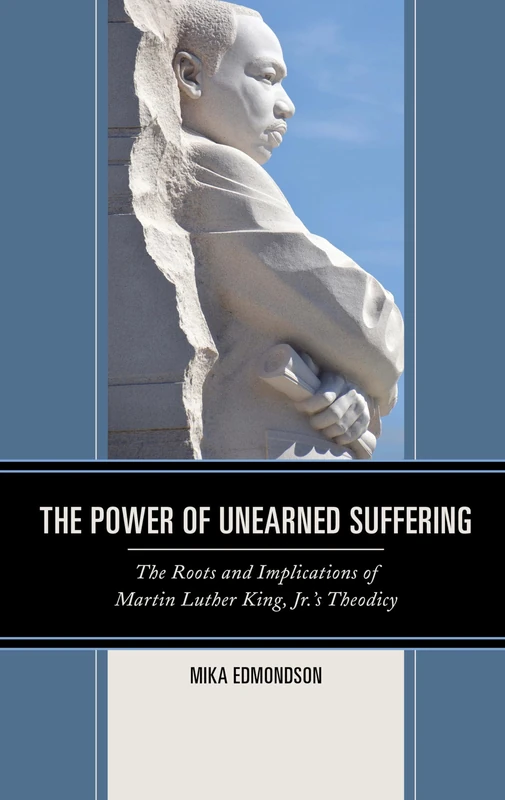
The Power of Unearned Suffering: The Roots and Implications of Martin Luther King, Jr.’s Theodicy (Religion and Race)
Lexington Books
Women in Culture: A Women's Studies Anthology
Wiley-Blackwell
A Broken Silence: Voices of African American Women in the Academy
Praeger

Kafka's Monkey and Other Phantoms of Africa (World Philosophies)
Indiana University Press

Recovering Reason: Essays in Honor of Thomas L. Pangle
Lexington Books

Political Worlds of Women: Activism, Advocacy, and Governance in the Twenty-First Century
Routledge
The Persistence of Gender Inequality
Wiley