We can't find the internet
Attempting to reconnect
Something went wrong
Hang in there while we get back on track

£76.40
University of Chicago Press Reading Practice: The Pursuit of Natural Knowledge from Manuscript to Print
Price data last checked 51 day(s) ago - refreshing...
We'll watch every seller, every day. One email when your price arrives.
This is the most expensive it has ever been. Walk away.
£76 today · previous high £76 · all-time low £75
NEW HERE?
Amazon shows you one price. We show you all of them.
Tosheroon watches Amazon prices so you don't have to. Every product on Amazon has a price history — we make it visible. Set the price you'd actually pay, and we'll email you the second it gets there. No app, no account, one email.
WHAT'S ON THIS PAGE
when this has been cheap or pricey
where the price is heading next
all-time high & low, recent range
name your number, we'll email you
Price History & Forecast
Grey patches = out of stock. Cheaper = lower on the chart. Hover for exact prices.
Last 40 days · 40 data points (no recent data)
Price Distribution
Price distribution over 40 days • 2 price levels
Price Analysis
Most common price: £75 (38 days, 95.0%)
Price range: £75 - £76
Price levels: 2 different prices over 40 days
Description
Product Specifications
- Format
- hardcover
- ASIN
- 0226823628
- Domain
- Amazon UK
- Release Date
- 19 August 2024
- Listed Since
- 27 February 2024
Barcode
No barcode data available
Similar Products You Might Like
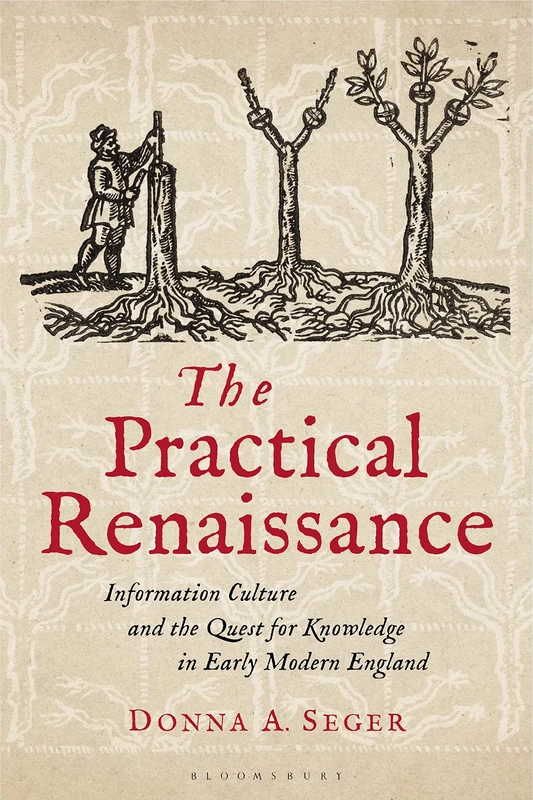
Practical Renaissance, The: Information Culture and the Quest for Knowledge in Early Modern England, 1500-1640
Bloomsbury
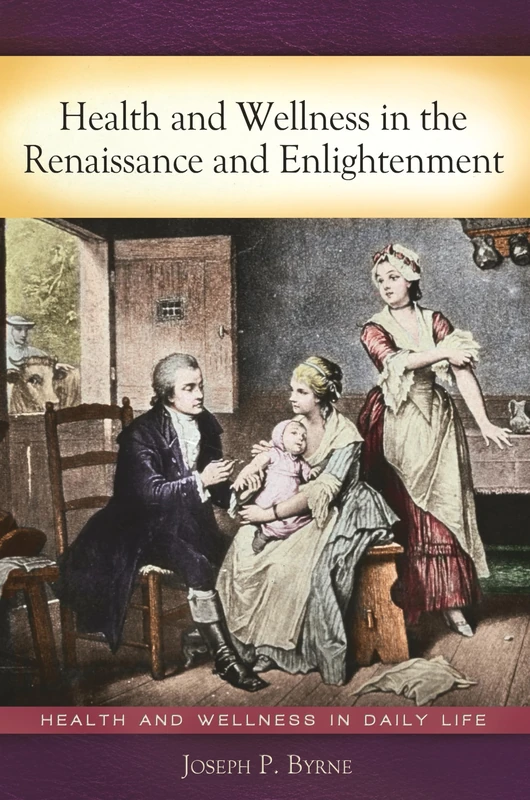
Health and Wellness in the Renaissance and Enlightenment (Health and Wellness in Daily Life)
Bloomsbury
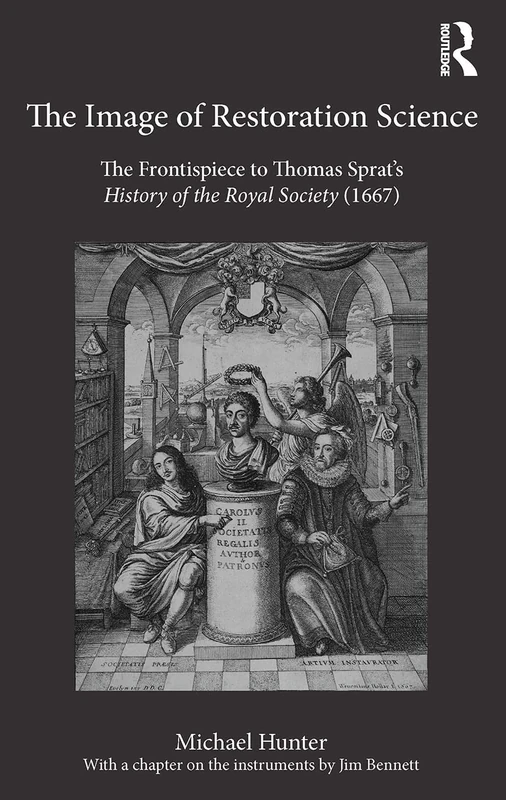
The Image of Restoration Science: The Frontispiece to Thomas Sprat’s History of the Royal Society (1667)
Routledge

Routledge Visualizing Medieval Medicine and Natural History
Routledge

Visualizing Medieval Medicine and Natural History, 1200–1550: 5 (AVISTA Studies in the History of Medieval Technology, Science and Art)
Routledge
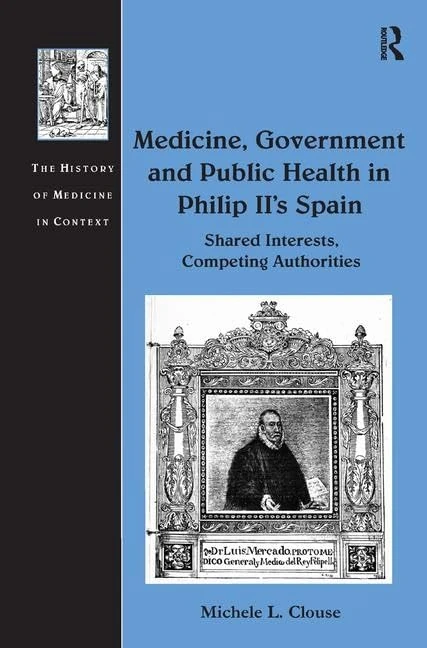
Routledge Medicine and Public Health in Philip II's Spain
Routledge
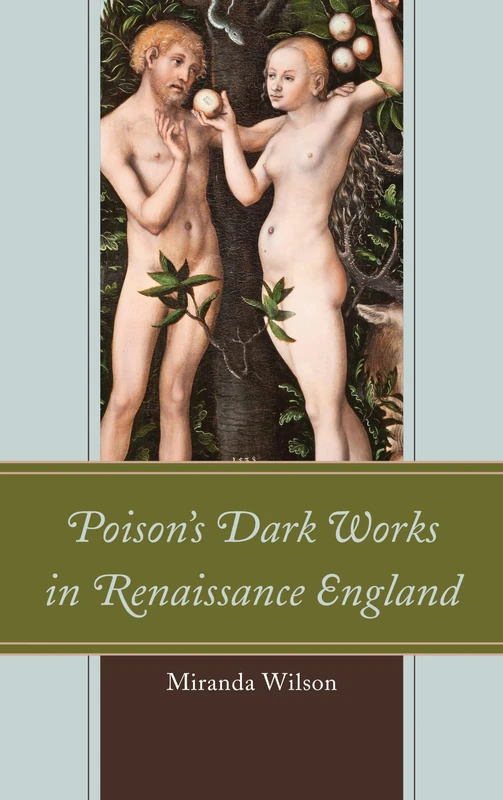
Poison's Dark Works in Renaissance England
Bloomsbury Academic
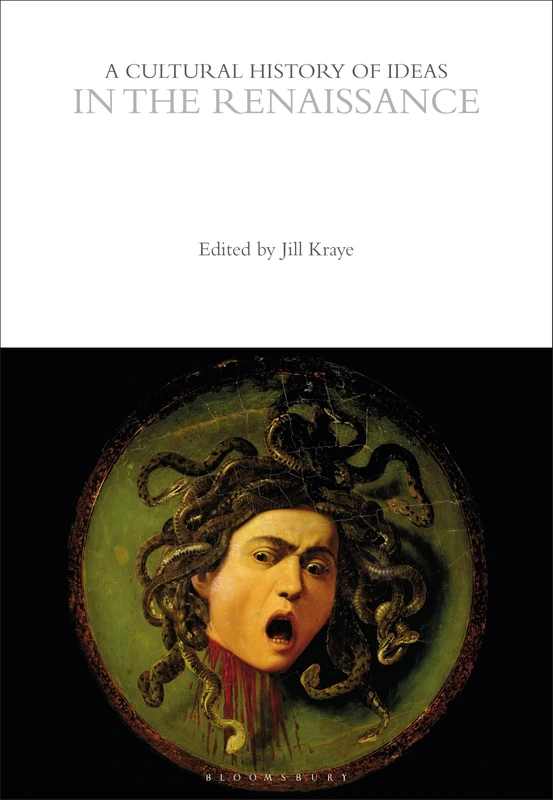
A Cultural History of Ideas in the Renaissance (The Cultural Histories Series)
Bloomsbury

Routledge - Letters of Sir Robert Moray to Earl of Kincardine
Routledge
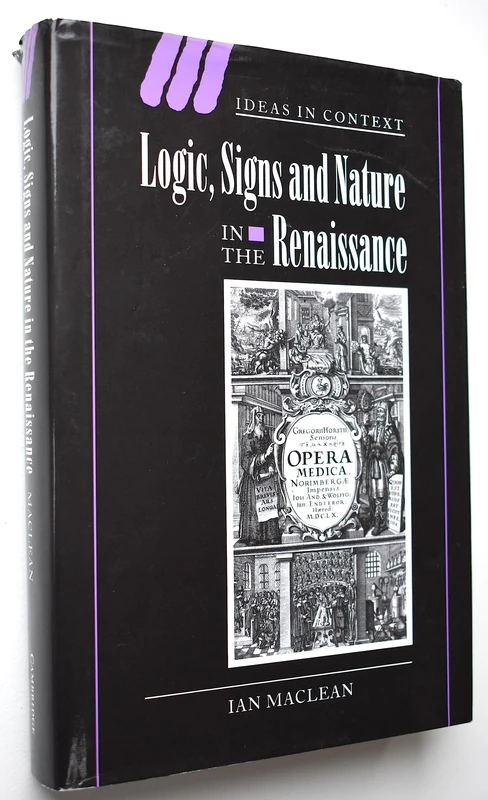
Logic, Signs and Nature in the Renaissance: The Case of Learned Medicine: 62 (Ideas in Context, Series Number 62)
Cambridge University Press
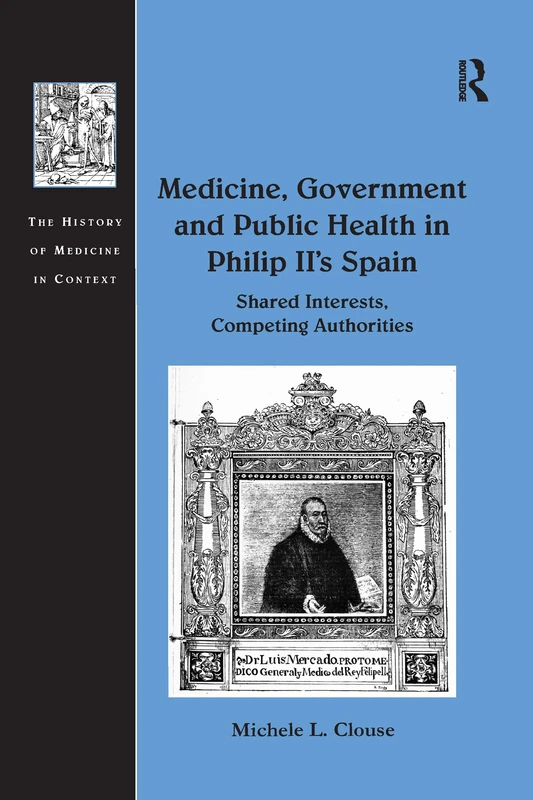
Medicine, Government and Public Health in Philip II's Spain: Shared Interests, Competing Authorities
Routledge
Renaissance Medicine: A Short History of European Medicine in the Sixteenth Century
Routledge
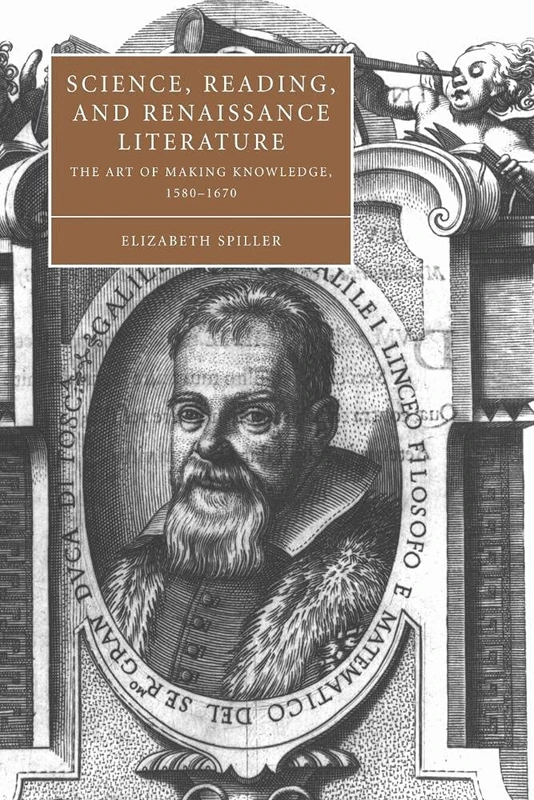
Science Reading Renaissance Lit: The Art of Making Knowledge, 1580-1670: 46 (Cambridge Studies in Renaissance Literature and Culture, Series Number 46)
Cambridge University Press

Letters of Sir Robert Moray to the Earl of Kincardine, 1657–73
Routledge

Ways of Knowing in Early Modern Germany: Johannes Praetorius as a Witness to his Time (Literary and Scientific Cultures of Early Modernity)
Routledge
Routledge Medicine, Health and the Arts - Medical Humanities
Routledge
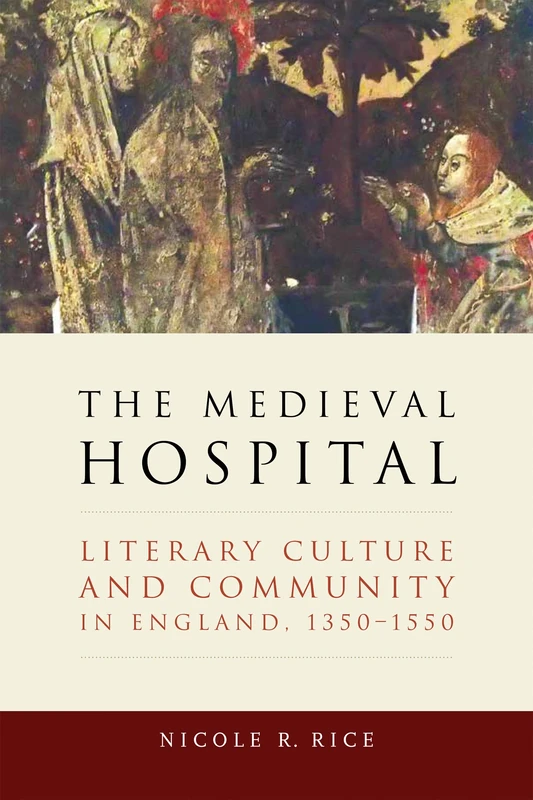
The Medieval Hospital: Literary Culture and Community in England, 1350-1550 (ReFormations: Medieval and Early Modern)
University of Notre Dame Press
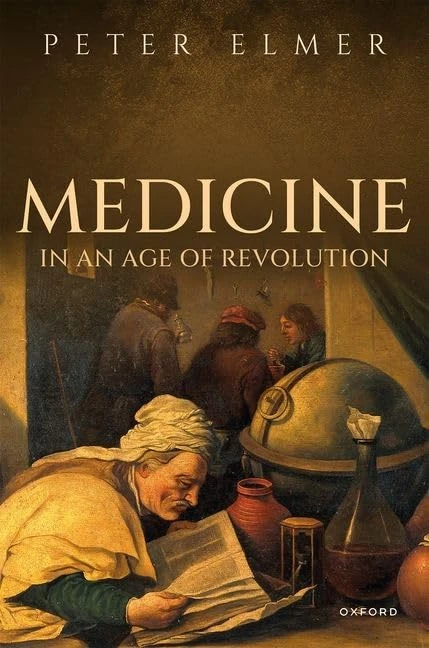
Medicine in an Age of Revolution
Oxford University Press

Summus Mathematicus et Omnis Humanitatis Pater: The Vitae of Vittorino da Feltre and the Spirit of Humanism: 33 (Archimedes, 33)
Springer
Medicine, Health and the Arts: Approaches to the Medical Humanities (Routledge Advances in the Medical Humanities)
Routledge
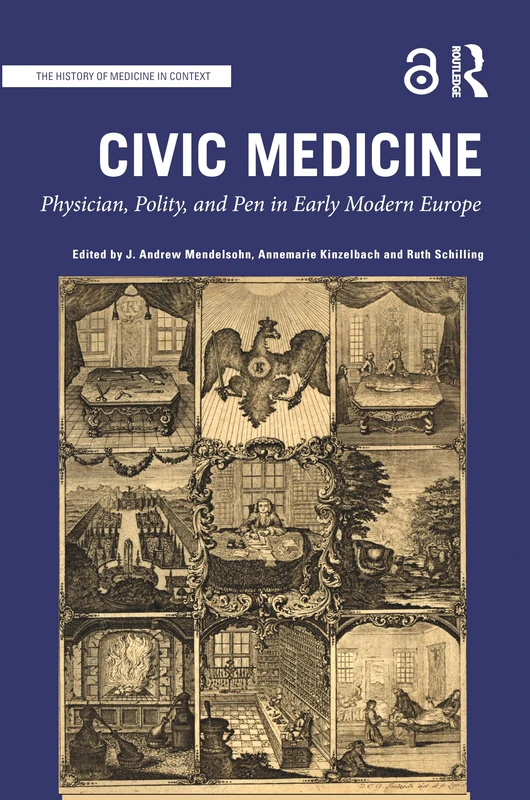
Civic Medicine: Physician, Polity, and Pen in Early Modern Europe (The History of Medicine in Context)
Routledge
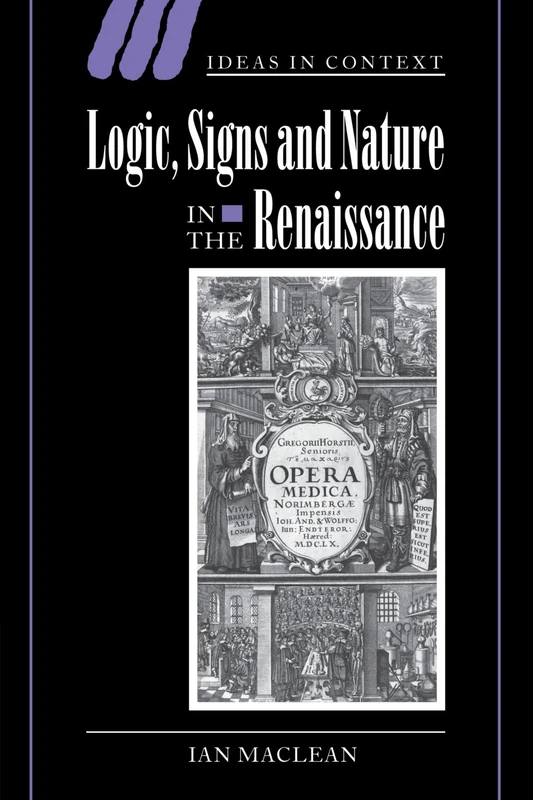
Logic, Signs and Nature in the Renaissance: The Case of Learned Medicine: 62 (Ideas in Context, Series Number 62)
Cambridge University Press

The Enlightenment of Thomas Beddoes: Science, medicine, and reform (Science, Technology and Culture, 1700-1945)
Routledge
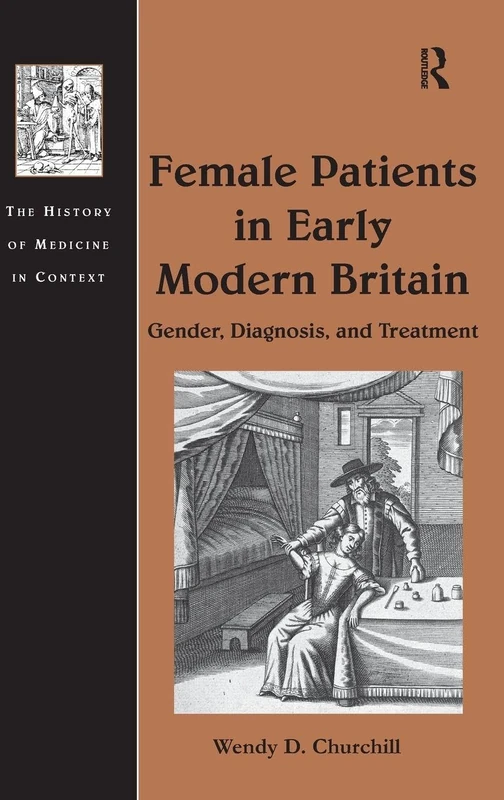
Routledge Female Patients in Early Modern Britain History Book
Routledge