We can't find the internet
Attempting to reconnect
Something went wrong
Hang in there while we get back on track
£45.49
This is the most expensive it has ever been. Walk away.
£45 today · previous high £45 · all-time low £35
Oxford University Press Why Political Liberalism?: On John Rawls's Political Turn (Oxford Political Philosophy)
Price data last checked 30 day(s) ago - will refresh soon
We'll watch every seller, every day. One email when your price arrives.
Price History & Forecast
Grey patches = out of stock. Cheaper = lower on the chart. Hover for exact prices.
Last 61 days · 61 data points (no recent data)
Price data last checked 30 day(s) ago - will refresh soon
NEW HERE?
Amazon shows you one price. We show you all of them.
Tosheroon watches Amazon prices so you don't have to. Every product on Amazon has a price history — we make it visible. Set the price you'd actually pay, and we'll email you the second it gets there. No app, no account, one email.
WHAT'S ON THIS PAGE
when this has been cheap or pricey
where the price is heading next
all-time high & low, recent range
name your number, we'll email you
Price Distribution
Price distribution over 61 days • 2 price levels
Price Analysis
Most common price: £35 (59 days, 96.7%)
Price range: £35 - £45
Price levels: 2 different prices over 61 days
Description
Product Specifications
- Brand
- Oxford University Press
- Format
- paperback
- ASIN
- 0199970947
- Domain
- Amazon UK
- Release Date
- 01 January 2013
- Listed Since
- 09 August 2012
Barcode
No barcode data available
Similar Products You Might Like
Beyond Justice as Fairness: Rethinking Rawls from a Cross-Cultural Perspective
Bloomsbury

John Rawls (Philosophy Now)
Routledge

Rawls's 'A Theory of Justice': An Introduction (Cambridge Introductions to Key Philosophical Texts)
Cambridge University Press
Global Justice in a Democratic World: Contemporary Liberal Theories
Rowman & Littlefield Publishers
The Concept of Justice and Equality: On the Dispute between John Rawls and Gerald Cohen: 20 (Practical Philosophy, 20)
De Gruyter
The Habermas-Rawls Debate
Columbia University Press

Debates in Contemporary Political Philosophy: An Anthology
Routledge
Public Reason in Political Philosophy: Classic Sources and Contemporary Commentaries
Routledge
John Rawls and American Pragmatism: Between Engagement and Avoidance
Bloomsbury
Rawls and Habermas: Reason, Pluralism, and the Claims of Political Philosophy
Stanford University Press
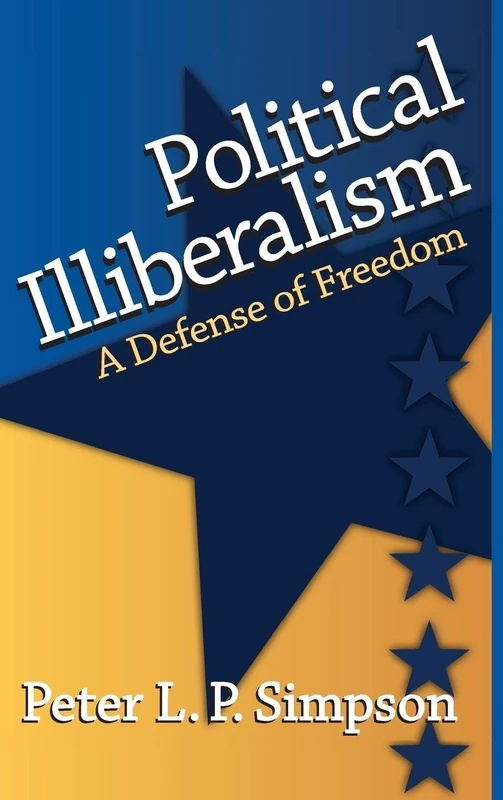
Political Illiberalism: A Defense of Freedom
Routledge
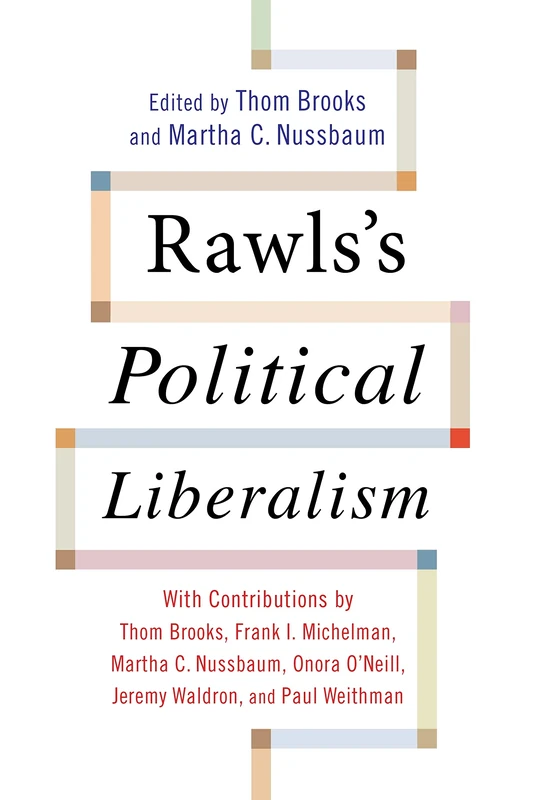
Rawls's Political Liberalism (Columbia Themes in Philosophy)
Columbia University Press
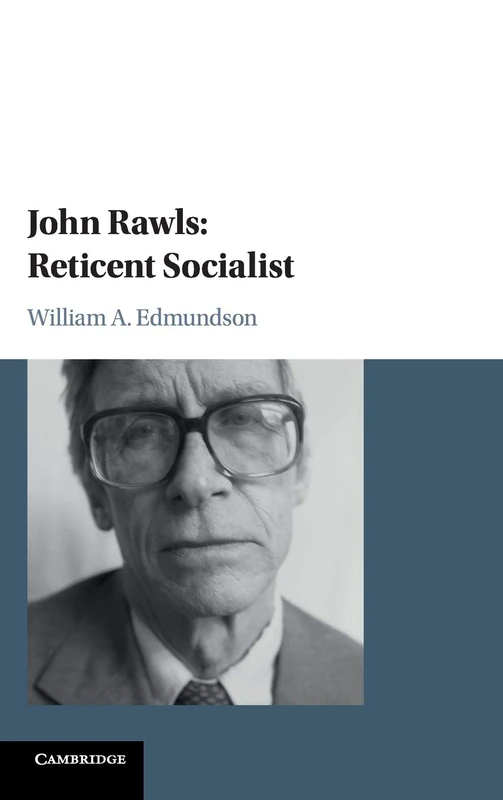
John Rawls: Reticent Socialist
Cambridge University Press
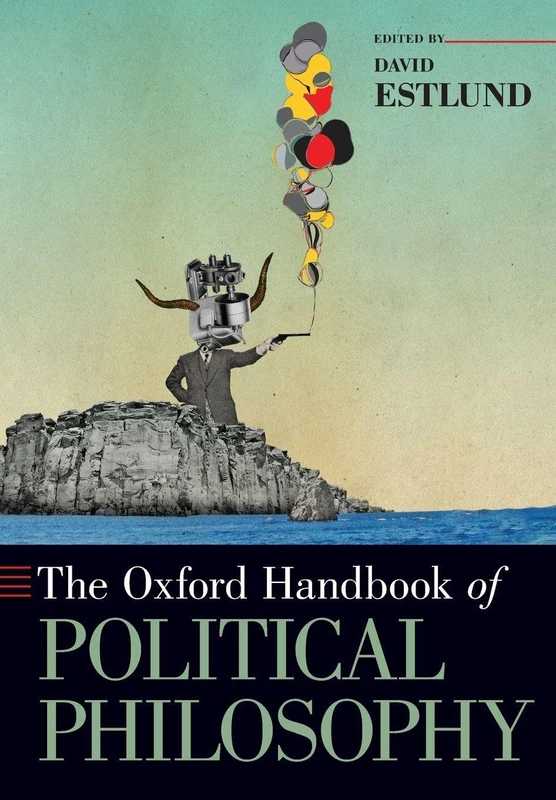
The Oxford Handbook of Political Philosophy (Oxford Handbooks)
Oxford University Press
Justice to Future Generations and the Environment: 40 (Law and Philosophy Library, 40)
Springer
Reflections on Rawls: An Assessment of his Legacy
Routledge
John Rawls and Christian Social Engagement: Justice as Unfairness
Lexington Books
Justice, Political Liberalism, and Utilitarianism: Themes from Harsanyi and Rawls
Cambridge University Press
Theories of Distributive Justice: Who Gets What and Why
Routledge
Habermas and Rawls: Disputing the Political: 23 (Routledge Studies in Contemporary Philosophy)
Routledge
Political Philosophy: An Historical Introduction
Oxford University Press
Justice, Political Liberalism, and Utilitarianism: Themes from Harsanyi and Rawls
Cambridge University Press

Theories of Distributive Justice - Economic Policy Guide
Routledge
Introduction to Contemporary Political Theory
Sage Publishing