We can't find the internet
Attempting to reconnect
Something went wrong!
Hang in there while we get back on track
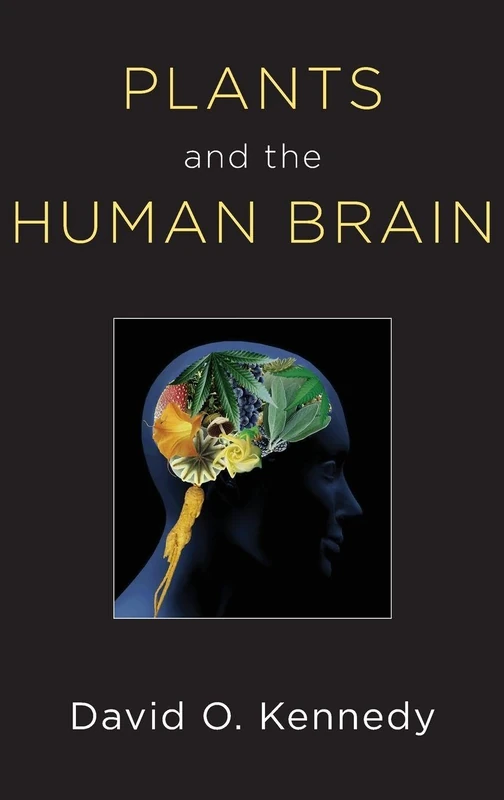
£86.05
Oxford University Press Plants and the Human Brain
Price data last checked 44 day(s) ago - refreshing...
We'll watch every seller, every day. One email when your price arrives.
About as cheap as it gets. The only time it was cheaper was 2 months ago.
£86 today · all-time low £83 (Mar 2026) · usually the usual
NEW HERE?
Amazon shows you one price. We show you all of them.
Tosheroon watches Amazon prices so you don't have to. Every product on Amazon has a price history — we make it visible. Set the price you'd actually pay, and we'll email you the second it gets there. No app, no account, one email.
WHAT'S ON THIS PAGE
when this has been cheap or pricey
where the price is heading next
all-time high & low, recent range
name your number, we'll email you
Price History & Forecast
Grey patches = out of stock. Cheaper = lower on the chart. Hover for exact prices.
Last 47 days • 47 data points (No recent data available)
Price Distribution
Price distribution over 47 days • 4 price levels
Price Analysis
Most common price: £86 (30 days, 63.8%)
Price range: £83 - £86
Price levels: 4 different prices over 47 days
Description
Key Features
Brand: OUP USA
Plants and the Human Brain
Product Type: ABIS_BOOK
Product Specifications
- Brand
- Oxford University Press
- Format
- hardcover
- ASIN
- 019991401X
- Domain
- Amazon UK
- Release Date
- 27 February 2014
- Listed Since
- 03 August 2013
Barcode
No barcode data available
Similar Products You Might Like
Medicinal and Aromatic Plants I: 4 (Biotechnology in Agriculture and Forestry, 4)
Springer
Plant Natural Products for Human Health
MDPI AG
Royal Society of Chemistry - Plant Specialized Metabolites Book
Royal Society of Chemistry
Understanding Medicinal Plants: Their Chemistry and Therapeutic Action
Routledge

The Ecology of Plant Secondary Metabolites: From Genes to Global Processes (Ecological Reviews)
Cambridge University Press
Plant Specialized Metabolites: Phytochemistry, Ecology and Biotechnology (Reference Series in Phytochemistry)
Springer
Understanding Medicinal Plants: Their Chemistry and Therapeutic Action
Routledge
Bioactive Molecules and Medicinal Plants
Springer

The Ecology of Plant Secondary Metabolites: From Genes to Global Processes (Ecological Reviews)
Cambridge University Press
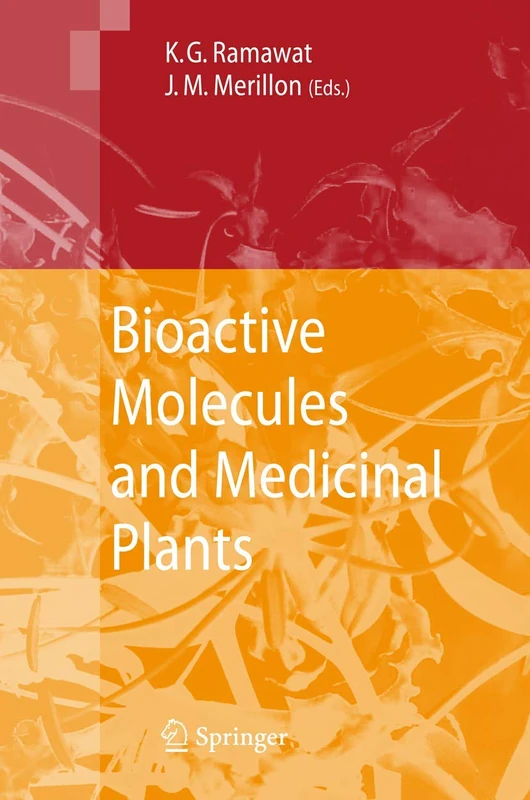
Bioactive Molecules and Medicinal Plants
Springer
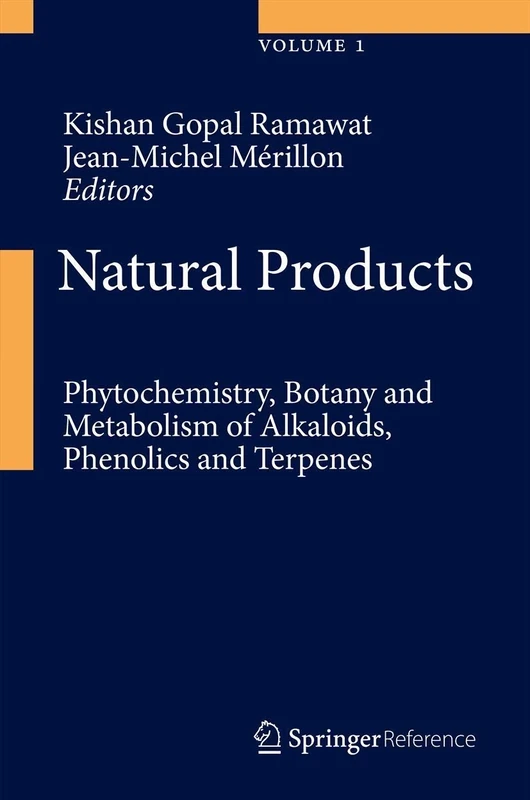
Natural Products: Phytochemistry, Botany and Metabolism of Alkaloids, Phenolics and Terpenes
Springer
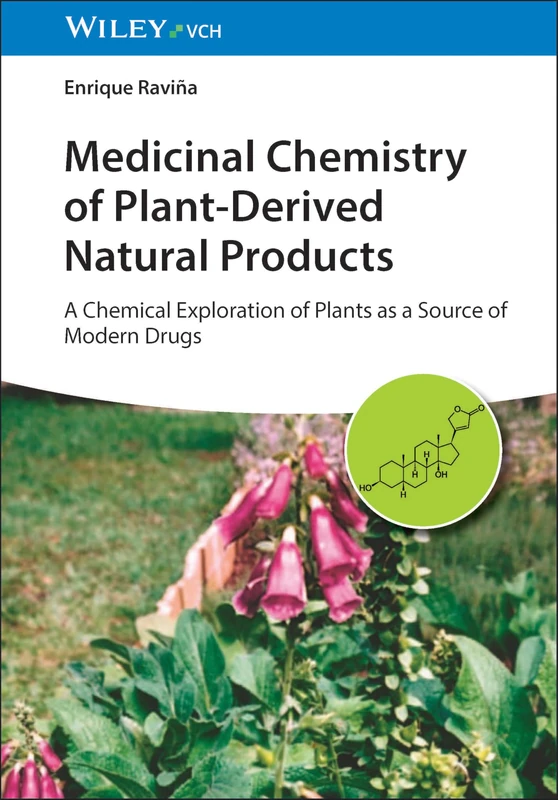
Wiley Medicinal Chemistry of Plant-Derived Natural Products
Wiley
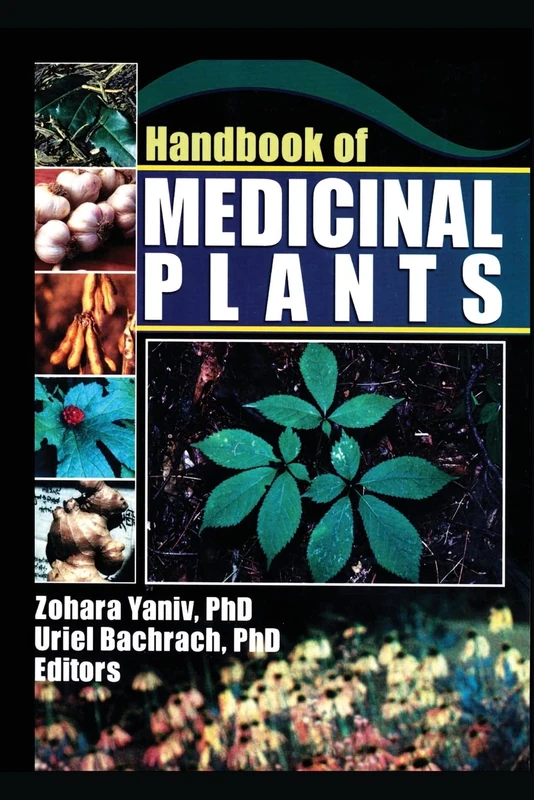
Handbook of Medicinal Plants
CRC Press
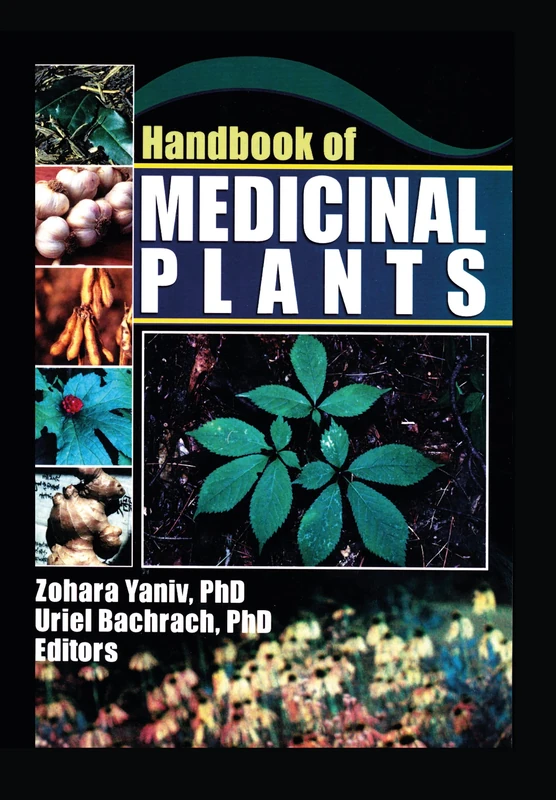
Handbook of Medicinal Plants
CRC Press
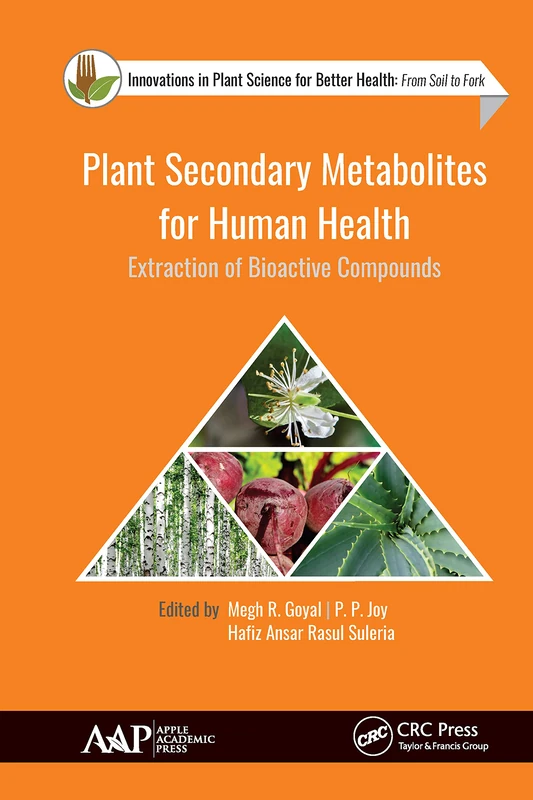
Plant Secondary Metabolites for Human Health: Extraction of Bioactive Compounds (Innovations in Plant Science for Better Health)
CRC Press
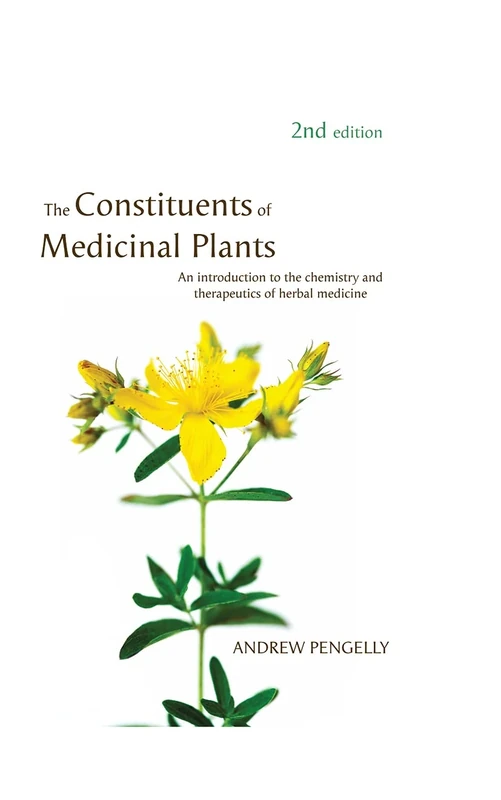
The Constituents of Medicinal Plants: An introduction to the chemistry and therapeutics of herbal medicine
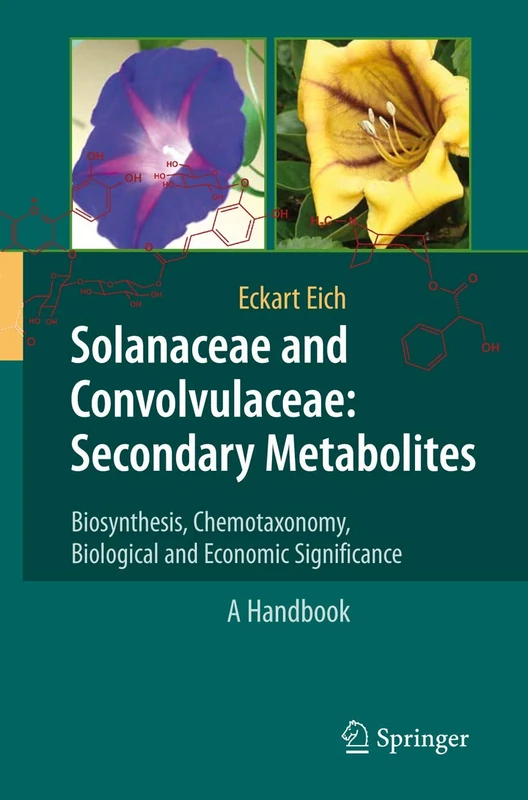
Solanaceae and Convolvulaceae: Secondary Metabolites: Biosynthesis, Chemotaxonomy, Biological and Economic Significance (A Handbook)
Springer
Phytopharmaceutical: Chemistry and Utilization
Plant Secondary Metabolites, Volume Two: Stimulation, Extraction, and Utilization
CRC Press
CRC Press American Herbal Pharmacopoeia Botanical Atlas
CRC Press
Phytochemical Methods A Guide to Modern Techniques of Plant Analysis
Springer
Solanaceae and Convolvulaceae: Secondary Metabolites: Biosynthesis, Chemotaxonomy, Biological and Economic Significance (A Handbook)
Springer
Botanical Leads for Drug Discovery
Springer
Natural Products from Plants
CRC Press