We can't find the internet
Attempting to reconnect
Something went wrong
Hang in there while we get back on track
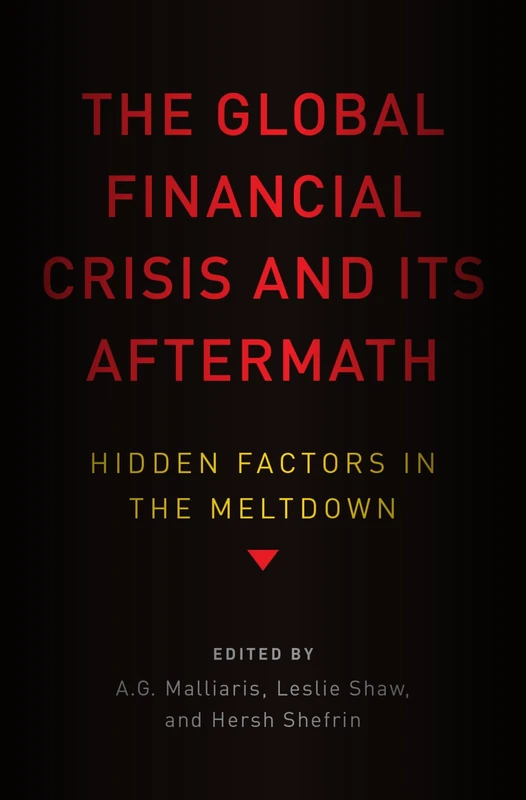
£81.52
It has never been this cheap. We have no record of a lower price.
£82 today · cheaper than every other day in the last 3 months
Oxford University Press The Global Financial Crisis and Its Aftermath: Hidden Factors in the Meltdown
Price data last checked 45 day(s) ago - refreshing...
We'll watch every seller, every day. One email when your price arrives.
Price History & Forecast
Grey patches = out of stock. Cheaper = lower on the chart. Hover for exact prices.
Last 46 days · 46 data points (no recent data)
Price data last checked 45 day(s) ago - refreshing...
NEW HERE?
Amazon shows you one price. We show you all of them.
Tosheroon watches Amazon prices so you don't have to. Every product on Amazon has a price history — we make it visible. Set the price you'd actually pay, and we'll email you the second it gets there. No app, no account, one email.
WHAT'S ON THIS PAGE
when this has been cheap or pricey
where the price is heading next
all-time high & low, recent range
name your number, we'll email you
Price Distribution
Price distribution over 46 days • 3 price levels
Price Analysis
Most common price: £82 (19 days, 41.3%)
Price range: £82 - £92
Price levels: 3 different prices over 46 days
Description
Product Specifications
- Brand
- Oxford University Press
- Format
- hardcover
- ASIN
- 0199386226
- Category
- Books > Subjects > Business, Finance & Law > Biographies & Histories > Business & Economic History
- Domain
- Amazon UK
- Release Date
- 01 August 2016
- Listed Since
- 10 March 2016
Barcode
No barcode data available
Similar Products You Might Like
After the Crisis: Rethinking Finance (Global Recession - Causes, Impacts and Remedies)
Evolutionary Financial Macroeconomics - Routledge Critical Studies
Routledge
The Philosophy, Politics and Economics of Finance in the 21st Century: From Hubris to Disgrace (Economics as Social Theory)
Routledge
The Handbook of the Political Economy of Financial Crises
Oxford University Press
Dynamics of Financial Stress and Economic Performance: Insights and Analysis from the World Economy
Emerald Publishing Limited
The First Great Recession of the 21st Century: Competing Explanations
Edward Elgar Publishing

Heterodox Analysis of Financial Crisis and Reform: History, Politics and Economics
Edward Elgar Publishing
Elgar Encyclopedia of Post-Keynesian Economics
Edward Elgar Publishing
Capitalism, Macroeconomics and Reality: Understanding Globalization, Financialization, Competition and Crisis
Edward Elgar Publishing
Capitalism, Macroeconomics and Reality: Understanding Globalization, Financialization, Competition and Crisis
Edward Elgar Publishing
Oxford University Press - Global Financial Crisis Rhetoric Book
Oxford University Press
Coping with Financial Crises: Some Lessons from Economic History (Studies in Economic History)
Springer

Financial Instability and Economic Security after the Great Recession
Edward Elgar Publishing
Financial Development, Economic Crises and Emerging Market Economies (Routledge Critical Studies in Finance and Stability)
Routledge
Measuring Wealth and Financial Intermediation and Their Links to the Real Economy: Volume 73 (National Bureau of Economic Research Studies in Income and Wealth)
University of Chicago Press

Unwitting Architect: German Primacy and the Origins of Neoliberalism (Emerging Frontiers in the Global Economy)
Stanford University Press
The Great Financial Meltdown: Systemic, Conjunctural or Policy Created? (New Directions in Modern Economics series)
Edward Elgar Publishing
Financial crises and the nature of capitalist money: Mutual developments from the work of Geoffrey Ingham
MACMILLAN

The Financial Crisis in Constitutional Perspective: The Dark Side of Functional Differentiation: 9 (International Studies in the Theory of Private Law)
Bloomsbury
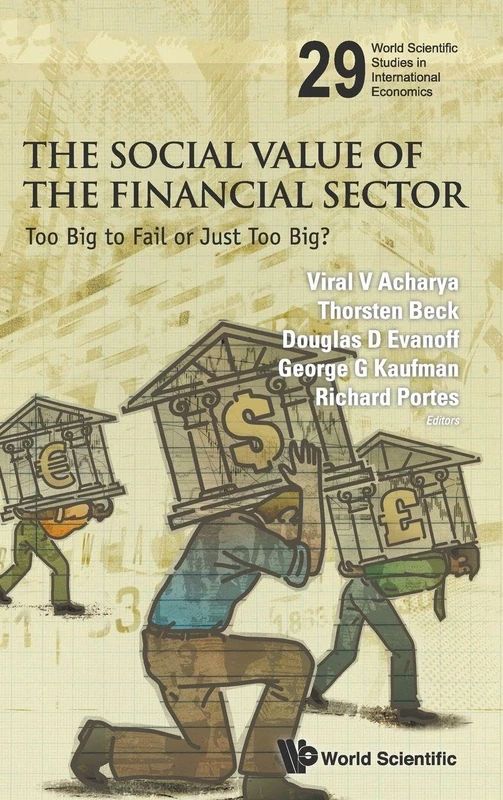
SOCIAL VALUE OF THE FINANCIAL SECTOR, THE: TOO BIG TO FAIL OR JUST TOO BIG?: 29 (WORLD SCIENTIFIC STUDIES IN INTERNATIONAL ECONOMICS)
World Scientific Publishing Company
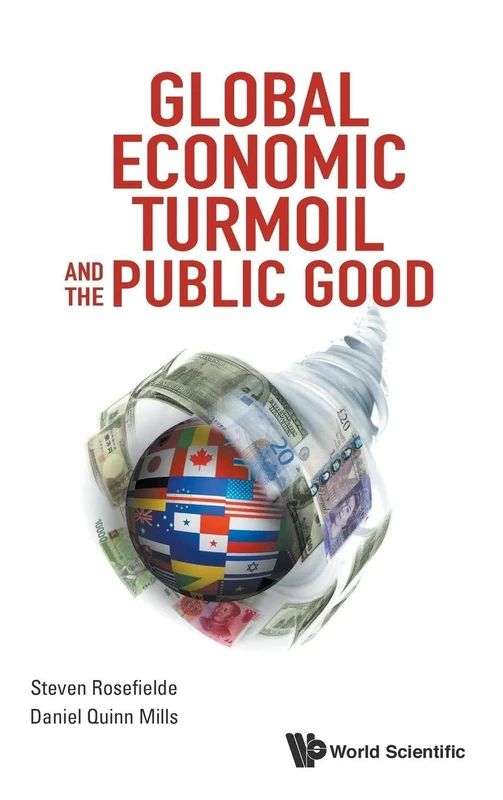
GLOBAL ECONOMIC TURMOIL AND THE PUBLIC GOOD
World Scientific Publishing Company
A Modern Guide to Post-Keynesian Institutional Economics (Elgar Modern Guides)
Edward Elgar Publishing

From Economic Crisis to Reform: IMF Programs in Latin America and Eastern Europe
Princeton University Press
A Modern Guide to Post-Keynesian Institutional Economics (Elgar Modern Guides)
Edward Elgar Publishing