We can't find the internet
Attempting to reconnect
Something went wrong
Hang in there while we get back on track
£76.13
This is the most expensive it has ever been. Walk away.
£76 today · previous high £76 · all-time low £55
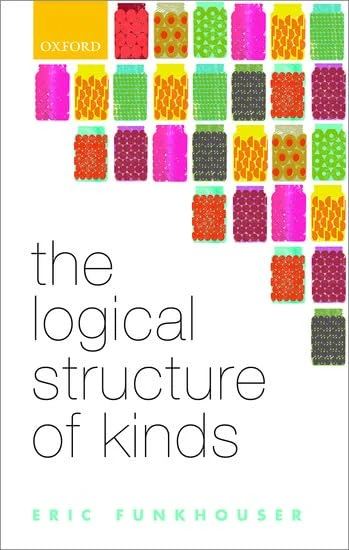
Oxford University Press The Logical Structure of Kinds
We'll watch every seller, every day. One email when your price arrives.
Price History & Forecast
Grey patches = out of stock. Cheaper = lower on the chart. Hover for exact prices.
Last 88 days · 88 data points
NEW HERE?
Amazon shows you one price. We show you all of them.
Tosheroon watches Amazon prices so you don't have to. Every product on Amazon has a price history — we make it visible. Set the price you'd actually pay, and we'll email you the second it gets there. No app, no account, one email.
WHAT'S ON THIS PAGE
when this has been cheap or pricey
where the price is heading next
all-time high & low, recent range
name your number, we'll email you
Price Distribution
Price distribution over 88 days • 3 price levels
Price Analysis
Most common price: £76 (57 days, 64.8%)
Price range: £55 - £76
Price levels: 3 different prices over 88 days
Description
Product Specifications
- Brand
- Oxford University Press
- Format
- hardcover
- ASIN
- 0198713304
- Domain
- Amazon UK
- Release Date
- 03 July 2014
- Listed Since
- 16 December 2013
Barcode
No barcode data available
Similar Products You Might Like
Thought and Reality (Lines of Thought)
Oxford University Press

Properties, Powers and Structures: Issues in the Metaphysics of Realism: 05 (Routledge Studies in Metaphysics)
Routledge
Dialectic: The Pulse of Freedom (Classical Texts in Critical Realism Routledge Critical Realism)
Routledge

A Plea for Natural Philosophy: And Other Essays
Oxford University Press

Intentional Acts and Institutional Facts: Essays on John Searle’s Social Ontology: 41 (Theory and Decision Library A:, 41)
Springer
A Realist Conception of Truth: The Transformation of an Occupational Drinking Culture (Cornell Studies in Security Affairs (Hardcover))
Cornell University Press
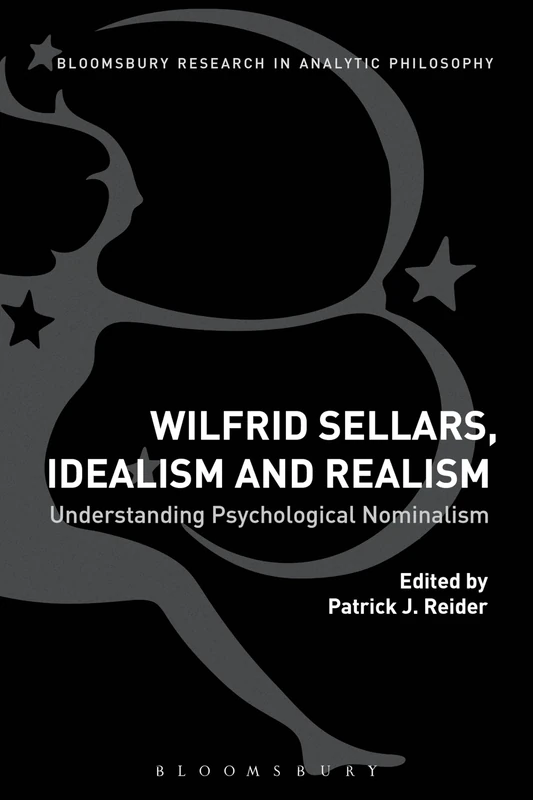
Wilfrid Sellars, Idealism, and Realism: Understanding Psychological Nominalism
Bloomsbury

Donald Davidson's Triangulation Argument: A Philosophical Inquiry (Routledge Studies in Twentieth-Century Philosophy)
Routledge
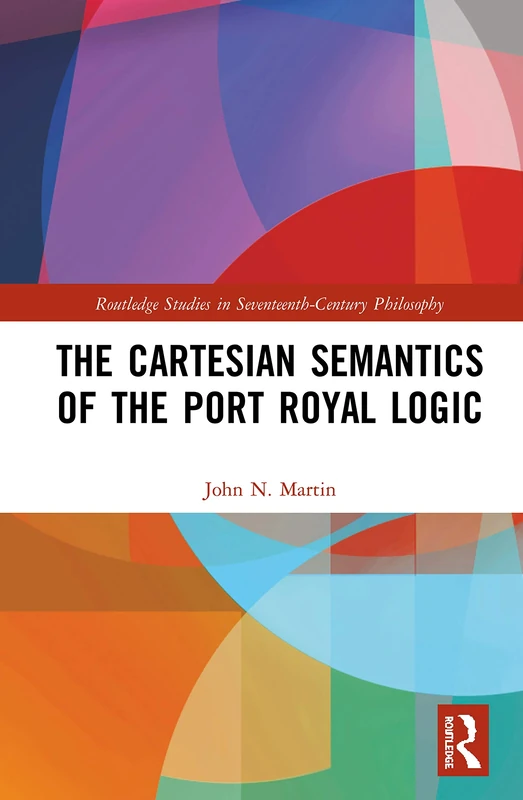
The Cartesian Semantics of the Port Royal Logic (Routledge Studies in Seventeenth-Century Philosophy)
Routledge

Alfred Tarski and the "Concept of Truth in Formalized Languages": A Running Commentary with Consideration of the Polish Original and the German ... Epistemology, and the Unity of Science, 39)
Springer

How Things Might Have Been: Individuals, Kinds, and Essential Properties
Oxford University Press
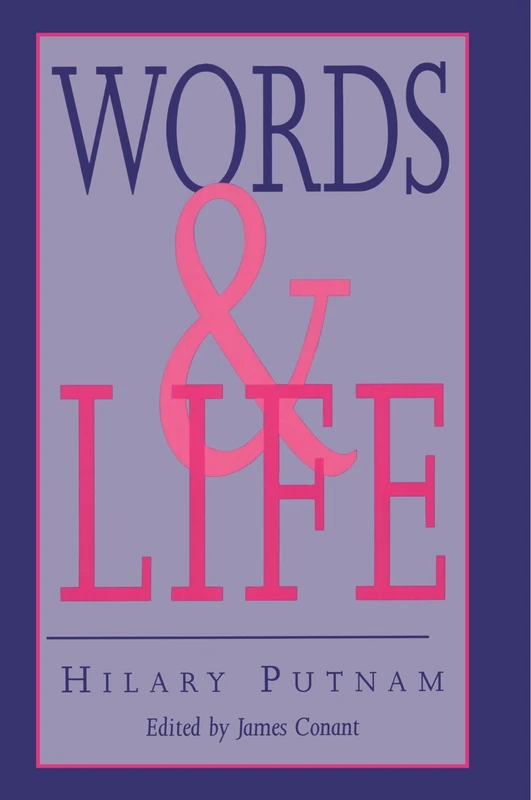
Words and Life
Harvard University Press

Donald Davidson on Action, Mind and Value (Logic in Asia: Studia Logica Library)
Springer

An Architectonic for Science: The Structuralist Program: 186 (Synthese Library, 186)
Springer
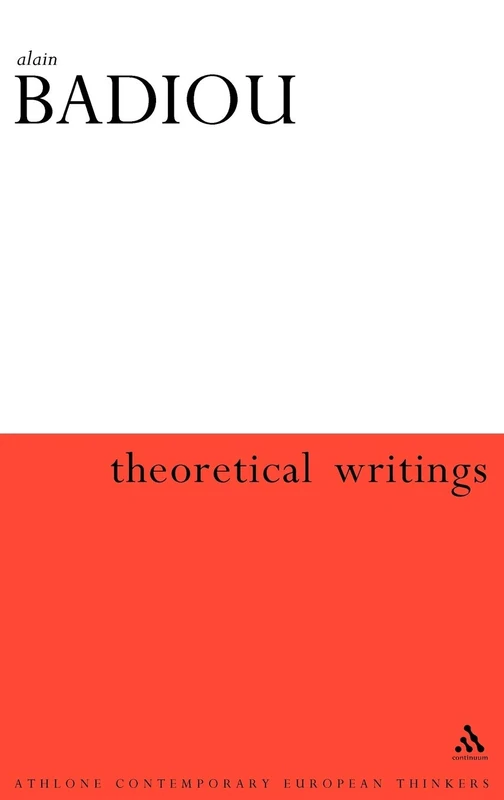
Theoretical Writings: Alain Badiou (Athlone Contemporary European Thinkers)
Bloomsbury
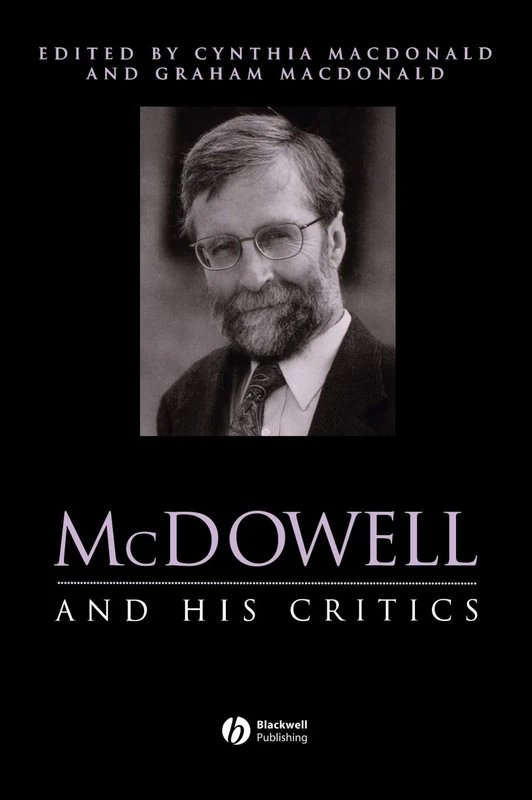
McDowell and His Critics: 6 (Philosophers and their Critics)
Wiley
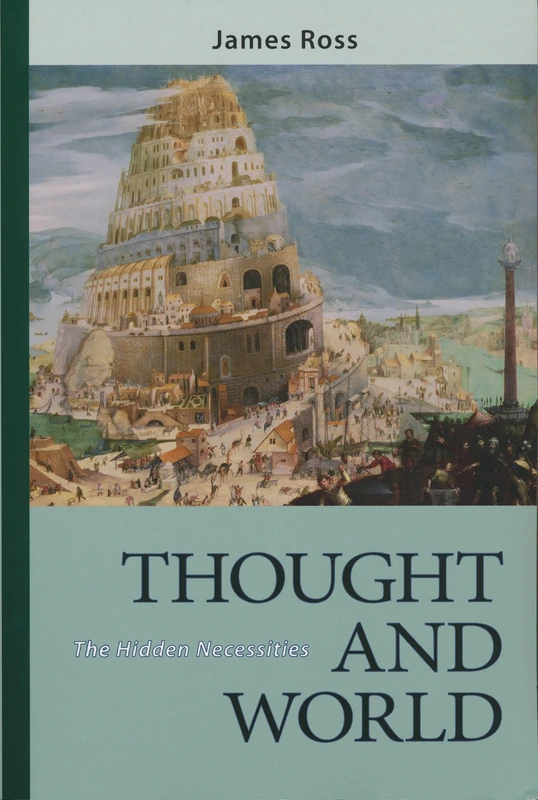
Thought and World: The Hidden Necessities
University of Notre Dame Press
Michael Dummett: Contributions to Philosophy: 25 (Nijhoff International Philosophy Series, 25)
Springer
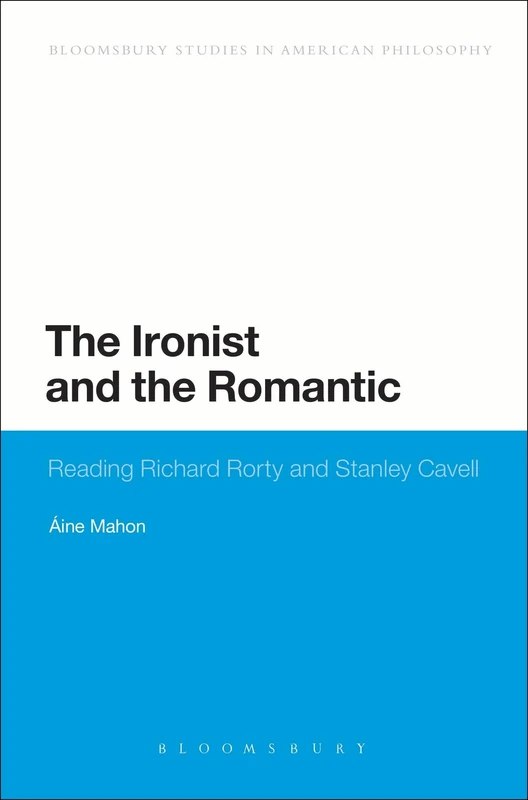
The Ironist and the Romantic: Reading Richard Rorty and Stanley Cavell (Bloomsbury Studies in American Philosophy)
Bloomsbury
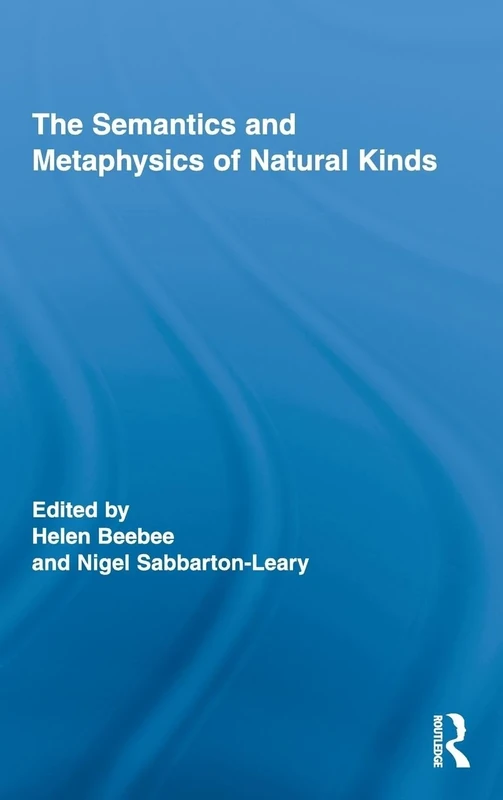
The Semantics and Metaphysics of Natural Kinds: 1 (Routledge Studies in Metaphysics)
Routledge
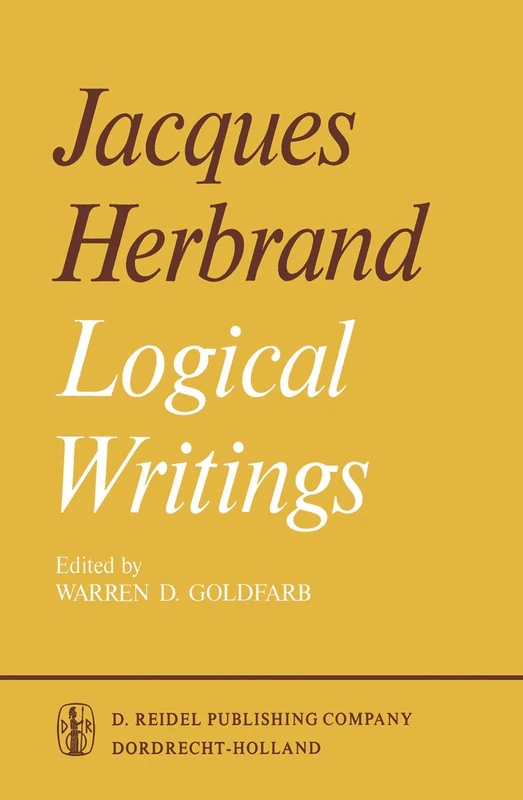
Logical Writings
Springer
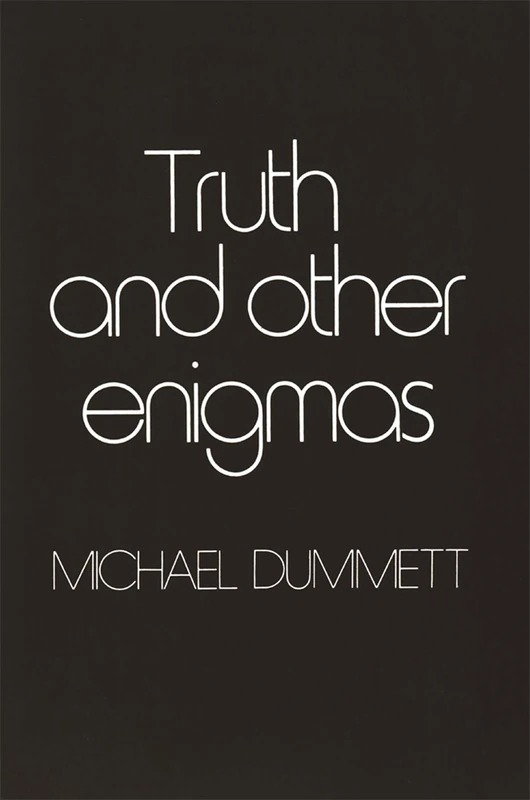
Truth and Other Enigmas (Paper)
Harvard University Press
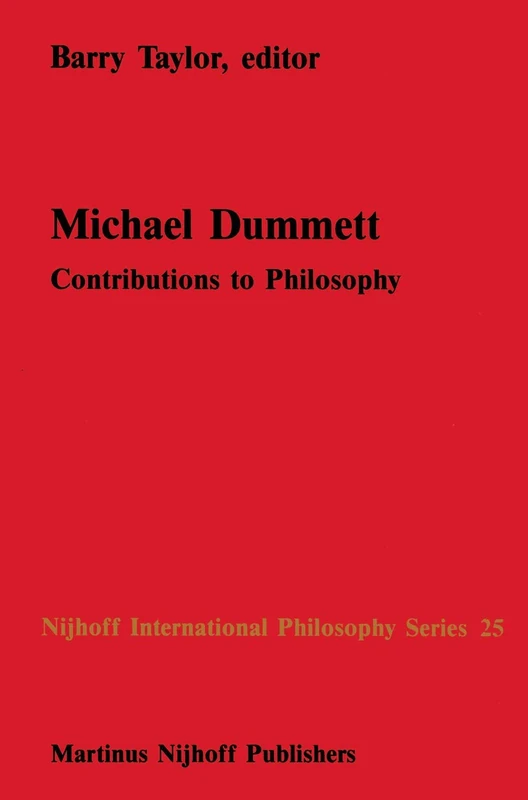
Michael Dummett: Contributions to Philosophy: 25 (Nijhoff International Philosophy Series, 25)
Springer

Well-Founded Belief: Epistemic Basing Relation Essays
Routledge