We can't find the internet
Attempting to reconnect
Something went wrong!
Hang in there while we get back on track

£42.68
Oxford University Press THE RISK OF A LIFETIME: How, When, and Why Procreation May Be Permissible
Price data last checked 112 day(s) ago - refreshing...
We'll watch every seller, every day. One email when your price arrives.
This is the usual price. Wait for it to drop, or tell us your number.
£43 today · usual range £0–£0 · best ever £35
NEW HERE?
Amazon shows you one price. We show you all of them.
Tosheroon watches Amazon prices so you don't have to. Every product on Amazon has a price history — we make it visible. Set the price you'd actually pay, and we'll email you the second it gets there. No app, no account, one email.
WHAT'S ON THIS PAGE
when this has been cheap or pricey
where the price is heading next
all-time high & low, recent range
name your number, we'll email you
Price History & Forecast
Grey patches = out of stock. Cheaper = lower on the chart. Hover for exact prices.
Last 619 days • 619 data points (No recent data available)
Price Distribution
Price distribution over 619 days • 5 price ranges
Price Analysis
Most common range: £42-44 (161 days, 26.0%)
Price range: £35 - £44
Price levels: 5 price ranges over 619 days
Description
Product Specifications
- Brand
- Oxford University Press
- Format
- paperback
- ASIN
- 0190695994
- Domain
- Amazon UK
- Release Date
- 03 July 2017
- Listed Since
- 12 April 2017
Barcode
No barcode data available
Similar Products You Might Like
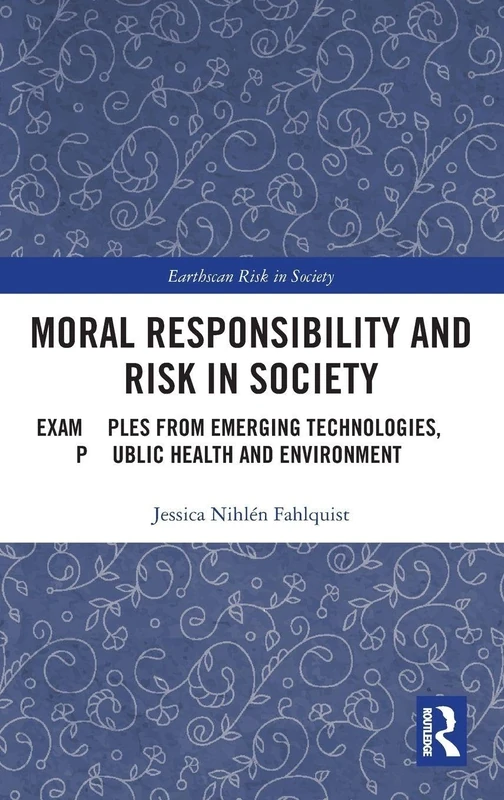
Moral Responsibility and Risk in Society: Examples from Emerging Technologies, Public Health and Environment (Earthscan Risk in Society)
Routledge

Psychological Perspectives on Risk and Risk Analysis: Theory, Models, and Applications
Springer

The Ethics of Technological Risk (Earthscan Risk in Society)
Routledge
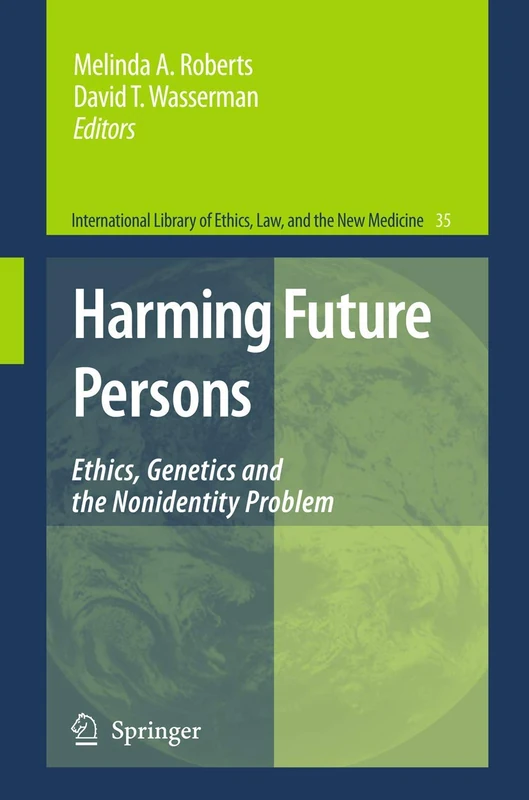
Springer Harming Future Persons: Ethics, Genetics and Nonidentity
Springer
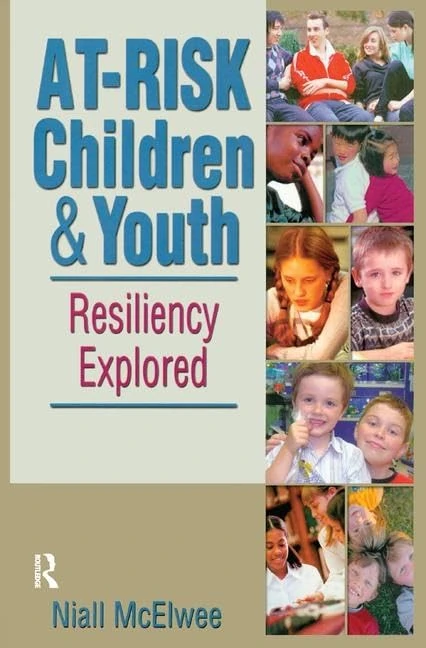
At-Risk Children and Youth: Resiliency Explored
Routledge

Engineering Risk and Finance: 188 (International Series in Operations Research & Management Science, 188)
Springer
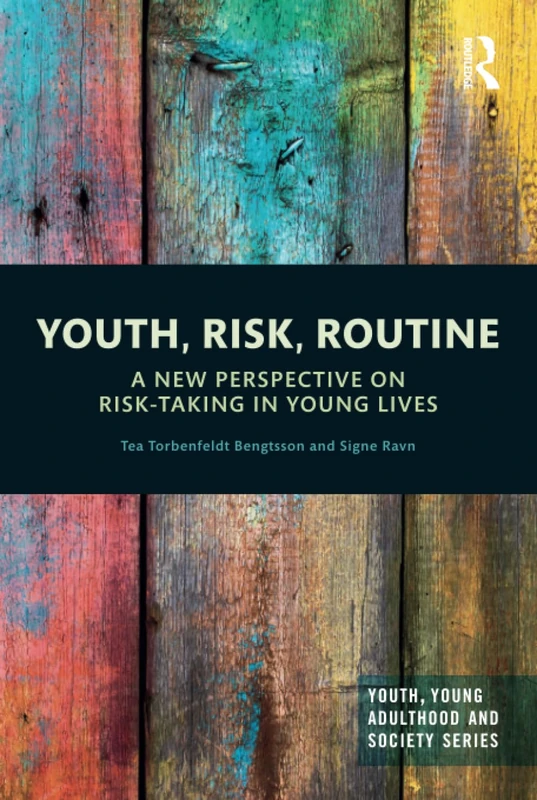
Routledge - Youth, Risk, Routine: Risk-Taking in Young Lives
Routledge

The Contingent Nature of Life: Bioethics and the Limits of Human Existence: 39 (International Library of Ethics, Law, and the New Medicine, 39)
Springer

Risk Regulation and Administrative Constitutionalism
Bloomsbury
Searching for Safety
Routledge