We can't find the internet
Attempting to reconnect
Something went wrong
Hang in there while we get back on track
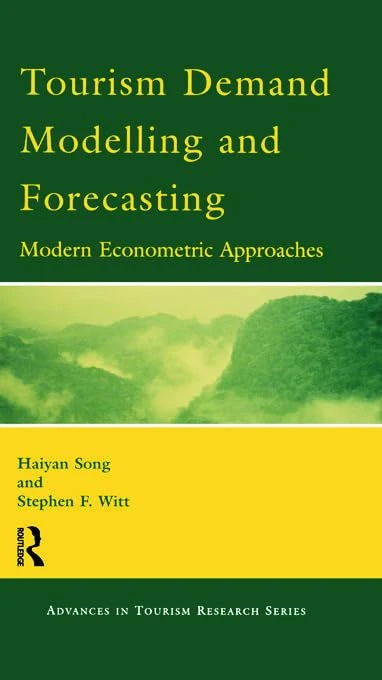
£44.29
Routledge Tourism Demand Modelling and Forecasting: Modern Econometric Approaches (Advances in Tourism Research Series)
Price data last checked 67 day(s) ago - refreshing...
We'll watch every seller, every day. One email when your price arrives.
It has never been this cheap. We have no record of a lower price.
£44 today · cheaper than every other day in the last 3 months
NEW HERE?
Amazon shows you one price. We show you all of them.
Tosheroon watches Amazon prices so you don't have to. Every product on Amazon has a price history — we make it visible. Set the price you'd actually pay, and we'll email you the second it gets there. No app, no account, one email.
WHAT'S ON THIS PAGE
when this has been cheap or pricey
where the price is heading next
all-time high & low, recent range
name your number, we'll email you
Price History & Forecast
Grey patches = out of stock. Cheaper = lower on the chart. Hover for exact prices.
Last 24 days · 24 data points (no recent data)
Price Distribution
Price distribution over 24 days • 3 price levels
Price Analysis
Most common price: £60 (14 days, 58.3%)
Price range: £44 - £60
Price levels: 3 different prices over 24 days
Description
Product Specifications
- Brand
- Routledge
- Format
- hardcover
- ASIN
- 0080436730
- Domain
- Amazon UK
- Release Date
- 30 June 2000
- Listed Since
- 03 January 2007
Barcode
No barcode data available
Similar Products You Might Like
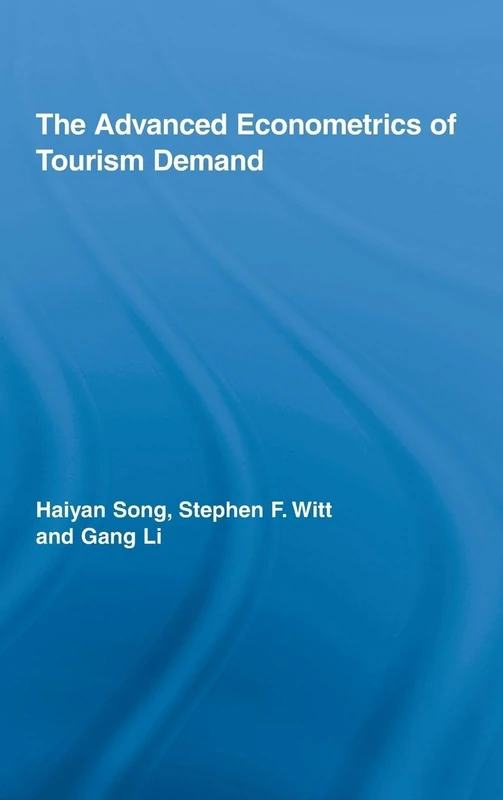
The Advanced Econometrics of Tourism Demand (Routledge Advances in Tourism)
Routledge
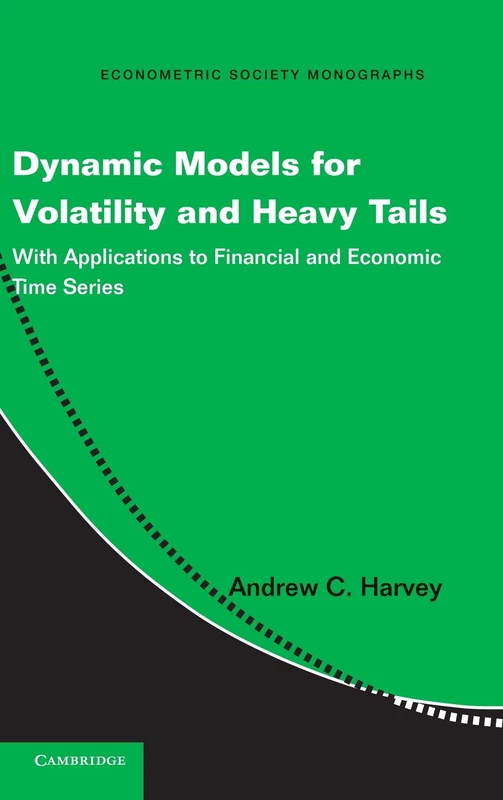
Dynamic Models for Volatility and Heavy Tails: With Applications to Financial and Economic Time Series: 52 (Econometric Society Monographs, Series Number 52)
Cambridge University Press
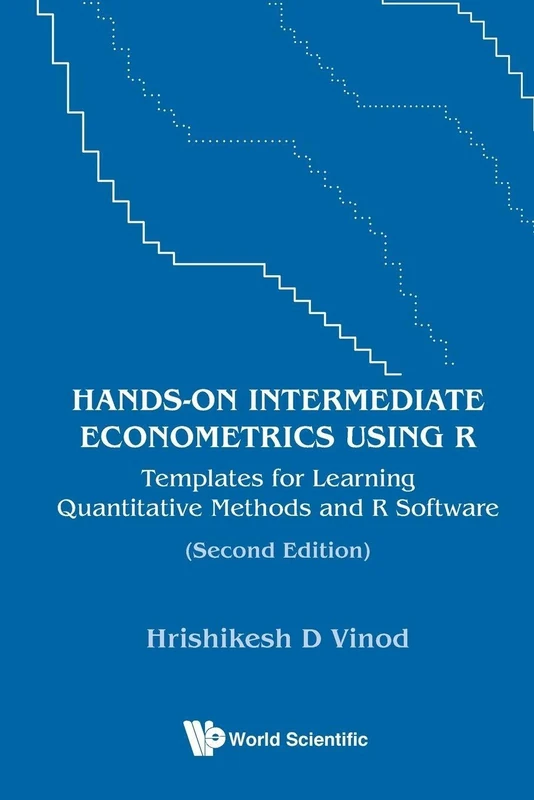
Hands-on Intermediate Econometrics Using R: Templates For Learning Quantitative Methods And R Software: Templates for Learning Quantitative Methods and R Software (Second Edition)
World Scientific Publishing Company
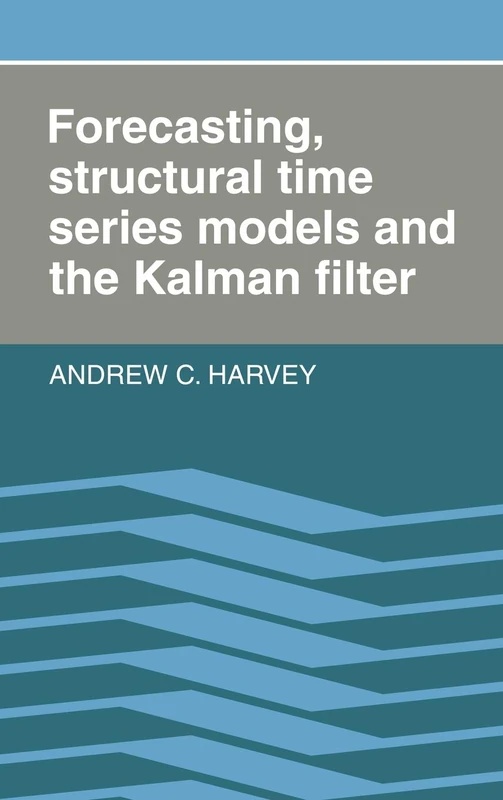
Forecasting, Structural Time Series Models and the Kalman Filter
Cambridge University Press
Henri Theil’s Contributions to Economics and Econometrics: Volume III: Economic Policy and Forecasts, and Management Science: 24 (Advanced Studies in Theoretical and Applied Econometrics, 24)
Springer
Essays in Honor of M. Hashem Pesaran: Prediction and Macro Modeling: V43, Part A (Advances in Econometrics, 43, Part A)
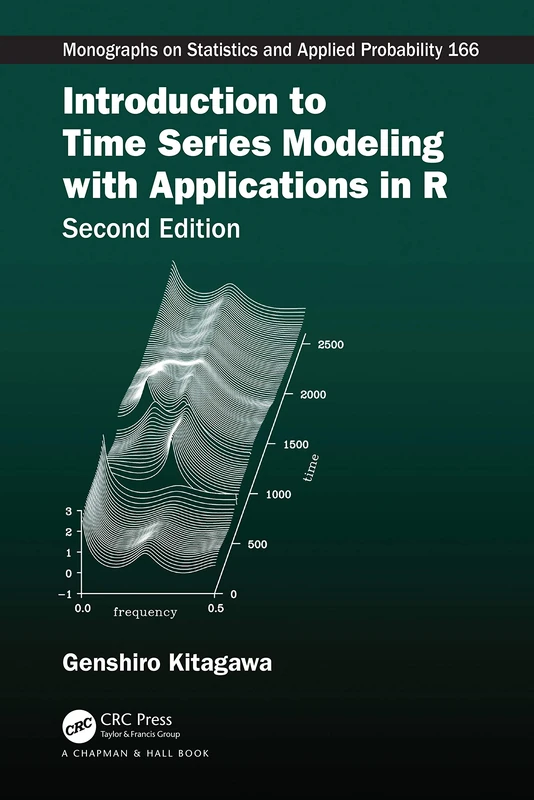
Introduction to Time Series Modeling with Applications in R (Chapman & Hall/CRC Monographs on Statistics and Applied Probability)
CRC Press
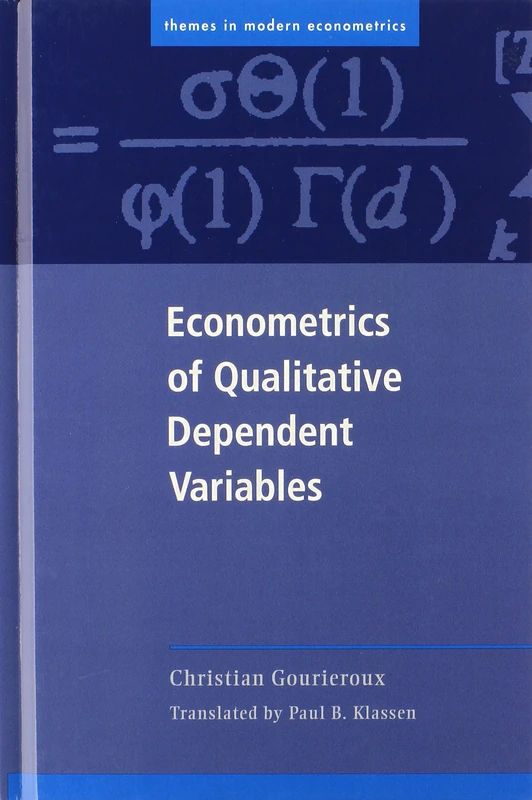
Econometrics of Qualitative Dependent Variables (Themes in Modern Econometrics)
Cambridge University Press

Time Series Modelling with Unobserved Components
CRC Press